
GUIDE
Chicco Duo Hybrid Baby Bottle vs. MAM Easy Start Anti-Colic Bottles
Published on
Both are strong anti-colic bottles with different strengths. The Chicco Duo Hybrid stands out for its innovative glass-inside-plastic design and breast-like nipple. The MAM Easy Start wins on self-sterilizing convenience and its vented base that reduces air intake. Your baby's latch preference will likely be the deciding factor.
The Chicco Duo Hybrid and MAM Easy Start Anti-Colic are two of the most popular bottles designed to reduce gas, fussiness, and colic symptoms. They take very different approaches — Chicco uses a hybrid glass-plastic construction with an inverted nipple, while MAM uses a wide silicone nipple and a vented base. Both work well, but they feel completely different in your baby's mouth.
Log bottles, nursing, and spit-up
Two Popular Anti-Colic Bottles — One Hybrid, One Classic
If your baby is gassy, fussy, or showing signs of colic, the bottle you use can make a real difference. The Chicco Duo Hybrid and the MAM Easy Start Anti-Colic are two of the most recommended bottles for reducing air intake during feeds — but they solve the problem in very different ways.
The Chicco Duo Hybrid is one of the only bottles on the market with a glass interior wrapped in a plastic shell. It pairs that hybrid construction with an inverted nipple designed to closely mimic breastfeeding. It is heavier, more expensive, and feels premium.
The MAM Easy Start Anti-Colic takes a different path: an all-plastic bottle with a patented vented base that lets air flow into the bottle without passing through the milk. It is lighter, cheaper in multi-packs, and comes with a self-sterilizing feature that parents love.
Both bottles work. The right one depends on your baby's latch preference, your cleaning tolerance, and how much you care about glass vs. plastic contact with milk.
For more on how much your baby should be eating per feed, see our baby feeding chart.
| Feature | Chicco Duo Hybrid | MAM Easy Start Anti-Colic | What It Means |
|---|---|---|---|
| Manufacturer | Chicco (Artsana Group) | MAM (MAM Babyartikel GmbH) | Both are well-established European baby brands with decades of product history. |
| Bottle material | Hybrid — borosilicate glass interior, polypropylene plastic exterior | Polypropylene plastic | Chicco's glass interior resists staining and odor. MAM's all-plastic build is lighter. |
| Anti-colic system | Inverted nipple + angled bottle design reduces air intake | Vented base with micro-perforations allows air in without mixing with milk | Different approaches, both effective. MAM's vented base is more widely studied. |
| Nipple material | Silicone — elongated, breast-like shape | SkinSoft silicone — wide, flat, textured surface | Chicco mimics breast shape more closely. MAM's texture is designed for tactile acceptance. |
| Nipple flow rates | Slow flow (0m+), medium flow (4m+) | Size 0 (0m+), Size 1 (1m+), Size 2 (2m+), Size 3 (4m+) | MAM offers more flow-rate stages, giving you finer control as your baby grows. |
| Sizes available | 5 oz and 9 oz | 5 oz and 9 oz | Tie. Both offer standard newborn and older-baby sizes. |
| Self-sterilizing | No — requires separate sterilizer or boiling | Yes — microwave self-sterilizing in 3 minutes | MAM wins on convenience. No extra equipment needed. |
| Ease of cleaning | Narrower mouth — requires bottle brush, but glass resists stains | Wide mouth, separates into 4 pieces — easy sponge access | MAM is easier to clean day-to-day. Chicco stays cleaner long-term thanks to glass. |
| Weight (5 oz, empty) | ~5.2 oz (heavier due to glass) | ~3.4 oz | MAM is noticeably lighter. Chicco's weight is the trade-off for the glass interior. |
| BPA/BPS free | Yes | Yes | Tie. Both are free of BPA, BPS, and phthalates. |
| Breast-pump compatible | No — transfer required | No — transfer required | Tie. Neither connects directly to major breast pump brands. |
The Core Difference: How They Reduce Gas and Colic
The biggest difference between these bottles is how they handle air.
Chicco Duo Hybrid uses an inverted nipple that sits inside the bottle. When your baby sucks, milk flows from the nipple without creating a vacuum that pulls in air. The angled design also encourages semi-upright feeding, which helps keep air bubbles away from the nipple opening. The result: your baby swallows less air during feeds.
MAM Easy Start Anti-Colic uses a vented base — the bottom of the bottle has tiny perforations covered by a valve. As your baby drinks and creates suction, air enters through the base instead of through the nipple. The milk and air never mix. MAM claims this system reduces colic symptoms by up to 80% compared to conventional bottles, based on their own clinical studies.
Both approaches work, but they feel different to your baby. Some babies strongly prefer one nipple shape over the other, and that preference will matter more than the venting mechanism.
Materials: Glass-Plastic Hybrid vs. All Plastic
This is where the Chicco Duo Hybrid stands apart from nearly every bottle on the market.
The inner wall — the only surface that touches your baby's milk — is borosilicate glass, the same heat-resistant glass used in lab equipment. The outer shell is polypropylene plastic. If you drop the bottle, the plastic absorbs the impact. If the plastic shell cracks, the glass interior stays intact and the bottle remains safe to use.
Why does this matter? Glass does not absorb odors, does not stain from formula or breast milk, and does not release microplastics when heated. A glass-interior bottle will look and smell cleaner after six months of daily use compared to an all-plastic bottle.
The MAM Easy Start is standard polypropylene plastic — BPA-free, BPS-free, and well-made. It is lighter and cheaper, but over time it can develop the cloudy appearance and lingering smell that all plastic bottles eventually get.
If the glass-vs-plastic question matters to you, the Chicco Duo is one of the few bottles that gives you glass benefits without glass fragility. If you are less concerned about plastic contact and want to keep costs down, MAM is a perfectly safe choice.
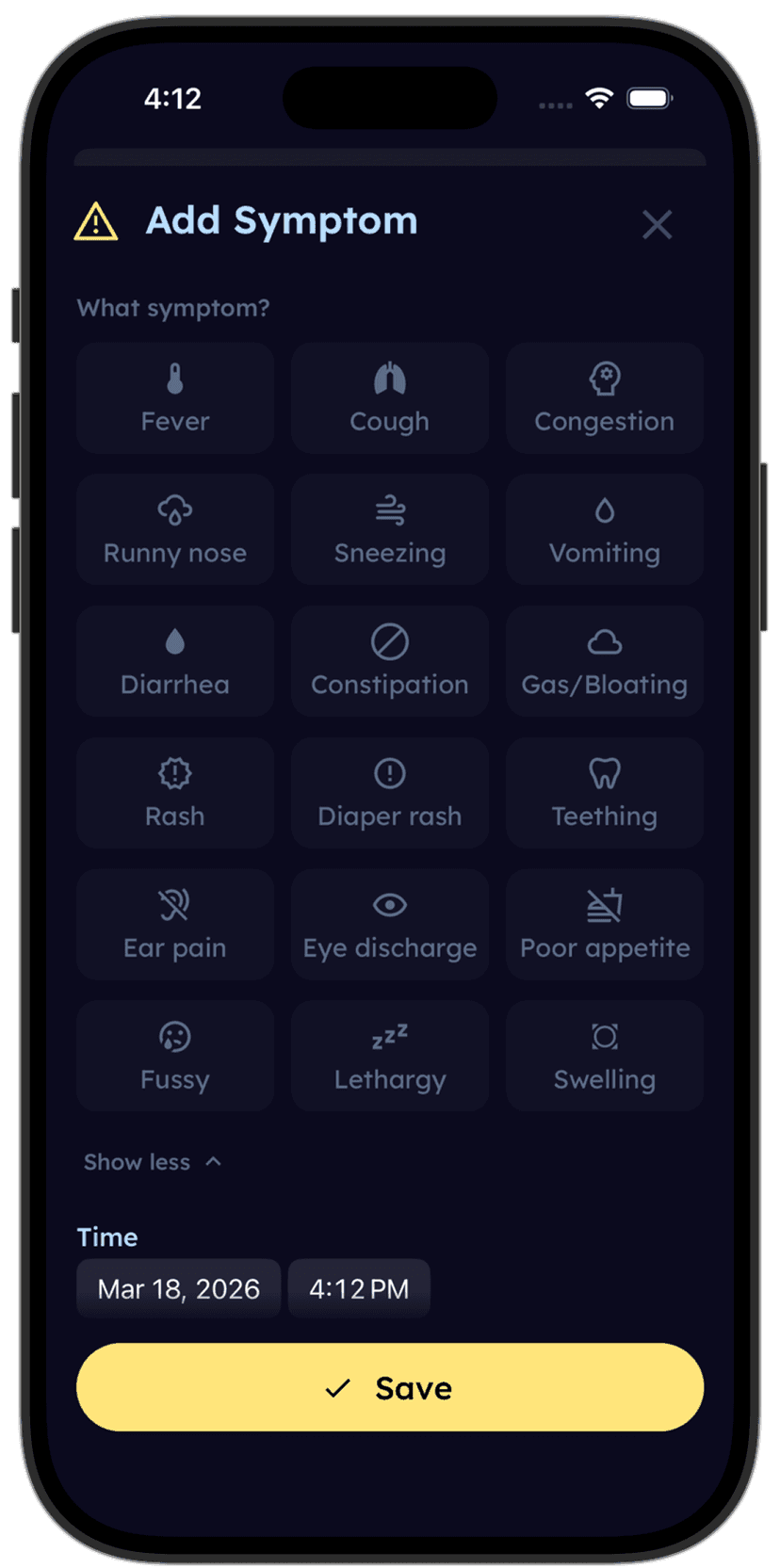
Tinylog tracks bottle feeds so you can spot patterns.
Log every bottle — amount, duration, spit-up, and gas. See daily totals and trends over time. Bring the data to your next pediatrician visit.


Nipple Shape and Latch: The Real Deciding Factor
You can compare materials and venting systems all day, but the truth is this: your baby picks the bottle. And they pick it based on how the nipple feels in their mouth.
The Chicco Duo Hybrid nipple is elongated, tapered, and shaped to resemble the breast. It is designed for babies who are switching between breast and bottle. Many parents who combo-feed report that the Chicco nipple causes less nipple confusion than wider, flatter options.
The MAM Easy Start nipple is wider, flatter, and has a textured surface that MAM calls SkinSoft silicone. The texture is meant to feel more like skin, encouraging babies to accept the bottle. MAM's research shows that 94% of babies accept the nipple — a stat they highlight prominently, though acceptance rates are generally high across premium bottles.
MAM also offers more flow-rate stages (four levels) compared to Chicco's two. If your baby is sensitive to flow speed, the finer gradation from MAM gives you more control during the transition from newborn to older infant feeding.
The only way to know which your baby prefers is to try both. Buy one of each before committing to a full set.
| Product | Typical Price | Cost Per Bottle | Notes |
|---|---|---|---|
| Chicco Duo Hybrid 5 oz (single) | $13–$16 | ~$13–$16 | Sold individually; higher unit cost reflects glass construction |
| MAM Easy Start Anti-Colic 5 oz (3-pack) | $18–$24 | ~$6–$8 | Sold in multi-packs; significantly lower per-bottle cost |
| Chicco Duo Hybrid 9 oz (single) | $15–$18 | ~$15–$18 | Larger size also sold individually |
| MAM Easy Start Anti-Colic 9 oz (2-pack) | $16–$22 | ~$8–$11 | Multi-pack brings cost down substantially |
Price: MAM Is Significantly Cheaper Per Bottle
This is not a close cost comparison. MAM Easy Start bottles are sold in multi-packs and come in at roughly $6–$11 per bottle depending on size. The Chicco Duo Hybrid is sold individually and runs $13–$18 per bottle.
Most families need 4–8 bottles in rotation. Here is what a basic set costs:
- 6 Chicco Duo Hybrid bottles (mix of 5 oz and 9 oz): ~$80–$100
- 6 MAM Easy Start bottles (mix of 5 oz and 9 oz): ~$34–$46
That is a meaningful difference, especially when you add in replacement nipples over time. Chicco's premium pricing reflects the glass construction. MAM's pricing reflects efficient plastic manufacturing and multi-pack bundling.
If budget is a real consideration, MAM delivers excellent anti-colic performance at a much lower price point.
Choose the Chicco Duo Hybrid If
- You want glass-to-milk contact without the fragility of an all-glass bottle
- Your baby latches better on an elongated, breast-like nipple shape
- You are concerned about plastic degradation, staining, or odor over time
- You plan to switch between breast and bottle and want a nipple that mimics the breast
- You are willing to pay more per bottle for the hybrid glass construction
Choose the MAM Easy Start Anti-Colic If
- You want built-in microwave sterilization with no extra equipment
- Easy disassembly and cleaning are a top priority
- Your baby responds well to a wide, flat nipple with a textured surface
- You need multiple flow-rate options as your baby grows
- Budget matters — MAM's multi-packs are significantly cheaper per bottle
- You want a lighter bottle that is easier for older babies to hold themselves
Where to Buy
If you want the hybrid glass-plastic construction, the Chicco Duo Hybrid Baby Bottle (~$14–$16 per bottle) gives you glass purity with plastic durability. The elongated nipple works especially well for breastfed babies transitioning to a bottle. Start with one 5 oz bottle to test the latch before buying a full set.
If you want proven anti-colic venting, easy cleaning, and a lower price, the MAM Easy Start Anti-Colic Bottles (~$6–$8 per bottle in multi-packs) are hard to beat on value. The self-sterilizing base alone saves time every single day, and the vented design genuinely reduces air intake. The 3-pack in 5 oz is a great starting point for newborns.
Our honest advice: buy one of each first. The bottle your baby latches onto best is the right bottle — and you will not know until you try both.
Tinylog earns a small commission on purchases made through these links, at no cost to you.
Looking for a discount? Try checking promo.new. It doesn't always find what you're looking for, but when it does, it works like a charm.
The Bottom Line
The Chicco Duo Hybrid and MAM Easy Start Anti-Colic are both well-designed bottles that reduce gas and fussiness through different mechanisms. The differences are real and worth understanding:
Chicco Duo Hybrid wins on glass-interior purity, stain and odor resistance, breast-like nipple shape for combo-feeding parents, and premium feel.
MAM Easy Start Anti-Colic wins on self-sterilizing convenience, ease of cleaning, lighter weight, more flow-rate options, and significantly lower cost per bottle.
For most families, the deciding factor will be which nipple your baby prefers. Buy one of each, test them both, and then stock up on the winner. If your baby accepts both equally, MAM offers better value. If you strongly prefer glass contact with milk, the Chicco Duo is worth the premium.
If you are tracking feeds — which is especially helpful in the early weeks to make sure your baby is eating enough — Tinylog makes it easy to log bottles, note spit-up and gas, and see patterns over time.
Related Guides
- Baby Feeding Chart — How much your baby should eat by age
- Baby Gas — Causes, relief techniques, and when to call your doctor
- Baby Spit-Up — Normal spit-up vs. reflux warning signs
- Breastfeeding vs. Formula — What the research actually says
Sources
- Chicco USA. "Duo Hybrid Baby Bottle — Product Information." chiccousa.com, 2026.
- MAM Baby. "MAM Easy Start Anti-Colic Bottle — Product Information." mambaby.com, 2026.
- MAM Baby. "Clinical Study: Anti-Colic Efficacy of Vented Base Design." mambaby.com, 2025.
- BabyList. "Best Anti-Colic Bottles of 2026." babylist.com, 2026.
- What to Expect. "Best Bottles for Breastfed Babies." whattoexpect.com, 2026.
- Wirecutter (New York Times). "The Best Baby Bottles." nytimes.com/wirecutter, 2026.
- Forbes Health. "Best Baby Bottles of 2026, Tested and Reviewed." forbes.com, 2026.
This guide is for informational purposes only. Bottle choice is a personal preference based on your baby's individual needs. If your baby shows persistent signs of colic, excessive gas, or feeding difficulties, consult your pediatrician.
Frequently asked questions
- Which bottle is better for reducing colic, the Chicco Duo or MAM Easy Start?
- Both bottles are designed to reduce colic, but they use different mechanisms. The Chicco Duo Hybrid uses an inverted nipple and angled design to minimize air ingestion. The MAM Easy Start uses a vented base with tiny holes that allow air into the bottle without mixing with the milk. Many parents report success with both — the best choice depends on which nipple shape your baby latches onto more easily.
- Can I switch between the Chicco Duo Hybrid and MAM Easy Start bottles?
- Yes, but your baby may prefer one nipple shape over the other. The Chicco Duo has a more elongated, breast-like nipple, while the MAM has a wider, flatter SkinSoft silicone nipple. If your baby accepts both, switching between them is perfectly fine.
- Is the Chicco Duo Hybrid bottle actually glass?
- It is a true hybrid. The inner layer that contacts the milk is borosilicate glass, and the outer shell is plastic (polypropylene). This gives you the purity and easy-cleaning benefits of glass with the shatter resistance and lighter weight of plastic. If the outer shell cracks, the glass interior stays intact.
- How do you sterilize MAM Easy Start bottles?
- MAM bottles are designed to self-sterilize in the microwave. You disassemble the bottle, add water to the base, stack the parts inside, and microwave for three minutes. No separate sterilizer needed. You can also use a standard steam sterilizer or boiling water.
- Which bottle is easier to clean?
- The MAM Easy Start is easier to clean because it separates into four wide-opening pieces, and the wide bottle mouth allows a sponge to reach every surface. The Chicco Duo Hybrid requires a bottle brush for the narrower glass interior, though the glass surface itself resists staining and odor better than plastic over time.
- Are these bottles compatible with breast pumps?
- Neither bottle is directly compatible with major breast pump brands out of the box. You will need to pump into the pump's own bottles and then transfer milk. Some parents use third-party adapters, but check compatibility carefully to avoid leaks.