
GUIDE
Cumbor Auto-Close vs. Cardinal Gates Stairway Special
Published on
These gates serve different purposes. The Cumbor Auto-Close is a pressure-mounted gate with a handy auto-close hinge — great for doorways and hallways. The Cardinal Gates Stairway Special is hardware-mounted and built for the top of stairs. Your placement dictates the choice.
The Cumbor Auto-Close and Cardinal Gates Stairway Special are both popular baby gates, but they are not interchangeable. One relies on wall tension and springs shut behind you. The other screws into studs and is engineered to prevent stairway falls. Knowing which one goes where is the most important decision you will make when baby-proofing.
Same Aisle, Totally Different Jobs
Walk into any baby store and the Cumbor Auto-Close and Cardinal Gates Stairway Special sit on the same shelf. They are roughly the same height, both made of metal, and both swing open for walk-through access. It would be easy to assume they are interchangeable.
They are not. The difference is how they attach to your walls — and that single detail determines where each gate belongs in your home.
The Cumbor Auto-Close is pressure-mounted. It wedges between two surfaces using adjustable knobs and stays put through friction alone. It also has a spring-loaded hinge that pulls the door shut behind you, which is genuinely helpful when you are hauling a toddler and a sippy cup at the same time.
The Cardinal Gates Stairway Special is hardware-mounted. It screws into wall studs or banisters with actual fasteners and cannot be dislodged by pushing, pulling, or a 25-pound toddler doing a full-speed lean.
We broke down the features, materials, and costs so you can figure out which gate goes where — and whether you need both.
For timing on when to start baby-proofing, see our baby-proofing checklist.
| Feature | Cumbor Auto-Close | Cardinal Gates Stairway Special | What It Means |
|---|---|---|---|
| Manufacturer | Cumbor | Cardinal Gates | Cumbor is a newer brand popular on Amazon. Cardinal Gates has been making gates and barriers for decades. |
| Mount type | Pressure-mounted (no drilling) | Hardware-mounted (screws into wall/banister) | The biggest difference. Pressure-mount is convenient but not stair-safe. Hardware-mount is permanent and secure. |
| Safe for top of stairs | No — pressure-mounted gates should never go at stair tops | Yes — designed and rated for top-of-stair use | Cardinal wins this category by design. This alone determines which gate you need. |
| Auto-close | Yes — spring-loaded hinge with hold-open option | No — manual close only | Cumbor's auto-close is genuinely useful in high-traffic doorways. Cardinal prioritizes secure latching over convenience. |
| Door swing | Both directions | One direction (away from stairs) | Cumbor's two-way swing suits hallways. Cardinal's one-way swing is a deliberate safety feature for stairs. |
| Width range | 29–40 inches (with included extensions) | 27–42.5 inches | Cardinal fits a wider range of openings. Both brands sell additional extensions for oversized openings. |
| Height | 29.5 inches | 29.5 inches | Identical. Both are tall enough for toddlers but climbable by determined kids over age 2.5. |
| Material | Steel frame with painted finish | All-aluminum construction | Cardinal's aluminum is lighter, more durable, and resists wear better than Cumbor's painted steel. |
| Installation time | 5–10 minutes, no tools needed | 20–30 minutes, drill required | Cumbor is up and running fast. Cardinal takes longer but the permanent mount is the whole point. |
| One-hand operation | Yes — one-hand release lever | Yes — lever-style latch | Both can be opened while carrying a baby. The Cumbor closes itself; the Cardinal you push shut. |
| Banister mounting kit | Not included | Included — no-drill banister clamps | If you are mounting to a banister, Cardinal saves you an extra purchase. |
Mounting Type Is the Whole Ballgame
This is not a subjective preference thing. Where you put a baby gate determines which type you must buy.
Top of stairs? Hardware-mounted only. The CPSC, the AAP, and basically every pediatric safety organization says the same thing: pressure-mounted gates should never be used at the top of stairs. A toddler leaning into a pressure-mounted gate at a stair top can push it out and fall. The Cardinal Gates Stairway Special exists to solve this exact problem.
Doorways, hallways, bottom of stairs? Pressure-mounted is perfectly fine. A dislodged gate at floor level is an inconvenience, not a fall hazard. This is where the Cumbor Auto-Close shines — tool-free installation, auto-close convenience, and easy repositioning.
Many parents end up with a mixed setup: one Cardinal at the top of the stairs and a couple of Cumbors blocking off the kitchen and playroom. That is a solid, practical approach.
The Auto-Close Advantage
The Cumbor's standout feature is its spring-loaded auto-close hinge. Let go of the door from any angle and it swings shut and latches on its own. There is also a hold-open mode — push the door past 90 degrees and it stays propped until you pull it back.
The Cardinal Gates Stairway Special does not auto-close. You walk through, and you push the door shut yourself. The latch catches with a click, and you confirm it is secure.
In a doorway you pass through a dozen times a day, auto-close is a legitimate quality-of-life upgrade. You are carrying groceries, a baby, a stack of onesies fresh from the dryer — the Cumbor just handles itself. The Cardinal requires that extra reach-back-and-push motion every single time.
But at the top of stairs, auto-close is not the priority. Secure mounting is. You want a gate that is physically bolted to the structure and swings in only one safe direction. The Cardinal's manual latch and single-direction swing are intentional safety decisions, not missing features.
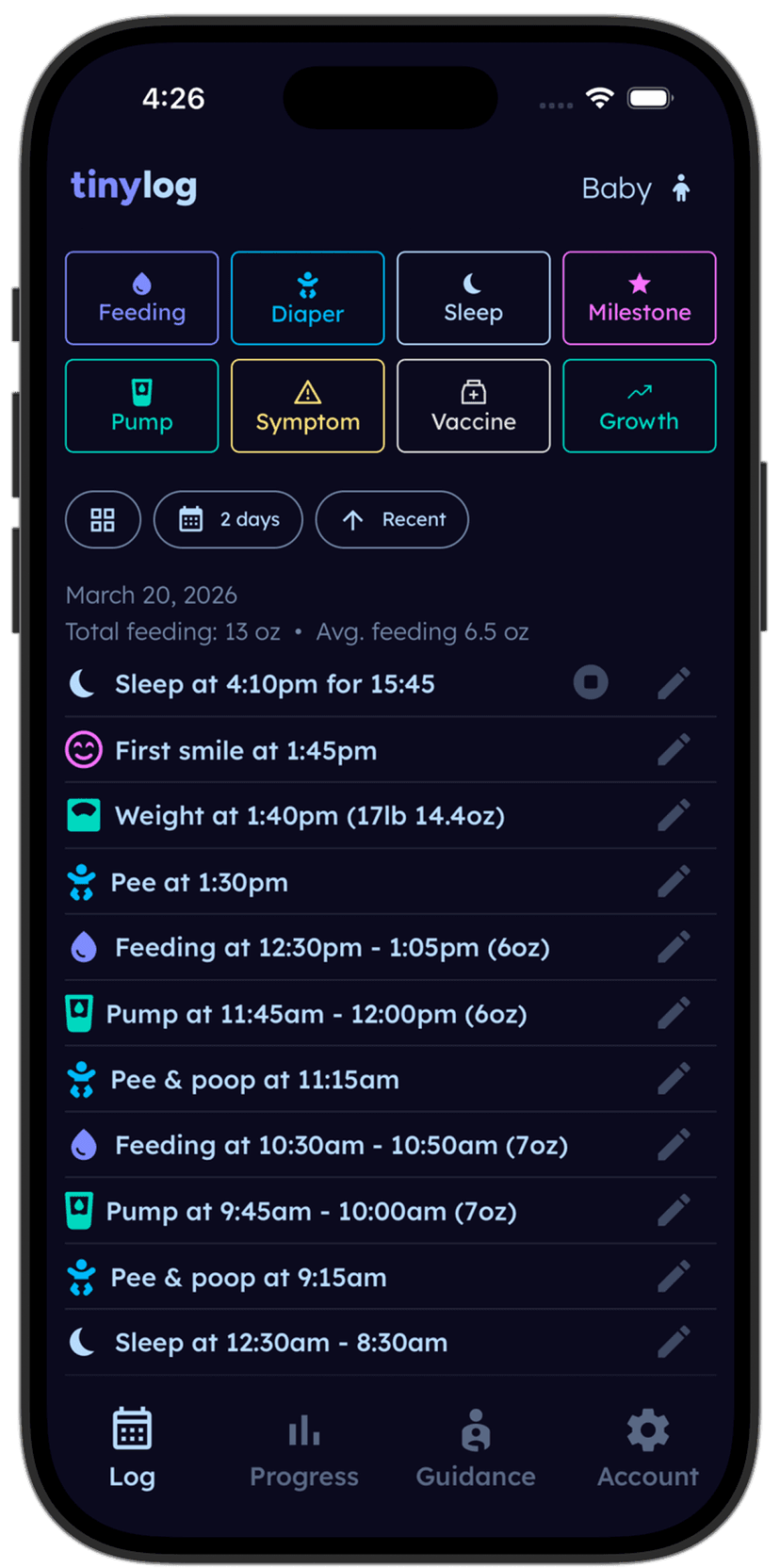
Tinylog helps you track when baby starts moving.
Log crawling, pulling up, cruising, and first steps. Knowing when mobility milestones hit helps you get gates installed at the right time — not the day after the first scare.


Build Quality: Steel vs. Aluminum
The Cumbor Auto-Close has a steel frame with a painted finish available in white or black. The frame is sturdy and the auto-close hinge mechanism works well. The trade-off is that painted steel can chip if you move the gate frequently, and the pressure cups are plastic components that may wear down after a year or two of heavy use.
The Cardinal Gates Stairway Special is built with all-aluminum construction. Aluminum does not rust, weighs less than steel, and holds up to years of daily opening and closing without showing much wear. The latch and hinge hardware are metal throughout — no plastic parts in the load-bearing components.
For a gate you plan to pass along to another family or keep up for multiple kids, the Cardinal's build quality will outlast the Cumbor's. For a gate that needs to do its job for 18 months in a doorway, the Cumbor is more than adequate.
| Product | Typical Price | Cost Per Month | Notes |
|---|---|---|---|
| Cumbor Auto-Close Baby Gate | $35–$45 | ~$1.45–$1.90 | Based on 24 months of use; includes two extensions in the box |
| Cardinal Gates Stairway Special | $55–$75 | ~$2.30–$3.15 | Based on 24 months of use; includes banister mounting kit |
| Additional extension kits (either brand) | $8–$15 | One-time purchase | Needed for openings wider than the base range |
Price: Practical Math for Your Setup
The Cumbor Auto-Close typically runs $35–$45. The Cardinal Gates Stairway Special goes for $55–$75. That is a $20–$30 gap per gate.
But here is the thing — you probably do not need the same number of each. A typical baby-proofing setup looks something like this:
- One Cardinal Gates Stairway Special at the top of stairs (~$65)
- Two Cumbor Auto-Close gates for the kitchen doorway and hallway (~$80)
- Total: about $145 for full coverage of the main danger zones
That is less than a single fancy high-chair and buys you roughly two years of safe mobility exploration.
A few ways to save:
- Watch for Amazon deals. Both brands run Lightning Deals and coupon clips regularly.
- Check local marketplaces. Baby gates are one of the most resold baby items. They are easy to clean and hard to break.
- Skip brand-name extensions. Generic extensions often fit and cost half as much.
- Buy the Cumbor in a 2-pack if the listing offers one — the per-gate price drops noticeably.
Choose the Cumbor Auto-Close If
- You need a gate for a doorway, hallway, or the bottom of stairs — not the top
- You want the auto-close feature so the gate shuts itself when your hands are full
- You rent and cannot drill into walls or leave screw holes
- You want a two-way swing for high-traffic areas where you approach from both sides
- Quick, tool-free installation matters more than permanent mounting
- You plan to move the gate between rooms or bring it to a relative's house
Choose the Cardinal Gates Stairway Special If
- You need a gate at the top of a staircase — no exceptions
- You want all-aluminum construction that will hold up for years
- Your opening is wider than 40 inches and needs the extra range
- You have a banister and want the included no-drill clamp kit
- You prefer a permanent, screwed-in mount that cannot be pushed loose
Where to Buy
For doorways and hallways, the Cumbor Auto-Close Baby Gate (~$40) is a smart pick. The auto-close hinge and two-way swing make daily life noticeably easier in high-traffic spots, and the included extensions give you sizing flexibility without extra purchases. It goes up in minutes and moves between rooms just as fast.
For the top of stairs, the Cardinal Gates Stairway Special (~$65) is purpose-built and dependable. All-aluminum construction, an included banister mounting kit, and a single-direction swing that keeps the gate from opening out over the stairs. It costs more and takes longer to install, but stair safety is not the category to bargain-hunt in.
If your home has both stairs and doorways to block off, get one of each. That combination covers the most common baby-proofing needs without overspending.
Tinylog earns a small commission on purchases made through these links, at no cost to you.
We've found promo.new handy for finding discounts on baby gear. Doesn't always have what you need, but it's worth a shot.
The Bottom Line
The Cumbor Auto-Close and the Cardinal Gates Stairway Special are both good gates that happen to serve different purposes.
Cumbor Auto-Close is the better gate for doorways, hallways, and the bottom of stairs. Auto-close convenience, two-way swing, tool-free setup, and a lower price make it the workhorse gate for everyday room-blocking.
Cardinal Gates Stairway Special is the better gate for the top of stairs. Hardware mounting, aluminum construction, included banister kit, and a safety-first single-direction swing make it the reliable choice where falling is the real risk.
The worst baby gate decision is putting a pressure-mounted gate at the top of stairs. The second worst is spending $65 on a hardware-mounted gate for a kitchen doorway when a $40 pressure-mount does the job just fine. Match the gate to the location and you are set.
If you are tracking mobility milestones in Tinylog, the entries for crawling and pulling up are your signal to start measuring doorways and ordering gates.
Related Guides
- Baby-Proofing Checklist — Room-by-room guide to making your home safe for a mobile baby
- When Do Babies Crawl? — Timeline, signs, and what to expect
- Regalo Easy Step vs. Cumbor Auto-Close — Two pressure-mounted gates compared head to head
- Baby Sleep Schedule — Age-by-age nap and bedtime guide
Sources
- Consumer Product Safety Commission (CPSC). "Use Baby Gates to Protect Children from Stairway Falls." cpsc.gov, 2025.
- American Academy of Pediatrics. "Baby Gates and Safety Barriers." healthychildren.org, 2025.
- ASTM International. "ASTM F1004 — Standard Consumer Safety Specification for Expansion Gates and Expandable Enclosures." 2025.
- Cumbor. "Auto-Close Safety Baby Gate — Product Information." amazon.com, 2026.
- Cardinal Gates. "Stairway Special Gate — Product Information." cardinalgates.com, 2026.
- Consumer Reports. "Best Baby Gates of 2026." consumerreports.org, 2026.
- BabyGearLab. "Best Baby Gates of 2026, Tested & Reviewed." babygearlab.com.
This guide is for informational purposes only. Always follow manufacturer installation instructions and CPSC safety guidelines when installing baby gates. Pressure-mounted gates should never be used at the top of stairs. If you have questions about proper gate placement in your home, consult the CPSC's baby gate safety guide or your pediatrician.
Frequently asked questions
- Can I use the Cumbor Auto-Close gate at the top of stairs?
- No. The Cumbor Auto-Close is a pressure-mounted gate and should never be installed at the top of stairs. Pressure-mounted gates can be pushed out of position by a toddler leaning or falling against them. For stair tops, use a hardware-mounted gate like the Cardinal Gates Stairway Special.
- Does the Cardinal Gates Stairway Special close on its own like the Cumbor?
- No. The Cardinal Gates Stairway Special does not have an auto-close mechanism. You need to push it shut manually and confirm the latch catches. Some parents add a self-closing hinge aftermarket, but out of the box it is a manual-close gate.
- Which gate is easier to install?
- The Cumbor Auto-Close is far easier. It pressure-mounts in about five to ten minutes with no tools. The Cardinal Gates Stairway Special requires a drill, screws, and about 20–30 minutes of careful work to mount into wall studs or banisters.
- Can I use both gates in the same house?
- Yes, and many families do exactly that. A common setup is one Cardinal Gates Stairway Special at the top of the stairs and one or two Cumbor Auto-Close gates in doorways and hallways. Each gate goes where its mounting style is appropriate.
- Do these gates work for pets too?
- Yes. Both gates have bar spacing narrow enough to contain small and medium dogs. The Cumbor's auto-close feature is especially handy for pet owners who walk through the gate frequently. Large dogs may be able to push past a pressure-mounted gate, so test the fit.
- How long do baby gates typically stay up?
- Most families install gates around 6–8 months when babies start crawling and keep them up until age 2–3. Stair gates often stay up the longest, especially for steep staircases. Plan on roughly 18–24 months of daily use.