
GUIDE
Dagne Dover Indi vs. BabbleRoo Diaper Bag Backpack
Published on
The Dagne Dover Indi is a premium neoprene bag built to last years and look good doing it. The BabbleRoo is a capable budget bag with more pockets and a lower price tag. Your choice depends on how much you value materials, aesthetics, and longevity.
At $215 vs. $30–$36, these two bags occupy opposite ends of the diaper bag market. The Dagne Dover Indi is one of the most recognizable premium diaper bags in the US — neoprene, machine washable, and styled to work beyond the baby years. The BabbleRoo is an Amazon bestseller with a loyal following, more pockets than the Indi, and a price that makes it easy to buy without overthinking.
Log outings, feedings, and more
A $185 Price Gap — What Are You Actually Paying For?
The Dagne Dover Indi and the BabbleRoo Diaper Bag Backpack are both well-reviewed diaper bag backpacks. They both carry everything you need for a day out with a baby. They both include changing pads, insulated bottle pockets, and water-resistant construction.
And yet one costs $215 and the other costs $30–$36.
That gap is real, and understanding it honestly is what this guide is about. The answer is not simply "you pay for the name." There are genuine material and design differences that justify a portion of the premium — and there are also areas where the BabbleRoo matches or beats the Indi on features while spending far less.
The right choice depends on how long you plan to use the bag, how much you care about aesthetics and materials, and what your budget actually allows right now.
| Feature | Dagne Dover Indi | BabbleRoo | What It Means |
|---|---|---|---|
| Price | ~$215 | ~$30–$36 | The BabbleRoo costs roughly 85% less. The Indi's price reflects materials, construction, and longevity. |
| Exterior material | Neoprene | Polyester | Neoprene is more durable, water-resistant by nature, and softer to the touch. Polyester is lighter and cheaper. |
| Weight | 2.4 lbs | 1.6 lbs | The BabbleRoo is 0.8 lbs lighter empty — noticeable when you're also carrying a baby. |
| Number of pockets | 15 pockets | 18 pockets | BabbleRoo wins on raw pocket count. Both offer enough organization for most outings. |
| Insulated bottle pocket | Yes — 1 insulated pocket | Yes — 2 insulated pockets | BabbleRoo accommodates two bottles simultaneously. Useful if you're feeding twins or carrying a water bottle alongside formula. |
| Laptop sleeve | Yes — padded sleeve included | No | Indi wins for parents who commute or work and want one bag for both roles. |
| USB charging port | No | Yes — external USB port | BabbleRoo's built-in USB port (requires your own power bank) is a practical bonus for long travel days. |
| Stroller straps | No | Yes — included | BabbleRoo attaches directly to stroller handlebars. Indi users typically hook it over the stroller handles. |
| Built-in key leash | Yes | No | Indi's key leash is a small but genuinely useful feature. Digging for keys with a baby on your hip is miserable. |
| Machine washable | Yes — fully machine washable | No — spot clean only | Significant practical advantage for the Indi. Diaper bags get dirty. A machine-washable bag stays cleaner longer. |
| Changing pad | Yes — padded, higher quality | Yes — basic roll-out pad | Both work. The Indi's changing pad is thicker and more comfortable for baby. |
| Longevity / post-baby use | Strong — functions as everyday backpack | Moderate — functional but styled as a diaper bag | The Indi is designed to outlast the baby years. The BabbleRoo is purpose-built for this phase. |
Materials: Neoprene vs. Polyester
This is where the Indi earns most of its premium pricing.
Neoprene — the same material used in wetsuits — is inherently water-resistant, durable, and maintains its structure under repeated compression and heavy loads. It wipes clean easily and holds its shape after years of daily use. The Indi's neoprene construction is a genuine differentiator, not a marketing detail.
Polyester is the standard material for bags at the BabbleRoo's price point. It is lightweight and functional. It is not as durable as neoprene under sustained heavy use, and it is not machine washable in the BabbleRoo's construction. Most polyester diaper bags at this price hold up well for 1–2 years of regular use; they are not built to last a decade.
The practical implication: if you are the kind of person who keeps bags for 3–5 years, or who plans to use the diaper bag as an everyday backpack after the baby phase, the neoprene construction of the Indi is worth paying for. If you are buying a bag for 12–18 months of diaper duty and then moving on, the polyester BabbleRoo does the job at a much lower cost.
One more point on materials: the Indi is machine washable. Diaper bags get contaminated with formula, puréed food, diaper leaks, and whatever else ends up in the outer pockets. Being able to throw the whole bag in the wash — rather than spot-cleaning — is a meaningful quality-of-life advantage.
Organization: BabbleRoo Has More Pockets, But the Indi Uses Space Better
The BabbleRoo wins on raw pocket count: 18 vs. 15 on the Indi. It also adds two insulated bottle pockets to the Indi's one, and includes stroller straps and an external USB port that the Indi lacks entirely.
If you are counting features on a spreadsheet, the BabbleRoo wins.
The Indi's edge is in how its pockets are laid out. The neoprene construction allows for a more structured interior — pockets hold their shape even when empty, making it easier to find things quickly. The laptop sleeve is a genuine differentiator if you are a working parent who commutes. The built-in key leash is the kind of feature you will use every single time you leave the house.
Both bags have enough organization for a full day out with an infant or toddler. The BabbleRoo gives you more slots to fill; the Indi gives you a more deliberate, structured layout.
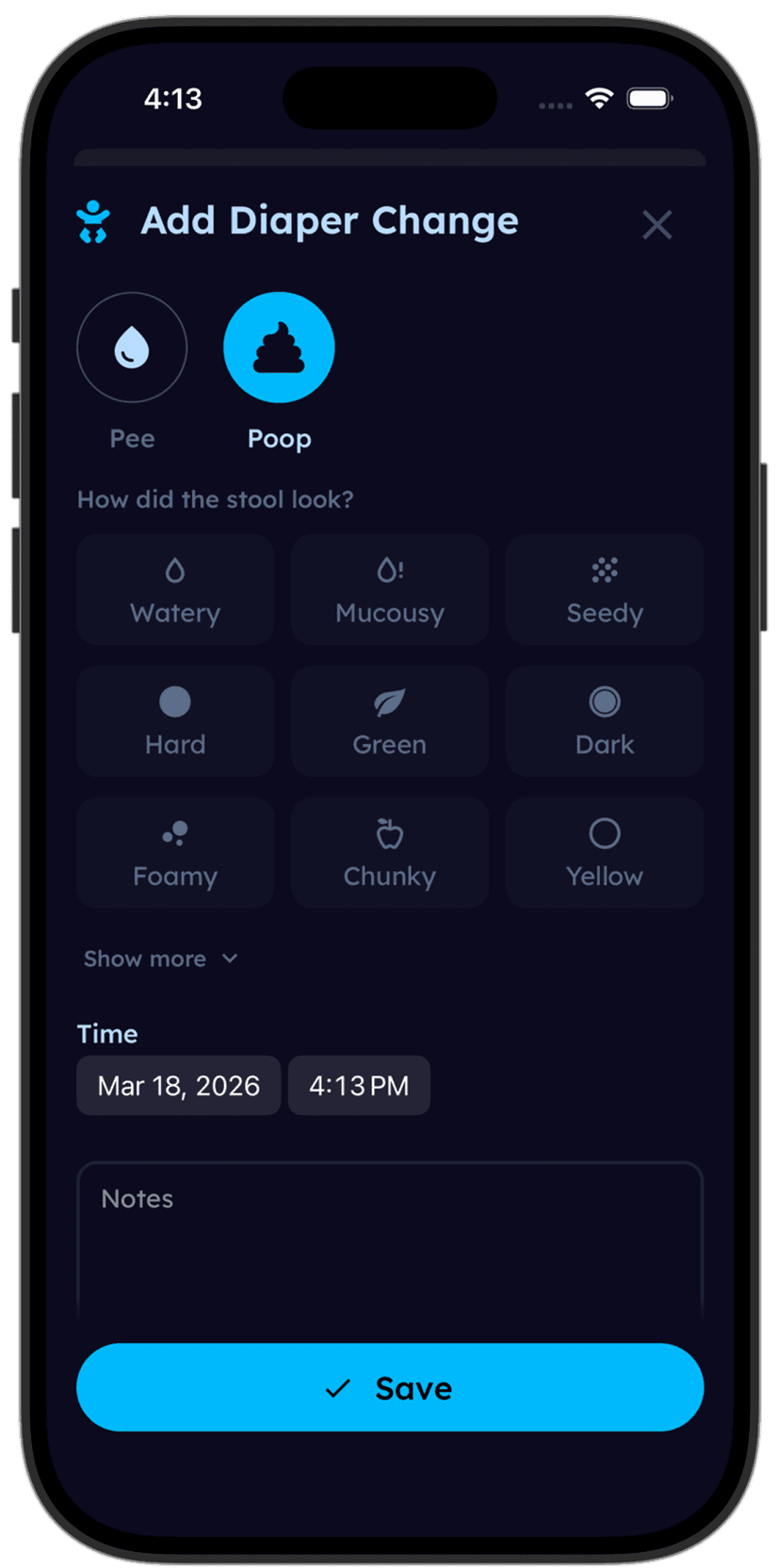
Tinylog tracks outings so you can spot patterns.
Log outings, note what you packed, track feedings and diaper changes on the go. Useful data for pediatrician visits.


Weight: 0.8 Pounds of Difference
The BabbleRoo weighs 1.6 lbs empty. The Indi weighs 2.4 lbs empty. That is a 0.8 lb difference that adds to every loaded bag you carry.
For context: a fully packed diaper bag with diapers, wipes, a changing pad, two bottles, snacks, and a change of clothes can weigh 8–12 lbs. The bag's own weight is a fraction of that.
That said, 0.8 lbs is noticeable over a long day — especially if you are also wearing a carrier or pushing a stroller. The BabbleRoo's lighter construction is a real advantage for parents who are already carrying a lot. The Indi's extra weight is the cost of the neoprene construction that makes it more durable and machine washable.
Neither weight is a dealbreaker. It is a factor worth considering if you have back or shoulder concerns.
| Product | Typical Price | Estimated Cost Per Year | Notes |
|---|---|---|---|
| Dagne Dover Indi Diaper Backpack | ~$215 | ~$54/year (4-year lifespan) | Higher upfront, lower cost-per-use over time if used as an everyday bag post-baby |
| BabbleRoo Diaper Bag Backpack | ~$30–$36 | ~$18–$24/year (1.5–2 year lifespan) | Very low upfront cost. May need replacement after heavy use. Easy to rebuy or upgrade later. |
The Long-Term Value Calculation
The Indi's price looks very different depending on how long you use it.
If you use the Indi for four years — through the diaper phase and then as an everyday work backpack — the cost is roughly $54 per year. If you use the BabbleRoo for 18 months and then replace it, the total spend is $30–$36 with nothing left to show for it.
This is not an argument that expensive is always better. It is an argument that the Indi's premium makes more financial sense if (and only if) you will actually use it beyond the diaper phase. If you want a dedicated diaper bag that you retire when your child is potty trained, the BabbleRoo's total cost of ownership is dramatically lower.
A few honest questions to ask yourself:
- Will you actually use a neoprene backpack as an everyday bag after the baby phase?
- Is $215 an amount that requires you to compromise elsewhere right now?
- Do you tend to keep and maintain gear, or cycle through it?
There is no universal right answer. Both calculations are valid depending on your situation.
Choose the Dagne Dover Indi If
- You want a bag that will still look good and function well years after you stop needing diapers
- Machine washability matters — you want to be able to throw it in the wash after a blowout
- You need a laptop sleeve and want one bag for parenting and work
- The built-in key leash sounds like the small feature that will save your sanity
- You are comfortable spending more upfront for better materials and longer lifespan
Choose the BabbleRoo Diaper Bag Backpack If
- Budget is the primary constraint — $30 is the right price point right now
- You want more pockets and two insulated bottle holders
- A USB charging port is useful for your travel and outing style
- You want stroller straps for easy attachment to your pushchair
- You prefer a lighter empty bag (1.6 lbs vs. 2.4 lbs)
- You are not sure how long you will use a dedicated diaper bag and do not want to overinvest
Where to Buy
The Dagne Dover Indi (~$215) is available directly from Dagne Dover and select retailers. Buying direct gives you the best access to colorways and returns. It is a premium purchase — buy it because you plan to use it for years, not just for the diaper phase.
The BabbleRoo Diaper Bag Backpack (~$30–$36) is an Amazon bestseller available with Prime shipping. At this price, it is easy to buy a backup or replace it if it wears out. Check the listing for current colorway availability and bundle options.
Tinylog earns a small commission on purchases made through these links, at no cost to you.
We've found promo.new handy for finding discounts on baby gear. Doesn't always have what you need, but it's worth a shot.
The Bottom Line
The Dagne Dover Indi and the BabbleRoo are both good diaper bags. They are not equally good — the Indi is better built, more durable, machine washable, and designed to outlast the baby years. The BabbleRoo has more pockets, weighs less, costs far less, and handles everything a diaper bag needs to do for 1–2 years of regular use.
The Dagne Dover Indi is the right choice if materials, longevity, and post-baby utility matter to you and the price is workable.
The BabbleRoo is the right choice if budget is the primary constraint, if you want more pocket options and stroller straps, or if you are not sure how long you will want a dedicated diaper bag.
Most parents do not need a $215 diaper bag. Some parents will use the Indi for a decade and consider it one of their best purchases. Knowing which kind of parent you are is the whole decision.
If you are tracking outings and want to keep a log of where you went, what you packed, and how the day went, Tinylog makes that easy.
Related Guides
- Pampers Swaddlers vs. Huggies Little Snugglers — The two best-selling diapers compared side by side
- Baby Feeding Chart — How much your baby should eat by age
- Baby Diaper Rash — Causes, treatment, and when to call your doctor
Sources
- Dagne Dover. "Indi Diaper Backpack — Product Information." dagnedover.com, 2026.
- BabbleRoo. "Diaper Bag Backpack — Product Information." amazon.com, 2026.
- Babylist. "The Best Diaper Bags of 2026." babylist.com.
- The Bump. "Best Diaper Bags, According to Parents and Experts." thebump.com, 2026.
- WhatToExpect. "The Best Diaper Bags of 2026." whattoexpect.com.
- Lucie's List. "The Best Diaper Bags." lucieslist.com, 2026.
This guide is for informational purposes only. Product prices, availability, and features are subject to change. Always verify current specifications with the manufacturer before purchasing.
Frequently asked questions
- Is the Dagne Dover Indi worth the price?
- For parents who want a bag that holds up to years of daily use, looks good outside the baby context, and stays clean with a quick machine wash, the Indi is worth it. If you primarily need functional storage at low cost, the BabbleRoo delivers most of the utility at a fraction of the price.
- How many pockets does each bag have?
- The BabbleRoo has 18 pockets, compared to 15 on the Dagne Dover Indi. Both include insulated bottle pockets. The BabbleRoo also adds stroller straps and a USB charging port, which the Indi lacks.
- Can the Dagne Dover Indi be used as a regular backpack after the baby years?
- Yes. This is one of the Indi's strongest selling points. The neoprene exterior, laptop sleeve, and minimal branding make it work well as an everyday backpack or work bag well after you no longer need the changing pad.
- Does the BabbleRoo hold up over time?
- Most reviewers report the BabbleRoo holds up reasonably well for 1–2 years of regular use. The polyester construction is not as durable as neoprene, and the zippers and hardware are not built to the same standard. For the price, the value is excellent — but it is unlikely to outlast the Dagne Dover Indi.
- Which bag is easier to clean?
- The Dagne Dover Indi is machine washable, which is a significant practical advantage. The neoprene exterior resists stains and wipes clean easily. The BabbleRoo's polyester construction is spot-clean only; it is not machine washable.
- Do both bags include a changing pad?
- Yes. Both the Dagne Dover Indi and the BabbleRoo Diaper Bag Backpack include a changing pad. The Indi's changing pad is padded and higher quality; the BabbleRoo's is a basic roll-out pad that gets the job done.