
GUIDE
Dr. Brown's Anti-Colic Options+ vs. Lansinoh Anti-Colic Bottles
Published on
Both are excellent anti-colic bottles with proven venting systems. Dr. Brown's offers the most thoroughly studied internal vent system. Lansinoh is simpler to clean, easier on the wallet, and designed specifically for breastfed babies transitioning to a bottle.
Dr. Brown's Natural Flow Anti-Colic Options+ and Lansinoh Anti-Colic Baby Bottles are two of the most recommended bottles for gassy, fussy babies. Both use air-venting technology to reduce colic symptoms, but they take very different engineering approaches. The best pick depends on whether you prioritize maximum vent performance or everyday convenience.
Log bottles, nursing, and spit-up
Two Anti-Colic Bottles, Two Different Philosophies
Dr. Brown's Natural Flow Anti-Colic Options+ and Lansinoh Anti-Colic Baby Bottles both aim to solve the same problem: reducing the air your baby swallows during feeding, which can cause gas, fussiness, and colic symptoms.
But they tackle it differently. Dr. Brown's uses an internal vent system — a series of tubes and reservoirs inside the bottle that channels air away from the milk before it reaches the nipple. It is the most engineered anti-colic system on the market and has published clinical data behind it.
Lansinoh takes a simpler approach with a bottom-vented design and focuses its innovation on the nipple itself. The NaturalWave nipple is designed to encourage the same tongue motion a baby uses at the breast, making it a favorite among lactation consultants for breastfed babies who need a bottle.
Both work. The right choice depends on what matters most to you: maximum air reduction or everyday simplicity.
For more on feeding amounts by age, see our baby feeding chart.
| Feature | Dr. Brown's Options+ | Lansinoh Anti-Colic | What It Means |
|---|---|---|---|
| Manufacturer | Handi-Craft Company | Lansinoh Laboratories | Dr. Brown's is a bottle-focused brand. Lansinoh is best known for breastfeeding products. |
| Anti-colic system | Internal vent system with reservoir tube | Air Ventilation System (AVS) at bottom of bottle | Both reduce air in milk. Dr. Brown's channels air through the bottle; Lansinoh vents at the base. |
| Nipple design | Natural Flow silicone nipple, narrow or wide-neck | NaturalWave silicone nipple, wide-neck only | Lansinoh's NaturalWave is designed to mimic breastfeeding motion. Dr. Brown's offers more shape options. |
| Breastfeeding transition | Good — multiple flow rates available | Excellent — NaturalWave nipple reduces nipple confusion | Lansinoh wins for breast-to-bottle transition. Endorsed by multiple lactation consultants. |
| Number of parts | 5–6 (bottle, vent insert, vent reservoir, nipple, collar, cap) | 4 (bottle, nipple, collar, cap) | Lansinoh is simpler. Fewer parts means faster assembly and less to lose. |
| Ease of cleaning | More effort — small vent parts need a brush | Easy — wide neck, fewer parts, no internal components | Lansinoh is meaningfully easier to clean. This matters at 3 AM. |
| Removable vent | Yes — Options+ line lets you remove the vent | N/A — bottom vent is integrated | Dr. Brown's Options+ grows with your baby. Remove the vent once colic subsides. |
| Material options | Polypropylene plastic or glass | Polypropylene plastic only | Dr. Brown's offers a glass option, which some parents prefer for durability and chemical concerns. |
| Available sizes | 2 oz, 4 oz, 8 oz, 9 oz | 5 oz, 8 oz | Dr. Brown's has more size options, including a preemie-friendly 2 oz size. |
| Flow rate options | Preemie, Level 1, 2, 3, 4, Y-cut | Slow, Medium, Fast | Dr. Brown's offers more granular flow control, including a preemie nipple. |
| BPA/BPS free | Yes | Yes | Tie. Both are free of BPA, BPS, and phthalates. |
| Clinical evidence | Multiple published studies supporting reduced colic symptoms | Clinical research on NaturalWave nipple and latch | Dr. Brown's has more published data on colic reduction specifically. |
The Vent System: Engineering vs. Simplicity
The core difference between these bottles is how they handle air.
Dr. Brown's internal vent system is a two-piece insert that sits inside the bottle. As your baby feeds, air enters through the nipple collar, travels through the vent tube, and exits into the space above the milk — never mixing with what your baby drinks. This creates a positive-pressure, vacuum-free feeding experience. Published studies show it reduces oxidation of nutrients like vitamins C and E and lipids, in addition to reducing air ingestion.
Lansinoh's AVS (Air Ventilation System) uses a valve at the bottom of the bottle to let air in as milk flows out. It is less complex than Dr. Brown's but still effective at preventing vacuum buildup that causes babies to gulp air.
In practice, both systems reduce gas and fussiness for most babies. Dr. Brown's has a slight edge in clinical evidence, but Lansinoh's system is meaningfully easier to live with — fewer parts to clean, assemble, and potentially lose in the dishwasher.
Nipple Design: Why It Matters for Breastfed Babies
If you are breastfeeding and introducing a bottle, the nipple is everything.
Lansinoh's NaturalWave nipple is clinically tested to support the same peristaltic tongue motion babies use during nursing. The flexible, wide base encourages a deep latch similar to the breast. This makes it one of the most recommended bottles among lactation consultants for reducing nipple confusion.
Dr. Brown's offers a solid silicone nipple in both narrow and wide-neck versions, with more flow rate levels (including a preemie option). The Natural Flow nipple works well, but it was not specifically designed to mimic breastfeeding mechanics the way Lansinoh's was.
If breastfeeding is your primary feeding method and the bottle is supplemental, Lansinoh has a real advantage here. If you are primarily bottle-feeding or formula-feeding, Dr. Brown's broader flow rate selection gives you more control over pacing.
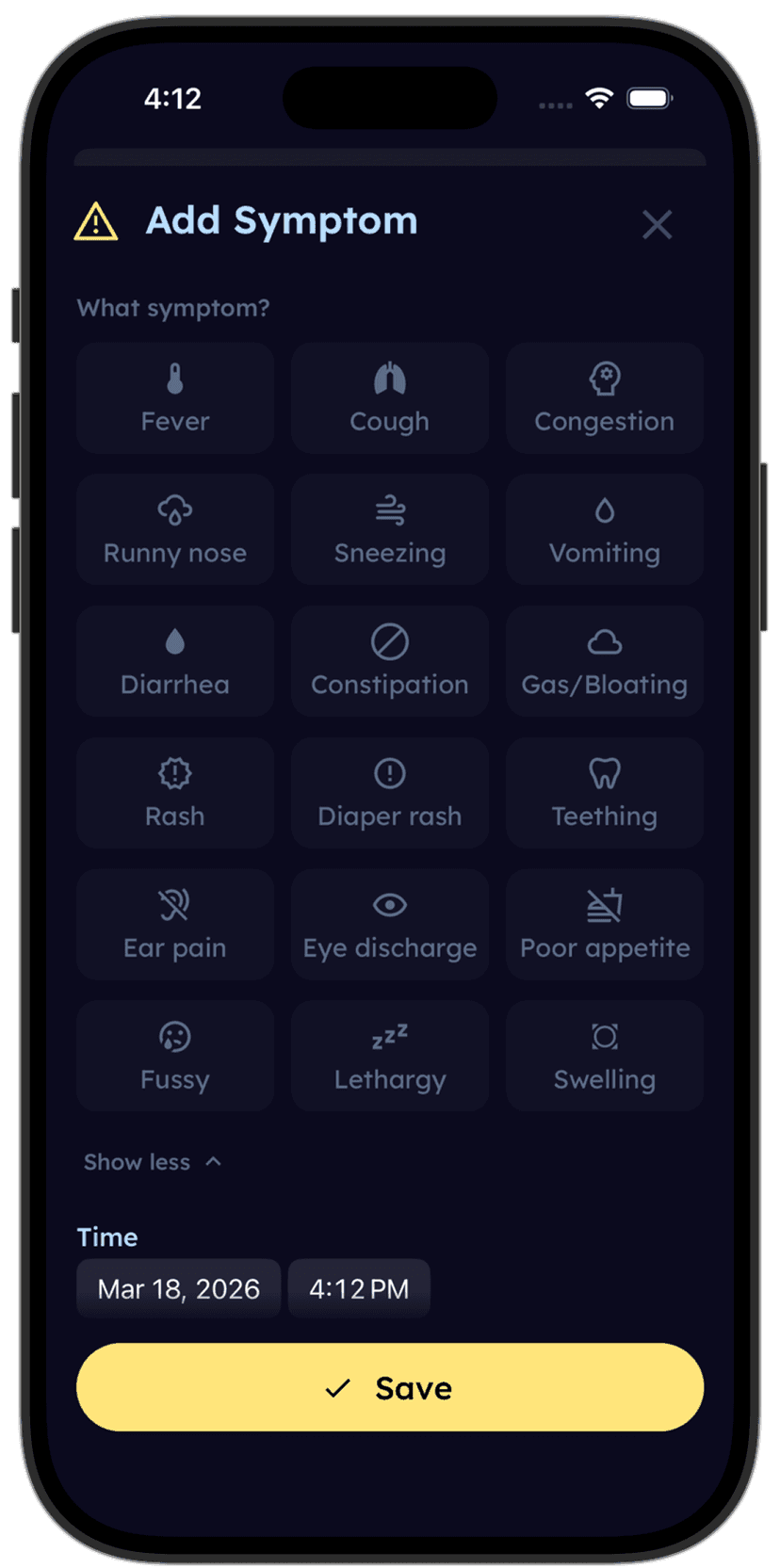
Tinylog tracks feedings so you can spot patterns.
Log bottle feeds, nursing sessions, spit-up, and gas. Track intake over days and weeks. Bring the data to your next pediatrician visit.


Cleaning: The Unsexy Factor That Matters Most
Here is the thing nobody tells you before your baby arrives: you will wash bottles constantly. Multiple times a day. Sometimes at 2 AM with one hand while holding a screaming infant.
Lansinoh has four parts. Wide neck. No internal components. You can see inside the entire bottle. Cleaning takes seconds.
Dr. Brown's has five to six parts depending on the configuration. The internal vent system includes small pieces that need a dedicated brush. Milk residue can build up inside the vent tube if you do not clean it thoroughly. The parts are small enough to fall through dishwasher racks.
This is not a minor difference. Over the hundreds of bottles you will wash in the first year, Lansinoh's simplicity adds up to a meaningful quality-of-life advantage. Dr. Brown's partially addresses this with the Options+ line — once your baby outgrows the colic phase (usually around 4 months), you can remove the vent entirely and it functions like a regular bottle.
| Product | Typical Price | Cost Per Bottle | Replacement Nipples |
|---|---|---|---|
| Dr. Brown's Options+ Wide-Neck (3-pack, 5 oz) | $17–$22 | ~$5.70–$7.30 | ~$5–$7 (2-pack) |
| Lansinoh Anti-Colic (3-pack, 5 oz) | $14–$18 | ~$4.70–$6.00 | ~$5–$7 (2-pack) |
| Dr. Brown's Options+ Wide-Neck (3-pack, 9 oz) | $19–$25 | ~$6.30–$8.30 | ~$5–$7 (2-pack) |
| Lansinoh Anti-Colic (3-pack, 8 oz) | $16–$20 | ~$5.30–$6.70 | ~$5–$7 (2-pack) |
Price: Lansinoh Wins on Value
Lansinoh bottles are consistently 20–30% less expensive than Dr. Brown's Options+. For a full bottle set of six bottles, you will save roughly $8–$15 going with Lansinoh.
Replacement nipples are similarly priced for both brands, so the ongoing cost difference is mainly in the initial bottle purchase. Neither brand is expensive in absolute terms — we are talking about a total investment of $30–$60 for a full set of bottles that will last the entire first year.
A few ways to save on either brand:
- Buy starter sets. Both brands sell multi-packs that are cheaper per bottle than buying individually.
- Watch for registry completion discounts. Amazon, Target, and BuyBuyBaby offer 10–15% off remaining registry items.
- Replace nipples, not bottles. Bottles last a long time. You only need to replace nipples every few months as your baby moves to faster flow rates.
Choose Dr. Brown's Options+ If
- Your baby has significant colic, gas, or spit-up and you want the most studied vent system
- You want a glass bottle option
- You need a preemie-sized bottle or preemie-flow nipple
- You prefer more flow rate options to control pacing
- You want to remove the vent later and use the same bottles as your baby grows
Choose Lansinoh Anti-Colic If
- You are transitioning a breastfed baby to bottle feeding and want to reduce nipple confusion
- You want fewer parts to wash and assemble — especially during overnight feeds
- Your baby latches better on a wide, flexible nipple that mimics the breast
- You want a reliable anti-colic bottle at a lower price point
- Simplicity matters more to you than maximum vent customization
- Your lactation consultant recommended the NaturalWave nipple
Where to Buy
If colic reduction is your top priority, the Dr. Brown's Natural Flow Anti-Colic Options+ (~$6–$7 per bottle in a multi-pack) offers the most clinically studied internal vent system on the market. The Options+ design means you can remove the vent later, making these bottles a solid long-term investment. The wide-neck version is easier to fill and clean than the narrow-neck.
If you are breastfeeding and need a bottle your baby will actually accept, the Lansinoh Anti-Colic Baby Bottles (~$5–$6 per bottle in a multi-pack) with the NaturalWave nipple are hard to beat. Fewer parts, easier cleaning, lower price, and a nipple designed specifically for breast-to-bottle transition. Many parents find these are the only bottles their breastfed baby will take.
Our honest advice: if you can, buy a single bottle of each before committing to a full set. Babies are picky, and the "best" bottle is whichever one your baby will drink from without fussing.
Tinylog earns a small commission on purchases made through these links, at no cost to you.
We've found promo.new handy for finding discounts on baby gear. Doesn't always have what you need, but it's worth a shot.
The Bottom Line
Both Dr. Brown's Natural Flow Anti-Colic Options+ and Lansinoh Anti-Colic Baby Bottles are well-designed, effective anti-colic bottles. The differences are real but come down to priorities:
Dr. Brown's Options+ wins on maximum air reduction, clinical evidence, glass bottle availability, preemie options, and granular flow control. It is the heavier-duty anti-colic solution.
Lansinoh Anti-Colic wins on breastfeeding transition, ease of cleaning, simplicity of design, and price. It is the more practical everyday bottle for most families.
For a severely colicky baby, Dr. Brown's internal vent system gives you the strongest anti-colic engineering available. For a breastfed baby who needs a bottle that mimics nursing — or for parents who value simplicity — Lansinoh is the smarter pick.
If you are tracking feeds — which is especially useful in the early weeks to ensure your baby is eating enough — Tinylog makes it easy to log bottles and spot patterns over time.
Related Guides
- Baby Feeding Chart — How much your baby should eat by age
- Baby Spit-Up — What's normal and when to worry
- Baby Gas — Causes, relief, and when to call your doctor
- Breastfeeding Basics — Getting started and troubleshooting common issues
Sources
- Dr. Brown's. "How the Internal Vent System Works." drbrownsbaby.com, 2026.
- Lansinoh. "NaturalWave Nipple — Clinical Research." lansinoh.com, 2026.
- Journal of Human Lactation. "Effect of Bottle Design on Formula Intake and Feeding Behaviors." 2020.
- Journal of Pediatric Gastroenterology and Nutrition. "Anti-Colic Bottle Systems and Infant Gas Reduction." 2019.
- BabyGearLab. "Best Baby Bottles of 2026." babygearlab.com, 2026.
- What to Expect. "Best Anti-Colic Bottles for Gassy Babies." whattoexpect.com, 2026.
- Consumer Reports. "Best Baby Bottles From Our Tests." consumerreports.org, 2026.
This guide is for informational purposes only. Bottle choice is a personal preference based on your baby's individual needs. If your baby has persistent colic, excessive gas, or feeding difficulties, consult your pediatrician.
Frequently asked questions
- Do Dr. Brown's bottles really reduce colic?
- Clinical studies have shown that Dr. Brown's internal vent system reduces air ingestion during feeding, which can decrease colic symptoms like gas, spit-up, and fussiness. The vent system channels air away from the milk so your baby swallows less of it. Results vary by baby, but multiple pediatric studies support the design.
- Are Lansinoh bottles good for breastfed babies?
- Lansinoh bottles are specifically designed for breastfed babies. The NaturalWave nipple uses a flexible shape that encourages the same wave-like tongue motion babies use during nursing. Many lactation consultants recommend them to reduce nipple confusion when switching between breast and bottle.
- Which bottle is easier to clean — Dr. Brown's or Lansinoh?
- Lansinoh is significantly easier to clean. It has only four parts (bottle, nipple, collar, cap). Dr. Brown's Options+ has up to six parts including the internal vent system, reservoir, and travel disk. You can remove the vent from Dr. Brown's Options+ once your baby is older, which simplifies cleaning.
- Can you use Dr. Brown's bottles without the vent system?
- Yes. The Options+ line is specifically designed so you can remove the internal vent system once your baby is around 4 months old and colic symptoms typically improve. Without the vent, Dr. Brown's functions like a standard bottle and is easier to clean.
- Which anti-colic bottle is cheaper?
- Lansinoh bottles are generally 20–30% less expensive than Dr. Brown's. A three-pack of Lansinoh 5 oz bottles typically runs $14–$18, while a comparable Dr. Brown's three-pack costs $17–$22. Replacement nipples are similarly priced for both brands.
- Are these bottles dishwasher safe?
- Yes, both Dr. Brown's Options+ and Lansinoh Anti-Colic bottles are dishwasher safe on the top rack. However, the small vent parts in Dr. Brown's can fall through dishwasher racks, so a dishwasher basket is recommended.