
GUIDE
Dr. Brown's Anti-Colic Options+ vs. NUK Simply Natural Glass Bottles
Published on
Both are excellent bottles with distinct strengths. Dr. Brown's excels at reducing colic and gas with its internal vent system. NUK Simply Natural offers a more breast-like nipple shape in durable glass. Your baby's latch preference will likely be the deciding factor.
Dr. Brown's Natural Flow Anti-Colic Options+ and NUK Simply Natural Glass Bottles represent two different philosophies in bottle design. Dr. Brown's prioritizes air management with a patented internal venting system. NUK prioritizes a natural latch with its orthodontic nipple shape. Both are well-loved by parents, and both have genuine trade-offs worth understanding before you stock your cabinet.
Log bottles, amounts, and spit-up
Two Different Approaches to the Same Problem
Dr. Brown's Natural Flow Anti-Colic Options+ and NUK Simply Natural Glass Bottles solve the same basic problem — getting milk into your baby — but they do it in fundamentally different ways.
Dr. Brown's built its reputation on air management. The patented internal vent system channels air through a tube inside the bottle so it never mixes with the milk your baby drinks. Less air in the milk means less gas in your baby's belly. For babies with colic or reflux, this can make a real difference.
NUK took a different path, focusing on material purity and natural latch. The borosilicate glass body eliminates concerns about chemical leaching from plastic. The orthodontic nipple is shaped to mimic the breast, which can help babies who switch between nursing and bottle-feeding.
Neither approach is wrong. They just prioritize different things. The right bottle depends on what matters most for your baby and your daily routine.
For guidance on how much to put in those bottles, see our baby feeding chart.
| Feature | Dr. Brown's Options+ | NUK Simply Natural Glass | What It Means |
|---|---|---|---|
| Manufacturer | Handi-Craft Company | NUK (Newell Brands) | Both are established, trusted baby product manufacturers with decades of history. |
| Bottle material | Polypropylene plastic (BPA-free) | Borosilicate glass (BPA-free) | NUK wins on material purity. Glass has no chemical leaching risk. Dr. Brown's plastic is lighter and shatterproof. |
| Anti-colic system | Patented internal vent system with reservoir tube | Built-in anti-colic air system in nipple | Dr. Brown's has the more effective anti-colic design. The internal vent fully separates air from milk. |
| Nipple shape | Traditional round, narrow profile | Orthodontic, wide, asymmetric shape | NUK's nipple is designed to mimic the breast. Some breastfed babies transition to it more easily. |
| Flow rates available | Preemie, Level 1–4, Y-cut | Slow, Medium, Fast | Dr. Brown's offers more flow options, including a preemie nipple for NICU babies. |
| Number of parts | 5 (bottle, collar, nipple, vent insert, reservoir tube) | 3 (bottle, collar, nipple) | NUK wins on simplicity. Fewer parts means faster assembly and less to clean. |
| Cleaning difficulty | More involved — vent and tube need separate brushing | Simple — wide neck, fewer parts, glass doesn't stain | NUK is meaningfully easier to clean. This is the most common complaint about Dr. Brown's. |
| Weight | Light (~3 oz empty for 8 oz bottle) | Heavier (~7 oz empty for 8 oz bottle) | Dr. Brown's is significantly lighter. Glass bottles add weight, which matters during long feeds. |
| Durability | Durable plastic, won't shatter | Borosilicate glass — heat/cold resistant but can break on hard surfaces | Dr. Brown's wins for drop-proofing. NUK's silicone sleeve helps, but glass is glass. |
| Sizes available | 2 oz, 4 oz, 8 oz, 9 oz | 4 oz, 8 oz | Dr. Brown's has more size options, including a small 2 oz for newborns and NICU use. |
| Dishwasher safe | Yes (top rack) | Yes (all parts) | Both are dishwasher safe. Glass holds up better to repeated dishwasher cycles without clouding. |
The Vent System: Dr. Brown's Signature Feature
The internal vent system is the single biggest reason parents choose Dr. Brown's. Here is how it works:
A thin tube runs down the center of the bottle. As your baby sucks, milk flows through the nipple while air is channeled down through the vent tube and into the back of the bottle. The air and milk never mix. This creates a vacuum-free feeding experience that closely mimics breastfeeding pressure.
The result: milk flows smoothly without collapsing the nipple, and your baby swallows significantly less air. Independent studies have shown reduced colic symptoms in babies using vented bottles compared to non-vented designs.
The trade-off is real, though. That vent system adds two extra parts to every bottle — a vent insert and a reservoir tube. Both need to be disassembled, brushed, and dried after every use. When you are washing bottles six or eight times a day, those extra steps add up. The "Options+" design lets you remove the vent once your baby outgrows the colicky phase, which is a welcome improvement over the original Dr. Brown's design.
Glass vs. Plastic: More Than a Material Choice
The material question goes beyond durability. It touches on health concerns, environmental impact, and daily practicality.
NUK's borosilicate glass is the same type of glass used in laboratory equipment. It handles temperature changes without cracking, does not absorb odors or stains, and will never leach chemicals into your baby's milk — even when heated. Glass bottles also stay clear and clean-looking for years. Many parents pass them down to second and third children.
Dr. Brown's polypropylene plastic is BPA-free and meets all safety standards. It is dramatically lighter than glass — roughly half the weight — which matters when you are holding a bottle for a 30-minute feeding at 3 AM. Plastic will not shatter if your baby knocks it off the high chair tray.
The practical reality: most parents who choose glass bottles use them during the newborn months when they are doing all the holding. As babies grow and start reaching for their own bottles, many families transition to plastic or silicone for safety reasons.
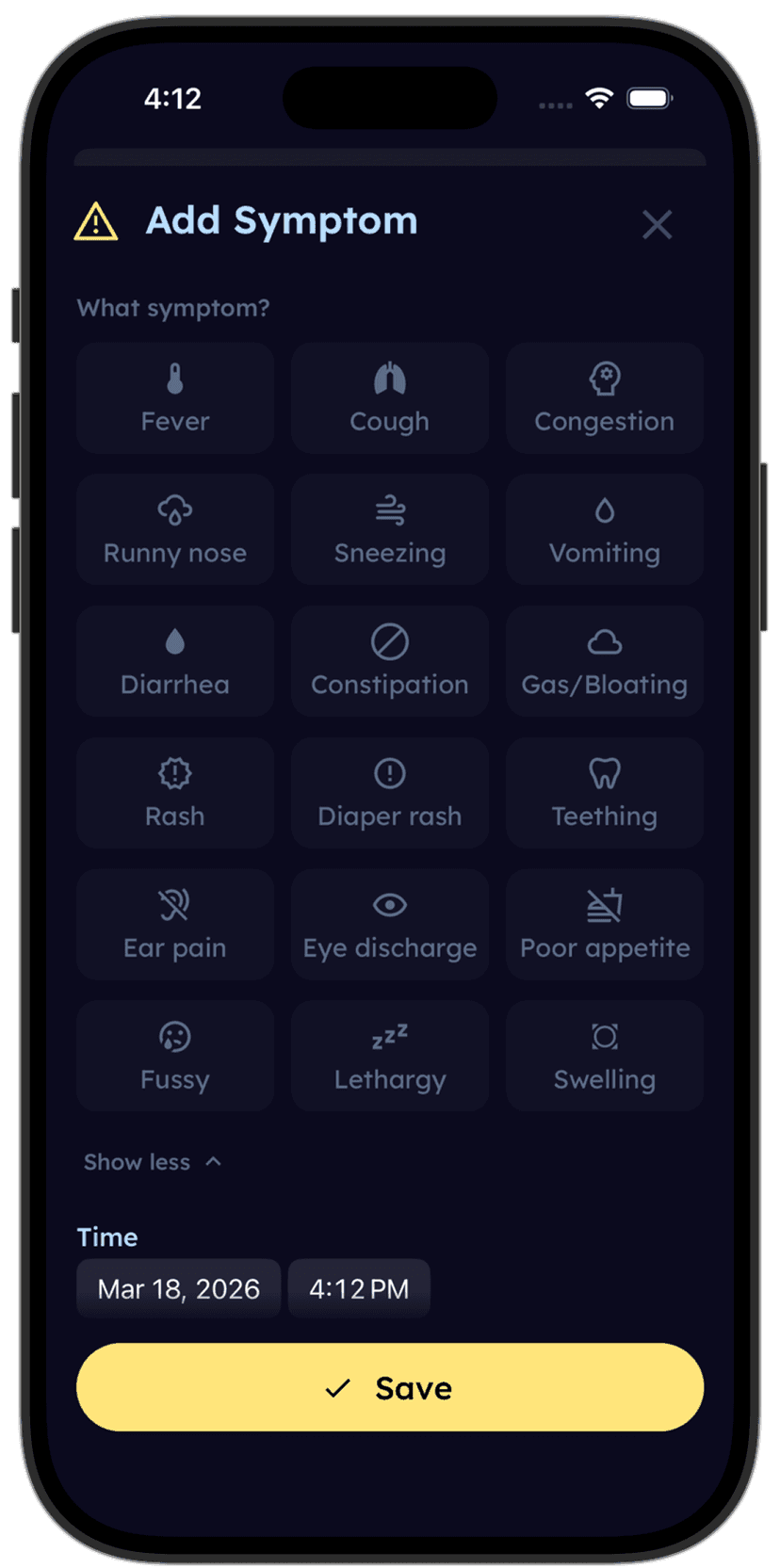
Tinylog tracks bottles so you can spot feeding patterns.
Log bottle feeds, amounts, and timing. Note spit-up and gas. Track intake over days and weeks. Bring the data to your next pediatrician visit.


Nipple Design and Latch
The nipple shape can make or break a bottle for your baby, and these two bottles take very different approaches.
Dr. Brown's uses a traditional round, narrow nipple. It is straightforward and works well for many babies, but the narrow base means the latch is quite different from breastfeeding. Some breastfed babies refuse it; others take it without hesitation. Dr. Brown's offers the widest range of flow rates — from preemie through Y-cut — which gives you more control as your baby grows.
NUK Simply Natural features an orthodontic, wide-based nipple with an asymmetric shape designed to fit the roof of your baby's mouth. The wider base encourages a latch that is closer to how babies latch onto the breast. NUK offers three flow rates (slow, medium, fast), which is fewer options but covers most needs.
The honest truth about nipple preference: your baby decides. You can read every review and comparison in the world, but some babies will latch onto one nipple and refuse the other for reasons that have nothing to do with design specs. Buy one of each before committing to a full set.
| Product | Typical Price | Cost Per Bottle | Notes |
|---|---|---|---|
| Dr. Brown's Options+ 8 oz (3-pack) | $16–$20 | ~$5.50–$6.70 | Plastic. Includes vent system and Level 1 nipples. |
| NUK Simply Natural Glass 8 oz (1-pack) | $12–$15 | ~$12–$15 | Glass with silicone sleeve. Includes slow-flow nipple. |
| Dr. Brown's Options+ 4 oz (4-pack) | $18–$22 | ~$4.50–$5.50 | Starter size for newborns. Great for building a rotation. |
| NUK Simply Natural Glass 4 oz (1-pack) | $10–$13 | ~$10–$13 | Glass with silicone sleeve. Slower flow for younger babies. |
Price: Glass Costs More Upfront
Dr. Brown's Options+ bottles cost roughly $5–$7 per bottle when bought in multi-packs. NUK Simply Natural Glass bottles run $10–$15 each, typically sold individually.
That is a meaningful price difference when you need 4–8 bottles in rotation. A full set of Dr. Brown's will cost $20–$45. A full set of NUK glass bottles will cost $40–$90.
However, glass bottles last longer. They do not cloud, stain, warp, or absorb odors. If you plan to have more than one child, glass bottles can be reused for years — nipples aside, which need replacing every 2–3 months regardless of brand.
Factor in replacement nipples for both brands at roughly $4–$8 per pack, and the ongoing cost evens out somewhat. But Dr. Brown's also requires replacement vent inserts over time, which adds a few dollars.
The bottom line on cost: Dr. Brown's is the budget-friendly option. NUK glass is an investment that pays off over time if you reuse the bottles.
Choose Dr. Brown's Options+ If
- Your baby has colic, excessive gas, or significant spit-up issues
- You want the most clinically tested anti-colic venting system available
- You need a lightweight bottle that's easy to hold during long feeds
- Your baby is in the NICU or was born premature (preemie nipple available)
- You don't mind the extra cleaning steps for better air management
- You want a shatterproof option that survives drops
Choose NUK Simply Natural Glass If
- You want to avoid plastic entirely and prefer glass for chemical-free feeding
- Easy cleaning with fewer parts is a top priority for you
- Your baby is transitioning between breast and bottle (orthodontic nipple shape)
- You prefer a wide-neck bottle that's simple to fill and wash
- You want a bottle that won't stain, cloud, or retain odors over time
- You are comfortable with the extra weight and careful handling glass requires
Where to Buy
If gas and colic are your primary concern, the Dr. Brown's Natural Flow Anti-Colic Options+ (~$5.50/bottle in a 3-pack) is the gold standard for vented bottle feeding. The internal vent system is clinically backed, the price is accessible, and the Options+ design lets you remove the vent when your baby outgrows it. Grab the 4 oz 4-pack to start, then add 8 oz bottles as your baby's intake grows.
If chemical-free materials and easy cleaning matter most, the NUK Simply Natural Glass Bottles (~$12–$15/bottle) are a premium choice with real benefits. Borosilicate glass, orthodontic nipple, and only three parts to wash. They are heavier and pricier, but they will last through multiple children without degrading.
Our honest advice: if your baby is colicky or gassy, start with Dr. Brown's. If your baby feeds well and you want the cleanest possible materials, go with NUK glass. And if you are unsure, buy one of each — your baby will tell you which one wins.
Tinylog earns a small commission on purchases made through these links, at no cost to you.
Before you buy, it's worth checking promo.new for a deal. It doesn't cover everything, but we've had good luck with it.
The Bottom Line
Dr. Brown's Natural Flow Anti-Colic Options+ and NUK Simply Natural Glass Bottles are both quality bottles that parents trust. The differences are meaningful:
Dr. Brown's Options+ is the better choice for babies with gas, colic, or reflux. The internal vent system is the most effective anti-colic design on the market. It is lighter, cheaper, and comes in more sizes. The downside is more parts to clean.
NUK Simply Natural Glass is the better choice for parents who prioritize chemical-free materials, easy cleaning, and a breast-like nipple shape. Glass does not leach, stain, or degrade. The trade-offs are higher cost and heavier weight.
For most families, the deciding factors will be whether your baby has colic symptoms (lean Dr. Brown's) or whether material purity and cleaning simplicity are your top priorities (lean NUK). Either way, you are making a good choice.
If you are tracking bottle feeds — which is helpful for monitoring intake and spotting feeding patterns — Tinylog makes it simple to log amounts, timing, and any spit-up or gas issues.
Related Guides
- Baby Feeding Chart — How much your baby should eat by age
- Baby Spitting Up — What is normal and when to worry
- Colic in Babies — Causes, soothing strategies, and when it ends
- Breastfeeding and Bottle Feeding — How to combine both successfully
Sources
- Dr. Brown's. "Natural Flow Anti-Colic Options+ Wide-Neck Bottle — Product Information." drbrownsbaby.com, 2026.
- NUK USA. "Simply Natural Glass Bottles — Product Information." nukusa.com, 2026.
- Journal of Pediatric Gastroenterology and Nutrition. "Effect of Vented Bottles on Infant Colic Symptoms." 2023.
- BabyGearLab. "Best Baby Bottles of 2026 — Expert Tested." babygearlab.com, 2026.
- Consumer Reports. "Best Baby Bottles From Our Tests." consumerreports.org, 2026.
- Mommyhood101. "The Best Baby Bottles of 2026, Tested & Reviewed." mommyhood101.com.
- American Academy of Pediatrics. "Bottle Feeding Basics." healthychildren.org, 2025.
This guide is for informational purposes only. Bottle choice is a personal preference based on your baby's individual needs. If your baby has persistent colic, reflux, or feeding difficulties, consult your pediatrician.
Frequently asked questions
- Do Dr. Brown's bottles actually reduce colic?
- Dr. Brown's internal vent system is clinically shown to reduce air ingestion during feeding. Less swallowed air means less gas and fussiness. Many parents of colicky babies report significant improvement after switching to Dr. Brown's, though results vary by baby. The vent system works by channeling air through an internal tube so it never mixes with the milk.
- Are NUK Simply Natural bottles made of real glass?
- Yes. NUK Simply Natural Glass Bottles are made of heat-resistant borosilicate glass, which is more durable and thermal-shock resistant than standard glass. They can go from freezer to warm water without cracking. The glass is free of BPA, PVC, and other chemicals that some parents worry about with plastic bottles.
- Which bottle is easier to clean?
- NUK Simply Natural bottles are significantly easier to clean. They have fewer parts — just the bottle, nipple, and collar. Dr. Brown's bottles include an internal vent insert and reservoir tube that must be disassembled and cleaned separately. Many parents cite the extra cleaning as the biggest downside of Dr. Brown's.
- Can I switch between breastfeeding and these bottles?
- Both bottles are designed to support combination feeding. NUK's orthodontic nipple mimics the breast shape and may make the transition smoother for some babies. Dr. Brown's uses a more traditional round nipple shape. That said, nipple preference is highly individual — some breastfed babies take one and refuse the other regardless of design claims.
- Are glass bottles safe if my baby drops them?
- NUK Simply Natural Glass Bottles are made of borosilicate glass, which is more shatter-resistant than regular glass but not unbreakable. They come with a silicone sleeve for added grip and drop protection. Most parents use glass bottles primarily during the newborn stage when they are doing the holding themselves, then transition to plastic or silicone once baby starts self-feeding.
- Can I remove the vent system from Dr. Brown's Options+ bottles?
- Yes — that is what the 'Options+' means. As your baby grows and develops better feeding coordination, you can remove the internal vent system and use the bottle like a standard bottle. This also makes cleaning easier once your baby no longer needs the anti-colic benefits.