
GUIDE
Frida Baby Get-A-Grip vs. Nuby Nananubs Banana Teether
Published on
Both are affordable, effective silicone teethers. Frida Baby Get-A-Grip wins on compact grip design for younger babies and dishwasher-safe durability. Nuby Nananubs Banana wins on reach to back molars, fun banana shape babies love to hold, and even lower price. Either is a solid pick.
The Frida Baby Get-A-Grip and the Nuby Nananubs Banana are two of the most popular budget-friendly teethers on the market. Both are made from food-grade silicone, both are BPA-free, and both give sore gums something satisfying to gnaw on. The differences come down to shape, how much of the mouth they reach, and which one your baby can actually hold on their own.
Log feeds, sleep, and soothing
Two Budget Teethers — Same Material, Different Game Plans
The Frida Baby Get-A-Grip and the Nuby Nananubs Banana Teether both cost less than a large coffee, are made from the same type of food-grade silicone, and will end up drenched in drool within seconds. But they take genuinely different approaches to helping a teething baby feel better — and those differences matter more than you might expect.
Frida Baby Get-A-Grip is the compact, no-frills option. It was designed around one question: can a baby actually hold this thing without help? The answer is yes, even for very young babies. Multiple grab points, textured nubs, and a chunky shape that fits naturally in a small fist. It's built for front-gum relief and easy one-handed soothing.
Nuby Nananubs Banana takes a totally different approach. The banana shape is longer, reaching past the front gums to the rear gum line where molars eventually come through. The "peeled banana" wings at the base act as handles and a safety stop, preventing the teether from going too far into the mouth. And yes — it looks like a tiny banana, which babies and Instagram both love.
The short version: Frida is the grab-and-gnaw teether for younger babies and front gums. Nuby is the reach-the-back-gums teether for babies who are a bit older and cutting teeth further in. Both get the job done.
| Feature | Frida Baby Get-A-Grip | Nuby Nananubs Banana | What It Means |
|---|---|---|---|
| Manufacturer | Frida Baby (USA) | Nuby (USA) | Both are well-known baby brands. Frida Baby is known for practical, no-fuss infant products. Nuby has been making teethers and feeding accessories for over 45 years. |
| Material | 100% food-grade silicone | 100% food-grade silicone | Tie. Both are BPA-free, PVC-free, phthalate-free silicone. Neither contains latex or natural rubber. |
| Recommended age | 0+ months | 3+ months | Frida can be introduced earlier. Nuby's longer shape works best once babies have enough grip to guide it to their mouth. |
| Shape and design | Compact, rounded shape with multiple nubs and grab points | Banana shape with a peeled-peel handle and bristle-like nub tips | Very different designs. Frida is compact for easy holding. Nuby's banana is longer, reaching further back in the mouth. |
| Grip design | Multiple contoured grab points sized for small hands | Banana peel "wings" act as handles and prevent the teether from going too far into the mouth | Frida is easier for younger babies to hold. Nuby's peel handles are intuitive for babies 4+ months and double as a safety stop. |
| Gum relief area | Front gums primarily — nubs and ridges across compact surface | Front and back gums — bristle tips reach molars; textured base for front gums | Nuby covers more territory. The banana tip reaches rear gums where molars emerge, which is a meaningful advantage during later teething stages. |
| Cleaning | Dishwasher safe (top rack), boil-safe | Dishwasher safe (top rack), boil-safe | Tie. Both are easy to sterilize with no hollow parts that trap moisture. |
| Durability | Holds up well to months of chewing and repeated sterilization | Soft bristle nubs may flatten with heavy chewing over time | Frida's solid nubs are slightly more durable. Nuby's thinner bristle tips can wear down faster with aggressive chewers. |
| Portability | Compact — fits easily in a diaper bag or pocket | Longer shape — fits in a diaper bag but takes up more room | Frida is easier to toss in a bag. Nuby's banana shape is bulkier but often comes with a hygienic carry case. |
| Fun factor | Functional design — babies don't care what it looks like | Banana shape makes babies look like they're eating a tiny banana | Nuby wins the cute-photo contest. Parents and grandparents love the banana look. Babies just want something to chew on. |
| Safety features | Solid silicone, no small parts, no choking hazards | Banana peel wings act as a shield to prevent the teether from going too far into the throat | Both are safe. Nuby's built-in peel shield is a nice touch for parents who worry about gagging. |
| Price | ~$8–$12 | ~$5–$8 | Both are budget-friendly. Nuby is slightly cheaper and frequently found in multi-packs. |
Shape: Compact Grip vs. Banana Reach
Shape is the most important difference between these two teethers, and it directly affects which one works better for your baby.
Frida Baby Get-A-Grip is deliberately compact. The entire teether fits within a baby's hand span, with nubs and ridged edges around the surface. This means a baby can grab any part of it and start chewing immediately — there's no "wrong" way to hold it. For babies under 4 months who are still figuring out how their hands work, this is a genuine advantage.
Nuby Nananubs Banana is about twice as long as the Frida. The banana "fruit" portion is covered in soft, flexible bristle-like nubs that massage gums as the baby chews. Because of the length, those nubs reach the rear gum line — right where the first molars push through around 10-16 months. The peeled-peel wings at the base give babies a natural place to grip and also prevent the teether from going too deep.
What this means in practice: if your baby is 3 months old and just discovering that chewing on things feels good, the Frida is probably easier for them to use independently. If your baby is 6+ months old and gnawing on everything in sight because those back gums are swelling up, the Nuby's reach is a real advantage.
Many parents end up owning both — using the Frida in the early months and switching to the Nuby once teething gets serious further back in the mouth.
Gum Relief: Nubs vs. Bristles
Both teethers use textured surfaces to massage sore gums, but the textures feel different in a baby's mouth.
Frida's nubs are solid, rounded bumps and ridges molded into the silicone surface. They provide firm counter-pressure when a baby bites down — the kind of pressure that feels good on swollen front gums. Think of it like a firm massage.
Nuby's bristles are thinner, more flexible protrusions that bend and flex when chewed on. They create a gentler, tickling-style stimulation that covers more surface area with each bite. Parents often describe it as a "massaging toothbrush" feeling. For babies who are sensitive and don't like firm pressure, Nuby's softer bristles can be more soothing.
The tradeoff: Nuby's thinner bristles may flatten over time with an aggressive chewer, while Frida's solid nubs hold their shape longer. If your baby is a gentle gnawer, both will last. If your baby attacks teethers with the intensity of a golden retriever with a chew toy, Frida's sturdier texture may hold up better.
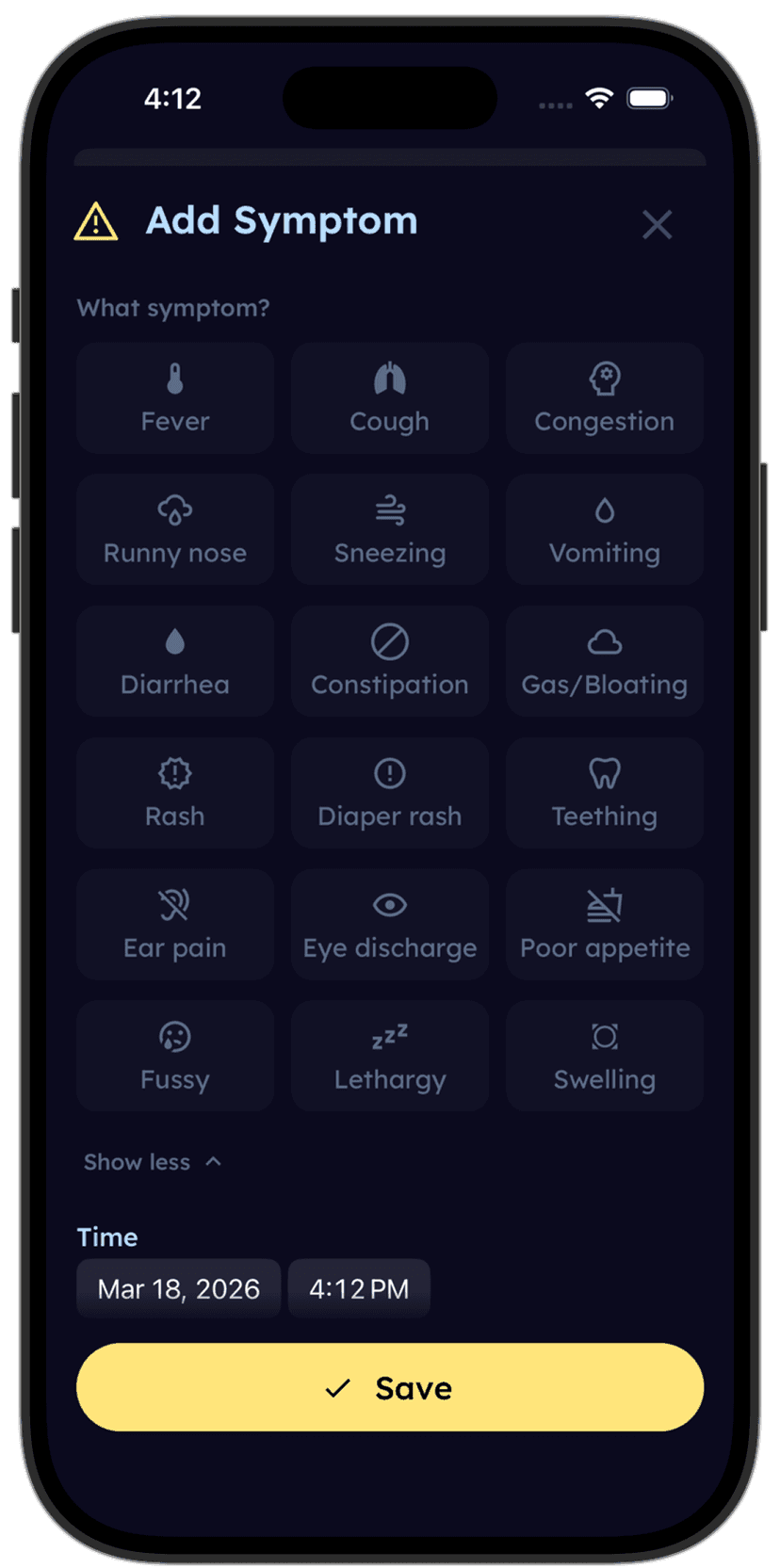
Tinylog tracks feedings so you can spot patterns.
Log feedings, note fussiness and drool days, and see whether teething is affecting your baby's appetite or sleep. Bring the data to your next pediatrician visit.


Safety: Both Are Solid, But Nuby Has a Bonus Feature
Both teethers are made from food-grade silicone that meets CPSC and ASTM F963 safety standards. Both are free of BPA, PVC, phthalates, and latex. Both are solid — no hollow cavities where water or mold can hide. On the safety basics, they're identical.
Where Nuby gets a small edge: the banana peel wings at the base of the teether function as a built-in safety shield. They prevent the banana portion from going too far into a baby's mouth, reducing the chance of gagging. This is not a choking concern with either product — both are too large to be choking hazards — but the gagging shield gives some parents extra peace of mind, especially with babies who enthusiastically shove things as far back as possible.
Frida's compact design naturally limits how far it can go into a baby's mouth simply because there's no long portion to push back. So both manage this issue, just through different design choices.
The key safety rule for both: inspect the teether before each use. If you see any tears, cracks, or pieces coming loose, replace it immediately. Silicone is durable, but nothing lasts forever when a baby chews on it for months.
| Product | Typical Price | Cost Per Unit | Notes |
|---|---|---|---|
| Frida Baby Get-A-Grip Silicone Teether | $8–$12 | $8–$12 | Food-grade silicone; compact grip; dishwasher safe |
| Nuby Nananubs Banana Teether (single) | $5–$8 | $5–$8 | Banana shape; bristle nubs; reaches back gums; often available in 2-packs |
| Nuby Nananubs Banana Teether (2-pack) | $8–$12 | $4–$6 each | Best value — one for home, one for the diaper bag |
Price: Both Are Budget-Friendly, But Nuby Edges Lower
Neither of these teethers will strain your wallet — and that's part of why both are so popular.
Frida Baby Get-A-Grip runs $8 to $12 depending on the retailer. That's already on the affordable end for a quality teether, and the durability means you won't likely need a replacement during the teething phase.
Nuby Nananubs Banana runs $5 to $8 for a single teether and is frequently sold in 2-packs for $8 to $12. At that price, you can have one at home, one in the diaper bag, and one at grandma's house without spending more than the cost of a single Frida.
The value play: if you want the cheapest quality teether per unit, Nuby in a multi-pack is hard to beat. If you're buying one teether and want maximum durability for the dollar, Frida's sturdier construction may last longer with heavy chewers. Either way, you're spending less than $12 — a fraction of what premium teethers cost.
Choose the Frida Baby Get-A-Grip If
- Your baby is under 4 months and still developing grip strength — the compact shape is easier to hold
- You want a teether focused on front gum relief with a variety of textured nubs
- You prefer the most compact, pocketable teether for on-the-go soothing
- Your baby tends to drop longer objects — the smaller shape stays in tiny hands longer
- You already use Frida Baby products and trust the brand's practical design approach
Choose the Nuby Nananubs Banana If
- Your baby is 4+ months and cutting teeth further back — the banana shape reaches rear gums and emerging molars
- You want a built-in safety shield that prevents the teether from going too far into the mouth
- Budget is a factor — Nuby is one of the cheapest quality teethers available, especially in multi-packs
- Your baby likes holding longer objects and bringing them to their mouth like food
- You want a teether that also helps your baby get used to the sensation of brushing before real teeth arrive
- You enjoy adorable banana-shaped photo opportunities (no judgment — we all do it)
Where to Buy
If you want a compact, durable teether designed for easy gripping from the earliest months, the Frida Baby Get-A-Grip Teether (~$8-$12) is a reliable choice. Dishwasher-safe silicone, sturdy nubs that hold their shape, and a chunky design that even a 2-month-old can manage. It's the teether that lives in your diaper bag and never lets you down.
If you want a teether that reaches back gums, doubles as a gentle gum massager, and costs less than most coffees, the Nuby Nananubs Banana Teether (~$5-$8) is a fan favorite for good reason. The banana shape is fun, the bristle nubs provide soothing relief, and the peel-wing handles keep it safe. Grab a 2-pack and keep one everywhere your baby goes.
Our honest advice: at these prices, buying both is a reasonable move. Use the Frida for the early months and front gums, and bring in the Nuby Banana when back teeth start making your baby miserable. Total cost for both: about $15.
Tinylog earns a small commission on purchases made through these links, at no cost to you.
Tip: check promo.new before purchasing. It's hit or miss depending on the product, but when it hits, you'll be glad you checked.
The Bottom Line
The Frida Baby Get-A-Grip and the Nuby Nananubs Banana are both safe, affordable, food-grade silicone teethers that help babies through the rough patches of teething. The differences are real and worth considering:
Frida Baby Get-A-Grip wins on compact grip design for younger babies, solid nub durability, and the most pocketable shape for on-the-go use. It's the front-gum relief specialist.
Nuby Nananubs Banana wins on reach to back gums and emerging molars, a built-in safety shield, a lower price point (especially in multi-packs), and the undeniable cuteness of a baby gnawing on a banana-shaped teether.
For most families, the real deciding factor is your baby's age and where they're teething. Younger babies with sore front gums will get more out of the Frida. Older babies cutting molars will appreciate the Nuby's reach. And at $5-$12 each, owning both is a perfectly reasonable solution.
If you're tracking feedings and wondering whether teething is the reason your baby suddenly wants to nurse every 45 minutes — Tinylog helps you log feeds, note fussy days, and see the patterns that explain what's going on.
Related Guides
- Sophie la Girafe vs. Frida Baby Get-A-Grip — Premium natural rubber vs. practical silicone teether
- Baby's First Dentist Visit — When to go and what to expect
- Are Teething Gels Safe? — What the AAP and FDA say about numbing gels
- Baby Feeding Chart — How much your baby should eat by age
Sources
- Frida Baby. "Get-A-Grip Silicone Teether — Product Details." frida.com. 2026.
- Nuby. "Nananubs Banana Massaging Toothbrush — Product Information." nuby.com. 2026.
- American Academy of Pediatrics. "Teething: 4 to 7 Months." healthychildren.org. 2025.
- Consumer Product Safety Commission. "Teething Products Safety Information." cpsc.gov. 2025.
- American Academy of Pediatric Dentistry. "Perinatal and Infant Oral Health Care." aapd.org. 2024.
- Good Housekeeping. "Best Teethers for Babies, According to Parents and Experts." goodhousekeeping.com. 2025.
This guide is for informational purposes only. Teether choice is a personal preference based on your baby's individual needs. If your baby has persistent teething pain, refuses to eat, or develops a fever above 101 degrees F, consult your pediatrician.
Frequently asked questions
- Is the Nuby Nananubs Banana Teether safe for babies?
- Yes. The Nuby Nananubs Banana Teether is made from 100% food-grade silicone, is free of BPA, PVC, phthalates, and latex, and meets CPSC and ASTM F963 safety standards. The soft bristle-like nubs are flexible enough that they will not injure gum tissue. Always inspect the teether before each use and replace it if you notice any tears or damage.
- Can the Frida Baby Get-A-Grip teether go in the dishwasher?
- Yes. The Frida Baby Get-A-Grip Silicone Teether is top-rack dishwasher safe and can also be sterilized in boiling water. Its solid silicone construction means there are no hollow cavities where water or mold can hide.
- What age is the Nuby Nananubs Banana Teether for?
- Nuby recommends the Nananubs Banana for babies 3 months and older. The elongated banana shape is designed to reach the back gums where molars eventually come in. Some parents introduce it earlier for gum stimulation, but the longer shape works best once a baby can grip it and guide it into their mouth.
- Which teether is better for back molars?
- The Nuby Nananubs Banana is better for reaching back molars. Its longer banana shape with bristle-like tips at the end naturally reaches deeper into the mouth, massaging the rear gum line where molars emerge. The Frida Baby Get-A-Grip is better for front gum relief due to its compact design.
- Can babies use the Nuby Nananubs Banana as a toothbrush?
- The Nananubs Banana is marketed as a teether, not a toothbrush, but many parents use it as a gentle gum-cleaning massager before baby's first teeth erupt. The soft bristle nubs can help babies get used to the sensation of brushing. Once teeth come in, switch to an actual infant toothbrush with fluoride toothpaste as recommended by your pediatric dentist.
- Are these teethers safe to freeze or refrigerate?
- Both teethers can be refrigerated for a cool, soothing sensation on sore gums. Neither should be frozen — frozen silicone becomes too hard and can hurt tender gum tissue. A few minutes in the fridge is enough to provide a cooling effect without making the teether rigid.