
GUIDE
Pampers Pure Protection vs. Pampers Cruisers
Published on
Pampers Pure Protection is the eco-conscious, fragrance-free Pampers line made with plant-based materials. Pampers Cruisers are built for active babies with a stretchy 3-Way Fit design that stays put during crawling and walking. These diapers solve different problems — one prioritizes what's against your baby's skin, the other prioritizes how your baby moves.
This is an unusual comparison because these two Pampers diapers sit in different product tiers. Pure Protection is the premium clean-ingredient line. Cruisers is the active-fit line for mobile babies. They overlap in sizes but target completely different parenting priorities. Some parents end up wanting both — Pure for sensitive skin moments, Cruisers for busy days at the park.
Log changes, blowouts, and rashes
Two Pampers Diapers, Two Totally Different Jobs
This is not your typical side-by-side comparison. Pampers Pure Protection and Pampers Cruisers sit in different product tiers and are designed for different problems entirely.
Pampers Pure Protection is about what goes against your baby's skin. It uses plant-based materials, premium cotton, and a fragrance-free formulation. The inner liner is enriched with shea butter and vitamins B5 and E. There's no chlorine bleaching, no parabens, and none of the 26 allergens identified by the EU. It's the Pampers diaper for parents who read ingredient lists.
Pampers Cruisers is about keeping the diaper on a moving target. The 3-Way Fit design stretches at the waist, sides, and legs so the diaper flexes when your baby squats, crawls, or takes those wobbly first steps. It's thinner, more flexible, and engineered to prevent the sag-and-leak cycle that happens when active babies overwhelm a standard diaper's fit.
Some parents use both — Pure at home when skin contact time is longer, Cruisers for daycare and playground days. That's a perfectly reasonable approach.
| Feature | Pampers Pure Protection | Pampers Cruisers | What It Means |
|---|---|---|---|
| Manufacturer | Procter & Gamble | Procter & Gamble | Same company, same parent brand. Different product lines with different design goals. |
| Designed for | Clean ingredients, sensitive skin | Active babies (crawlers, walkers) | Pure focuses on what's in the diaper. Cruisers focus on how the diaper moves. |
| Fragrance | Fragrance-free | Light fragrance added | Pure wins here. If fragrance is a concern for your baby's skin, this alone may decide it. |
| Materials | Premium cotton, plant-based fibers, sustainably sourced pulp | Standard synthetic materials | Pure uses more natural materials, though both diapers still contain plastics. |
| Fit system | Standard elastic waistband with snug fit | 3-Way Fit: stretchy waistband, sides, and legs | Cruisers win on flexibility. The stretchy panels make a real difference for mobile babies. |
| Size range | Newborn through Size 7 | Sizes 3–7 (16–41+ lbs) | Pure covers younger babies. Cruisers only start when babies begin moving around. |
| Absorbent core | Sodium polyacrylate with plant-based fiber blend | Multi-layer core with LockAway Channels | Cruisers absorb and distribute moisture faster. Pure is adequate for most babies. |
| Chlorine bleaching | No chlorine bleaching (TCF pulp) | Not specified (uses elemental chlorine-free pulp) | Pure is more transparent. Cruisers use ECF pulp, which is industry standard. |
| Hypoallergenic | Yes — free of EU 26 allergens, parabens, latex | Yes — dermatologist-tested | Both are hypoallergenic, but Pure excludes a wider list of potential irritants. |
| Wetness indicator | Yes — color-changing line | No (Sizes 3+) | Pure includes a wetness indicator. Cruisers dropped it in the sizes they offer. |
| Eco profile | Plant-based materials, sustainably sourced pulp, renewable electricity | Standard disposable diaper | Pure is meaningfully greener, though neither diaper is compostable. |
Ingredients vs. Engineering: The Core Tradeoff
Every diaper decision comes down to priorities. With Pure Protection and Cruisers, you're choosing between two philosophies that don't overlap much.
Pure Protection puts its premium dollars into materials. Plant-based fibers, cotton from sustainable sources, a liner that skips the chemical shortcuts most diapers take. The absorbent core still uses sodium polyacrylate (the same superabsorbent polymer in every disposable diaper), but the surrounding materials are measurably cleaner than standard Pampers.
Cruisers put their premium dollars into fit engineering. The 3-Way Fit system is genuinely different from a standard elastic waistband. Pick up a Cruiser and stretch it — the side panels and waist flex like athletic wear. That stretch keeps the diaper snug against the body during movement, which prevents the leg gaps that cause leaks during crawling and walking.
The tradeoff: Pure Protection doesn't stretch like Cruisers. Cruisers don't have the clean ingredient profile of Pure Protection. Neither diaper does both things at once.
Fit and Mobility: Where Cruisers Pull Ahead
If your baby is on the move, fit matters more than you'd expect.
A diaper that shifts during crawling creates gaps at the legs. Gaps mean leaks. Leaks mean outfit changes, carpet cleaning, and a cranky baby. This is the specific problem Cruisers were built to solve.
The 3-Way Fit system on Cruisers uses stretchy panels at three points — waist, sides, and leg openings. When your baby bends, squats, or reaches, the diaper moves with them instead of bunching up or sliding down. Parents who switch to Cruisers from other diapers consistently report fewer leak incidents during active play.
Pure Protection has a standard elastic waistband and snug leg cuffs. It fits well on less mobile babies and holds up fine during moderate activity. But if your 10-month-old is army-crawling across every surface in your home, you'll likely notice more shifting and adjusting compared to Cruisers.
One practical note: Cruisers start at Size 3 (16 lbs). If your baby isn't there yet, this comparison is academic — Pure Protection is available from Newborn size.
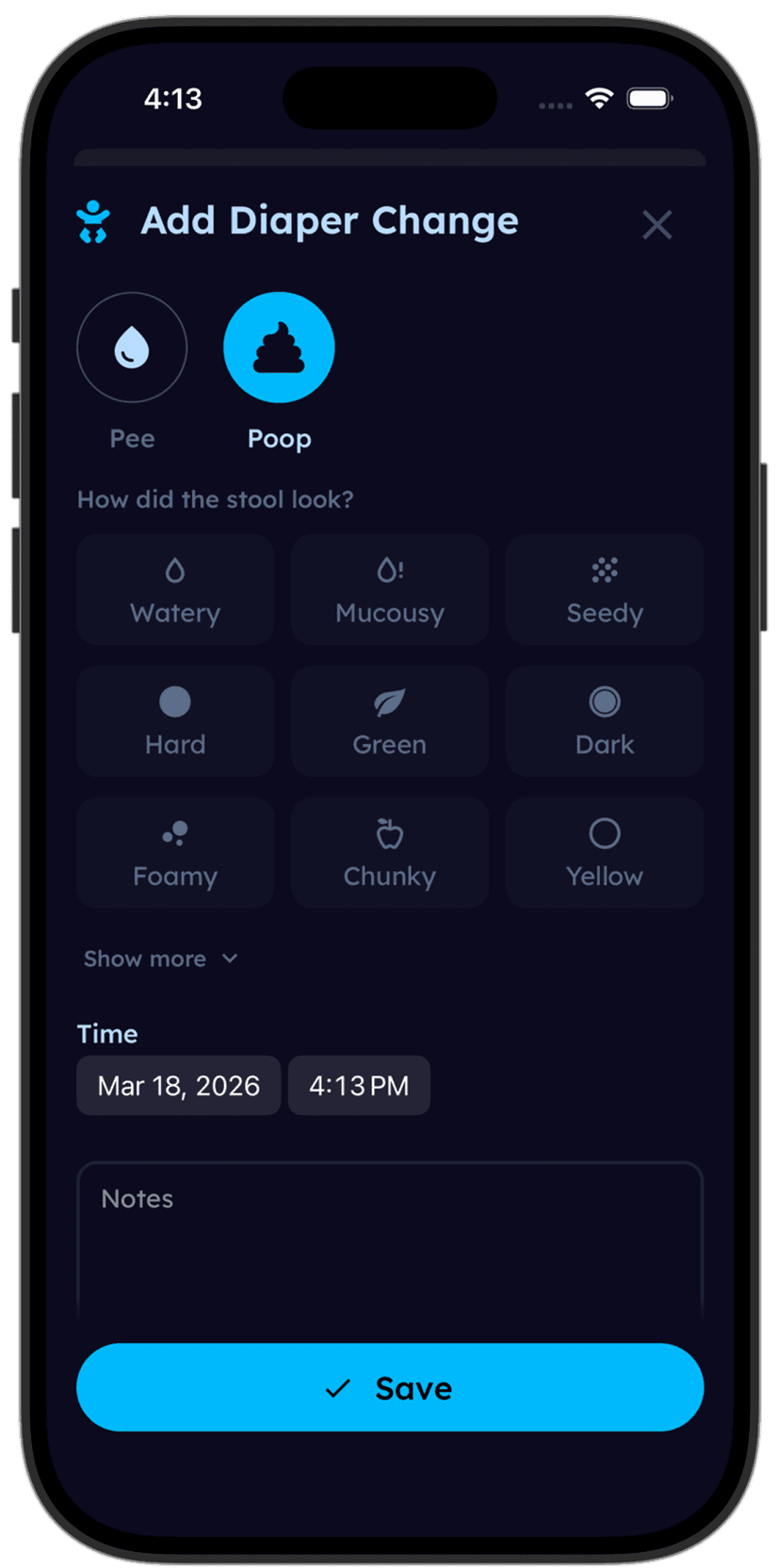
Tinylog tracks diapers so you can spot patterns.
Log wet and dirty diapers, note which brand you're using, track rashes over time. When you switch diapers and things improve, you'll have the data to prove it.


Sensitive Skin: Where Pure Protection Wins
If your baby's skin is the reason you're reading this, Pure Protection is likely the better choice.
Pampers Cruisers contain a light fragrance. Fragrance is one of the most common irritants for babies with reactive skin, and pediatric dermatologists broadly recommend fragrance-free products for babies with eczema or chronic diaper rash.
Pure Protection goes further than just skipping fragrance. It eliminates chlorine bleaching, parabens, latex, and the 26 allergens flagged by EU safety standards. The inner liner includes shea butter and vitamins designed to soothe skin rather than just wick moisture.
Here's the practical test: if your baby has persistent redness, rash, or irritation and you're currently using Cruisers (or any fragranced diaper), try a pack of Pure Protection for a week. If the rash clears up, you have your answer. If the skin looks the same, the fragrance probably wasn't the issue and you can save the money.
For more on managing skin irritation, see our baby eczema guide.
| Product | Typical Price | Cost Per Diaper | Monthly Estimate |
|---|---|---|---|
| Pampers Pure Protection (Size 3, ~112-ct box) | $42–$52 | ~$0.38–$0.46 | ~$76–$110 |
| Pampers Cruisers (Size 3, 156-ct box) | $46–$54 | ~$0.30–$0.35 | ~$54–$84 |
| Pampers Pure Protection (Size 5, ~82-ct box) | $38–$48 | ~$0.46–$0.59 | ~$69–$106 |
| Pampers Cruisers (Size 5, 112-ct box) | $46–$54 | ~$0.41–$0.48 | ~$62–$96 |
Price: Cruisers Save You Real Money
Pure Protection costs roughly 20–35% more per diaper than Cruisers in the same size. That gap adds up fast.
At Size 3, you're looking at ~$0.42/diaper for Pure Protection vs. ~$0.32/diaper for Cruisers. Over a month of 6–8 daily changes, that's an extra $15–$25. Over a year, the difference is $180–$300.
Here's how to spend less on either:
- Amazon Subscribe & Save takes 5–15% off recurring deliveries.
- Warehouse clubs (Costco, Sam's Club) sell both in bulk at 15–20% below retail pricing.
- Target Circle and Walmart+ run frequent Pampers promotions and stacking coupons.
- Buy during Prime Day or holiday sales — diaper deals are consistently among the best discounts.
If budget is tight and your baby's skin is fine with standard Pampers, Cruisers deliver better fit-per-dollar for active babies. If skin sensitivity is driving the decision, the Pure Protection premium is an investment in fewer rashes and fewer tubes of diaper cream.
Choose Pampers Pure Protection If
- Your baby has sensitive skin, eczema, or is prone to diaper rash
- You want a completely fragrance-free Pampers diaper
- You prefer plant-based and sustainably sourced materials where possible
- Chlorine-free processing and a shorter chemical ingredient list matter to you
- Your baby is under Size 3 and not yet mobile enough for Cruisers
- You're willing to pay a premium for a cleaner ingredient profile
Choose Pampers Cruisers If
- Your baby is crawling, cruising, or walking and needs a diaper that keeps up
- You want a thinner, stretchier diaper that fits well under clothes
- Daytime leak protection during active play is your main priority
- Your baby gets fussy in stiff or bulky diapers that restrict movement
- You want better absorbency per dollar than Pure Protection offers
- Your baby's skin handles standard Pampers without any issues
Where to Buy
If clean ingredients and sensitive skin are your top priorities, Pampers Pure Protection (~$0.42/diaper in bulk) is the Pampers diaper with the fewest chemical additives. Fragrance-free, plant-based materials, no chlorine bleaching — it's a genuine step up in ingredient quality. Grab the big box from Amazon or Target for the best per-diaper price.
If your baby is mobile and you need a diaper that stays put during active play, Pampers Cruisers (~$0.32/diaper in bulk) are hard to beat. The 3-Way Fit design flexes with your baby's movement, and the thinner profile fits better under clothes. Available in bulk at Amazon, Costco, and most major retailers.
If you're torn, consider using both: Pure Protection at home and during sleep when skin contact time is longest, Cruisers at daycare or during active play when fit matters most.
Tinylog earns a small commission on purchases made through these links, at no cost to you.
We've found promo.new handy for finding discounts on baby gear. Doesn't always have what you need, but it's worth a shot.
The Bottom Line
Pampers Pure Protection and Pampers Cruisers are both solid diapers built for different situations.
Pampers Pure Protection wins on ingredient transparency, fragrance-free formulation, plant-based materials, and skin-friendliness. It's the right pick for babies with sensitive skin, parents who care about what chemicals touch their baby, or babies under Size 3 who aren't mobile enough for Cruisers yet.
Pampers Cruisers win on fit, flexibility, mobility, and price. They're the better diaper for active babies who need something that moves with them without leaking.
The honest answer is that these diapers aren't really competing with each other — they're solving different problems. If your baby has touchy skin and is also very active, you might genuinely need both in your rotation. That's not indecisive; that's just parenting.
If you're tracking diaper output to stay on top of feeding and hydration, Tinylog makes it easy to log every change, note which brand you used, and share the data with your pediatrician.
Related Guides
- Pampers Swaddlers vs. Pampers Pure Protection — Standard premium vs. eco-conscious Pampers compared
- Pampers Cruisers vs. Pampers Baby Dry — Mobility vs. overnight absorbency compared
- Baby Diaper Rash — Causes, treatment, and when to call your doctor
- Baby Eczema — Understanding and managing your baby's eczema
Sources
- Pampers.com. "Pampers Pure Protection Diapers — Product Information." 2026.
- Pampers.com. "Pampers Cruisers Diapers — Product Information." 2026.
- Pampers.com. "Materials and Safety — What's In Our Products?" pampers.com.
- Consumer Reports. "19 Best Diapers From Our Tests." consumerreports.org, 2026.
- BabyGearLab. "Best Disposable Diapers 2026." babygearlab.com.
- DiaperDabbler.com. "What's the Difference Between All the Pampers Diapers?" diaperdabbler.com, 2025.
- Babylist.com. "How to Tell the Difference Between Pampers Diaper Types." babylist.com, 2025.
This guide is for informational purposes only. Diaper choice is a personal preference based on your baby's individual needs. If your baby develops persistent rash or skin irritation with any diaper brand, consult your pediatrician.
Frequently asked questions
- What is the main difference between Pampers Pure Protection and Pampers Cruisers?
- Pampers Pure Protection is designed around clean ingredients — it uses plant-based materials, is fragrance-free, and skips chlorine bleaching. Pampers Cruisers are designed around movement — they have a stretchy 3-Way Fit waistband and flexible side panels for crawling and walking babies. Pure focuses on what touches your baby's skin. Cruisers focus on keeping the diaper in place during active play.
- Can I use Pampers Pure Protection for an active toddler?
- Yes, but with a caveat. Pure Protection fits well and holds up during moderate activity, but it doesn't have the same stretchy waistband and flexible panels that Cruisers offer. If your toddler is constantly on the move and you're seeing the diaper shift or gap at the legs, Cruisers will stay in place better. For less intense activity, Pure Protection works fine.
- Are Pampers Cruisers fragrance-free?
- No. Pampers Cruisers contain a light fragrance. If you need a fragrance-free Pampers diaper, Pure Protection is the option to choose. Pediatric dermatologists generally recommend fragrance-free products for babies with sensitive or eczema-prone skin.
- Which is more absorbent, Pampers Pure Protection or Pampers Cruisers?
- They're fairly close, but Cruisers have a slight edge in raw absorbency thanks to their multi-layer core with LockAway Channels that distribute moisture quickly. Pure Protection uses a plant-based fiber blend in its core that absorbs well but holds slightly less total liquid. For most babies during daytime use, you won't notice a meaningful difference.
- Are Pampers Pure Protection diapers worth the extra cost over Cruisers?
- It depends on what matters most to you. Pure Protection costs about 20–35% more per diaper than Cruisers. If fragrance-free ingredients, plant-based materials, and a cleaner chemical profile are priorities — or if your baby has sensitive skin — the premium makes sense. If your baby's skin is fine with standard Pampers and mobility is the main concern, Cruisers give you better fit for less money.
- What sizes do Pampers Pure Protection and Cruisers come in?
- Pampers Pure Protection is available in Newborn through Size 7, covering babies from birth through toddlerhood. Pampers Cruisers start at Size 3 (16–28 lbs) and go through Size 7 (41+ lbs), since they're designed for babies who are already mobile. If your baby is under Size 3, Cruisers aren't an option yet.