
GUIDE
Philips Avent Natural vs. MAM Easy Start Anti-Colic
Published on
Both are well-designed bottles with strong anti-colic features. MAM excels in colic reduction with its vented base design and self-sterilizing case. Philips Avent Natural offers a more breast-like nipple shape and wider compatibility with breast pumps. Price is similar.
Philips Avent Natural and MAM Easy Start Anti-Colic are two of the most popular baby bottles worldwide. Both aim to reduce colic, gas, and fussiness — but they take very different design approaches. Avent focuses on a natural latch with its wide, breast-shaped nipple. MAM focuses on airflow engineering with its unique vented base. For most babies, either will work. The differences matter most for babies who struggle with gas or parents who prioritize specific features like self-sterilization or breast-to-bottle transition.
Log bottles, nursing, and spit-up
Two Popular Bottles, Two Very Different Approaches
Philips Avent Natural and MAM Easy Start Anti-Colic are among the best-selling baby bottles in the world. Walk into any baby store, and you will find both on the shelf. Your registry probably has one of them on it already.
Here is what matters: both are good bottles. Most babies will feed happily from either. But the design philosophies are genuinely different — Avent prioritizes a natural breastfeeding latch, while MAM prioritizes colic prevention through airflow engineering.
We broke down the materials, anti-colic features, nipple design, cleaning experience, and pricing so you can pick the right bottle for your baby — or at least narrow it down before buying a three-pack of each.
For more on how much your baby should be eating, see our baby feeding chart.
| Feature | Philips Avent Natural | MAM Easy Start Anti-Colic | What It Means |
|---|---|---|---|
| Manufacturer | Philips (Signify) | MAM Babyartikel GmbH | Philips is a global electronics giant. MAM is an Austrian company focused exclusively on baby products. |
| Anti-colic system | AirFree vent (sold separately) | Built-in vented base | MAM includes its anti-colic venting in every bottle. Avent's AirFree vent is an add-on purchase. |
| Nipple shape | Wide, breast-shaped with spiral design | Flat, symmetrical SkinSoft silicone | Avent mimics the breast more closely. MAM's flat shape works in any orientation but feels less natural. |
| Nipple material | Standard silicone | SkinSoft silicone (textured surface) | MAM's textured nipple is accepted by 94% of babies in MAM-funded studies. Avent's is softer and more flexible. |
| Number of parts | 3 (bottle, nipple, ring) | 4 (bottle, nipple, ring, vented base) | Fewer parts means easier cleaning and assembly. Avent wins on simplicity. |
| Self-sterilizing | No — requires separate sterilizer | Yes — microwave self-sterilizing in 3 minutes | MAM's self-sterilizing design is a real time-saver. No extra equipment needed. |
| Breast pump compatibility | Direct fit with Philips Avent pumps | Requires adapters for most pumps | Avent wins if you use a Philips breast pump. MAM's non-standard neck size limits compatibility. |
| Available sizes | 4 oz, 9 oz, 11 oz | 5 oz, 9 oz | Avent offers more size options, including a larger 11 oz for older babies. |
| Material options | Polypropylene (PP) and glass | Polypropylene (PP) only | Avent offers a glass option for parents who want to avoid plastic entirely. |
| BPA-free | Yes | Yes | Tie. Both are BPA-free as required by current regulations. |
| Flow rate options | Newborn, 1, 2, 3, 4, variable | 0, 1, 2, 3, X (cross-cut) | Both offer a full range. Avent has a variable-flow nipple. MAM has a cross-cut for thicker liquids. |
| Dishwasher safe | Yes (top rack) | Yes (top rack) | Tie. Both are dishwasher safe on the top rack. |
The Anti-Colic Difference That Matters Most
The biggest difference between these bottles is how they handle air.
MAM Easy Start Anti-Colic bottles have a vented base — the bottom of the bottle is a separate piece with small holes that allow air to enter the bottle as the baby drinks. This means air flows into the bottle from the bottom instead of through the nipple, so your baby swallows less air. Less air means less gas, less fussiness, and — for many babies — fewer colic symptoms. MAM cites clinical data showing 80% of babies tested experienced reduced colic symptoms.
Philips Avent Natural bottles do not include built-in anti-colic venting. However, Philips sells a separate AirFree vent accessory that attaches inside the bottle and serves a similar purpose. It works, but it is an extra purchase (~$8–$10 for a pack) and adds another part to clean.
If colic prevention is your primary concern, MAM's built-in approach is more convenient. If your baby does not have significant gas issues, Avent's simpler three-part design may be all you need.
Nipple Design: Breast-Like vs. Flat and Symmetrical
Nipple design is where these two bottles diverge most visibly.
Philips Avent Natural uses a wide, breast-shaped nipple with a spiral texture. The nipple is designed to flex naturally and encourage the same wide latch a baby would use at the breast. For parents who are combination feeding (breast and bottle), this design helps reduce nipple confusion. The nipple flexes in response to the baby's sucking rhythm, mimicking the natural letdown experience.
MAM Easy Start Anti-Colic uses a flat, symmetrical SkinSoft silicone nipple with a textured surface meant to feel more like skin. The flat shape means the nipple works in any orientation — there is no "right side up." MAM reports that 94% of babies accept the SkinSoft nipple, though this data comes from MAM-funded studies.
For breastfed babies transitioning to a bottle, Avent's breast-shaped nipple is typically the safer bet. For babies who are primarily bottle-fed or who reject other nipple shapes, MAM's unique texture and shape are worth trying.
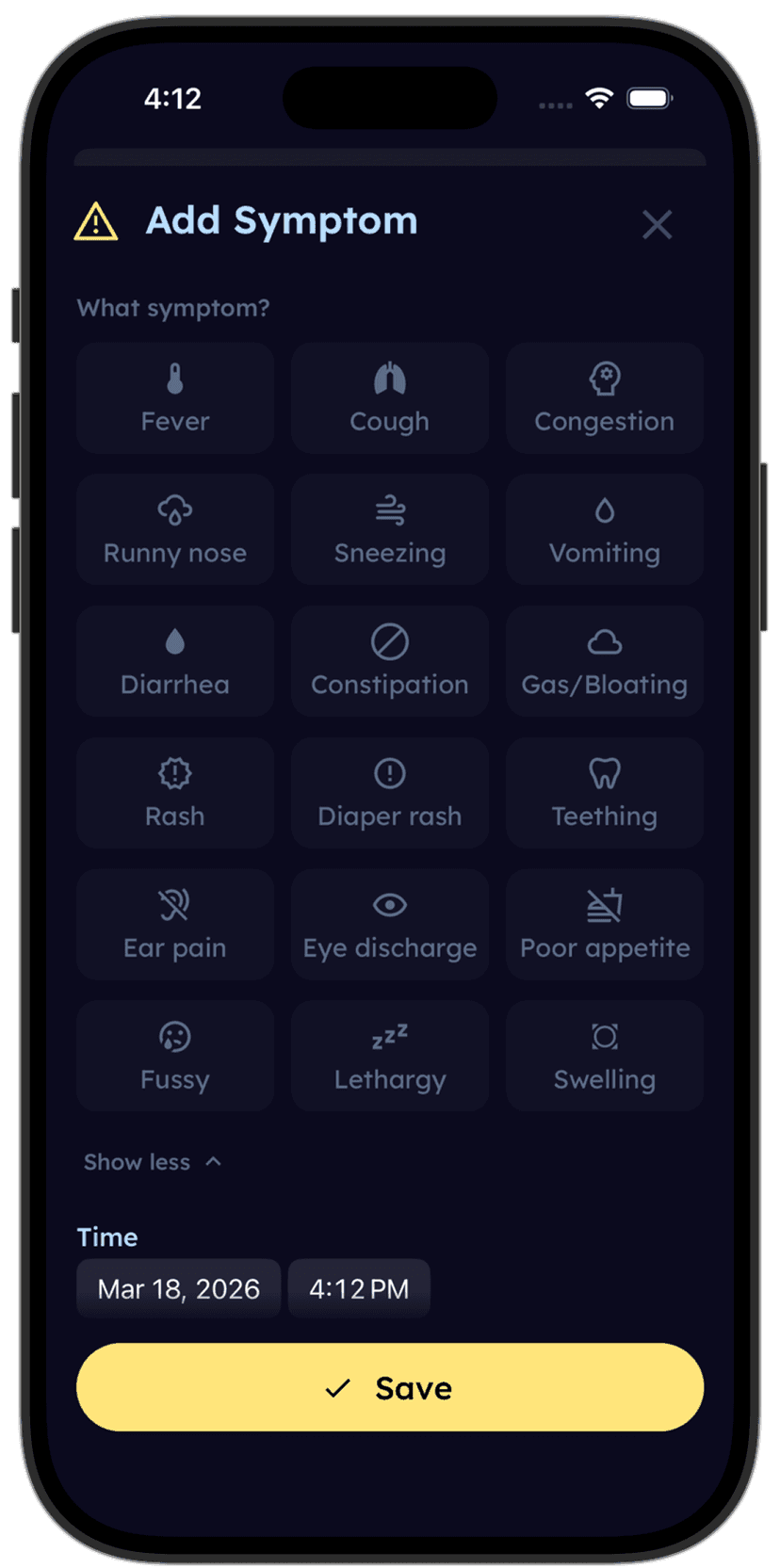
Tinylog tracks feedings so you can spot patterns.
Log bottle feeds, note spit-up and gas, track ounces over days and weeks. Bring the data to your next pediatrician visit.


Cleaning and Sterilization: Convenience Matters at 3 AM
You will wash baby bottles hundreds of times. The cleaning experience matters more than you think.
Philips Avent Natural bottles have three parts: bottle body, silicone nipple, and screw ring. Fewer parts means faster disassembly, cleaning, and reassembly. The wide neck makes it easy to get a bottle brush inside. They are dishwasher safe (top rack) but require a separate sterilizer for microwave or electric sterilization.
MAM Easy Start Anti-Colic bottles have four parts: bottle body, silicone nipple, screw ring, and the vented base plate. That extra part adds time to each wash cycle. However, MAM bottles have a major convenience feature — they are self-sterilizing. You disassemble the bottle, add water to the base, reassemble loosely, and microwave for three minutes. No separate sterilizer to buy or store.
If you are sterilizing frequently (recommended for newborns under three months), MAM's self-sterilizing design saves real money and counter space. If you already own a sterilizer or prefer fewer parts, Avent's simpler design wins on daily convenience.
| Product | Typical Price | Cost Per Bottle | Multi-Pack Savings |
|---|---|---|---|
| Philips Avent Natural (4 oz, single) | $6–$8 | ~$6–$8 | ~15–20% in 3-packs |
| MAM Easy Start Anti-Colic (5 oz, single) | $7–$9 | ~$7–$9 | ~15–20% in 3-packs |
| Philips Avent Natural (9 oz, single) | $7–$9 | ~$7–$9 | ~15–20% in 3-packs |
| MAM Easy Start Anti-Colic (9 oz, single) | $8–$10 | ~$8–$10 | ~15–20% in 3-packs |
Price: Not a Deciding Factor
The per-bottle cost difference between Philips Avent Natural and MAM Easy Start Anti-Colic is typically $1–$2. Since most parents buy 4–8 bottles total, the total cost difference is under $15 — not enough to drive your decision.
What matters more for your wallet:
- Buy starter sets. Both brands sell multi-packs and newborn starter kits at a lower per-bottle price than buying singles.
- Factor in accessories. If you buy Avent bottles, you may also need the AirFree vent (~$8–$10) and a sterilizer (~$25–$40). MAM includes venting and self-sterilization in the bottle itself.
- Replacement nipples. You will need to replace nipples as your baby grows. Both brands sell nipple multi-packs for $5–$8. Budget for 2–3 sets in the first year.
- Do not overbuy. Start with 2–3 bottles to see if your baby accepts them before buying a full set.
The honest answer on cost: both are similarly priced. Factor in the accessories you will need and the total cost picture becomes clearer.
Choose Philips Avent Natural If
- You are transitioning a breastfed baby to bottles and want the most breast-like nipple
- You use a Philips Avent breast pump and want direct compatibility
- You prefer fewer parts to clean and assemble
- You want a glass bottle option to avoid plastic
- Your baby latches well but you want a natural-feel nipple with flexible spiral design
Choose MAM Easy Start Anti-Colic If
- Your baby has colic or significant gas and you want built-in venting
- You want to self-sterilize in the microwave without buying a separate sterilizer
- Your baby is picky about nipple texture — MAM's SkinSoft silicone has a high acceptance rate
- You like the convenience of a flat nipple that works in any orientation
- Colic reduction is your top priority and you want venting included out of the box
- You prefer a bottle brand focused exclusively on baby products
Where to Buy
If you want the most breast-like bottle for a smooth transition from nursing, the Philips Avent Natural (~$7–$9 per bottle) is a reliable choice — wide nipple, flexible spiral design, glass option available, and direct compatibility with Philips breast pumps. Start with the 4 oz size for newborns.
If colic and gas are your biggest concerns, the MAM Easy Start Anti-Colic (~$8–$10 per bottle) is purpose-built for the job — vented base, self-sterilizing design, and a SkinSoft nipple with a high acceptance rate. The built-in venting means no extra accessories to buy.
Our honest advice: buy 2–3 of your top pick and test them before committing to a full set. Babies are particular about bottles, and the "best" bottle is whichever one your baby will actually drink from.
Tinylog earns a small commission on purchases made through these links, at no cost to you.
We've found promo.new handy for finding discounts on baby gear. Doesn't always have what you need, but it's worth a shot.
The Bottom Line
Both Philips Avent Natural and MAM Easy Start Anti-Colic are well-made bottles from reputable brands. The differences are real and worth considering:
Philips Avent Natural wins on breast-like nipple design, fewer parts to clean, breast pump compatibility, glass bottle option, and simplicity.
MAM Easy Start Anti-Colic wins on built-in colic venting, self-sterilizing convenience, nipple acceptance rate, and being a purpose-designed anti-colic solution out of the box.
For breastfed babies who need an occasional bottle, start with Avent. For babies with gas or colic symptoms, start with MAM. For everyone else, buy a small pack of each and let your baby decide — they usually have strong opinions.
If you are tracking feeds — which is especially helpful in the early weeks to make sure your baby is eating enough — Tinylog makes it easy to log bottles and spot patterns over time.
Related Guides
- Baby Feeding Chart — How much your baby should eat by age
- Baby Gas — Causes, relief, and when to call your doctor
- Baby Spit-Up — What's normal and when to worry
- Breastfeeding Tips — Getting started and troubleshooting common issues
Sources
- Philips.com. "Philips Avent Natural Baby Bottle — Product Information." 2026.
- MAMbaby.com. "MAM Easy Start Anti-Colic Bottle — Product Information." 2026.
- MAM. "Clinical Study: Anti-Colic Efficacy of MAM Easy Start Bottles." Published on MAMbaby.com, 2024.
- BabyList. "Best Baby Bottles of 2026." babylist.com.
- WhatToExpect. "Best Bottles for Breastfed Babies." whattoexpect.com, 2026.
- Forbes Health. "Best Baby Bottles of 2026, Tested and Reviewed." forbes.com.
- Wirecutter (NYT). "The Best Baby Bottles." nytimes.com/wirecutter, 2025.
This guide is for informational purposes only. Bottle choice is a personal preference based on your baby's individual needs. If your baby shows signs of feeding difficulties, excessive gas, or refuses to feed, consult your pediatrician.
Frequently asked questions
- Do Philips Avent Natural or MAM Anti-Colic bottles reduce colic better?
- MAM Easy Start Anti-Colic bottles are specifically engineered to reduce colic symptoms with their vented base design. Clinical studies funded by MAM report a reduction in colic symptoms for 80% of babies tested. Philips Avent Natural bottles use an internal AirFree vent (sold separately) to reduce air ingestion. Both help with gas, but MAM's built-in venting system is more directly targeted at colic.
- Are MAM bottles safe to sterilize in the microwave?
- Yes. MAM bottles are designed to self-sterilize in the microwave without any additional equipment. You disassemble the bottle, add water, place the base as a lid, and microwave for three minutes. No separate sterilizer needed. Philips Avent bottles require a separate microwave sterilizer or stovetop sterilization.
- Which bottle is better for breastfed babies?
- Philips Avent Natural is generally considered better for breast-to-bottle transition. Its wide, breast-shaped nipple and flexible spiral design encourage a natural latch similar to breastfeeding. MAM bottles use a flat, symmetrical SkinSoft silicone nipple that some babies accept quickly, but it feels less like a breast.
- Are Philips Avent Natural bottles compatible with breast pumps?
- Yes. Philips Avent Natural bottles are directly compatible with Philips Avent breast pumps — you can pump directly into the bottle. They also fit many other wide-neck breast pump adapters. MAM bottles have a non-standard size and generally require adapters for breast pump compatibility.
- How many parts do MAM Anti-Colic bottles have?
- MAM Easy Start Anti-Colic bottles have four parts: the bottle body, the vented base, the nipple, and the screw ring. The vented base is the extra piece compared to standard bottles. Philips Avent Natural bottles have three parts: bottle body, nipple, and screw ring. More parts means slightly more time cleaning and assembling.
- Which bottle is cheaper, Philips Avent Natural or MAM Anti-Colic?
- Pricing is similar. Philips Avent Natural bottles typically cost $6–$9 per bottle depending on size. MAM Easy Start Anti-Colic bottles run $7–$10 per bottle. Multi-packs from both brands offer better per-bottle pricing. The cost difference is minimal and should not drive your decision.