
GUIDE
Baby Einstein Neptune Ocean Jumper vs. Bright Starts Bounce Bounce
Published on
Both are solid activity jumpers with 360-degree rotation and adjustable heights. The Baby Einstein Neptune goes bigger on electronic stimulation and language learning. The Bright Starts Bounce Bounce costs significantly less and folds flat for storage.
Activity jumpers give your baby a safe place to bounce, spin, and explore while you get five minutes to drink coffee that's still warm. The Baby Einstein Neptune and Bright Starts Bounce Bounce are two of the most popular options — but they take different approaches to price, features, and design. Here's what actually matters.
Log activities, milestones, and daily routines
Two Jumpers, Two Very Different Vibes
So your baby has discovered their legs work and now wants to bounce on everything including your bladder. Time for a jumper.
The Baby Einstein Neptune Ocean Activity Jumper and the Bright Starts Bounce Bounce Activity Center are two of the most popular options on the market right now. They actually come from the same parent company (Kids II), but they target different priorities.
The Neptune goes all-in on sensory bells and whistles — electronic ocean sounds, light-up toys, three languages. The Bright Starts keeps things simpler, cheaper, and more compact. Both let your baby bounce and spin to their heart's content.
Here's what you actually need to know before picking one.
| Feature | Baby Einstein Neptune | Bright Starts Bounce Bounce | What It Means |
|---|---|---|---|
| Manufacturer | Baby Einstein (Kids II) | Bright Starts (Kids II) | Plot twist: same parent company. Different product lines, different design philosophies. |
| Price | ~$90 | ~$55 | Bright Starts wins on price by a solid $35. That's a lot of coffee money. |
| Theme | Ocean / sea creatures | Colorful jungle / neutral | Purely aesthetic. Your baby does not care. You might, though. |
| Bounce mechanism | Rubber-strap bounce with sturdy frame | Spring-loaded bounce pad | The Bright Starts spring gives a bouncier feel. The Neptune is more of a gentle suspension bounce. |
| 360-degree rotation | Yes | Yes | Tie. Both let baby spin to reach all the toy stations. |
| Electronic toy station | Yes — lights, melodies, ocean sounds, language switching | No electronic station — mechanical toys only | Neptune wins here. The electronic sea station is genuinely engaging. Bright Starts keeps it analog. |
| Number of toys/activities | 5+ activity stations | 12+ toys and activities | Bright Starts packs in more stuff to grab and chew. Neptune has fewer but more interactive stations. |
| Height adjustment | 4 adjustable positions | 4 adjustable positions | Tie. Both grow with your baby. |
| Foldability | Does not fold flat | Compact fold for storage | Bright Starts wins big here. If your living room is also your dining room is also your office, folding matters. |
| Language learning | Spanish, English, and French via electronic station | No language features | Neptune's language switching is a neat bonus. Whether a 6-month-old absorbs it is another question entirely. |
| Seat pad | Removable, machine-washable | Removable, machine-washable | Tie. Both pads come off for washing, which you will absolutely need to do. |
| Weight limit | 25 lbs | 25 lbs | Same limit. Most babies outgrow the interest before they outgrow the weight limit. |
The Bounce Factor: They Feel Different
This is the thing nobody tells you in online reviews — these two jumpers have a completely different bounce feel.
The Baby Einstein Neptune uses a rubber-strap suspension system attached to a sturdy steel frame. The bounce is more of a gentle, controlled sway. Babies who like a mellow, rocking motion tend to dig it.
The Bright Starts Bounce Bounce lives up to its name with a spring-loaded bounce pad at the base. The action is bouncier and more responsive. Babies who want to go full kangaroo will light up in this thing.
Neither is better — it totally depends on your baby's energy level and preference. The problem is you cannot exactly test-drive a jumper at the store while your baby gives you a Yelp review. If you know your baby is a wild bouncer during lap time, the Bright Starts might be the move.
Toys and Stimulation: Quality vs. Quantity
The toy situation is where these two really split.
Baby Einstein Neptune has fewer activity stations (around 5), but one of them is an electronic sea creature station with light-up buttons, melodies, ocean sounds, and the ability to switch between English, Spanish, and French. It is genuinely engaging. Babies will slam those buttons for a solid 15 minutes, which in baby time is basically a full workday.
Bright Starts Bounce Bounce skips the electronics entirely and goes for volume — 12+ toys and activities including spinners, rattles, a mirror, crinkle toys, and teethable pieces. It is a tactile playground. Your baby can spin around and find something new to chew on from every angle.
The tradeoff is real. Electronics hold attention longer but require batteries and produce sounds you will hear in your sleep. Mechanical toys are quieter and battery-free but may not captivate for as long.
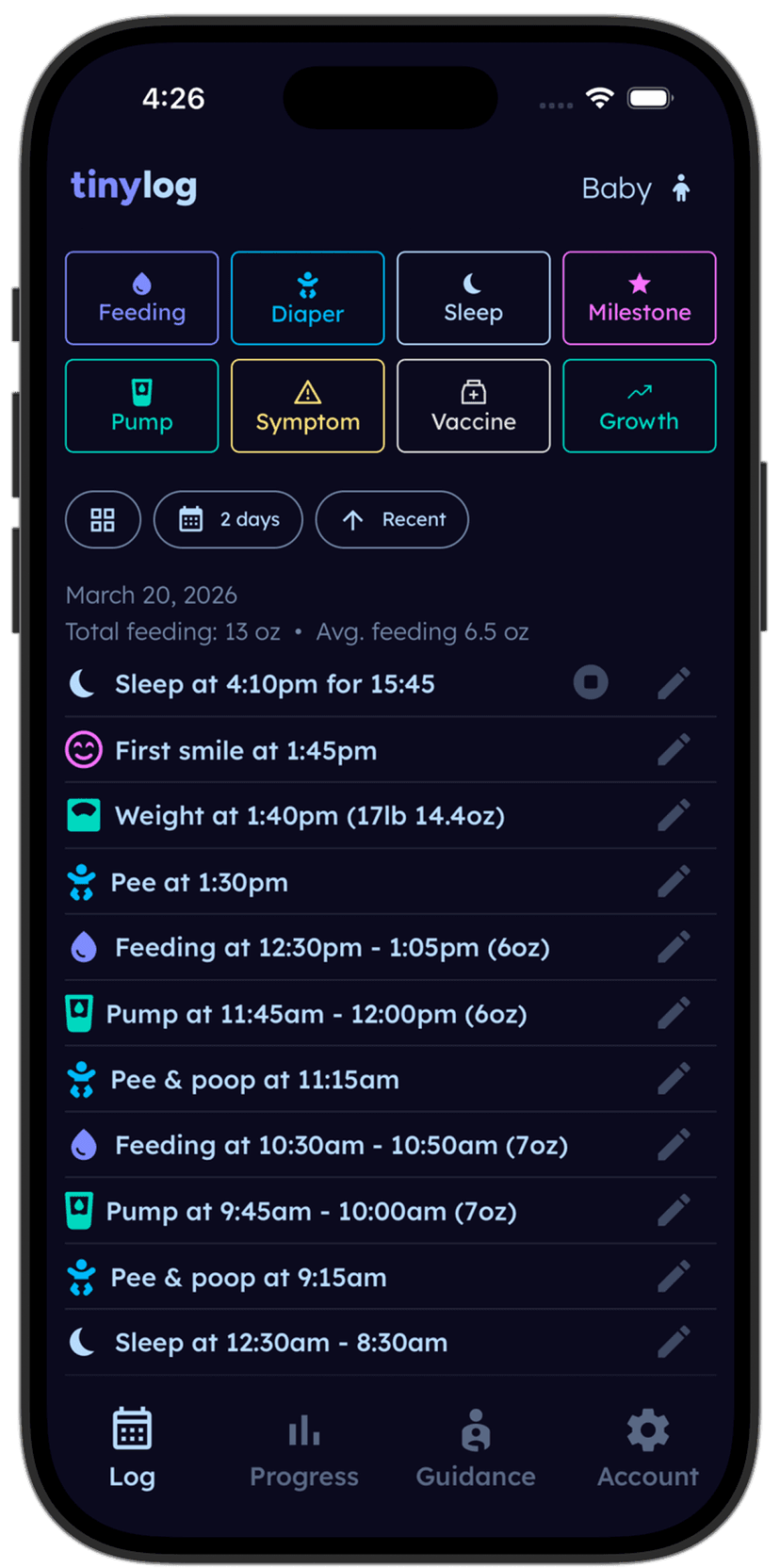
Tinylog helps you track playtime and daily routines.
Log activity sessions, tummy time, and milestones. See patterns in your baby's day and share updates with your pediatrician or partner.


Space and Storage: A Real Consideration
Let's talk about the elephant in the room. Or rather, the jumper in the room that takes up the space of an elephant.
The Baby Einstein Neptune is a full-sized activity jumper. It does not fold. It does not collapse. It sits in your living room like a small amusement park ride and you will navigate around it for months. If you have a dedicated playroom, no big deal. If your apartment is 700 square feet, this is a commitment.
The Bright Starts Bounce Bounce has a compact fold feature. When baby nap time hits or you need the floor space back, it folds relatively flat and can tuck behind a couch or in a closet. For small spaces, this is a massive advantage that does not get enough attention in reviews.
Seriously — before you buy either of these, measure your floor space. Then measure again. Then accept that baby gear will consume your home regardless.
| Product | Typical Price | Purchase Type | Monthly Cost Over Use Period |
|---|---|---|---|
| Baby Einstein Neptune Ocean Activity Jumper | $80–$100 | One-time purchase | ~$20–$33/mo over 3–5 months of use |
| Bright Starts Bounce Bounce Activity Center | $45–$60 | One-time purchase | ~$12–$20/mo over 3–5 months of use |
Price: The $35 Question
The Baby Einstein Neptune runs about $90. The Bright Starts Bounce Bounce runs about $55. That is a $35 gap.
Is the Neptune worth the extra money? It depends entirely on whether you value the electronic toy station. That is the primary differentiator. The build quality on the Neptune does feel slightly more premium, and the language-switching feature is a genuine bonus if multilingual exposure matters to your family.
But if your baby just wants to bounce and grab things — which, honestly, is what most babies want — the Bright Starts does that job admirably for a lot less money.
A few ways to save on either:
- Check Facebook Marketplace and local buy-nothing groups. Jumpers have a short use window, so the secondhand market is flooded with barely-used ones.
- Watch for sales around Prime Day, Black Friday, and baby registry completion discounts.
- Target Circle and Amazon Subscribe deals occasionally knock 15–20% off baby gear.
Babies use jumpers for roughly 3–5 months. At $55, the Bright Starts costs about $12–$20 per month of use. At $90, the Neptune runs about $20–$33 per month. Both are reasonable for a piece of equipment that buys you hands-free time daily.
Choose the Baby Einstein Neptune If
- You want an electronic toy station with lights, sounds, and music to keep baby engaged longer
- Language exposure matters to you — the Neptune switches between English, Spanish, and French
- You prefer a sturdier, more premium-feeling frame and build quality
- Your baby responds well to sensory stimulation like lights and ocean sounds
- You have the budget and the floor space for a larger, non-folding jumper
Choose the Bright Starts Bounce Bounce If
- You want a great jumper without spending $90
- Your living space is tight and you need something that folds flat when not in use
- Your baby is the type who wants to grab everything — the 12+ toys keep hands busy
- You prefer a bouncier, spring-loaded action over a gentle suspension bounce
- You plan to use it for a few months and want better cost-per-use value
- You'd rather skip batteries and electronic sounds entirely (your sanity might thank you)
Where to Buy
The Baby Einstein Neptune Ocean Activity Jumper (~$90) is the pick if you want the full sensory experience — electronic sounds, lights, language switching, and a premium ocean-themed setup that will become the centerpiece of your living room whether you planned it that way or not. Best prices are usually on Amazon or Target.
The Bright Starts Bounce Bounce Activity Center (~$55) is the smarter buy if you want a solid, fun jumper that folds flat and costs significantly less. The spring-loaded bounce and 12+ toys keep babies just as entertained — minus the electronic sounds, which your ears might actually appreciate.
Real talk: your baby will probably love whichever one you pick. They just want to bounce.
Tinylog earns a small commission on purchases made through these links, at no cost to you.
We've found promo.new handy for finding discounts on baby gear. Doesn't always have what you need, but it's worth a shot.
The Bottom Line
Both the Baby Einstein Neptune and the Bright Starts Bounce Bounce are well-made activity jumpers that babies genuinely enjoy. The differences come down to three things: electronics, foldability, and price.
Baby Einstein Neptune wins on sensory stimulation — the electronic sea station, light-up toys, and trilingual audio are things the Bright Starts simply does not offer. The build feels more premium. But it costs more and takes up permanent floor space.
Bright Starts Bounce Bounce wins on value and practicality — it is $35 cheaper, folds for storage, and packs in more toys per dollar. The spring-loaded bounce is arguably more fun. But there are no electronic features.
For most families, the Bright Starts is the better value pick. If the electronic features and language learning genuinely matter to you, the Neptune justifies its price. Either way, your baby gets to bounce, spin, and be entertained while you eat a meal with both hands for the first time in months.
If you are tracking your baby's daily activities and milestones, Tinylog makes it simple to log playtime, naps, feeds, and developmental wins all in one place.
Related Guides
- Baby Feeding Chart — How much your baby should eat by age
- Tummy Time Guide — When to start, how long, and what to do when baby hates it
- Baby Milestones — Month-by-month developmental milestones
- Baby Play Ideas — Age-appropriate activities that support development
Sources
- Baby Einstein. "Neptune's Ocean Discovery Jumper — Product Information." babyeinstein.com, 2026.
- Bright Starts. "Bounce Bounce Baby Activity Center — Product Details." brightstarts.com, 2026.
- American Academy of Pediatrics. "Choosing Safe Baby Products." healthychildren.org, 2025.
- Consumer Reports. "Best Baby Activity Centers and Jumpers." consumerreports.org, 2026.
- What to Expect. "Best Baby Jumpers and Bouncers." whattoexpect.com, 2026.
- BabyGearLab. "Best Baby Jumpers — Tested and Reviewed." babygearlab.com, 2026.
This guide is for informational purposes only. Always supervise your baby during jumper use and follow the manufacturer's weight and age guidelines. Pediatricians recommend limiting jumper sessions to 15–20 minutes. If you have concerns about your baby's hip or leg development, consult your pediatrician.
Frequently asked questions
- What age is the Baby Einstein Neptune jumper for?
- The Baby Einstein Neptune Ocean Activity Jumper is designed for babies who can hold their heads up unassisted, typically around 4 months, up to when they can walk or reach 25 lbs. Always check that your baby's feet touch the ground with knees slightly bent.
- Can the Bright Starts Bounce Bounce fold for storage?
- Yes. The Bright Starts Bounce Bounce features a compact fold design, which is a significant advantage if you're short on space. The Baby Einstein Neptune does not fold flat.
- Do both jumpers rotate 360 degrees?
- Yes. Both the Baby Einstein Neptune and Bright Starts Bounce Bounce allow 360-degree rotation so your baby can spin around to reach different toy stations.
- Is the Baby Einstein Neptune worth the extra money over the Bright Starts?
- It depends on what you value. The Neptune's electronic sea station with lights, music, and language switching is a genuine upgrade for sensory stimulation. But if your baby mostly just wants to bounce and grab things, the Bright Starts does that job well for about $35 less.
- How long do babies actually use jumpers?
- Most babies use jumpers for about 3–5 months, starting around 4–6 months old and stopping when they begin walking or hit the weight limit. Pediatricians recommend limiting jumper time to 15–20 minutes per session.
- Are activity jumpers safe for baby's hips and legs?
- In moderation, yes. The AAP does not specifically warn against jumpers, but pediatric physical therapists recommend limiting sessions to 15–20 minutes and ensuring the baby's feet are flat on the floor with slight knee bend. Extended time in jumpers should not replace tummy time or free floor play.