
GUIDE
Burt's Bees Baby Bee Nourishing Lotion vs. Pipette Baby Lotion
Published on
Both are lightweight daily moisturizers, but they take different ingredient approaches. Burt's Bees Baby Lotion uses buttermilk and plant oils for a natural feel. Pipette Baby Lotion uses sugarcane-derived squalane that mimics the lipids already in baby skin. Both absorb well and skip harsh chemicals.
Burt's Bees Baby Bee Nourishing Lotion and Pipette Baby Lotion are two of the most popular clean baby moisturizers on the market. They share a lot in common — both are lightweight, free of parabens and phthalates, and designed for daily use. But the formulations are meaningfully different, and those differences matter depending on your baby's skin type, your ingredient preferences, and your budget.
Two Clean Lotions, Two Different Formulas
Burt's Bees Baby Bee Nourishing Lotion and Pipette Baby Lotion look similar at first glance. Both are lightweight, pump-bottle daily moisturizers. Both skip parabens, phthalates, and petrolatum. Both are designed for full-body use after bath time.
But the formulations take genuinely different approaches to baby skin hydration.
Burt's Bees Baby Bee Nourishing Lotion builds its formula around traditional plant ingredients — sunflower seed oil, buttermilk, shea butter, and aloe. It has been a parent favorite for years, with a natural-ingredients philosophy that dates back to the brand's founding. The lotion has a mild botanical scent and a creamy texture that parents find familiar and pleasant.
Pipette Baby Lotion takes a newer, science-forward approach. Its star ingredient is squalane, a lightweight oil derived from sugarcane that closely mimics the lipids naturally present in baby skin. Babies are born with high levels of squalene, but production drops off in the first years of life. Pipette's formula is designed to replenish what is lost — offering hydration that the skin recognizes and absorbs efficiently.
The practical difference: Burt's Bees feels like a classic baby lotion. Pipette feels like something a dermatologist formulated in a lab. Both work. The right choice depends on your priorities.
| Feature | Burt's Bees Baby Lotion | Pipette Baby Lotion | What It Means |
|---|---|---|---|
| Product type | Lightweight daily moisturizing lotion | Lightweight daily moisturizing lotion | Same category. Both are designed for everyday, full-body hydration after bath time. |
| Manufacturer | Burt's Bees (Clorox Company) | Pipette (Amyris Inc.) | Burt's Bees is a legacy natural brand under a large parent company. Pipette is a newer biotech-backed brand focused on clean baby care. |
| Key ingredients | Water, sunflower seed oil, shea butter, buttermilk, aloe, coconut oil | Water, squalane (sugarcane-derived), glycerin, shea butter, jojoba oil | Both use plant-based ingredients. The main difference is Burt's Bees' buttermilk/aloe approach vs. Pipette's squalane-centered formula. |
| Fragrance | Light natural scent from botanical ingredients | Fragrance-free | Pipette wins for fragrance-sensitive babies. Burt's Bees has a mild, naturally derived scent — not artificial, but still noticeable. |
| Texture and absorption | Creamy, absorbs well, slight residue | Silky-smooth, absorbs quickly, virtually no residue | Both absorb well. Pipette tends to feel slightly lighter on the skin and disappears faster. |
| Squalane content | Not included | Core ingredient — sugarcane-derived squalane | Pipette's signature ingredient. Squalane mimics lipids naturally found in baby skin, offering biocompatible moisture. |
| Parabens / phthalates / SLS | Free of all three | Free of all three | Tie. Neither contains parabens, phthalates, or SLS. |
| Petrolatum | Not included | Not included | Tie. Both brands intentionally exclude petrolatum from their baby lotions. |
| Hypoallergenic | Not labeled hypoallergenic | Labeled hypoallergenic and dermatologist-tested | Pipette carries the hypoallergenic label. Burt's Bees is pediatrician-tested but does not make the hypoallergenic claim. |
| Ease of application | Pump bottle, easy one-handed use | Pump bottle, easy one-handed use | Tie. Both come in convenient pump bottles that are easy to use while holding a baby. |
| EWG rating | Rated 1 (low hazard) | Rated 1 (low hazard) | Tie. Both score well with the Environmental Working Group for ingredient safety. |
| Available sizes | 6 oz and 12 oz | 5.7 oz and 11.8 oz | Similar sizing. Burt's Bees is slightly easier to find in multiple sizes at brick-and-mortar stores. |
Ingredients: Buttermilk and Plant Oils vs. Squalane Science
The ingredient lists tell you a lot about each brand's philosophy.
Burt's Bees Baby Bee Nourishing Lotion starts with water, then leans heavily on sunflower seed oil and coconut oil for emollient moisture. Shea butter adds richness. Buttermilk powder provides lactic acid, which gently supports skin cell turnover. Aloe vera soothes. The formula is marketed as 99% natural. It uses mild preservatives (sodium benzoate, potassium sorbate) to maintain shelf stability.
Pipette Baby Lotion starts with water and glycerin, then features squalane prominently. Squalane is a saturated, stable form of squalene — the lipid your skin already makes. Because it is bioidentical, it absorbs efficiently without clogging pores or leaving heavy residue. The formula also includes shea butter and jojoba oil. It is fragrance-free and uses a clean preservative system.
Both lotions avoid the big red-flag ingredients: no parabens, no phthalates, no petrolatum, no synthetic fragrances. The meaningful difference is the moisturizing mechanism. Burt's Bees hydrates with traditional plant oils that coat and soften the skin surface. Pipette hydrates with squalane that integrates into the skin's own lipid structure.
For most healthy baby skin, both approaches work well. For babies with sensitivity or reactive skin, Pipette's fragrance-free, hypoallergenic formula may have an edge.
Texture, Scent, and the After-Bath Experience
These details matter more than you might expect — especially at 11 PM when you are moisturizing a tired, squirmy baby.
Burt's Bees has a classic lotion feel. It is creamy, spreads easily, and absorbs within a minute or two. It leaves skin feeling soft with a very slight residue. The scent is mild and botanical — not perfume-like, but detectable. Some parents love it. Others find any scent at all unnecessary on baby skin.
Pipette has a silkier, almost serum-like texture. It spreads thinly and absorbs very quickly, leaving almost no trace. There is no scent at all. The finish feels clean and dry to the touch within seconds.
If you prefer a richer, more traditional lotion feel with a hint of natural fragrance, Burt's Bees delivers that experience. If you want the lightest possible touch with zero scent, Pipette is the better fit.
Both come in pump bottles that work well for one-handed application — an underrated feature when your other arm is wrangling a baby.
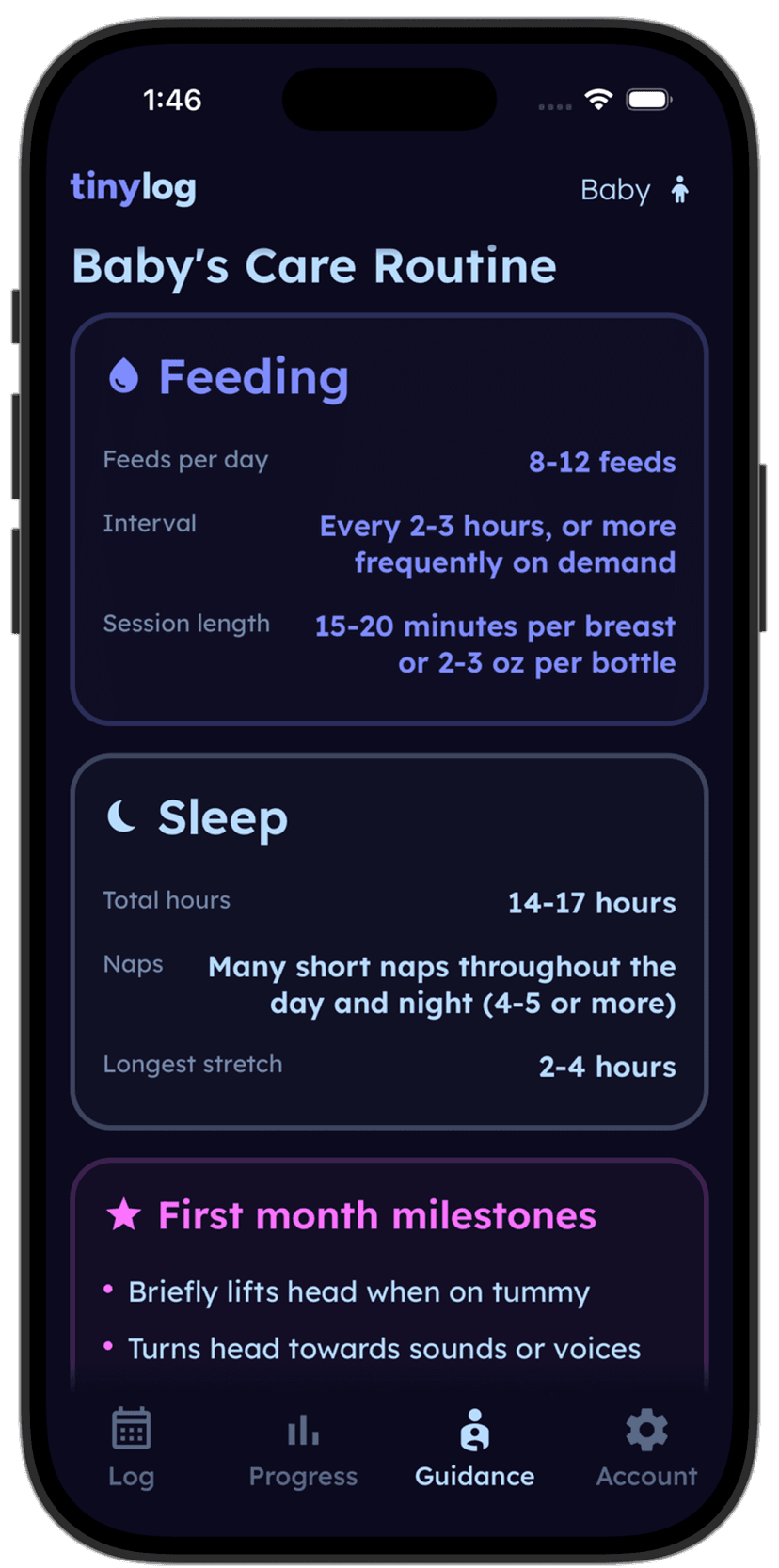
Tinylog tracks feedings so you can spot patterns.
Log every feeding, note skin changes and reactions, and track which products your baby tolerates. Bring the data to your next pediatrician visit.


| Product | Typical Price | Cost Per Oz | Monthly Estimate |
|---|---|---|---|
| Burt's Bees Baby Bee Nourishing Lotion (12 oz) | $8–$11 | ~$0.67–$0.92 | ~$8–$16 |
| Pipette Baby Lotion (11.8 oz) | $10–$14 | ~$0.85–$1.19 | ~$10–$18 |
| Burt's Bees Baby Bee Nourishing Lotion (6 oz) | $6–$8 | ~$1.00–$1.33 | ~$12–$20 |
| Pipette Baby Lotion (5.7 oz) | $7–$10 | ~$1.23–$1.75 | ~$14–$22 |
Price: Burt's Bees Has the Edge
Both lotions are reasonably priced for the clean baby care category, but Burt's Bees is consistently the more affordable option.
The 12 oz Burt's Bees bottle typically runs $8–$11, putting the per-ounce cost around $0.67–$0.92. It is widely available at Target, Walmart, Amazon, CVS, and most grocery stores — meaning you can usually grab it wherever you happen to be shopping.
The 11.8 oz Pipette bottle runs $10–$14, with a per-ounce cost around $0.85–$1.19. Pipette has expanded its retail presence in recent years but is still easier to find online than in every neighborhood drugstore.
Over the course of a year of daily use, the cost difference adds up to roughly $25–$50 depending on your purchase habits. Not a dealbreaker either way, but worth knowing.
Tips for saving on both:
- Subscribe and save on Amazon or Target for automatic discounts on recurring orders
- Buy the larger sizes — per-ounce cost drops meaningfully with the bigger bottles
- Watch for bundle deals — both brands occasionally offer multi-packs at reduced prices
- Check for coupons — Burt's Bees frequently runs manufacturer coupons at major retailers
Skin Sensitivity and Safety
Both products score well on safety, but there are differences worth noting for parents with sensitive-skinned babies.
Burt's Bees is pediatrician-tested and free of common irritants. However, it is not labeled hypoallergenic, and it does contain botanical ingredients that could trigger reactions in babies with specific plant sensitivities. The mild natural scent comes from these botanical ingredients — not from added fragrance — but it is still something to be aware of.
Pipette is both dermatologist-tested and labeled hypoallergenic. It is completely fragrance-free, not just "unscented" (which can sometimes mean the scent is masked). The squalane base is biocompatible, meaning it closely matches what the skin produces naturally, reducing the chance of a reaction.
For most babies, both are perfectly safe. But if your baby has a history of skin reactions, eczema, or allergies, Pipette's hypoallergenic, fragrance-free formula is the more conservative choice. You can always patch-test either product on a small area of your baby's inner arm before committing to full-body application.
Choose Burt's Bees Baby Bee Lotion If
- You prefer a tried-and-true natural brand with decades of reputation
- Your baby's skin is generally healthy and you want a solid daily moisturizer
- You do not mind a mild, naturally derived scent
- Budget matters and you want a lower per-ounce cost
- You want something easy to find at any drugstore, grocery store, or Target
Choose Pipette Baby Lotion If
- Your baby has sensitive or reactive skin and you want a fragrance-free option
- You are drawn to squalane-based formulas that mimic natural skin lipids
- Your baby is prone to dryness or mild eczema and you want stronger moisture-barrier support
- You prefer a hypoallergenic, dermatologist-tested formula
- You want the lightest possible texture with zero greasy residue
- You care about biotech-backed ingredient science in your baby products
Where to Buy
For a trusted, affordable daily moisturizer, Burt's Bees Baby Bee Lotion (~$0.75/oz for the 12 oz bottle) delivers plant-based hydration with a gentle buttermilk and shea butter formula. The pump bottle is easy to use one-handed, and you can find it at practically any retailer. It is a reliable everyday lotion that millions of parents have used without issue.
For a fragrance-free, science-backed daily moisturizer, Pipette Baby Lotion (~$1.00/oz for the 11.8 oz bottle) uses sugarcane-derived squalane to hydrate baby skin in a way that mimics the body's own moisture system. It is hypoallergenic, dermatologist-tested, and leaves no greasy residue. A strong choice for sensitive or reactive skin.
Both are solid options. If budget and availability are your top priorities, Burt's Bees is hard to beat. If ingredient science and fragrance-free formulation matter most, Pipette is worth the modest price premium.
Tinylog earns a small commission on purchases made through these links, at no cost to you.
Want to save a few bucks? promo.new is worth a quick look. It won't always have your product, but when it does, the savings are real.
The Bottom Line
Burt's Bees Baby Bee Nourishing Lotion and Pipette Baby Lotion are both genuinely good daily moisturizers for baby skin. They share more in common than they differ — both are plant-based, free of harsh chemicals, well-reviewed by parents, and designed for everyday use.
Burt's Bees is the better pick if you want an affordable, widely available lotion with a proven track record and you do not mind a mild natural scent. It is the kind of product your mom probably recognizes, and it works.
Pipette is the better pick if you prioritize fragrance-free formulation, hypoallergenic testing, and a biotech approach to skin hydration. The squalane formula is genuinely innovative, and parents of sensitive-skinned babies often find it makes a real difference.
Neither product is a wrong choice. Your baby's skin will tell you which one it prefers — and if you are tracking feedings, sleep, and skin changes in Tinylog, you will have data to spot patterns and share with your pediatrician.
Sources
- Burt's Bees. "Baby Bee Nourishing Lotion — Product Information and Ingredients." burtsbees.com, 2026.
- Pipette. "Baby Lotion — Product Information and Ingredients." pipettebaby.com, 2026.
- American Academy of Dermatology. "How to Care for Your Baby's Skin." aad.org.
- National Eczema Association. "Moisturizers for Eczema — Choosing the Right One." nationaleczema.org.
- Environmental Working Group. "Skin Deep Cosmetics Database — Baby Lotion Ratings." ewg.org/skindeep, 2026.
- Healthline Parenthood. "Best Baby Lotions and Moisturizers." healthline.com, 2026.
- What to Expect. "Best Baby Lotions for Sensitive Skin." whattoexpect.com, 2026.
Related Guides
This guide is for informational purposes only and does not constitute medical advice. Every baby's skin is different. If your baby develops persistent dryness, rash, or skin irritation, consult your pediatrician or a pediatric dermatologist for personalized recommendations.
Frequently asked questions
- Can I use Burt's Bees Baby Lotion on a newborn?
- Yes. Burt's Bees Baby Bee Nourishing Lotion is formulated for babies from birth onward. It is pediatrician-tested and free of parabens, phthalates, petrolatum, and SLS. That said, newborn skin is especially sensitive in the first few weeks. Many pediatricians suggest waiting until the initial peeling phase passes before applying any lotion. When you do start, test a small area first and watch for redness or irritation.
- Is Pipette Baby Lotion safe for eczema-prone skin?
- Pipette Baby Lotion is dermatologist-tested and hypoallergenic, and many parents with eczema-prone babies use it as a daily moisturizer. The squalane-based formula is gentle and closely mimics natural skin lipids. However, for active eczema flare-ups, a lightweight lotion alone may not be enough — your pediatrician may recommend layering it with a thicker ointment or using a prescription treatment.
- Does Burt's Bees Baby Lotion have a strong scent?
- Burt's Bees Baby Lotion has a mild, naturally derived scent from its botanical ingredients. It is not artificially fragranced, but some parents do notice a light herbal or honey-like smell. Most find it pleasant and subtle. If your baby is highly fragrance-sensitive, Pipette's fragrance-free formula may be the safer choice.
- What is squalane and why does Pipette use it?
- Squalane is a stable, lightweight oil derived from sugarcane (in Pipette's case). It closely mimics squalene, a lipid that human skin naturally produces to stay moisturized. Babies are born with high levels of squalene, but those levels drop significantly in the first years of life. Pipette uses plant-derived squalane to replenish that moisture in a way that is biocompatible and non-irritating.
- Can I use both Burt's Bees and Pipette lotions together?
- There is no safety concern with using both, but there is generally no reason to layer two lightweight lotions. You would get better results picking one as your daily moisturizer and pairing it with a thicker barrier product — like an ointment or balm — for dry patches or problem areas. If you want to try both, alternate between them on different days to see which your baby's skin responds to better.
- Which lotion is better for winter dryness?
- Both help with winter dryness, but Pipette's squalane formula tends to hold up slightly better in cold, dry conditions because squalane reinforces the skin's natural moisture barrier. Burt's Bees provides good hydration too, but some parents find they need to reapply more frequently during harsh winter months. For severe dryness, pairing either lotion with a heavier ointment at bedtime gives the best results.