
GUIDE
Cetaphil Baby Wash & Shampoo vs. Tubby Todd All Over Ointment
Published on
These are not competing products — they serve completely different roles. Cetaphil Baby Wash is a gentle, fragrance-free cleanser for bath time. Tubby Todd All Over Ointment is a rich moisturizing balm for dry patches, eczema, and irritated skin. Most families benefit from having both.
Cetaphil Baby Wash & Shampoo and Tubby Todd All Over Ointment show up on the same baby-registry lists, but they are not substitutes for each other. One cleans your baby during bath time. The other soothes and protects skin after the bath — or anytime dryness or irritation flares up. Understanding what each product actually does helps you figure out whether you need one, the other, or both.
A Wash and an Ointment: Two Products, Two Different Jobs
Cetaphil Baby Wash & Shampoo and Tubby Todd All Over Ointment land on baby-registry lists side by side, which can make them look like alternatives. They are not. Comparing them is more like comparing dish soap to hand cream — one removes things, the other puts things back.
Cetaphil Baby Wash & Shampoo is a gentle, fragrance-free cleanser designed for bath time. It uses mild, glycerin-based surfactants to lift away dirt and oil without disrupting your baby's skin barrier. It rinses clean, leaves nothing behind, and keeps bath time simple. It is one of the most recommended baby washes in pediatric offices, and that reputation comes from years of doing one thing really well.
Tubby Todd All Over Ointment is a thick, plant-based moisturizing balm that you apply after bath time — or anytime your baby's skin needs help. It blends shea butter, mango butter, jojoba oil, and lavender into a concentrated formula that melts into warm skin and forms a protective, moisture-sealing layer. Parents swear by it for dry patches, eczema, cradle cap, and that persistent roughness on cheeks and elbows that lighter lotions cannot seem to fix.
The real question is not "which one should I buy?" — it is "does my baby need one, or both?"
| Feature | Cetaphil Baby Wash | Tubby Todd Ointment | What It Means |
|---|---|---|---|
| Product type | Gentle cleansing wash and shampoo (2-in-1) | Thick moisturizing ointment / balm | Different categories entirely. One cleans; the other moisturizes and protects. |
| Manufacturer | Galderma (Cetaphil brand) | Tubby Todd Bath Co. | Cetaphil is backed by a global dermatology company. Tubby Todd is a smaller, parent-founded brand with a loyal following. |
| Key ingredients | Glycerin-based mild surfactants, water | Shea butter, mango butter, jojoba oil, lavender oil, vitamin E | Cetaphil focuses on gentle cleaning. Tubby Todd loads up on plant-based butters and oils for moisture and barrier protection. |
| Fragrance | Fragrance-free | Light natural scent (from lavender and essential oils) | Cetaphil is completely unscented. Tubby Todd has a mild, naturally derived lavender scent. |
| When you use it | During bath time — lather, rinse, done | After bath time or anytime skin needs moisture — apply to dry skin | They are used at different points in your routine. The wash comes first, the ointment follows. |
| Skin condition it addresses | Everyday dirt, oil, and mild buildup | Dry patches, eczema, cradle cap, chapped skin, irritation | Cetaphil solves a cleanliness problem. Tubby Todd solves a dryness or irritation problem. |
| Texture | Thin, clear liquid with very low lather | Thick, creamy balm that melts on contact with warm skin | Completely different textures. The wash rinses off in seconds. The ointment stays on the skin as a protective layer. |
| Parabens / sulfates / phthalates | Free of all three | Free of all three | Tie. Both skip the common ingredients parents want to avoid. |
| Pediatrician recommended | Widely recommended — one of the most-cited baby washes in clinical settings | Popular with parents and frequently mentioned by pediatricians, especially for eczema-prone babies | Cetaphil has deeper clinical backing. Tubby Todd has built trust through strong parent word-of-mouth and growing pediatrician recognition. |
| Tear-free | Yes | N/A — not a wash, not used near eyes | Only relevant for the wash. Cetaphil is tear-free for comfortable bath time. |
| Good for eczema | Won't aggravate it, but does not actively treat or moisturize | Yes — a go-to for many parents managing mild to moderate baby eczema | Tubby Todd is the stronger choice for eczema relief. Cetaphil keeps bath time safe for eczema-prone skin without making it worse. |
| How long it lasts | 7.8 oz lasts roughly 4–8 weeks with 2–3 baths per week | 3.5 oz lasts roughly 4–8 weeks with daily targeted use | Both last a reasonable amount of time. The ointment is used in smaller amounts, so the smaller tube goes further than you might expect. |
Ingredients: Minimal Cleansing vs. Rich Plant-Based Moisture
The ingredient lists for these two products could not look more different, and that makes sense — they are built for completely different purposes.
Cetaphil Baby Wash & Shampoo keeps things stripped down. The formula centers on water and glycerin-based mild surfactants that create a low-lather wash. There are no botanical oils, no butters, no essential oils, and no fragrance. The philosophy is to clean gently and leave the skin's natural moisture barrier intact. For a wash-off product, this matters — you do not need conditioning ingredients in something that stays on skin for thirty seconds.
Tubby Todd All Over Ointment goes the opposite direction. The formula is packed with shea butter, mango butter, jojoba oil, avocado oil, beeswax, and lavender essential oil, among other plant-based ingredients. These butters and oils work together to deliver deep moisture and form a semi-occlusive barrier that keeps hydration locked against the skin. The lavender oil gives the ointment a light, naturally derived scent that most babies tolerate well.
One thing worth noting: because Tubby Todd contains lavender essential oil, babies with known sensitivity to essential oils should patch-test before full application. And because Cetaphil is completely fragrance-free with no botanical extracts, it is the safer starting point if you are troubleshooting an unexplained skin reaction and want to eliminate variables.
The takeaway is straightforward. Cetaphil is designed to take things off your baby's skin. Tubby Todd is designed to put things on. They are built for different moments in your baby's day.
When to Reach for Each Product
Knowing when to grab which product makes your daily routine smoother and your baby's skin happier. Here is how most families use them.
Reach for Cetaphil Baby Wash when:
- Bath time rolls around and you need a gentle head-to-toe cleanser
- You want to wash your baby's hair without worrying about tangles or buildup
- Your baby has had a messy feeding or diaper blowout and needs a quick, thorough clean
- You are bathing a newborn and want the mildest, most fragrance-free option available
Reach for Tubby Todd All Over Ointment when:
- Your baby has dry, rough patches that feel sandpapery to the touch
- Eczema flare-ups are leaving red, irritated skin on cheeks, elbows, or behind the knees
- Cradle cap is forming on the scalp and you want to gently soften the flakes
- Wind, cold weather, or indoor heating have left your baby's skin chapped and tight
- You have just finished bath time and want to seal in moisture while skin is still slightly damp
Use both together when:
- You wash with Cetaphil during the bath, then pat skin mostly dry and immediately apply Tubby Todd to damp skin — this is the classic "soak and seal" approach that pediatric dermatologists recommend for eczema-prone babies
- Your baby has generally healthy skin but gets seasonal dryness — the wash keeps things clean, the ointment handles the rough spots
- You want a consistent daily routine that covers both cleansing and moisturizing without overcomplicating things
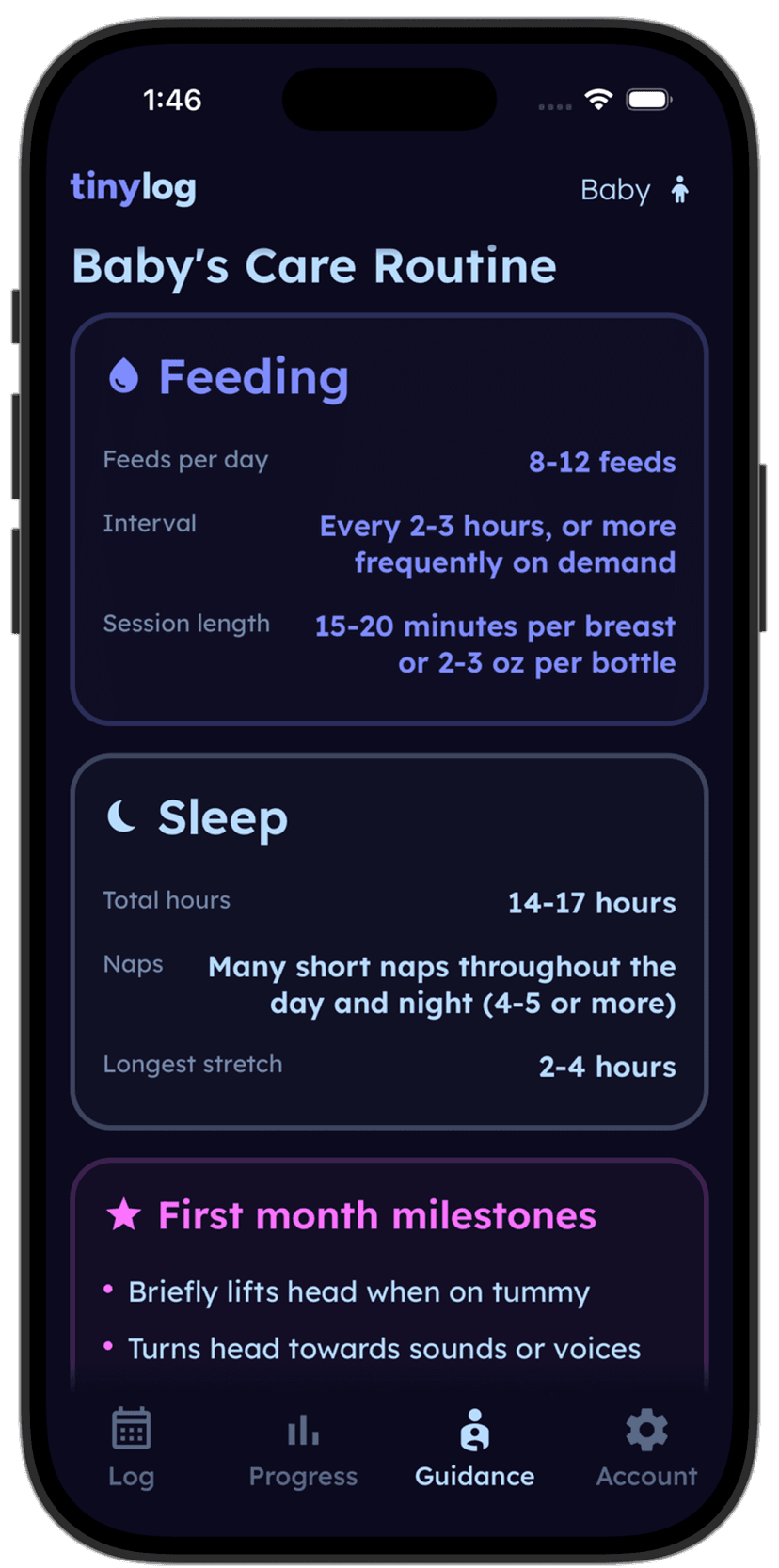
Tinylog tracks feedings so you can spot patterns.
Log every feeding, note skin changes and reactions, and track which products your baby tolerates. Bring the data to your next pediatrician visit.


| Product | Typical Price | Cost Per Oz | Monthly Estimate |
|---|---|---|---|
| Cetaphil Baby Wash & Shampoo (7.8 oz) | $5–$7 | ~$0.64–$0.90 | ~$5–$10 |
| Cetaphil Baby Wash & Shampoo (13.5 oz) | $7–$10 | ~$0.52–$0.74 | ~$5–$8 |
| Tubby Todd All Over Ointment (3.5 oz) | $26–$30 | ~$7.43–$8.57 | ~$13–$26 |
| Tubby Todd All Over Ointment (6 oz) | $38–$42 | ~$6.33–$7.00 | ~$13–$21 |
Price: Very Different Price Points for Very Different Products
The cost difference between these two products is significant, but it tells you more about the product category than about value.
Cetaphil Baby Wash & Shampoo is a mass-market drugstore product available at every Target, Walmart, CVS, and Amazon listing. The 13.5 oz bottle runs about $7–$10, and you can often find it on sale or through subscribe-and-save. It is one of the most affordable gentle baby washes out there.
Tubby Todd All Over Ointment is a specialty product sold primarily through tubbytodd.com and select retailers. The 3.5 oz tube costs $26–$30, which makes it noticeably more expensive per ounce than mass-market options. However, a little goes a long way — you use a pea-sized to dime-sized amount per application, so a single tube can last well over a month with daily targeted use.
Comparing their per-ounce costs directly is misleading because you use wildly different amounts. You might pour an ounce of baby wash into the tub per bath, but you will use a fraction of an ounce of ointment per application. The monthly cost comparison is more useful — and there, Tubby Todd still runs higher, but the gap narrows.
Some ways to manage costs:
- Buy the larger Tubby Todd size. The 6 oz jar brings the per-ounce cost down and lasts longer.
- Watch for Tubby Todd bundles. The brand regularly offers multi-product bundles at a discount.
- Use Cetaphil's subscribe-and-save on Amazon for 5–15% off recurring orders.
- Stock up during sales. Both brands run seasonal promotions — Tubby Todd around holidays, Cetaphil year-round at drugstores.
Eczema and Dry Skin: How They Work Together
If your baby has eczema or persistent dryness, this is where understanding the difference between these two products really pays off.
Cetaphil Baby Wash will not fix eczema, but it will not make it worse, either. A gentle, fragrance-free wash is exactly what pediatric dermatologists recommend for eczema-prone babies. Harsh soaps, fragranced washes, and long hot baths are common eczema triggers — Cetaphil avoids all of those. It cleans without stripping the already-compromised skin barrier.
Tubby Todd All Over Ointment is where the healing and moisture come in. The thick, butter-based formula creates a protective layer that keeps irritants out and moisture in. Many parents describe it as the product that finally made a visible difference after months of trying lighter lotions. The key is applying it within minutes of finishing the bath, while skin is still damp — this traps water against the skin underneath the ointment's protective barrier.
The combination — gentle wash in the tub, ointment on damp skin immediately after — follows the "soak and seal" method. This approach is widely recommended by pediatric dermatologists because it addresses both cleanliness and moisture retention in a single routine.
A few things to keep in mind: Tubby Todd contains lavender essential oil, which the majority of babies tolerate without issue, but some eczema-sensitive babies may react to essential oils. If your baby's eczema is moderate to severe, talk to your pediatrician before introducing any new product — they may recommend a fragrance-free ointment or a prescription treatment instead.
Choose Cetaphil Baby Wash & Shampoo If
- You need a gentle, everyday cleanser for bath time — not a moisturizer
- Your baby's skin is generally healthy and does not have persistent dry patches or eczema
- You want a completely fragrance-free formula with no scent at all
- You are looking for a budget-friendly, widely available baby wash from a trusted dermatology brand
- Your pediatrician recommended a simple, tear-free, soap-free wash for sensitive skin
Choose Tubby Todd All Over Ointment If
- Your baby has dry patches, eczema flare-ups, or persistently rough skin that needs real moisture
- You want an after-bath ointment that locks in hydration and creates a protective barrier
- Cradle cap is an issue and you need something to soften and soothe the scalp
- You prefer plant-based butters and oils over petroleum-based products
- Your baby's cheeks, elbows, or knees get chapped from drool, weather, or friction
- You have tried lighter lotions and they are not providing enough relief for your baby's skin
Where to Buy
For gentle, fragrance-free cleansing at bath time, Cetaphil Baby Wash & Shampoo (~$0.52–$0.74/oz for the 13.5 oz bottle) is a pediatrician-trusted staple that cleans without stripping your baby's skin. It is tear-free, soap-free, and available at virtually every drugstore and big-box retailer.
For serious moisture and skin protection after the bath, Tubby Todd All Over Ointment (~$6.33–$7.00/oz for the 6 oz jar) is a parent-favorite balm that tackles dry patches, eczema, cradle cap, and chapped skin with a rich blend of plant-based butters and oils. A small amount goes a long way.
Our honest take: these products are not an either-or decision. If your baby has any dryness or irritation, you will likely want both — the wash for the tub, the ointment for afterward. They complement each other well, and together they cover the full bath-to-bed skin care routine.
Tinylog earns a small commission on purchases made through these links, at no cost to you.
We've found promo.new handy for finding discounts on baby gear. Doesn't always have what you need, but it's worth a shot.
The Bottom Line
Cetaphil Baby Wash & Shampoo and Tubby Todd All Over Ointment are not competitors. They are two different tools in your baby's skin care routine, designed for two different jobs.
Cetaphil Baby Wash is your bath-time cleanser. It is gentle, fragrance-free, widely recommended by pediatricians, and affordable. It does one thing — clean your baby's skin and hair without causing irritation — and it does that thing reliably well.
Tubby Todd All Over Ointment is your after-bath protector. It delivers deep, plant-based moisture to dry patches, eczema spots, cradle cap, and chapped skin. It is pricier per ounce, but a little goes a long way, and the results have earned it a devoted parent following.
For babies with healthy skin, the Cetaphil wash alone may be all you need during the bath, with a light lotion afterward. For babies dealing with dryness, eczema, or persistent rough patches, adding Tubby Todd to the post-bath routine can make a real, visible difference. And for many families, using both products together — clean with Cetaphil, seal with Tubby Todd — becomes the simple two-step routine that keeps their baby's skin in good shape.
If you are tracking feeding patterns and skin changes to figure out what is helping and what is not, Tinylog makes it simple to log everything in one place and share that data with your pediatrician at the next visit.
Sources
- Cetaphil.com. "Cetaphil Baby Wash & Shampoo — Product Information." 2026.
- Tubby Todd Bath Co. "All Over Ointment — Product Information and Ingredients." tubbytodd.com, 2026.
- American Academy of Dermatology. "How to Care for Your Baby's Skin." aad.org.
- National Eczema Association. "Eczema and Bathing — Moisturizing Best Practices." nationaleczema.org.
- HealthyChildren.org (AAP). "Bathing Your Baby." healthychildren.org, 2025.
- Healthline Parenthood. "Best Baby Eczema Creams and Ointments." healthline.com, 2026.
- What to Expect. "Best Baby Lotions and Ointments for Dry Skin." whattoexpect.com, 2026.
Related Guides
This guide is for informational purposes only and does not constitute medical advice. Every baby's skin is different. If your baby develops persistent dryness, rash, or skin irritation, consult your pediatrician or a pediatric dermatologist for personalized recommendations.
Frequently asked questions
- Can I use Cetaphil Baby Wash and Tubby Todd All Over Ointment together?
- Yes, and many families do exactly that. Cetaphil Baby Wash cleans gently during bath time without stripping natural oils. Tubby Todd All Over Ointment goes on afterward to lock in moisture and soothe dry or irritated patches. Using a gentle wash followed by a nourishing ointment is a routine that many pediatricians recommend for babies with dry or sensitive skin.
- Is Tubby Todd All Over Ointment safe for newborns?
- Yes. Tubby Todd All Over Ointment is formulated with plant-based ingredients and is free of parabens, sulfates, phthalates, and artificial fragrances. Many parents begin using it on newborns for dry skin, cradle cap, and mild eczema. As with any new product, patch-test on a small area first and consult your pediatrician if your baby has a known skin condition.
- Does Cetaphil Baby Wash help with eczema?
- Cetaphil Baby Wash & Shampoo is gentle enough for eczema-prone skin and will not aggravate flare-ups, but it does not contain active moisturizing or healing ingredients. It is a cleanser, not a treatment. For eczema management, pair it with a dedicated moisturizer or ointment — like Tubby Todd All Over Ointment — applied immediately after bathing while skin is still slightly damp.
- What makes Tubby Todd All Over Ointment different from a regular baby lotion?
- Tubby Todd All Over Ointment is thicker and more concentrated than a standard baby lotion. It uses a blend of plant-based butters and oils — including shea butter, mango butter, and jojoba oil — to create a semi-occlusive layer that seals moisture into the skin. A regular baby lotion is lighter and absorbs quickly but does not provide the same level of barrier protection for very dry or irritated patches.
- How often should I apply Tubby Todd All Over Ointment?
- Most parents apply it once or twice a day — typically after bath time and again in the morning if needed. For active eczema patches or very dry areas, you can apply it more frequently as needed. A small amount goes a long way because the formula is concentrated. There is no risk of overusing it, but you do not need to slather it on thick to see results.
- Is Cetaphil Baby Wash truly fragrance-free?
- Yes. Cetaphil Baby Wash & Shampoo contains no added fragrances and has no noticeable scent from its formula. It is one of the most genuinely fragrance-free baby washes on the market, which makes it a solid choice for babies with sensitive skin or for parents who are eliminating potential irritants while troubleshooting a skin reaction.