
GUIDE
Chuya Baby Teether Toy vs. Baby Einstein Opus the Octopus Teether
Published on
Both are solid teething toys for different reasons. The Chuya is a simple, affordable silicone teether with multiple textures for self-soothing. Baby Einstein Opus is a character-driven multi-sensory teether with varied materials and a higher price point. Your baby's grip strength and texture preferences will likely decide it.
Teething usually begins between 4 and 7 months, and the right teether can make a real difference in your baby's comfort. The Chuya Baby Teether Toy and Baby Einstein Opus the Octopus Teether take two different approaches — one focuses on straightforward textured silicone, the other combines textures, crinkle sounds, and a huggable design. Both are BPA-free and widely available.
Log feeds, sleep, and soothing
Two Teethers, Two Very Different Approaches
Teething is one of those baby milestones that nobody looks forward to. Your baby is fussy, drooling buckets, and chewing on anything in reach. A good teether can help — but the sheer number of options on the market makes picking one harder than it should be.
The Chuya Baby Teether Toy and the Baby Einstein Opus the Octopus Teether are two popular picks that take very different approaches. Chuya is a straightforward silicone teether built for function — multiple textures, lightweight, easy to clean. Opus is part teether, part sensory toy — an adorable octopus with eight textured tentacles, crinkle fabric, and bright colors.
We compared them across materials, safety, grip, cleaning, cost, and real-world usability so you can pick the right one for your baby — or decide you need both.
| Feature | Chuya Baby Teether | Baby Einstein Opus | What It Means |
|---|---|---|---|
| Manufacturer | Chuya | Kids II (Baby Einstein) | Chuya is a smaller brand focused on baby basics. Kids II is a large juvenile products company behind Baby Einstein, Bright Starts, and Ingenuity. |
| Primary material | 100% food-grade silicone | Silicone + fabric + BPA-free plastic | Chuya is all silicone — easier to clean and sterilize. Opus uses mixed materials for multi-sensory play. |
| Texture variety | Multiple raised textures on a single piece (bumps, ridges, nubs) | Eight textured tentacles with different surfaces + crinkle fabric | Opus offers more distinct textures across its tentacles. Chuya packs several textures into a compact shape. |
| Weight | Very lightweight (~1–2 oz) | Slightly heavier (~2–3 oz with fabric body) | Chuya is easier for younger babies (3–5 months) to hold and bring to mouth independently. |
| Grip / Ergonomics | Designed for small hands — easy to grab from multiple angles | Tentacles serve as grip points — some babies grab one tentacle at a time | Both are designed for baby grip. Chuya is more intuitive for younger babies; Opus gives older babies more to explore. |
| Sensory features | Textured surfaces only | Textures + crinkle sounds + bright colors + character face | Opus is a multi-sensory toy — not just a teether. Chuya is purely a teething tool. |
| BPA / Phthalate free | Yes | Yes | Tie. Both meet US safety standards. |
| Ease of cleaning | Very easy — boil, dishwasher (top rack), or soap and water | Moderate — wipe silicone parts, spot-clean fabric | Chuya wins here. All-silicone construction makes sanitizing straightforward. |
| Refrigerator-safe | Yes — cools nicely for sore gums | Silicone parts only — fabric should not be soaked | Chuya is simpler to chill. Opus requires more careful handling. |
| Age range | 3+ months | 3+ months | Tie. Both are suitable from early teething onward. |
| Travel-friendly | Very — small, lightweight, easy to toss in a diaper bag | Bulkier — the octopus shape takes up more room | Chuya is the better grab-and-go option. |
| Entertainment value | Low — purely functional | Higher — character design, colors, crinkle sounds engage baby beyond teething | If you want a teether that doubles as a toy, Opus offers more. If you want a focused teething tool, Chuya delivers. |
Materials: Simple Silicone vs. Mixed-Media Design
The core difference between these two teethers is what they're made of, and that single distinction drives almost every other comparison point.
Chuya Baby Teether Toy is made entirely from food-grade silicone. There are no fabric parts, no plastic clips, no paint — just molded silicone with various textured zones (bumps, ridges, nubs). This means you can boil it, run it through the dishwasher, or scrub it with soap and water without worrying about damaging any components.
Baby Einstein Opus the Octopus combines silicone teething surfaces on the tentacle tips with a soft fabric body, crinkle material, and BPA-free plastic elements. The mixed-material design makes Opus more interesting to play with — but also more difficult to clean thoroughly. You cannot submerge it. You cannot boil it. Spot-cleaning and wiping are your main options.
For parents who are particular about hygiene — especially during cold and flu season or if your baby is in daycare — the all-silicone construction of the Chuya is a meaningful advantage.
Grip and Usability by Age
How well a baby can hold and use a teether depends heavily on age and motor development.
At 3–4 months, most babies are just beginning to grasp objects intentionally. The Chuya teether's lightweight silicone body and compact shape make it easier for small hands to grab and bring to the mouth. Many babies at this age will hold it with two hands.
At 5–7 months, babies have better grip strength and are more interested in exploring different shapes. This is where Opus shines — the eight tentacles give babies multiple grab points, and each tentacle has a slightly different texture. The crinkle sounds in the body add a reward for squeezing and manipulating the toy.
At 8+ months, most babies can use either teether effectively. At this stage, the choice is more about which textures your baby prefers and whether they want a toy that does more than just soothe gums.
If you are buying for a younger baby who is just starting to teethe, Chuya is the safer bet for independent use. If your baby is closer to 6 months and already grabbing everything in sight, Opus offers more engagement.
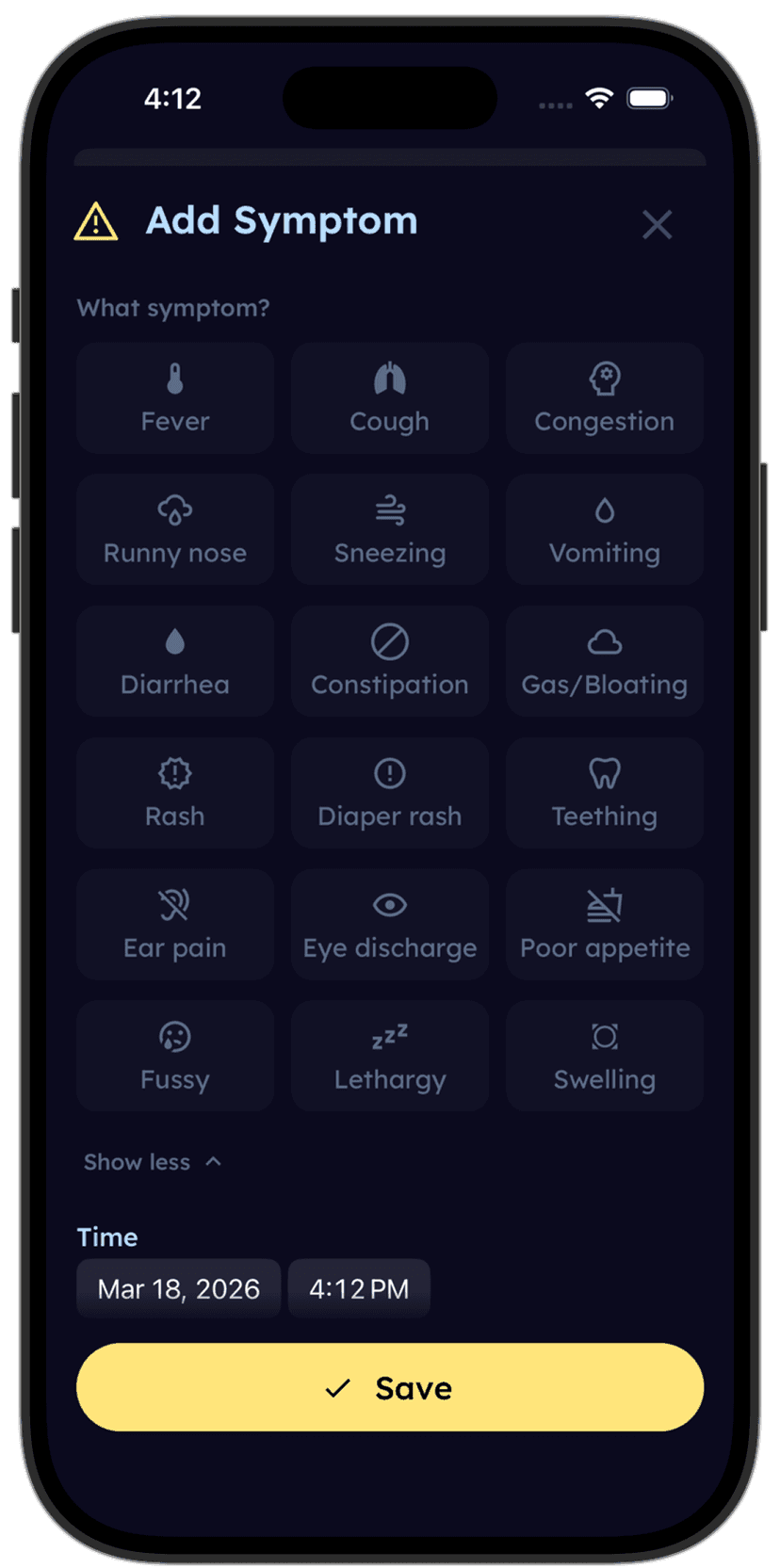
Tinylog tracks feedings so you can spot patterns.
Log breast, bottle, and solid feedings alongside teething symptoms and fussy periods. See if feeding drops line up with new teeth coming in.


Cleaning and Hygiene
Babies put teethers in their mouths dozens of times a day, drop them on the floor, and occasionally share them with the dog. How easy a teether is to clean matters more than most product reviews acknowledge.
Chuya Baby Teether Toy: Rinse with warm soapy water, boil for 3–5 minutes, or place on the top rack of the dishwasher. Silicone does not harbor bacteria the way fabric can, and there are no crevices where mold can hide. This is about as low-maintenance as a baby product gets.
Baby Einstein Opus the Octopus: Wipe the silicone tentacle tips with warm soapy water. Spot-clean the fabric body with a damp cloth. Do not submerge, boil, or machine wash. The mixed materials mean you need to be more careful — and more vigilant about checking for mold or mildew inside the fabric portions, especially if your baby drools heavily on it.
If ease of cleaning is a priority (and for many exhausted parents, it absolutely is), the Chuya wins this category handily.
Safety: Both Meet Standards, With One Caveat
Both the Chuya Baby Teether Toy and Baby Einstein Opus the Octopus Teether are BPA-free, phthalate-free, and PVC-free. Both comply with CPSC safety regulations and ASTM F963 toy safety standards.
The one safety consideration worth noting: Opus has more components. Any teether with mixed materials — fabric, plastic, silicone — has more potential failure points. Check the seams and tentacle attachments regularly for wear. If fabric starts to fray or a silicone tip loosens, discard the toy.
The Chuya teether, being a single molded piece of silicone, has no seams, joints, or attachment points that could fail. As long as the silicone is intact and not deeply scratched, it remains safe.
Both products are safe for supervised use. Just inspect any teether regularly — especially after your baby develops teeth strong enough to bite off small pieces.
| Product | Typical Price | Cost Per Unit | Notes |
|---|---|---|---|
| Chuya Baby Teether Toy | $6–$10 | ~$6–$10 each | Often sold in multi-packs for better value |
| Baby Einstein Opus the Octopus Teether | $8–$13 | ~$8–$13 each | Single unit; occasionally bundled with other Baby Einstein toys |
Price: Both Are Affordable
Neither of these teethers will strain your budget. The Chuya Baby Teether Toy runs $6–$10 and is frequently available in multi-packs that bring the per-unit cost down further. Baby Einstein Opus typically costs $8–$13 as a single unit.
The price difference is modest — roughly $2–$5 between them. Given that most families end up owning several teethers (babies are notoriously picky about what they'll chew on any given day), buying one of each is a perfectly reasonable approach and still costs less than a single box of diapers.
A few ways to save:
- Check for multi-packs. Chuya teethers are often sold in sets of 2–3 at a lower per-unit price.
- Watch for sales. Both show up in Amazon Lightning Deals and Target Circle offers.
- Buy during registry completion discounts. If you still have an active baby registry, the completion discount applies to teethers too.
Choose Chuya Baby Teether Toy If
- Your baby is young (3–5 months) and needs something very lightweight and easy to grip
- You want a teether you can boil, dishwash, or sterilize without worrying about mixed materials
- You prefer a no-frills, purely functional teething tool
- You want something small and travel-friendly for the diaper bag
- Budget matters — you want effective teething relief at the lowest cost
Choose Baby Einstein Opus the Octopus If
- Your baby is 5+ months and enjoys exploring different textures and sounds
- You want a teether that doubles as a sensory toy with crinkle, color, and character appeal
- Your baby is drawn to stuffed-animal-style toys and may self-soothe by hugging or cuddling the teether
- You like the Baby Einstein brand and want toys that match a themed collection
- Your baby has several teeth already and needs varied chewing surfaces across multiple tentacles
- You want a teether that holds your baby's attention for longer stretches
Where to Buy
The Chuya Baby Teether Toy (~$6–$10) is a budget-friendly, all-silicone teether that gets the basics right — lightweight, easy to grip, simple to clean, and effective at soothing sore gums. Grab a multi-pack so you always have a clean one ready.
The Baby Einstein Opus Teether (~$8–$13) is the better pick if you want a teether that pulls double duty as a sensory toy. The crinkle fabric, multiple textures, and friendly octopus design keep older babies engaged well beyond the teething phase.
If you're unsure, get both. Together they cost about the same as a decent coffee, and your baby will almost certainly prefer one over the other on any given day.
Tinylog earns a small commission on purchases made through these links, at no cost to you.
Before you buy, it's worth checking promo.new for a deal. It doesn't cover everything, but we've had good luck with it.
The Bottom Line
The Chuya Baby Teether Toy and Baby Einstein Opus the Octopus Teether serve the same basic purpose — soothing sore gums — but they do it differently.
Chuya is the minimalist pick: lightweight, all-silicone, easy to sanitize, travel-friendly, and cheap. It's ideal for younger babies just starting to teethe and for parents who value simplicity and hygiene above all else.
Opus is the sensory pick: multi-textured tentacles, crinkle sounds, a cuddly body, and a character design that entertains babies even when their gums aren't bothering them. It's a better fit for older babies who want more stimulation from their toys.
There is no wrong answer. Many families end up owning both — and rotating them based on what their baby reaches for that day.
If teething is disrupting your baby's feeding patterns, Tinylog can help you track feeds, sleep, and fussy periods so you can spot trends and share real data with your pediatrician.
Sources
- American Academy of Pediatrics. "Teething: 4 to 7 Months." HealthyChildren.org, 2024.
- U.S. Consumer Product Safety Commission. "ASTM F963 — Standard Consumer Safety Specification for Toy Safety." cpsc.gov.
- American Dental Association. "Teething." MouthHealthy.org, 2025.
- Baby Einstein (Kids II). "Opus the Octopus Teether Toy — Product Information." babyeinstein.com, 2026.
- FDA. "Safely Soothing Teething Pain and Sensory Needs in Babies and Older Children." fda.gov, 2023.
- Mommyhood101. "Best Baby Teethers of 2026, Tested & Reviewed." mommyhood101.com.
Related Guides
This guide is for informational purposes only. Every baby is different, and teether preferences vary widely. If your baby shows signs of severe teething pain, refuses to eat, or has a fever above 101°F, contact your pediatrician. Never leave a baby unsupervised with any teething toy.
Frequently asked questions
- Is the Chuya Baby Teether Toy safe for newborns?
- The Chuya Baby Teether Toy is made from food-grade silicone and is BPA-free, but it is designed for babies who are actively teething — typically 3 months and older. Newborns do not usually need teethers. Always supervise teether use regardless of age.
- Can Baby Einstein Opus the Octopus go in the dishwasher?
- No. Because Opus contains mixed materials including fabric and crinkle elements, it is not dishwasher-safe. Wipe the silicone parts with warm soapy water and spot-clean the fabric portions. The Chuya teether, being all silicone, is easier to clean and can typically be boiled or placed on the top rack of a dishwasher.
- Which teether is better for a 4-month-old who just started teething?
- For a young teether, the Chuya Baby Teether Toy is often easier to grip because of its lightweight silicone construction. Baby Einstein Opus may be harder for a 4-month-old to hold and manipulate. By 6–7 months, most babies can handle either toy comfortably.
- Do either of these teethers contain BPA or phthalates?
- No. Both the Chuya Baby Teether Toy and Baby Einstein Opus the Octopus Teether are BPA-free and phthalate-free. Both meet CPSC and ASTM F963 safety standards for infant toys.
- Can I freeze these teethers?
- You can refrigerate the Chuya silicone teether for a cooling effect, and many parents do. Freezing is not recommended for either product — frozen teethers become too hard and can hurt a baby's gums. Baby Einstein Opus should not be frozen because of its mixed-material construction.
- My baby rejects every teether. What should I try instead?
- Some babies prefer chewing on a cold, damp washcloth or a parent's clean finger. You can also try offering teethers at different times of day — some babies are more receptive after a nap. If your baby is refusing to eat and seems uncomfortable, talk to your pediatrician about appropriate pain relief options.