GUIDE

Cradle Cap: Treatment vs. Letting It Resolve

Cradle cap (infantile seborrheic dermatitis) is harmless and usually resolves on its own by 6-12 months. Gentle treatment can speed removal for cosmetic reasons, but there's no medical need to treat it in most cases.

It looks worse than it is. Your baby doesn't notice it at all.

Track skin changes

Log symptoms and conditions

Cradle cap doesn't hurt, itch or cause pain. It usually bothers parents more than the child.
Dr. Marni TurellDr. Marni Turell, MD, Pediatrician, Cleveland Clinic

What Cradle Cap Actually Is

Cradle cap is infantile seborrheic dermatitis — an overproduction of sebum (skin oil) that causes yellowish, waxy, or crusty scales on the scalp. It affects up to 70% of infants in the first 3 months of life. It is not caused by poor hygiene, allergies, or infections. It's caused by overactive oil glands, likely stimulated by residual maternal hormones.

It looks alarming. The thick, yellowish, crusty patches can cover large areas of the scalp and look like something that needs medical intervention. But cradle cap is painless, non-itchy (unlike baby eczema, which does itch), and completely harmless. Your baby is unaware of it. The main "patient" in cradle cap is the parent who doesn't like the way it looks.

This is why the decision to treat vs. wait is genuinely a personal preference, not a medical one. Both approaches are valid. Neither is wrong. The only scenario where treatment becomes medically indicated is if the area becomes infected (redness, swelling, oozing) or if it's severe enough that a medicated shampoo is needed.


Treatment vs. Letting It Resolve
Timeframe
Active TreatmentActive removal can clear scales in 1-4 weeks with regular treatment
Letting It ResolveUsually resolves on its own by 6-12 months
Effort
Active TreatmentRequires oil application, brushing, and regular shampooing
Letting It ResolveNo effort — just wait and do normal bathing
Medical necessity
Active TreatmentNone — treatment is cosmetic unless infection or inflammation develops
Letting It ResolveAppropriate for most cases since cradle cap is harmless
Recurrence
Active TreatmentScales may return even after successful removal; may need repeated treatment
Letting It ResolveScales may wax and wane but eventually stop recurring
Baby's comfort
Active TreatmentGentle treatment doesn't bother baby; aggressive scrubbing can irritate skin
Letting It ResolveBaby is unaware of cradle cap — it doesn't itch or hurt
Cost
Active TreatmentOil ($5-15), soft brush ($5-10), possibly medicated shampoo ($8-15)
Letting It ResolveFree
Cradle cap is a cosmetic concern in the vast majority of cases. Treatment is optional.

Treatment: Advantages

  • Clears the scales faster for parents who find the appearance bothersome
  • Simple process — oil, brush, wash — that can be part of bath routine
  • Prevents thick scale buildup that becomes harder to remove later
  • Gives parents a sense of doing something proactive
  • Gentle brushing can be a pleasant bonding activity during bath time

Gentle treatment is safe and effective. The key word is gentle — no picking, no scratching, no aggressive scrubbing.

Treatment: Challenges

  • Scales often come back, requiring repeated treatment
  • Aggressive scrubbing or picking can irritate the scalp or cause infection
  • Adds a step to bath routine that isn't medically necessary
  • Some marketed cradle cap products are overpriced for what they do

If treatment feels like a chore and baby isn't bothered, it's okay to stop and just wait it out.

Letting It Resolve: Advantages

  • No risk of irritating baby's scalp from treatment
  • Saves time and money on products and treatment steps
  • Cradle cap resolves on its own in nearly all cases
  • Baby is not bothered by it — the condition is painless and non-itchy
  • Aligns with evidence that cradle cap is self-limiting and benign

This is the approach many pediatricians quietly recommend: do nothing, it goes away.

Letting It Resolve: Challenges

  • Thick scales may accumulate if left completely untreated
  • Can look concerning to family members or other caregivers
  • Rarely, untreated thick scales can trap moisture and lead to secondary issues
  • Parents may feel judged or anxious about the appearance

If the appearance bothers you, gentle oil-and-brush treatment is perfectly fine. You're not harming baby either way.

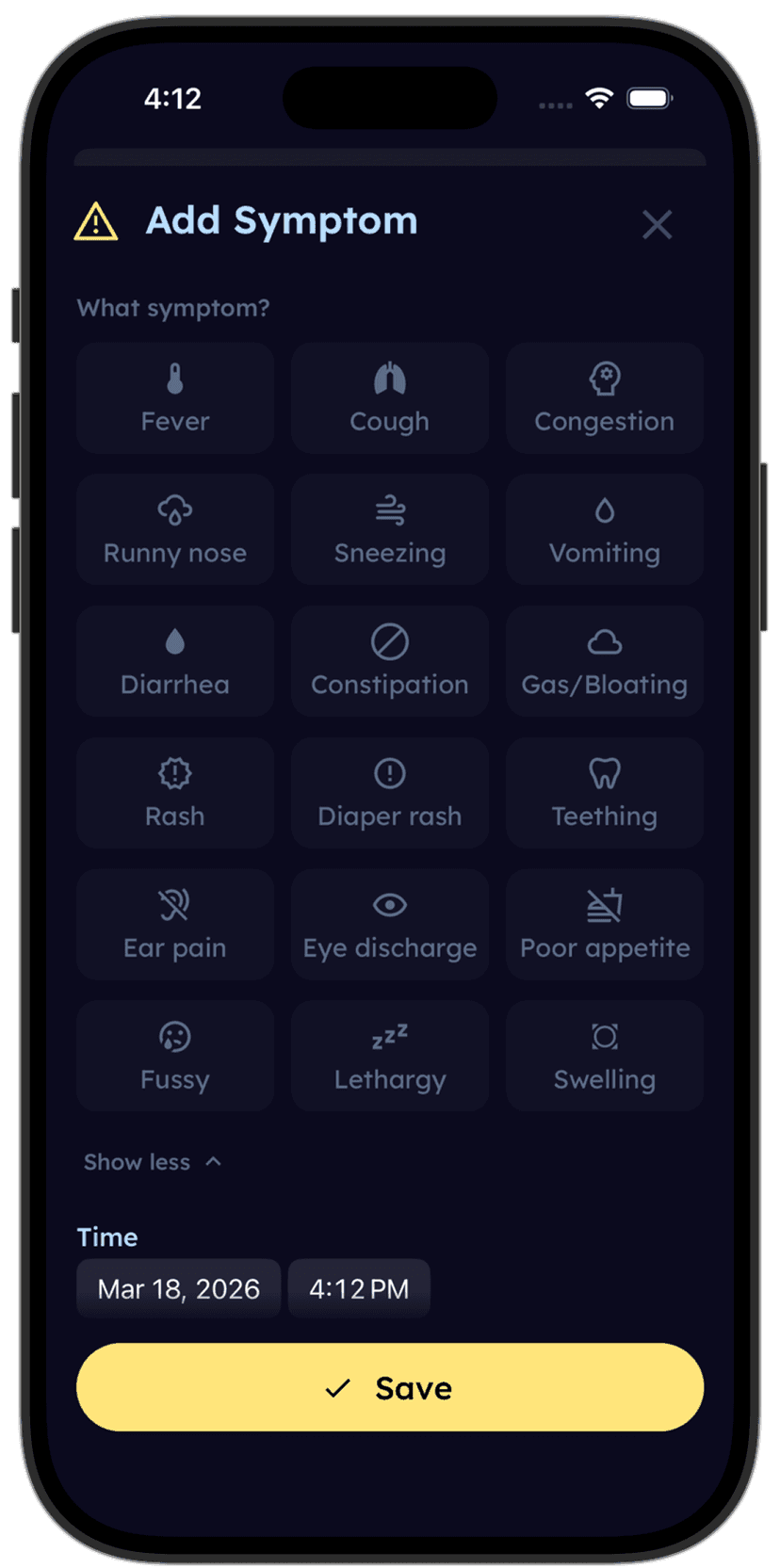
Tinylog symptom logging for tracking skin conditions

Track skin changes alongside everything else.

Tinylog lets you log skin symptoms and note what products you've tried. If cradle cap persists or changes, you'll have a record to share with your pediatrician.

Download on the App StoreGet It On Google Play

The Simple Treatment That Works

If you decide to treat, this is the evidence-supported approach:

Step 1: Oil. Apply coconut oil, olive oil, or mineral oil to the scaly areas. Let it sit for 15-20 minutes to soften the scales. Some parents apply oil before nap time to give it more time to work.

Step 2: Brush. Use a soft-bristle baby brush or a fine-tooth comb (a cradle cap comb like the FridaBaby DermaFrida works well). Gently brush in circular motions to lift the softened scales. Do not scrub hard or pick at scales that aren't ready to come off.

Step 3: Wash. Shampoo with a mild baby shampoo (not medicated unless your pediatrician recommends it). This removes the oil and any loosened scales. Rinse thoroughly.

Repeat 2-3 times per week. Most cases clear significantly within 2-4 weeks. If scales return, repeat the process. If you've been treating consistently for a month with no improvement, or if the scalp looks inflamed, see your pediatrician.

When It's More Than Cosmetic

See your pediatrician if cradle cap is accompanied by redness and inflammation beyond mild pinkness, if the area is oozing, cracked, or bleeding, if it spreads to the face, neck, or body folds significantly, if baby seems itchy or uncomfortable (scratching at the scalp), or if it persists past 12 months of age.

These signs may indicate secondary infection, eczema overlap, or another condition that looks like cradle cap but isn't. Our newborn skin guide covers the full range of common skin conditions in the first weeks. Your pediatrician may recommend a medicated shampoo (antifungal like ketoconazole) or a mild topical steroid for short-term use.

Tips That Apply Either Way

Use plain oil, not expensive 'cradle cap solutions'

Coconut oil, olive oil, or mineral oil work as well as any marketed cradle cap product. Apply to the scalp 15-20 minutes before bath time, gently brush with a soft-bristle brush or fine-tooth comb, then wash with a mild baby shampoo. That's the whole treatment.

Know when it's not cradle cap

If the scalp is red, weepy, cracked, or spreading rapidly — or if it appears after 12 months of age — it may not be simple cradle cap. Eczema, psoriasis, and fungal infections can mimic cradle cap. See your pediatrician if the presentation seems unusual.

Don't use adult dandruff shampoo

Products like Head & Shoulders or Selsun Blue are too harsh for infant skin. If medicated shampoo is needed, your pediatrician may recommend a mild antifungal shampoo (ketoconazole 2%) used sparingly. But this is rarely necessary for typical cradle cap.

Related Guides

  • Cradle Cap Guide — Complete guide to causes, treatment, and when to see a doctor
  • Newborn Skin — Everything about your newborn's skin in the first weeks
  • Baby Eczema — How to identify and manage eczema in babies

Sources

  • Nobles, T., & Harwood, C. A. (2020). "Cradle Cap (Infantile Seborrheic Dermatitis)." StatPearls Publishing.
  • O'Connor, N. R., et al. (2008). "Infantile Seborrheic Dermatitis." American Family Physician, 77(1), 47-52.
  • Foley, P., & Zuo, Y. (2003). "Seborrheic Dermatitis." Clinical Evidence, (10), 1874-1888.
  • AAP. (2023). "Cradle Cap and Seborrheic Dermatitis in Babies." HealthyChildren.org.

This guide is for informational purposes only and is not a substitute for professional medical advice. Consult your pediatrician for guidance specific to your baby.

Get this comparison in your inbox.
We'll send you this guide so you can reference the treatment options when deciding what to do.
Track what works for your baby's skin.
Download Tinylog — log skin changes, products used, and what makes a difference so you can share useful info with your pediatrician.
Download on the App StoreGet It On Google Play