
GUIDE
Doona+ Infant Car Seat & Stroller vs. Mockingbird Single-to-Double 2.0
Published on
These two products solve very different problems. The Doona+ is an infant car seat with integrated wheels — perfect for quick trips and travel. The Mockingbird Single-to-Double 2.0 is a full-size stroller that grows with your family. Most parents benefit from one or the other, not both.
The Doona+ and the Mockingbird Single-to-Double 2.0 sit at opposite ends of the stroller spectrum. One prioritizes seamless car-to-sidewalk transitions for newborns. The other prioritizes long-term versatility and value. Your daily routine, budget, and family-planning timeline will determine which makes more sense.
Log feeds, diapers, and sleep on the go
Two Very Different Products for Two Very Different Problems
The Doona+ and the Mockingbird Single-to-Double 2.0 get compared often, but they are not really the same category of product. Understanding that up front will save you a lot of decision fatigue.
The Doona+ is an infant car seat that sprouts wheels. You pop it out of your car base and roll it straight into the store, the doctor's office, or the coffee shop. No separate stroller frame. No transferring a sleeping baby. It is purpose-built for the first year of life, and it does that one thing remarkably well.
The Mockingbird Single-to-Double 2.0 is a full-size stroller system designed to grow with your family for three to four years. It handles a newborn (with a compatible car seat adapter or bassinet accessory), converts to a toddler seat, and expands to a double stroller when a second child arrives.
Which one makes sense depends on your daily routine, how long you want to use it, and whether more kids are on the horizon.
| Feature | Doona+ | Mockingbird 2.0 | What It Means |
|---|---|---|---|
| Type | Infant car seat with integrated stroller wheels | Full-size modular stroller (single or double) | Fundamentally different products solving different problems. |
| Age / weight range | 4–35 lbs (birth to ~12 months) | Birth to 50 lbs per seat (with accessories, usable for years) | Mockingbird lasts dramatically longer. Doona is infant-only. |
| Car seat included | Yes — it is the car seat | No — stroller only (adapters available for most car seat brands) | Doona eliminates one purchase. Mockingbird requires a separate car seat. |
| Foldable | Yes — wheels tuck under the car seat | Yes — one-hand fold, self-standing | Doona folds more compactly. Mockingbird folds quickly but is bulkier. |
| Weight (stroller mode) | ~16.5 lbs | ~25 lbs (single configuration) | Doona is significantly lighter. Big advantage for carrying in and out of cars. |
| Storage basket | Small — limited space beneath seat | Large — fits a full diaper bag comfortably | Mockingbird wins by a wide margin. Doona's basket is an afterthought. |
| Canopy | Adequate — built into the car seat shell | Large UPF 50+ extendable canopy with peek-a-boo window | Mockingbird's canopy is larger, offers better sun coverage, and has a window. |
| Ride quality | Acceptable for short trips — small wheels, limited suspension | Smooth — larger wheels, all-wheel suspension | Mockingbird handles sidewalks, curbs, and uneven terrain much better. |
| Expandable to double | No | Yes — add a second seat for a younger sibling | If a second child is possible, Mockingbird saves you from buying another stroller. |
| FAA approved for aircraft | Yes | No (gate-check only) | Doona is one of the few car seat–stroller combos approved for in-flight use. |
| Safety standards | FMVSS 213 (car seat) + ASTM F833 (stroller) | ASTM F833 (stroller) + JPMA certified | Doona meets both car seat and stroller safety standards. Both are fully certified. |
The Convenience Factor: Nothing Beats the Doona for Quick Trips
If your daily life involves frequent short car trips — pediatrician visits, grocery runs, daycare drop-offs — the Doona+ eliminates a genuine pain point. You unbuckle the car seat, extend the handle, and you are rolling. No stroller frame to unfold. No transferring a sleeping baby who will absolutely wake up.
For parents in urban environments who use rideshares, the Doona+ is especially practical. You install it in the car, arrive at your destination, and walk away without needing to stash a stroller in a trunk.
The trade-off is real, though. The Doona's small wheels handle smooth surfaces well, but they struggle on cracked sidewalks, grass, and gravel. The storage basket barely fits a small bag. And the stroller pushing experience is mediocre compared to a purpose-built stroller — you are pushing a car seat on wheels, and it feels like it.
For a 15-minute errand, none of that matters. For a two-hour walk through the park, all of it matters.
One more thing worth noting: the Doona+ weighs about 16.5 lbs — heavier than most infant car seats (which average 7–10 lbs). You will feel that weight when carrying it by the handle, especially as your baby grows. The integrated wheel mechanism adds bulk that a standard infant seat does not have. If you are in a walkup apartment or regularly haul the seat up stairs, factor that into your decision.
The Longevity Factor: Mockingbird Wins on Years of Use
The Mockingbird Single-to-Double 2.0 is built for the long haul. Its seat holds children up to 50 lbs, which means most kids can ride it until age 3 or 4. Add the second seat kit (~$150), and it becomes a double stroller for two children — without buying an entirely new product.
The ride quality is noticeably better: larger wheels, all-wheel suspension, and a smoother push on everything from mall floors to park paths. The storage basket is genuinely useful — it fits a full diaper bag, a blanket, and snacks with room to spare. The UPF 50+ canopy extends far enough to shade your child on sunny days.
Where the Mockingbird loses to the Doona is the car-to-sidewalk transition. You need a separate infant car seat. You need to either transfer your baby or use an adapter to click the car seat onto the stroller frame. It is an extra step every single time — and when you have a sleeping newborn, that extra step can feel enormous.
The Mockingbird also accepts a bassinet attachment (sold separately, ~$100) for newborns who are not yet sitting up. This gives you a flat sleeping surface for long walks — something the Doona cannot offer since the baby is always in a semi-reclined car seat position.
Assembly is straightforward. Most parents report setting up the Mockingbird in 15–20 minutes out of the box with minimal tools. The Doona requires no assembly — it arrives ready to use.
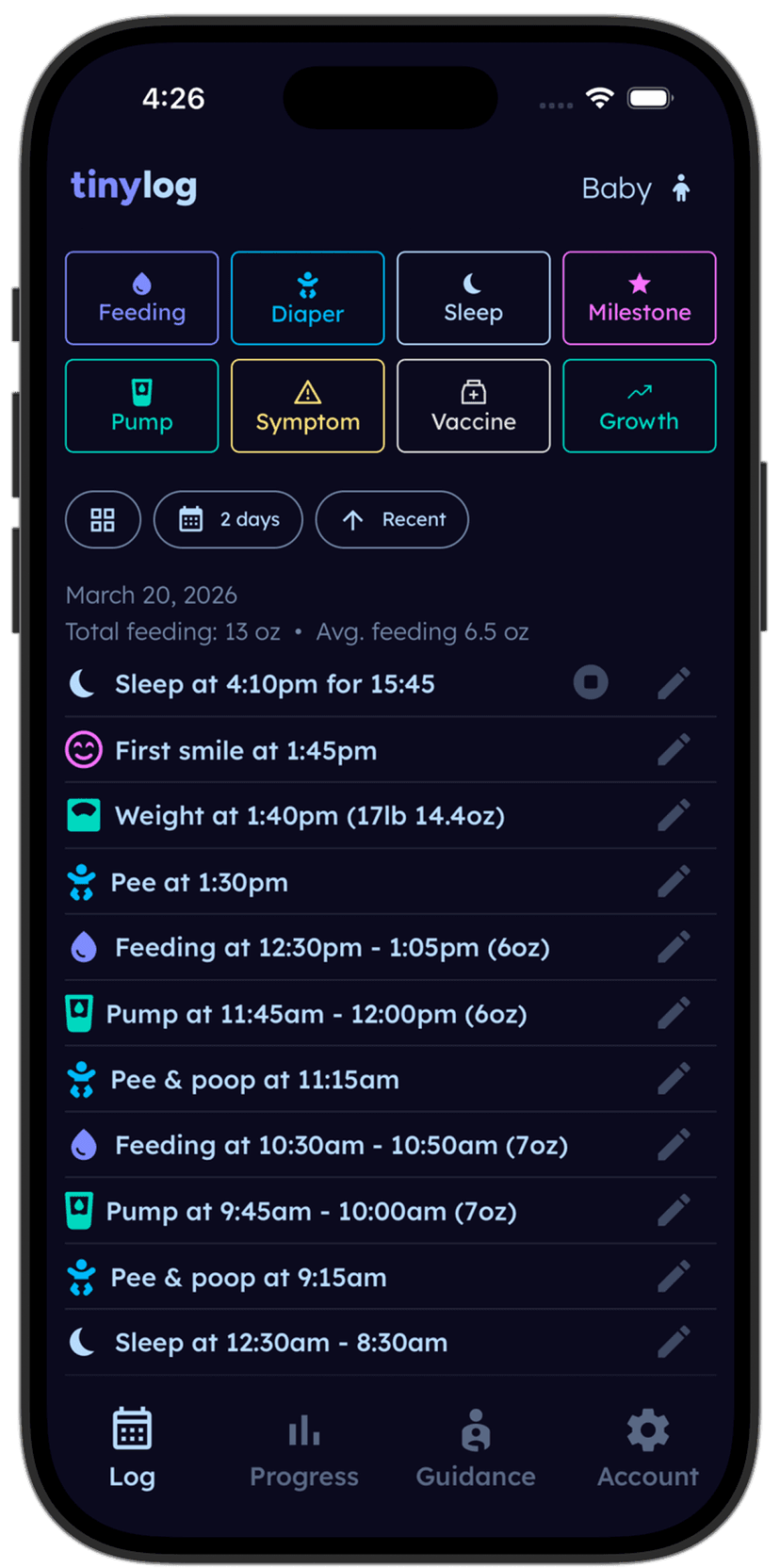
Tinylog tracks feeds, sleep, and diapers on the go.
Whether you're out with the stroller or on a road trip, log everything from your phone. Share data with your partner and your pediatrician.


Safety: Both Are Fully Certified, but the Doona Does Double Duty
The Doona+ meets FMVSS 213 (the federal motor vehicle safety standard for child restraints) and ASTM F833 (the consumer safety standard for strollers). It is one of the few products in the world certified as both a car seat and a stroller.
The Mockingbird 2.0 meets ASTM F833 and is JPMA certified (Juvenile Products Manufacturers Association). It is a stroller, not a car seat, so car seat safety depends on whichever infant seat you pair with it.
Both products have strong safety records. The Doona's dual certification is a genuine engineering achievement — fitting crash-test-worthy car seat protection into a frame that also rolls is no small feat.
One safety note for the Doona: always ensure the wheels are fully retracted and locked before installing it in a vehicle. The integrated wheel mechanism adds complexity that a traditional car seat does not have. The Doona includes both LATCH and seat belt installation options, and it is critical to follow the manual precisely — the wheel retraction lock must click audibly before every car ride.
For the Mockingbird, safety is determined by whichever infant car seat you pair with it. Stick with one of the compatible brands listed on Mockingbird's site, and use the correct adapter. An improperly attached car seat on any stroller frame is a serious risk.
| Product | Typical Price | Cost Per Month of Use | Additional Costs to Consider |
|---|---|---|---|
| Doona+ Infant Car Seat & Stroller | $550–$600 | ~$46–$60 (assuming 10–14 months of use) | Stroller needed after ~12 months ($200–$800+) |
| Mockingbird Single-to-Double 2.0 | $495–$545 | ~$11–$15 (assuming 3–4 years of use) | Infant car seat required ($100–$350). Second seat kit ~$150. |
Total Cost of Ownership: The Math Favors Mockingbird
The sticker prices are similar — roughly $500–$600 for either product. But the total cost of ownership tells a different story.
The Doona+ costs about $550 and lasts 10–14 months. After that, you need a separate stroller ($200–$800) and possibly a convertible car seat ($150–$400). Your total spend for car seat + stroller through toddlerhood: $900–$1,800.
The Mockingbird 2.0 costs about $500 and lasts 3–4 years. You still need an infant car seat ($100–$350), and potentially the second seat kit ($150) if you add another child. Total spend for stroller + car seat through toddlerhood: $600–$1,000.
The Mockingbird is the better value on a per-month basis by a wide margin. But if the Doona's convenience saves your sanity during the intense newborn months, that has real value too.
One thing to consider: resale value. Both products hold value well on the secondhand market. Doona+ units in good condition typically resell for 40–55% of retail. Mockingbird strollers resell for 35–50%. If you plan to sell after you are done, the effective cost drops for both — though car seats should only be resold if they have never been in an accident and are not expired.
Choose the Doona+ If
- You take frequent short car trips (errands, appointments, daycare drop-off)
- You fly regularly with your baby and want an FAA-approved car seat that rolls through the airport
- You live in a city and need to hop in and out of rideshares or taxis
- You value a lightweight, ultra-compact solution for the first year
- You plan to buy a separate toddler stroller anyway
Choose the Mockingbird Single-to-Double 2.0 If
- You want one stroller system that lasts from birth through toddlerhood
- You are planning or considering a second child within a few years
- You take long walks, visit parks, or stroll on mixed terrain regularly
- Storage space matters — you carry a diaper bag, snacks, and gear
- You want the best cost-per-year value in a premium stroller
- You prioritize ride comfort and a smooth push over compactness
Where to Buy
The Doona+ Infant Car Seat & Stroller (~$550) is the best car-to-sidewalk solution on the market for the newborn phase. If your life involves a lot of quick car trips, airport travel, or rideshares, the seamless transition from car seat to stroller will save you real frustration every single day. Buy from an authorized retailer to ensure warranty coverage and recall notifications.
The Mockingbird Single-to-Double 2.0 (~$500) is one of the best values in the full-size stroller category. You get premium build quality, smooth ride, massive storage, and the option to expand to a double — all at a price that undercuts competitors by $200–$400. It ships direct from Mockingbird with free shipping and a generous return window.
If you can only buy one, the Mockingbird is the more versatile long-term investment. If you want both convenience and longevity, some parents buy the Doona for the first year and a Mockingbird for the toddler years — though that is the most expensive path.
Tinylog earns a small commission on purchases made through these links, at no cost to you.
Before you buy, it's worth checking promo.new for a deal. It doesn't cover everything, but we've had good luck with it.
The Bottom Line
The Doona+ and the Mockingbird Single-to-Double 2.0 are both excellent products that excel at different things.
The Doona+ is unmatched for seamless car-to-sidewalk convenience during the infant phase. It eliminates the stroller-car seat shuffle entirely. But it is heavy for a car seat, limited for long walks, and your baby will outgrow it within a year.
The Mockingbird 2.0 is one of the best-value full-size strollers available — smooth ride, serious storage, and the ability to grow from one child to two. But it requires a separate car seat and an extra step every time you transition from car to walk.
For most families buying a single product, the Mockingbird offers more utility over a longer period at a lower total cost. For families who prioritize the newborn-phase car seat convenience above all else, the Doona+ delivers something no other product can.
If you are tracking your baby's feeds, sleep, and diapers — especially during the newborn months when patterns are still emerging — Tinylog makes it easy to log everything on the go, right from your phone.
Related Guides
- Baby Feeding Chart — How much your baby should eat by age
- 1-Month-Old Sleep Schedule — What to expect in the first weeks
- Pampers Swaddlers vs. Huggies Little Snugglers — The two best-selling diapers compared
Sources
- Doona. "Doona+ Infant Car Seat & Stroller — Specifications and Safety." doona.com, 2026.
- Mockingbird. "Mockingbird Single-to-Double 2.0 Stroller — Features and Specs." hellomockingbird.com, 2026.
- NHTSA. "FMVSS 213: Child Restraint Systems." nhtsa.gov.
- ASTM International. "ASTM F833: Standard Consumer Safety Performance Specification for Carriages and Strollers." astm.org.
- JPMA. "Certification Program for Juvenile Products." jpma.org.
- Consumer Reports. "Best Strollers of 2026." consumerreports.org, 2026.
- Babylist. "Doona Car Seat & Stroller Review." babylist.com, 2026.
- What to Expect. "Mockingbird Stroller Review." whattoexpect.com, 2025.
This guide is for informational purposes only and does not constitute professional safety advice. Always follow manufacturer instructions for installation and use. Consult your pediatrician if you have questions about car seat safety or stroller use for your child.
Frequently asked questions
- Can the Doona+ be used as a regular stroller for toddlers?
- No. The Doona+ is an infant car seat with integrated wheels, rated from 4–35 lbs (roughly birth to 12 months). Once your baby outgrows the infant seat, you need a separate stroller. It is not designed for toddler use.
- Can the Mockingbird Single-to-Double carry an infant car seat?
- Yes. The Mockingbird 2.0 is compatible with most major infant car seat brands using adapters (sold separately). You can clip in a car seat from day one, then switch to the included toddler seat as your child grows.
- Which is better for air travel, the Doona+ or the Mockingbird?
- The Doona+ is significantly better for air travel. It is FAA-approved for use on aircraft, fits in overhead bins of some larger planes, and eliminates the need to carry a separate car seat and stroller through the airport. The Mockingbird is a full-size stroller that must be gate-checked.
- Is the Mockingbird Single-to-Double worth it if I only have one child?
- Yes. It works perfectly well as a single stroller out of the box. The double-stroller capability is optional — you only add the second seat if and when you need it. As a single stroller, it competes with models costing $200–$400 more.
- How long does the Doona+ last before you need a new stroller?
- Most babies outgrow the Doona+ between 10–14 months, depending on their weight and height. At that point you will need a standalone stroller. Factor this transition cost into your budget when comparing to longer-lasting stroller systems.
- Can I jog with either of these strollers?
- No. Neither the Doona+ nor the Mockingbird Single-to-Double 2.0 is designed for jogging. Both have fixed front wheels. If you plan to run with your baby, you need a dedicated jogging stroller with a lockable swivel front wheel and a hand brake.