
GUIDE
Dr. Brown's Anti-Colic Options+ vs. Tommee Tippee Natural Start Anti-Colic
Published on
Both are solid anti-colic bottles with different approaches. Dr. Brown's uses an internal vent system that's clinically shown to reduce colic symptoms. Tommee Tippee relies on a built-in valve in a breast-like nipple for a simpler, fewer-parts design. Cost is comparable.
Dr. Brown's Natural Flow Anti-Colic Options+ and Tommee Tippee Natural Start Anti-Colic are two of the most popular anti-colic bottles on the market. They solve the same problem — reducing air ingestion during feeding — but with very different engineering approaches. The right choice depends on how much you value proven vent technology versus ease of cleaning and a breast-like latch.
Log bottles, note spit-up, and track intake
Two Popular Anti-Colic Bottles — Same Goal, Different Engineering
Dr. Brown's Natural Flow Anti-Colic Options+ and Tommee Tippee Natural Start Anti-Colic are two of the best-selling anti-colic bottles worldwide. Both aim to reduce the air your baby swallows during feeding, which can cause gas, fussiness, and colic symptoms.
The honest truth: both bottles work well for most babies. But they take fundamentally different approaches. Dr. Brown's uses a patented internal vent system with extra parts. Tommee Tippee builds a simpler anti-colic valve directly into the nipple, keeping the design closer to a standard bottle.
We broke down the vent technology, nipple design, cleaning burden, and real-world cost so you can pick the right bottle — or feel confident knowing that trying both is a perfectly reasonable strategy.
For more on how much your baby should eat per feeding, see our baby feeding chart.
| Feature | Dr. Brown's Options+ | Tommee Tippee Natural Start | What It Means |
|---|---|---|---|
| Manufacturer | Handi-Craft Company | Mayborn Group (part of Stokke) | Both are well-established baby product companies with decades of market presence. |
| Anti-colic system | Internal vent system (two-piece insert) | Built-in anti-colic valve in nipple | Dr. Brown's vent is more complex but clinically studied. Tommee Tippee's valve is simpler with fewer parts. |
| Number of parts | 5 with vent (bottle, nipple, collar, vent insert, reservoir) | 3 (bottle, nipple, screw ring) | Tommee Tippee wins on simplicity. Fewer parts means faster cleaning and assembly. |
| Nipple shape | Narrow, traditional shape | Wide, breast-shaped dome | Tommee Tippee's nipple is designed to mimic the breast. Dr. Brown's also offers a wide-neck version. |
| Breast-to-bottle transition | Good — natural flow rate | Better — shape and latch mimic breastfeeding | Tommee Tippee edges out for babies switching between breast and bottle. |
| Flow rate options | Preemie, Level 1–4, Y-cut | Slow, Medium, Fast, Variable | Dr. Brown's has more granular flow levels. Both cover newborn through toddler stages. |
| Material options | Borosilicate glass and polypropylene plastic | Polypropylene plastic (some glass options) | Dr. Brown's glass bottles are popular with parents who want to avoid plastic. Both plastics are BPA-free. |
| Dishwasher safe | Yes (top rack) | Yes (top rack) | Tie. Both are dishwasher safe, though hand-washing Dr. Brown's vents is recommended. |
| Size options | 2 oz, 4 oz, 8 oz, 9 oz | 5 oz, 9 oz, 11 oz | Dr. Brown's offers a smaller 2 oz / 4 oz size better suited for newborns and preemies. |
| Leak resistance | Can leak if vent is improperly assembled | Good — fewer parts reduce assembly errors | Tommee Tippee is more forgiving. Dr. Brown's requires careful assembly to prevent leaks. |
| Nutrient preservation | Clinically shown to preserve vitamins C, A, and E | No specific claims | Dr. Brown's positive-pressure flow reduces oxidation of breast milk nutrients. |
| Wide-neck option | Yes — Options+ Wide-Neck available | All bottles are wide-neck | Tommee Tippee is wide-neck by default. Dr. Brown's offers both narrow and wide. |
The Vent System: The Core Difference
The defining difference between these bottles is how they handle air.
Dr. Brown's Options+ uses a two-piece internal vent system — a vent insert and reservoir that sits inside the bottle. As your baby sucks, air is channeled through the vent and into the back of the bottle, completely bypassing the milk. This creates a positive-pressure flow similar to breastfeeding, which means your baby isn't fighting a vacuum to get milk out. The result is less air swallowed, less oxidation of breast milk nutrients, and a more consistent flow rate.
Tommee Tippee Natural Start uses a one-piece valve built into the base of the nipple. The valve flexes open as needed to let air into the bottle, preventing vacuum buildup. It's a simpler mechanism with no extra parts to assemble or lose.
In practice, parents dealing with severe colic or gas tend to report better results with Dr. Brown's vent system. For mild fussiness, Tommee Tippee's valve is often sufficient — and the reduced cleaning burden is a real quality-of-life win at 3 AM.
Nipple Shape and Breast-to-Bottle Transition
If you're breastfeeding and introducing a bottle, nipple shape matters more than most parents realize.
Tommee Tippee's nipple is wide, dome-shaped, and designed to flex like breast tissue. It encourages a wide latch similar to breastfeeding, which can reduce nipple confusion. Many lactation consultants recommend breast-shaped nipples for babies who are still establishing a breastfeeding routine.
Dr. Brown's standard nipple is narrower and more traditional in shape. It works well for babies who are exclusively bottle-fed or who have already established a breastfeeding routine. Dr. Brown's does offer a wide-neck version (Options+ Wide-Neck) with a broader nipple that's closer to Tommee Tippee's shape.
If breast-to-bottle transition is your top priority, Tommee Tippee has the edge out of the box. If you prefer Dr. Brown's vent system but want a wider nipple, look at the wide-neck line.
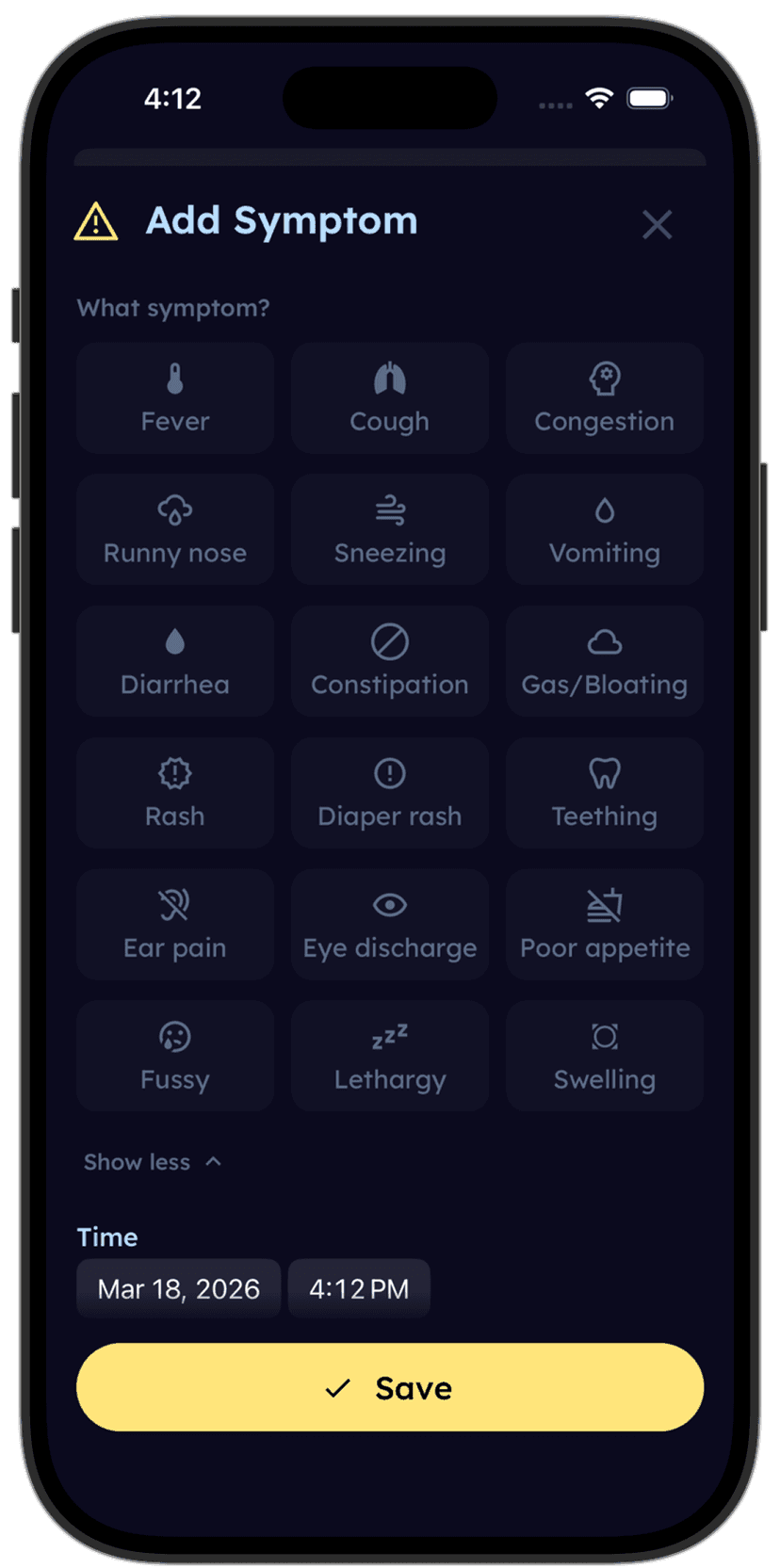
Tinylog tracks feedings so you can spot patterns.
Log bottle feeds, note spit-up and gas, track ounces over days and weeks. Bring the data to your next pediatrician visit.


Cleaning and Assembly: The Daily Reality
This is where the rubber meets the road for tired parents. You will wash bottles 6–10 times a day. The number of parts and complexity of assembly adds up fast.
Dr. Brown's Options+ with the vent system has five parts: bottle, nipple, collar, vent insert, and vent reservoir. Each piece needs to be disassembled, washed, and reassembled correctly. If the vent isn't seated properly, the bottle can leak. A small brush (included) is needed to clean the vent reservoir. The good news: once your baby outgrows colic (typically around 4 months), you can remove the vent entirely and use it as a simple three-piece bottle.
Tommee Tippee Natural Start has three parts: bottle, nipple, and screw ring. The anti-colic valve is integrated into the nipple and doesn't separate. Cleaning is straightforward — no special brushes, no tiny parts to track.
If cleaning simplicity is high on your list, Tommee Tippee wins this category clearly.
| Product | Typical Price | Cost Per Bottle | Notes |
|---|---|---|---|
| Dr. Brown's Options+ (4 oz, 4-pack) | $18–$24 | ~$4.50–$6.00 | Best for newborns. Vent replacement packs ~$6 for 2. |
| Tommee Tippee Natural Start (9 oz, 4-pack) | $22–$30 | ~$5.50–$7.50 | Nipple replacement packs ~$8 for 2. |
| Dr. Brown's Options+ (8 oz, 4-pack) | $20–$26 | ~$5.00–$6.50 | Popular size for 3+ months. Glass version ~$8/bottle. |
| Tommee Tippee Natural Start (5 oz, 4-pack) | $20–$26 | ~$5.00–$6.50 | Smaller size for younger babies. |
Price: Similar Upfront, Different Over Time
The per-bottle cost between Dr. Brown's and Tommee Tippee is close — typically within $1–$2 per bottle. Where costs diverge is in replacement parts.
Dr. Brown's vent inserts and reservoirs wear out and need periodic replacement (~$6 for a 2-pack). Tommee Tippee nipples also need replacing as they wear, and tend to cost slightly more (~$8 for a 2-pack). Over a year of feeding, total cost for either system is roughly comparable.
Ways to save on bottles:
- Buy starter sets. Both brands offer newborn kits with multiple sizes and flow rates at a better per-bottle price.
- Register for them. Bottles are a perfect baby registry item — let others buy your initial supply.
- Don't overbuy upfront. Start with 3–4 bottles to confirm your baby accepts the nipple before buying a full set.
- Watch for formula brand bundles. Some formula subscriptions include discounted bottles.
Choose Dr. Brown's Options+ If
- Your baby has significant colic, gas, or spit-up issues
- You want a clinically studied vent system backed by research
- You prefer glass bottles to avoid plastic entirely
- You need a Preemie or very slow flow nipple for a young or premature baby
- You don't mind extra parts and cleaning time for better air reduction
- Preserving breast milk nutrients is important to you
Choose Tommee Tippee Natural Start If
- Your baby is transitioning between breast and bottle
- You want the fewest possible parts to clean and assemble
- You value a breast-like nipple shape for natural latch
- You want a bottle that's harder to assemble wrong or leak
- Mild to moderate gas or colic symptoms (not severe)
- You're a caregiver or partner who needs a simple, intuitive bottle
Where to Buy
If gas, colic, or spit-up is your primary concern, the Dr. Brown's Natural Flow Anti-Colic Options+ (~$5–$6/bottle in a 4-pack) is the most clinically backed anti-colic bottle on the market. The internal vent system is more work to clean, but parents dealing with serious colic consistently report that it makes a real difference. Start with the 4 oz size for newborns.
If you want a simpler bottle with solid anti-colic performance and a breast-like nipple, the Tommee Tippee Natural Start Anti-Colic (~$5.50–$7/bottle in a 4-pack) is an excellent choice — especially for breastfed babies who need an easy transition. Three parts, intuitive assembly, and a shape babies tend to accept readily.
Our honest advice: if your baby has mild fussiness, start with Tommee Tippee for the easier cleaning. If colic is severe, try Dr. Brown's. Many parents end up owning both.
Tinylog earns a small commission on purchases made through these links, at no cost to you.
Tip: check promo.new before purchasing. It's hit or miss depending on the product, but when it hits, you'll be glad you checked.
The Bottom Line
Both Dr. Brown's Options+ and Tommee Tippee Natural Start are well-designed anti-colic bottles that reduce air ingestion during feeding. The differences are real and worth understanding:
Dr. Brown's Options+ edges out on clinical evidence for colic reduction, nutrient preservation, glass bottle availability, granular flow options, and the ability to remove the vent as your baby grows.
Tommee Tippee Natural Start edges out on ease of cleaning, breast-like nipple shape, simpler assembly, fewer parts to lose or misassemble, and overall convenience for caregivers.
For most families, the deciding factor comes down to severity of colic symptoms versus tolerance for extra cleaning. Severe colic? Start with Dr. Brown's. Mild fussiness with a premium on simplicity? Go with Tommee Tippee. And remember — babies are individuals. The bottle your friend swears by might not be the one your baby prefers.
If you're tracking feeding amounts and timing — which is especially useful in the first few months — Tinylog makes it easy to log bottles and spot patterns over time.
Related Guides
- Baby Feeding Chart — How much your baby should eat by age
- Baby Constipation — What's normal and when to worry
- Baby Diarrhea — Normal stool vs. when to call the pediatrician
- Baby Diaper Rash — Causes, treatment, and when to call your doctor
Sources
- Dr. Brown's. "Anti-Colic Internal Vent System — How It Works." drbrownsbaby.com, 2026.
- Tommee Tippee. "Natural Start Anti-Colic Bottles — Product Information." tommeetippee.com, 2026.
- Journal of Human Lactation. "Effect of Bottle Design on Formula Intake and Colic Symptoms." 2014.
- Mommyhood101. "The Best Anti-Colic Bottles of 2026, Tested & Reviewed." mommyhood101.com.
- What to Expect. "Best Anti-Colic Bottles for Gassy Babies." whattoexpect.com, 2026.
- BabyList. "Dr. Brown's vs. Tommee Tippee: Which Bottle Is Best?" babylist.com, 2025.
- Consumer Reports. "Best Baby Bottles From Our Tests." consumerreports.org, 2026.
This guide is for informational purposes only. Bottle choice is a personal preference based on your baby's individual needs. If your baby has persistent colic, excessive spit-up, or feeding difficulties, consult your pediatrician.
Frequently asked questions
- Does Dr. Brown's actually reduce colic?
- Dr. Brown's internal vent system has been clinically studied and shown to reduce colic symptoms by minimizing air ingestion and preserving nutrients like vitamins C, A, and E during feeding. The vent creates a positive-pressure flow similar to breastfeeding, which reduces the vacuum effect that causes babies to swallow air.
- Is Tommee Tippee Natural Start good for breastfed babies?
- Yes. The Tommee Tippee Natural Start nipple is designed to mimic the shape and flex of a breast, making it one of the more popular choices for babies who switch between breast and bottle. The wide, dome-shaped nipple encourages a natural latch, though individual babies vary in what they accept.
- Which bottle is easier to clean?
- Tommee Tippee Natural Start is significantly easier to clean. It has three parts — bottle, nipple, and screw ring. Dr. Brown's Options+ has five parts when using the vent system (bottle, nipple, collar, vent insert, and vent reservoir). You can remove the vent from Dr. Brown's Options+ as your baby grows, which reduces parts to three.
- Can you use Dr. Brown's bottles without the vent system?
- Yes. The Options+ line is specifically designed to let you remove the internal vent system once your baby's feeding matures and colic symptoms decrease — typically around 4+ months. Without the vent, the bottle functions like a standard three-piece bottle.
- Are Dr. Brown's or Tommee Tippee bottles more expensive?
- They are priced within about $1–$2 per bottle of each other. Dr. Brown's tends to be slightly cheaper per bottle, but replacement vent parts add ongoing cost. Tommee Tippee nipple replacements are slightly pricier. Over a year, total cost is very similar.
- Which bottle has slower flow for newborns?
- Both offer Level 0 or Preemie-flow nipples, but Dr. Brown's Level 1 nipple tends to have a slightly slower flow rate than Tommee Tippee's slow-flow nipple. For premature babies or very young newborns who need the slowest possible flow, Dr. Brown's Preemie nipple is a strong option.