
GUIDE
Fisher-Price Kick & Play Piano Gym vs. Fisher-Price Jumperoo
Published on
These serve different developmental stages. The Kick & Play Piano Gym is ideal from birth through early toddlerhood with its lying-down-to-sitting play progression. The Jumperoo shines once baby can hold their head up (4+ months) and wants to bounce and spin. Many families end up owning both.
The Kick & Play Piano Gym and the Jumperoo are two of Fisher-Price's best-selling baby products, but they are fundamentally different tools for different moments. One is a floor gym that grows with your baby through four play positions. The other is a stationary bouncer that lets your baby go absolutely feral with jumping energy. Comparing them is like comparing a Swiss Army knife to a pogo stick — both useful, totally different jobs.
Log tummy time, play sessions, and developmental milestones
Okay So These Are Completely Different Products
Here's what nobody tells you when you're scrolling through baby gear at 2 AM: the Kick & Play Piano Gym and the Jumperoo are not really competitors. They solve different problems at different stages. Comparing them is a little like comparing a crib to a high chair — both essential, but you would never swap one for the other.
The Fisher-Price Deluxe Kick & Play Piano Gym is a floor-based activity mat with an overhead toy arch and a detachable piano that your baby kicks with their feet. It starts working from literally day one. Newborns lie on their backs and bat at dangling toys. Older babies flip over for tummy time. Toddlers sit up and bang on the piano like tiny unhinged musicians. Four play positions, one product.
The Fisher-Price Jumperoo is a stationary bouncer with a 360-degree spinning seat, spring-loaded base, and a ring of toys surrounding baby like a sensory fortress. Baby stands in the seat, bounces, spins, and goes absolutely nuts for about 15 minutes while you do something radical like drink coffee with both hands.
So why compare them? Because parents on a budget ask us this constantly: if I can only buy one right now, which one?
| Feature | Kick & Play Piano Gym | Jumperoo | What It Means |
|---|---|---|---|
| Manufacturer | Fisher-Price (Mattel) | Fisher-Price (Mattel) | Same brand, same safety standards, totally different products. |
| Product type | Activity gym / play mat | Stationary jumper / bouncer | Floor-based exploration vs. upright bouncing. Different categories entirely. |
| Age range | 0–36 months | 4+ months until walking (~12 months) | The Piano Gym has a dramatically longer usable lifespan. |
| Typical price | ~$45 | ~$80 | The Jumperoo costs nearly double. You're paying for the spring mechanism and rotating seat. |
| Play positions | 4 positions (back, tummy time, sitting, standing) | 1 position (seated/bouncing, 360° rotation) | The Piano Gym adapts as baby grows. The Jumperoo does one thing extremely well. |
| Lights and music | Yes — piano keys light up, 65+ sounds and songs | Yes — lights, music, sounds activated by bouncing | Both deliver sensory stimulation. The Piano Gym rewards kicking; the Jumperoo rewards bouncing. |
| Gross motor development | Kicking, reaching, tummy time, pulling up | Leg strengthening, bouncing, core stability | The Piano Gym covers more developmental milestones across a broader range. |
| Space required | ~30" × 30" — lays flat, leans against wall | ~33" diameter circle — not foldable | The Piano Gym wins big on storage. The Jumperoo is a permanent resident in your living room. |
| Portability | Lightweight, folds relatively flat | Bulky, not easily moved between rooms | You can toss the Piano Gym in the car for grandma's house. The Jumperoo stays put. |
| Independent play factor | Moderate — younger babies need supervision nearby | High — baby is contained and entertained | The Jumperoo buys you 15–20 minutes of hands-free time. Parents call it the 'dinner saver.' |
| Batteries | 3 AA batteries for piano unit | 3 AA batteries for light/sound station | Both eat batteries. Budget for rechargeables or you'll be making weekly battery runs. |
The Age Range Thing Is a Big Deal
This is probably the most important difference between these two products and the thing that should drive your decision if you are standing in Target right now with a gift card burning a hole in your pocket.
The Kick & Play Piano Gym works from birth through roughly 36 months. That is three full years of use. Your newborn kicks the piano keys on their back. Your 6-month-old does tummy time with the piano repositioned in front of them. Your 1-year-old sits up and plays it like a keyboard. Your 2-year-old carries the detachable piano around the house and plays it during car rides. The thing just keeps being useful.
The Jumperoo has a window of roughly 4 to 12 months. Baby needs to hold their head up steadily and have feet touching the floor (there are height adjustments). Once baby starts walking, the Jumperoo is done. That is about 8 months of active use — and honestly, some babies lose interest even sooner.
Eight months of use at $80 vs. three years of use at $45. The math is not subtle.
What Each One Actually Does for Development
Both products deliver real developmental benefits, but they target different skills.
The Piano Gym builds:
- Cause and effect — baby kicks, piano plays music. This is genuinely one of the earliest cognitive connections babies make.
- Bilateral coordination — kicking with both feet, reaching with both hands toward the overhead arch.
- Tummy time tolerance — the repositioned piano rewards pushing up and head lifting with lights and sounds.
- Fine motor skills — grabbing, spinning, and batting at the hanging toys on the arch.
The Jumperoo builds:
- Leg strength — the spring-loaded bouncing builds leg muscles that contribute to standing and walking.
- Core stability — staying upright in the seat while bouncing and spinning requires trunk control.
- Spatial awareness — the 360-degree rotation lets baby discover toys all around them.
- Rhythmic movement — bouncing to music helps with coordination and body awareness.
Neither product is a substitute for free floor play, which remains the gold standard for motor development. But both add variety and motivation to baby's day.
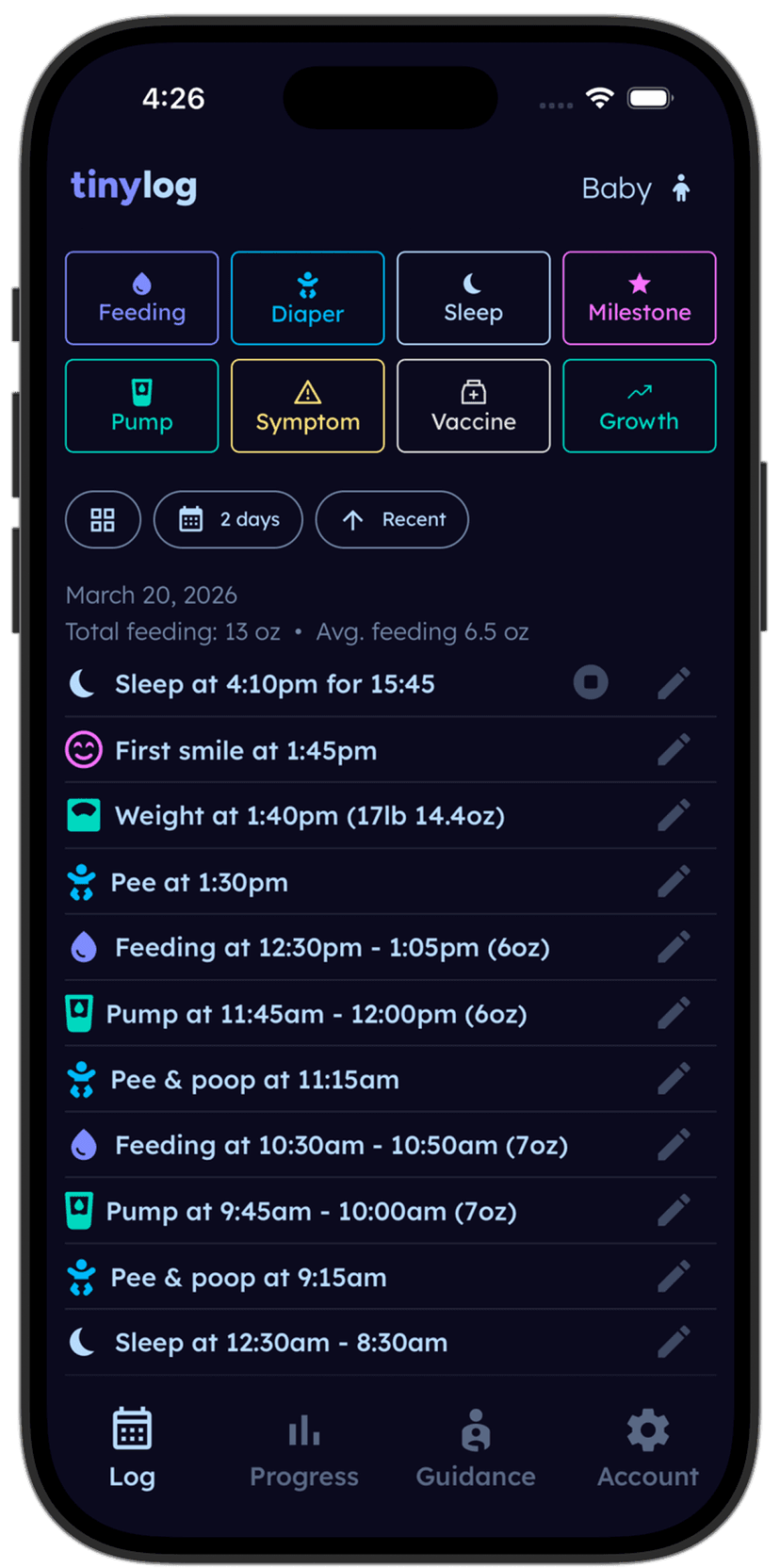
Tinylog tracks milestones and activities so you see the big picture.
Log tummy time sessions, play activities, and developmental milestones. See patterns over weeks and months. Share progress with your pediatrician.


The Real Talk About the Jumperoo and Physical Therapy
We need to address this because it comes up constantly. Pediatric physical therapists have opinions about jumpers, and you should hear them.
The concern: prolonged time in jumpers can encourage babies to push off with their toes rather than flat feet, potentially reinforcing a toe-walking pattern. The bouncing motion also does not mimic the actual mechanics of walking — so despite what it looks like, bouncing in a Jumperoo does not teach your baby to walk.
The reality: used in moderation (15–20 minutes at a time, not hours), the Jumperoo is perfectly fine for most babies. It builds leg strength, provides sensory stimulation, and gives your baby a contained space to be joyfully chaotic while you do things that require two free hands.
The key word is moderation. It should be one of many activities in baby's day, not the default parking spot. Same goes for any container — swings, bouncers, you name it. Free floor time is still king.
Space and Storage: This Matters More Than You Think
Nobody talks about this enough in baby gear reviews, but physical footprint matters when you live in a normal-sized home and not a baby gear showroom.
The Kick & Play Piano Gym lays flat on the floor. When baby is done, you fold down the arch, lean the whole thing against a wall or slide it under a couch. The detachable piano unit is about the size of a large book. You can throw it in a diaper bag for trips to grandma's house.
The Jumperoo is a 33-inch-diameter circle of plastic and springs that does not fold, does not collapse, and does not fit under anything. It lives in your living room like a piece of furniture until baby outgrows it. Some parents put it in a corner. Some try to move it between rooms. Most eventually accept that it just lives there now.
If you are in a small apartment, this alone might make your decision for you.
| Product | Typical Price | Daily Cost (Amortized) | Monthly Cost (Amortized) |
|---|---|---|---|
| Fisher-Price Deluxe Kick & Play Piano Gym | $40–$50 | ~$0.04/day over 36 months | ~$1.25/month amortized |
| Fisher-Price Jumperoo | $70–$90 | ~$0.33/day over 8 months | ~$10/month amortized |
The Money Angle
The Kick & Play Piano Gym retails for around $45. The Jumperoo runs about $80. Both go on sale regularly — you can catch the Piano Gym for $35 and the Jumperoo for $60 if you watch deals.
But the real cost story is about value over time. The Piano Gym at $45 spread across 36 months of use comes out to roughly a dollar and change per month. The Jumperoo at $80 spread across 8 months of use is about $10 per month. The Piano Gym delivers roughly 8x more value per dollar when measured by usable lifespan.
That said, the Jumperoo has incredible resale value. Used Jumperoos sell for $30–$50 on Facebook Marketplace all day long because the demand is constant. So your real cost might be $30–$50 after resale, which changes the math a bit.
Both products also make excellent baby shower gifts if someone is asking what you need.
Choose the Kick & Play Piano Gym If
- Your baby is a newborn or under 4 months and you need something right now
- You want a product that grows with baby through multiple developmental stages
- Floor space and storage are limited in your home
- Tummy time is a battle and you need something to make it less painful
- You want the better long-term value for the money
Choose the Jumperoo If
- Your baby is 4+ months and already holding their head up like a champ
- You need a contained, safe spot where baby can go wild while you eat dinner
- Your baby is the type who wants to be upright and bouncing constantly
- You have the floor space and don't mind a semi-permanent baby station
- Leg strengthening and pre-walking bouncing are developmental priorities right now
- You want maximum sensory overload to keep baby entertained (no judgment, we've all been there)
Where to Buy
The Fisher-Price Deluxe Kick & Play Piano Gym (~$45) is the better all-around value and the one we would pick if forced to choose only one. Four play positions from birth through toddlerhood, a detachable piano that keeps being useful long after the gym itself is outgrown, and a footprint that does not take over your living room. Grab it from Amazon, Target, or Walmart — price is usually the same everywhere.
The Fisher-Price Jumperoo (~$80) is the one you buy when your 5-month-old is losing their mind because they want to be upright and bouncing and you want 15 minutes to eat a meal that is still warm. It does one job and it does that job incredibly well. The 360-degree seat and spring-loaded bounce deliver a level of baby joy that is honestly hard to beat. Worth every penny during its window of usefulness.
If budget allows, get both. The Piano Gym carries you from birth, and the Jumperoo slots in perfectly once baby has head control. Together they cost about $125, which is less than a single fancy stroller accessory.
Tinylog earns a small commission on purchases made through these links, at no cost to you.
Want to save a few bucks? promo.new is worth a quick look. It won't always have your product, but when it does, the savings are real.
The Bottom Line
These are not competing products — they are complementary ones that serve different developmental stages and different parental needs.
The Fisher-Price Kick & Play Piano Gym is the smarter buy if you want one product that lasts from birth through toddlerhood. It is cheaper, more portable, easier to store, and supports a wider range of developmental milestones. If you are buying for a newborn or want maximum versatility, start here.
The Fisher-Price Jumperoo is the right buy when your baby hits that 4–8 month sweet spot where they desperately want to be upright and moving but cannot walk yet. It is a sanity saver for parents and a joy machine for babies. The window is shorter and the price is higher, but during that window, nothing else compares.
If someone told us to pick one? Piano Gym. But if you have the space and the budget for both, your baby — and your sanity — will thank you.
If you are tracking your baby's activities, tummy time, and milestones, Tinylog makes it simple to log everything and spot developmental patterns over time.
Related Guides
- Baby Feeding Chart — How much your baby should eat by age
- Tummy Time Guide — When to start, how long, and what to do when baby hates it
- Baby Play by Age — Developmentally appropriate activities from birth to 12 months
- Baby Milestones — Month-by-month developmental milestones to watch for
Sources
- Fisher-Price.com. "Deluxe Kick & Play Piano Gym — Product Information." 2026.
- Fisher-Price.com. "Jumperoo — Product Information." 2026.
- American Academy of Pediatrics. "Back to Sleep, Tummy to Play." healthychildren.org, 2025.
- Pediatric Physical Therapy Journal. "Infant Equipment Use and Motor Development." 2024.
- Consumer Reports. "Best Baby Activity Centers and Gyms." consumerreports.org, 2026.
- What to Expect. "Best Baby Jumpers and Activity Centers." whattoexpect.com, 2026.
This guide is for informational purposes only and does not constitute medical advice. Every baby develops at their own pace. If you have concerns about your baby's motor development, consult your pediatrician or a pediatric physical therapist.
Frequently asked questions
- Can I use the Fisher-Price Kick & Play Piano Gym from birth?
- Yes. The Kick & Play Piano Gym is designed for babies from birth through 36 months. Newborns start on their back batting at the overhead arch, and the piano can be repositioned as baby grows into tummy time, sitting, and standing play.
- When can my baby start using the Fisher-Price Jumperoo?
- Babies can use the Jumperoo once they can hold their head up steadily and their feet touch the floor while in the seat — typically around 4 to 6 months. Use should stop once baby starts walking or exceeds the weight limit (usually around 25 lbs).
- Is the Jumperoo bad for baby's legs or hips?
- Pediatric physical therapists generally recommend limiting jumper use to 15–20 minutes at a time. Extended use can encourage toe-walking patterns and does not help babies learn to walk. In moderation, the Jumperoo is safe and enjoyable for most babies.
- Do I need both the Kick & Play Piano Gym and the Jumperoo?
- Not necessarily. The Piano Gym covers a much wider age range (0–36 months) and supports more developmental stages. The Jumperoo fills a specific window (roughly 4–12 months) when babies crave upright bouncing. If budget or space is tight, the Piano Gym offers more versatility.
- How much space does the Jumperoo take up?
- The Jumperoo has a roughly 33-inch diameter footprint and is not foldable. It takes up significant floor space. The Kick & Play Piano Gym lays flat and can be leaned against a wall when not in use, making it much easier to store.
- Can the Kick & Play Piano Gym help with tummy time?
- Yes. One of the four play positions is specifically designed for tummy time, with the piano repositioned in front of baby to encourage head lifting and arm pushing. The lights and music reward baby's movements, making tummy time less miserable for everyone.