
GUIDE
Frida Baby Get-A-Grip vs. Baby Einstein Opus the Octopus Teether
Published on
Both are solid teethers with different strengths. Frida Baby Get-A-Grip wins on compact grip design for younger babies, dishwasher-safe simplicity, and lower price. Baby Einstein Opus the Octopus wins on multi-texture tentacles, sensory variety, and engaging design that keeps older babies interested longer. Neither is a wrong choice.
The Frida Baby Get-A-Grip and Baby Einstein Opus the Octopus are two popular teethers that take different approaches to soothing sore gums. One is a streamlined silicone grip designed for tiny hands. The other is a colorful octopus with eight textured tentacles that double as chew points. The right pick depends on your baby's age, what kind of stimulation they respond to, and whether you want a teether or a teether-meets-sensory-toy.
Log feedings, teething symptoms, and fussiness
Two Approaches to Sore Gums
The Frida Baby Get-A-Grip and Baby Einstein Opus the Octopus are both trying to solve the same problem: your baby is teething, miserable, and chewing on everything within reach. But they go about it in very different ways, and those differences matter depending on your baby's age and temperament.
Frida Baby Get-A-Grip is the minimalist. It's a compact, solid silicone teether shaped for tiny hands to grab without help. The textured nubs and ridges are designed to apply pressure exactly where sore gums need it. There are no bells and whistles — just a well-designed chew tool that goes in the dishwasher when it hits the floor.
Baby Einstein Opus the Octopus is the sensory explorer. Eight tentacles, each with a different texture, give babies multiple ways to chew, grab, and investigate. The bright colors and friendly octopus face add visual interest that keeps babies engaged between bouts of gnawing. It's a teether that doubles as a toy.
The honest version: Frida is the teether you grab when your baby needs gum relief right now. Opus is the teether your baby reaches for when they want something interesting to hold, explore, and eventually chew on. Both work. Your baby's preference will probably come down to whether they want focused pressure or a full sensory experience.
| Feature | Frida Baby Get-A-Grip | Baby Einstein Opus | What It Means |
|---|---|---|---|
| Manufacturer | Frida Baby (USA) | Baby Einstein / Kids II (USA) | Both are well-known baby brands. Frida is known for practical, no-fuss baby care products. Baby Einstein focuses on developmental play and sensory engagement. |
| Material | 100% food-grade silicone | BPA-free silicone and soft plastic with varied textures | Both are BPA-free and safe. Frida's solid silicone is easier to sterilize. Opus uses mixed materials to create different textures across tentacles. |
| Recommended age | 0+ months | 3+ months | Frida can be used from birth. Opus is recommended from 3 months onward due to its larger size and multi-arm design. |
| Grip design | Compact shape with nubs and contoured edges for small hands | Eight tentacles — each one a separate grab point for little fingers | Frida is easier for very young babies. Opus gives older babies more grab options, which keeps them engaged longer. |
| Textures | Uniform silicone with raised nubs and ridges | Multiple distinct textures across different tentacles — bumps, ridges, smooth surfaces | Opus wins on texture variety. Each tentacle offers a different chewing experience. Frida focuses on consistent gum relief. |
| Sensory stimulation | Primarily tactile — textured nubs for gum pressure | Multi-sensory — varied textures, bright colors, engaging octopus shape | Opus provides more sensory input overall. Frida is designed to do one job well: soothe sore gums. |
| Cleaning | Dishwasher safe (top rack), boil-safe, easy to sterilize | Wipe with warm soapy water; air dry; check specific care label | Frida wins on cleaning convenience. Dishwasher-safe silicone is hard to beat for busy parents. |
| Refrigerator safe | Yes — can be chilled for extra gum relief | Yes — can be chilled for extra gum relief | Both can go in the fridge. Neither should go in the freezer. |
| Durability | Solid silicone holds up well to repeated chewing and sterilization | Durable construction, though mixed materials may show wear with heavy use | Frida's solid silicone is slightly more resilient over months of daily chewing and frequent washing. |
| Portability | Compact and easy to toss in a diaper bag | Larger footprint due to tentacle spread; harder to stash neatly | Frida is easier to travel with. Opus takes up more bag space but is still manageable. |
| Entertainment value | Minimal — designed as a pure teething tool | Higher — bright colors, character design, and tentacles keep babies visually engaged | Opus doubles as a sensory toy that holds attention. Frida is purely functional. |
| Price | ~$8–$12 | ~$6–$10 | Both are budget-friendly. Opus is slightly cheaper and offers more sensory features for the price. |
Grip Design: Who Can Hold What
A teether that keeps sliding out of your baby's hand is a teether you're picking up off the floor every 30 seconds. Grip design actually matters.
Frida Baby Get-A-Grip was named for this exact reason. The compact shape with contoured edges and nubby surfaces gives small, uncoordinated hands several ways to latch on. Babies under 4 months — who are still figuring out how to hold things on purpose — tend to do well with it because the whole teether fits comfortably in a small fist.
Baby Einstein Opus takes a different approach: instead of one compact grip, it offers eight tentacles radiating out from a central body. A baby lying in a bouncer or on a play mat can grab whichever tentacle is closest. Older babies with better hand control enjoy holding one tentacle while chewing on another, which keeps them occupied longer.
The practical difference: if your baby is very young and still developing their grasp, Frida's compact design is easier to hold independently. If your baby is 4 months or older and enjoys grabbing at things, Opus gives them more to work with — and the multiple tentacles mean there's always something within reach.
One thing worth noting: babies who are lying on their backs during tummy-time breaks often do well with Opus because the tentacles splay out within reach. Frida's compact form works better when your baby is sitting supported or in a bouncer and can bring the teether directly to their mouth.
Textures and Sensory Experience
Teething babies don't just want to chew — they want to chew on something that feels interesting. The texture of a teether affects how satisfying it is to gnaw on and how long your baby stays engaged.
Frida Baby Get-A-Grip keeps textures simple. The raised nubs and ridges across its silicone surface provide consistent gum stimulation. Every part of the teether feels roughly the same, which means your baby gets reliable pressure no matter which section ends up in their mouth. For a baby in peak teething pain, this consistency can be a good thing — they don't need to search for the "right" spot.
Baby Einstein Opus treats each tentacle as a different texture zone. Some tentacles have bumps, others have ridges, and some are smoother. This means a baby can move from tentacle to tentacle and get a different sensation each time. For babies who are restless chewers — the ones who gnaw on something for 10 seconds and then drop it — the variety can keep them occupied longer.
What this means for your baby: if they tend to chew steadily on one spot, Frida's uniform texture does the job. If they're the type to constantly rotate objects in their mouth looking for something new, Opus gives them more to discover.
Worth mentioning: both teethers can be placed in the refrigerator before use. A chilled teether provides extra numbing relief on swollen gums. Just skip the freezer — frozen teethers become too hard and can bruise tender gum tissue.
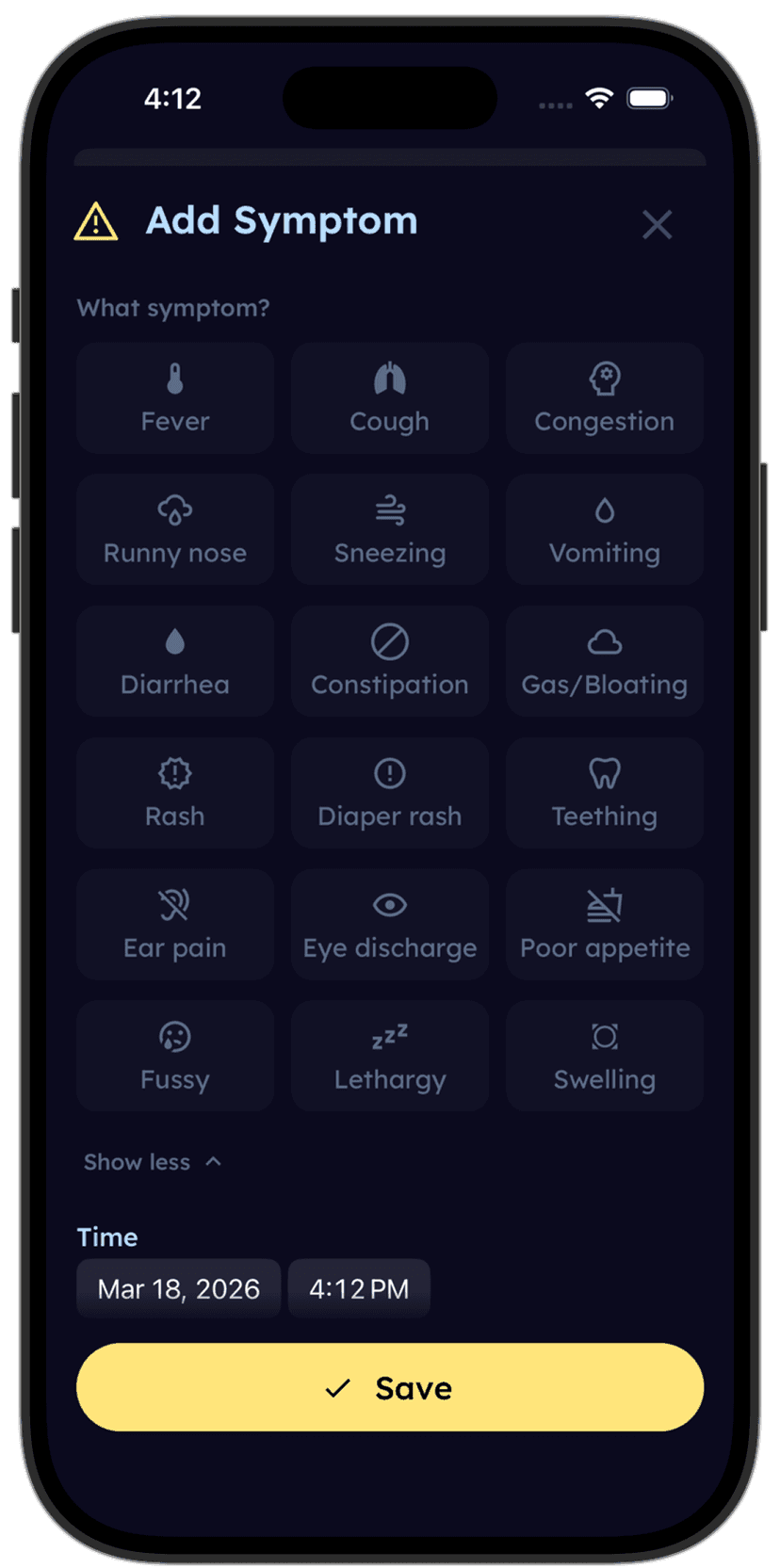
Tinylog tracks feedings so you can spot patterns.
Log feedings, note fussiness and drool days, and see whether teething is affecting your baby's appetite or sleep. Bring the data to your next pediatrician visit.


Cleaning: A Real Everyday Difference
Both of these teethers will end up on the floor at a restaurant, under a car seat, and in your baby's mouth within the span of five minutes. How you clean them after that sequence matters.
Frida Baby Get-A-Grip is dishwasher safe (top rack) and can be boiled for full sterilization. Its solid silicone body has no crevices, hollow parts, or joints where gunk can hide. Rinse it, toss it in the dishwasher, done. This is one of its strongest practical advantages over many competing teethers.
Baby Einstein Opus is designed to be wiped clean with warm soapy water and air dried. Because of the multiple tentacles and textured surfaces, you may need to be a bit more thorough when cleaning between the nooks. Check the care label on your specific version for exact instructions, as guidelines can vary slightly across product runs.
The honest take: if you're the kind of parent who wants to toss teethers in the dishwasher at the end of the day without overthinking it, Frida makes that easy. Opus cleans up fine with a little more attention, but it's not quite as grab-and-go on the hygiene front.
| Product | Typical Price | Cost Per Unit | Notes |
|---|---|---|---|
| Frida Baby Get-A-Grip Silicone Teether | $8–$12 | $8–$12 | Food-grade silicone; dishwasher safe; compact grip design for small hands |
| Baby Einstein Opus the Octopus Teether | $6–$10 | $6–$10 | Multi-textured tentacles; bright colors; sensory engagement plus teething relief |
| Frida Baby Not-So-Fussy Teething Set | $14–$18 | ~$5–$6 per piece | Includes multiple Frida teethers in a bundle; good value if you want variety |
Price: Both Are Easy on the Budget
Unlike some teether comparisons where one product costs three times the other, this matchup is close on price — and both are affordable.
Frida Baby Get-A-Grip runs $8 to $12 depending on the retailer. That's reasonable for a well-designed, dishwasher-safe silicone teether from a trusted brand. Frida also sells teething bundles that bring the per-piece cost down if you want backup teethers stashed in the diaper bag, car, and grandma's house.
Baby Einstein Opus is often $6 to $10, making it slightly cheaper than Frida in most stores. For that price, you get a multi-textured teether with a playful design and genuine sensory value. It's one of the better deals in the teether aisle when you consider how much engagement it provides.
The value take: both teethers deliver good quality at a fair price. Opus edges ahead slightly on pure value — you get more textures and sensory features for a few dollars less. Frida's slight price premium buys you dishwasher-safe convenience, which may be worth every penny.
Either way, you're spending less than you would on a single coffee run. At these price points, many parents grab both and let their baby decide which one becomes the favorite.
Choose Frida Baby Get-A-Grip If
- Your baby is younger than 4 months and still building grip strength
- Easy cleaning is a top priority — you want to toss it in the dishwasher without thinking twice
- You prefer a simple, compact teether that fits in a pocket or diaper bag
- Your baby responds well to firm, consistent gum pressure rather than texture variety
- You want solid silicone with no mixed materials — straightforward and easy to sterilize
Choose Baby Einstein Opus If
- Your baby is 3 months or older and enjoys grabbing, exploring, and putting things in their mouth
- You want a teether that also works as a sensory toy to hold your baby's attention
- Your baby seems to prefer different textures on different parts of their gums
- Bright colors and fun character design matter to you — Opus gets a smile before it even hits the mouth
- You want multiple grab points so your baby always has a tentacle within reach
- Budget is a factor and you want strong sensory value for under $10
Where to Buy
If you want a compact, no-fuss teether built for small hands and easy cleaning, the Frida Baby Get-A-Grip Teether (~$8-$12) is a solid everyday pick. Dishwasher-safe silicone, firm textured nubs for gum relief, and a grip design that even young babies can manage on their own.
If you want a teether that doubles as a sensory toy with multiple textures and a fun design, the Baby Einstein Opus Teether (~$6-$10) gives babies more to explore. Eight differently textured tentacles, bright colors, and an engaging octopus shape that holds attention between teething bouts.
Our honest advice: both are affordable enough to try. If your baby is under 4 months, start with Frida for the easier grip. If they're older and love grabbing at everything, Opus gives them plenty to work with. Many families end up with both.
Tinylog earns a small commission on purchases made through these links, at no cost to you.
Tip: check promo.new before purchasing. It's hit or miss depending on the product, but when it hits, you'll be glad you checked.
The Bottom Line
The Frida Baby Get-A-Grip and Baby Einstein Opus the Octopus are both safe, well-made teethers that help babies through the rough patches of cutting teeth. They just prioritize different things.
Frida Baby Get-A-Grip wins on compact grip for young babies, dishwasher-safe cleaning, solid silicone simplicity, and no-nonsense gum relief. It's the teether that does one thing and does it well.
Baby Einstein Opus wins on texture variety, sensory engagement, visual appeal, and value per dollar. It's the teether your baby reaches for when they want something interesting to hold and explore — and it happens to soothe sore gums along the way.
For most families, it comes down to this: do you want pure gum relief or a sensory experience that includes gum relief? Frida is the focused tool. Opus is the multitasker. Both are under $12, both are safe, and your baby will have strong feelings about which one they prefer.
If you're logging feedings and keeping an eye on teething symptoms — fussiness, drool, changes in appetite — Tinylog makes it easy to track everything in one place and see patterns over time.
Sources
- Frida Baby. "Get-A-Grip Silicone Teether — Product Details." frida.com. 2026.
- Baby Einstein / Kids II. "Opus the Octopus Teether — Product Information." babyeinstein.com. 2026.
- American Academy of Pediatrics. "Teething: 4 to 7 Months." healthychildren.org. 2025.
- Consumer Product Safety Commission. "Teething Products Safety Information." cpsc.gov. 2025.
- What to Expect. "Best Teething Toys for Babies." whattoexpect.com. 2025.
- BabyCenter. "How to Choose a Safe Teether." babycenter.com. 2025.
Related Guides
This guide is for informational purposes only. Teether choice is a personal preference based on your baby's individual needs. If your baby has persistent teething pain, refuses to eat, or develops a fever above 101 degrees F, consult your pediatrician.
Frequently asked questions
- Is the Frida Baby Get-A-Grip teether dishwasher safe?
- Yes. The Frida Baby Get-A-Grip is made from 100% food-grade silicone and is top-rack dishwasher safe. You can also sterilize it in boiling water. The solid silicone construction means no hidden cavities where water or mold can accumulate.
- What age is Baby Einstein Opus the Octopus teether for?
- Baby Einstein Opus the Octopus is designed for babies 3 months and older. The multiple tentacles give babies several grab points, and each tentacle has a different texture for gum relief. Younger babies may need help holding it at first, but most babies get the hang of grabbing a tentacle by around 4 months.
- Can Baby Einstein Opus be refrigerated for extra teething relief?
- Yes. You can place Baby Einstein Opus in the refrigerator (not the freezer) for a cool chewing surface that helps numb sore gums. The cold adds an extra layer of relief during peak teething discomfort. Frida Baby Get-A-Grip can also be refrigerated. Neither teether should go in the freezer, as frozen teethers become too hard and can hurt a baby's gums.
- Which teether is better for a baby who is just starting to teeth?
- For a baby just starting to teeth — usually around 4 to 6 months — either teether works well. Frida Baby Get-A-Grip is easier for younger babies to hold independently thanks to its compact shape. Baby Einstein Opus gives babies more texture variety to explore, which can be helpful when they are still figuring out what kind of pressure feels best on their gums.
- Are there any BPA or phthalate concerns with these teethers?
- No. Both the Frida Baby Get-A-Grip and Baby Einstein Opus the Octopus are BPA-free, PVC-free, and phthalate-free. Both meet US Consumer Product Safety Commission standards and ASTM F963 toy safety requirements. Always buy from authorized retailers to ensure you receive genuine products.
- How do I clean Baby Einstein Opus the Octopus?
- Baby Einstein Opus can be wiped down with warm soapy water and allowed to air dry. Check the manufacturer's care instructions for your specific version, as cleaning guidelines can vary. The Frida Baby Get-A-Grip has a cleaning advantage here — its solid silicone body is dishwasher safe and can be boiled, making sterilization simpler.