
GUIDE
Frida Baby Get-A-Grip vs. Chuya Baby Teether Toy
Published on
Both are affordable silicone teethers with different design philosophies. Frida Baby Get-A-Grip wins on ergonomic grip for younger babies, minimal design, and brand reputation. Chuya Baby Teether Toy wins on distraction factor, visual engagement, and keeping babies entertained longer. Neither is a wrong choice — your baby will let you know which one they prefer.
The Frida Baby Get-A-Grip and the Chuya Baby Teether Toy are two budget-friendly silicone teethers that approach teething relief from different angles. Frida designed a compact, textured teether built for tiny hands that can barely grip a rattle. Chuya designed a TV remote lookalike that taps into every baby's obsession with the one object they are not supposed to have. Both soothe sore gums — but the experience they deliver along the way is quite different.
Log feedings, teething symptoms, and fussiness
Two Budget-Friendly Silicone Teethers — Different Strategies
The Frida Baby Get-A-Grip and the Chuya Baby Teether Toy are both affordable, food-grade silicone teethers that end up drenched in drool and chewed on relentlessly. Where they differ is how they approach the job of keeping a miserable, teething baby happy.
Frida Baby Get-A-Grip is the function-first teether. It's compact, covered in textured nubs and ridges, and shaped so that even a 3-month-old with minimal hand coordination can grab it and bring it to their mouth. Frida is a brand that parents already trust for practical, no-nonsense baby products — the NoseFrida, the MediFrida, the Windi. The Get-A-Grip teether follows the same philosophy: solve the problem, skip the gimmicks.
Chuya Baby Teether Toy is the clever distraction teether. It's shaped like a TV remote control — the single most coveted object in every household as far as your baby is concerned. The textured buttons give sore gums something satisfying to chew while the familiar shape keeps baby engaged. Parents consistently report that babies who ignore other teethers will happily gnaw on this one for extended stretches.
The honest version: Frida is built for grip. Chuya is built for attention. One is designed around how a baby holds things. The other is designed around what a baby wants to hold. Both soothe sore gums, and both cost less than a large coffee.
| Feature | Frida Baby Get-A-Grip | Chuya Baby Teether (TV Remote) | What It Means |
|---|---|---|---|
| Manufacturer | Frida Baby (USA) | Chuya | Frida Baby is a well-known brand behind popular products like the NoseFrida and MediFrida. Chuya is a newer brand focused on playful, budget-friendly teething toys. |
| Material | 100% food-grade silicone | Food-grade silicone | Both use safe, BPA-free silicone. Very similar material quality — no meaningful advantage either way. |
| BPA / PVC / Phthalate-free | Yes — free of all three | Yes — free of all three | Tie. Both meet modern safety standards for baby products. |
| Design concept | Compact, textured teether with nubs and ridges — built for grip and gum relief | TV remote control shape — textured buttons, familiar household object | Very different philosophies. Frida is function-first. Chuya adds a distraction element that babies find irresistible. |
| Grip design | Multiple grab points and contoured edges engineered for small, uncoordinated hands | Slim remote shape that fits in baby's hand; buttons give fingers something to explore | Frida has the edge for younger babies who struggle to hold objects. Chuya works well once baby has basic grip strength. |
| Recommended age | 0+ months | 3+ months | Frida can be introduced earlier. Both are most useful once teething symptoms start, usually around 3–4 months. |
| Textures | Raised nubs and ridges designed to massage sore gums | Raised buttons of varying shapes and sizes; edges and corners for chewing | Both provide good texture variety. Frida focuses on gum relief. Chuya's button shapes add a fidget-toy element. |
| Distraction factor | Low — it's a teether, and it looks like a teether | High — looks like the TV remote baby already wants to steal | Chuya wins here. Babies who reject plain teethers will often happily gnaw on a remote-shaped one. |
| Cleaning | Dishwasher safe (top rack); boil-safe; easy to sterilize | Wash with warm soapy water; many versions are dishwasher-safe on the top rack | Both are easy to clean. Frida explicitly markets dishwasher and boil safety, which gives a slight confidence edge. |
| Durability | High — solid silicone holds up to repeated chewing and sterilization | High — silicone is resistant to wear, heat, and degradation | Tie. Both are durable silicone teethers that can handle months of enthusiastic gnawing. |
| Mold risk | Very low — solid silicone with no hollow cavities | Very low — solid silicone construction with no internal cavities | Tie. Neither has the hollow-body mold risk that natural rubber teethers sometimes have. |
| Price | ~$8–$12 | ~$8–$14 | Very similar pricing. Both are budget-friendly compared to premium natural rubber teethers. |
Grip Design: Engineered vs. Everyday Shape
A teether your baby cannot hold is a teether you are holding for them. And you have other things to do — like eating, or sitting down for the first time in four hours.
Frida Baby Get-A-Grip was literally named for its grip design. It has multiple contoured edges, nubs, and grab points specifically engineered for tiny, uncoordinated hands. The shape is chunky enough that a young baby can grab it from almost any angle and maneuver it to their mouth without help. For babies under 4 months who are still figuring out how to hold things, this is a meaningful advantage.
The Chuya teether has a slim, rectangular remote shape that fits in a baby's hand, and the raised buttons give fingers something to grip. It works well once a baby has basic hand control — usually around 3 to 4 months — but the flat profile can be slightly trickier for very young babies to grab and bring to their mouth without some assistance.
If your baby is under 4 months, Frida's purpose-built grip design gives them a head start. If your baby is 4+ months and can reliably grab and hold objects, both teethers work well and the grip difference is less significant.
The Distraction Factor: Why the Remote Shape Works
Here is something most teether comparisons skip over: the one that works best is the one your baby will actually put in their mouth and keep there. A teether that gets tossed aside after two seconds is not helping anyone.
This is where the Chuya teether has a genuine advantage. Babies are fascinated by TV remotes. They watch you hold it, press the buttons, point it at the screen. It's handled constantly by the people they most want to imitate. Giving them a safe, chewable version of that object taps into motivation that no amount of textured nubs can replicate.
Parents report over and over that babies who reject other teethers — including perfectly good ones — will grab the Chuya remote and happily chew on it. The buttons give their fingers something to press and explore, adding a fidget-toy dimension on top of the teething relief. It holds their attention longer, which means longer stretches of actual gum soothing.
Frida Baby Get-A-Grip is honest about what it is: a teether. It looks like a teether. It does one thing and does it well. Some babies are perfectly happy with that. Others need a little more entertainment to stay engaged, and that is where the remote shape earns its keep.
Neither approach is wrong. But if your baby has already rejected a few traditional-looking teethers, the Chuya remote is worth trying before you give up on teethers altogether.
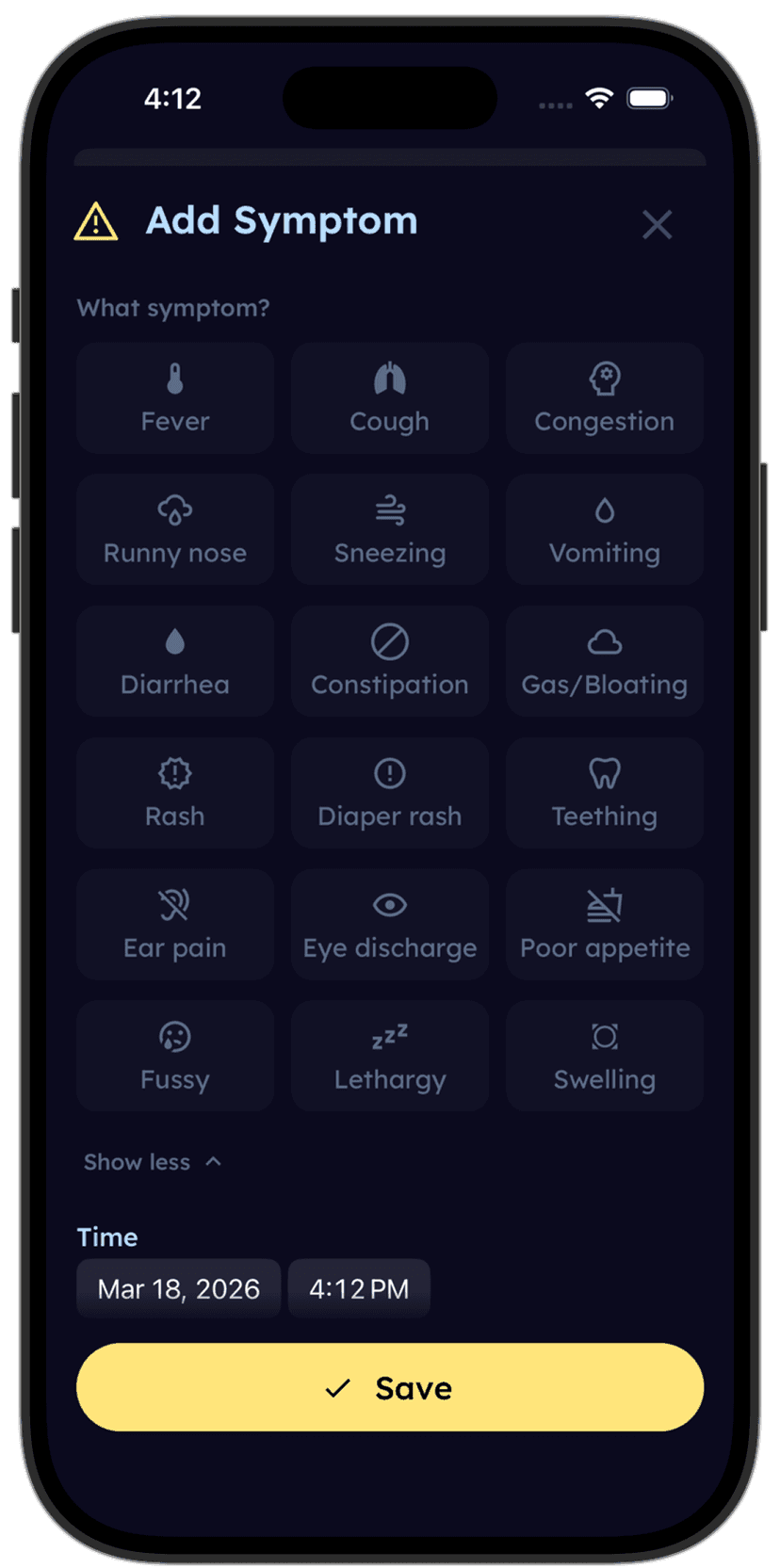
Tinylog tracks feedings so you can spot patterns.
Log feedings, note teething fussiness and drool days, and see whether teething is affecting your baby's appetite or sleep. Bring the data to your next pediatrician visit.


Materials and Safety: Both Check the Same Boxes
This is one comparison where the material difference is minimal. Both teethers are made from food-grade silicone that is BPA-free, PVC-free, and phthalate-free. Both are solid — no hollow cavities, no squeaker holes, no places for moisture to hide and mold to grow.
Frida Baby Get-A-Grip uses 100% food-grade silicone and is explicitly marketed as dishwasher safe and boil safe. Frida has a strong brand reputation for safety testing across their full product line, which gives some parents extra confidence.
The Chuya teether also uses food-grade silicone that meets standard safety certifications. Many versions are dishwasher safe on the top rack. The silicone is durable, odorless, and holds up to heavy chewing without degrading.
In terms of safety, you are not making a tradeoff here. Both teethers use the same type of material, both are free of the chemicals parents worry about most, and both have solid construction that eliminates the mold concerns associated with hollow natural rubber teethers like Sophie la Girafe.
The one area where Frida has a slight edge is brand transparency. Frida Baby publishes detailed product specifications and safety testing information. Chuya, as a newer and smaller brand, may not have the same level of publicly available documentation. If that matters to you, it is worth noting — though the silicone itself is functionally equivalent.
Cleaning: Both Are Low-Maintenance
After you've dealt with a teether that can only be surface-wiped and might grow mold inside if you look at it wrong, the phrase "dishwasher safe" starts to feel like a love language.
Both of these teethers are easy to clean:
Frida Baby Get-A-Grip is top-rack dishwasher safe and can be sterilized in boiling water. No special instructions, no caveats, no anxiety about accidentally getting water in the wrong spot. When it falls on the floor at a restaurant — and it will — you rinse it off and move on.
The Chuya teether can be washed with warm soapy water, and many versions are also dishwasher safe on the top rack. The solid silicone construction means there are no hidden crevices where gunk accumulates.
This category is close to a tie. Both teethers are dramatically easier to keep clean than natural rubber alternatives. If anything, Frida's explicit boil-safe claim gives it the slightest edge for parents who want the most thorough sterilization option. But for everyday cleaning, both are hassle-free.
| Product | Typical Price | Cost Per Unit | Notes |
|---|---|---|---|
| Frida Baby Get-A-Grip Silicone Teether | $8–$12 | $8–$12 | Food-grade silicone; compact grip design; dishwasher safe |
| Chuya Baby Teether Toy — TV Remote (single) | $8–$14 | $8–$14 | Food-grade silicone; textured buttons; remote shape babies love |
| Chuya Baby Teether Toy — Multi-pack | $14–$20 | ~$7–$10 per teether | Better per-unit value if you want backups for the diaper bag and car |
Price: Both Are Budget-Friendly
Unlike many teether comparisons where one product costs three times the other, this matchup is financially close. Both teethers sit in the $8 to $14 range, which makes either one an easy purchase — and buying both is not going to strain anyone's budget.
Frida Baby Get-A-Grip typically runs $8 to $12 for a single teether. That is remarkably affordable for a product from a well-known baby brand with strong safety credentials.
The Chuya Baby Teether Toy typically runs $8 to $14 for a single teether, with multi-pack options that bring the per-unit cost down. If you like having a backup in the diaper bag, a spare in the car, and one in the living room, the multi-pack is a smart move.
The honest take on cost: price is not the deciding factor here. Both are affordable. Both represent strong value compared to premium teethers that cost $20 or more. Pick based on design and your baby's preferences, not based on saving two dollars.
Choose Frida Baby Get-A-Grip If
- Your baby is very young (under 4 months) and still developing grip strength
- You want a teether designed specifically for small hands to hold independently
- Easy, no-questions-asked sterilization matters — dishwasher and boiling
- You prefer a trusted baby brand with a strong track record across multiple products
- You want a simple, focused gum-relief tool without bells and whistles
Choose the Chuya Baby Teether Toy If
- Your baby is obsessed with grabbing the real TV remote (and honestly, every baby is)
- You want a teether that doubles as a distraction toy to keep baby occupied longer
- Your baby has rejected plain teethers and needs something more visually engaging
- You like the idea of textured buttons that give baby's fingers something to press and explore
- Budget is tight and you want effective teething relief at the lowest possible price
- You want a multi-pack option so you can keep teethers stashed in multiple locations
Where to Buy
If you want a teether designed around grip and gum relief for the youngest babies, the Frida Baby Get-A-Grip Teether (~$8-$12) is a solid pick. Compact, textured, dishwasher safe, and backed by a brand parents already trust. It does one thing and does it well.
If you want a teether that doubles as a distraction toy your baby will actually want to hold, the Chuya Baby Teether Toy (~$8-$14) is worth trying — especially if your baby has already rejected a few traditional teethers. The remote shape taps into something babies genuinely find irresistible, and the textured buttons provide real gum relief.
Our honest advice: at under $15 each, buying both is a reasonable move. Use the Frida for early teething when grip is everything, and keep the Chuya remote handy for when your baby starts eyeing the real one during TV time.
Tinylog earns a small commission on purchases made through these links, at no cost to you.
We've found promo.new handy for finding discounts on baby gear. Doesn't always have what you need, but it's worth a shot.
The Bottom Line
The Frida Baby Get-A-Grip and the Chuya Baby Teether Toy are both safe, affordable, silicone teethers that get the job done. The differences come down to design philosophy and what your baby responds to.
Frida Baby Get-A-Grip wins on ergonomic grip design for younger babies, brand reputation, straightforward sterilization, and focused gum-relief functionality. It's the teether a pediatric occupational therapist would nod approvingly at.
Chuya Baby Teether Toy wins on the distraction factor, visual engagement, the fidget-toy element of pressable buttons, and multi-pack value. It's the teether that makes your baby stop reaching for the real remote — at least for a few minutes.
For most families, the real question is: does your baby need help holding a teether, or help staying interested in one? If grip is the challenge, Frida was built for that. If engagement is the challenge, the remote shape solves it in a way that textured nubs alone cannot.
Both cost less than a takeout lunch. Both are easy to clean. Both are safe. Your baby will have a strong opinion, and that opinion is the only review that matters.
If you are tracking feedings and teething symptoms — which can help you and your pediatrician spot patterns between teething and changes in appetite or sleep — Tinylog makes it easy to log everything in one place.
Sources
- Frida Baby. "Get-A-Grip Silicone Teether — Product Details." frida.com. 2026.
- Chuya. "Baby Teether Toy TV Remote — Product Information." Amazon.com. 2026.
- American Academy of Pediatrics. "Teething: 4 to 7 Months." healthychildren.org. 2025.
- FDA. "Safely Soothing Teething Pain and Sensory Needs in Babies and Older Children." fda.gov. 2024.
- Consumer Product Safety Commission. "Teething Products Safety Information." cpsc.gov. 2025.
- Good Housekeeping. "Best Teething Toys for Babies, According to Experts." goodhousekeeping.com. 2025.
Related Guides
This guide is for informational purposes only and does not constitute medical advice. Teether choice is a personal preference based on your baby's individual needs. If your baby has persistent teething pain, refuses to eat, develops a fever above 101 degrees F, or shows symptoms that concern you, consult your pediatrician.
Frequently asked questions
- Is the Frida Baby Get-A-Grip teether dishwasher safe?
- Yes. The Frida Baby Get-A-Grip Silicone Teether is made from 100% food-grade silicone and is top-rack dishwasher safe. You can also sterilize it by boiling it in water. The solid silicone construction means there are no hollow cavities where moisture can hide, so mold risk is essentially zero.
- Is the Chuya Baby Teether Toy safe for babies?
- Yes. The Chuya Baby Teether Toy is made from food-grade silicone that is BPA-free, PVC-free, and phthalate-free. It has no small detachable parts and is designed for mouthing and chewing. Always inspect any teether regularly for signs of wear, cracks, or damage, and replace it if you find any.
- Why are babies so obsessed with TV remotes?
- Babies watch adults hold, press, and stare at the TV remote constantly — which makes it one of the most fascinating objects in the room. They want what you have. The Chuya teether gives babies a safe, chewable version of the thing they already desperately want to grab. It satisfies their curiosity while providing teething relief.
- What age are these teethers recommended for?
- The Frida Baby Get-A-Grip is designed for babies 0 months and up, with a compact shape that works well even for very young babies still developing grip strength. The Chuya Baby Teether Toy is typically recommended for 3 months and up. Both are most useful once teething symptoms appear, usually around 3 to 4 months.
- Can I put the Chuya teether in the freezer?
- Some parents chill the Chuya teether briefly in the refrigerator for extra gum relief, and cool silicone can feel soothing on swollen gums. Most manufacturers recommend refrigerating rather than freezing silicone teethers, as extreme cold can make silicone too hard and uncomfortable for baby's gums. Check the product packaging for specific instructions.
- Which teether is better for a 3-month-old who is just starting to teethe?
- For a young baby with limited hand coordination, the Frida Baby Get-A-Grip is generally the easier pick. It was specifically designed with multiple grab points for small, uncoordinated hands. The Chuya remote shape works too, but its flatter profile can be slightly harder for a very young baby to maneuver to their mouth without help.