
GUIDE
HALO SleepSack Swaddle vs. Miracle Blanket
Published on
Both swaddles work well, but they solve different problems. The HALO SleepSack Swaddle is easier to use, safer for hip development, and lets you swaddle arms-out when baby is ready. The Miracle Blanket is tighter, more secure, and better at containing strong little arms that bust out of everything else.
The HALO and the Miracle Blanket are two of the most popular swaddles on the market — and they take completely different approaches to keeping your baby wrapped up. One prioritizes convenience and flexibility. The other prioritizes an escape-proof wrap. Your pick depends on your baby.
Log sleep, naps, and wake windows
Two Swaddles, Two Philosophies
The HALO SleepSack Swaddle and the Miracle Blanket both exist to do the same thing: keep your baby's arms contained so the startle reflex does not wake them up every 45 minutes. But they go about it in very different ways.
The HALO SleepSack Swaddle is a wearable sleep sack with velcro swaddle wings at the top. You zip your baby into the sack, then wrap the wings around their arms. It is fast, intuitive, and works well for most babies.
The Miracle Blanket is a flat piece of fabric with two built-in arm flaps and a long outer wrap. You lay your baby on it, tuck each arm flap across their body and under their back, fold up the foot pouch, then wrap the long outer flap snugly around everything. It takes longer and requires some practice — but the result is one of the tightest, most secure swaddles on the market.
The core question: does your baby need a quick, convenient swaddle or an escape-proof one?
| Feature | HALO SleepSack Swaddle | Miracle Blanket | What It Means |
|---|---|---|---|
| Manufacturer | HALO Innovations | Miracle Industries | HALO is a larger brand known for safe sleep products. Miracle Blanket is a specialist swaddle company. |
| Design | Wearable sack with velcro swaddle wings | Flat blanket with arm flaps and a long outer wrap | The biggest difference. HALO is a hybrid sack-swaddle. The Miracle Blanket is a traditional wrap with a clever design. |
| How you put it on | Zip baby into the sack, wrap velcro wings around arms | Place baby on blanket, tuck arm flaps, fold foot pouch, wrap outer flap | HALO is faster and easier to learn. The Miracle Blanket has a learning curve but becomes second nature after a few tries. |
| Swaddle tightness | Moderate — velcro holds arms but has some give | Very snug — arm flaps tuck under baby's body weight | Miracle Blanket wins on security. The wrap design makes it genuinely hard for babies to break free. |
| Arms-out option | Yes — swaddle wings can wrap with one or both arms out | No built-in arms-out option | HALO makes the swaddle transition much easier. You can go arms-out gradually before moving to a sleep sack. |
| Diaper access | Inverted zipper opens from the bottom | Must fully unwrap to change diaper | HALO wins here. Middle-of-the-night diaper changes without a full re-swaddle is a real quality-of-life feature. |
| Hip safety | Hip-healthy certified by IHDI | Allows natural leg positioning within the wrap | Both allow healthy hip movement. HALO has the formal certification. |
| Material | 100% cotton (also available in micro-fleece and organic cotton) | 100% breathable cotton knit | Both offer cotton options. HALO has more fabric choices across their lineup. |
| Sizing | Newborn (6–12 lbs), Small (3–6 months), Medium (6–9 months) | One size (fits newborn to ~14 weeks / ~18 lbs) | HALO covers a wider age range with sized options. Miracle Blanket is designed for the newborn swaddle window only. |
| Machine washable | Yes | Yes | Both hold up well in the wash. You will be washing them constantly. |
The Escape Artist Problem
This is where the Miracle Blanket built its reputation.
Some babies have incredibly strong arms and an intense Moro (startle) reflex. They break free of velcro swaddles within minutes, wake themselves up, and then everyone is miserable. If you have been through three different swaddles and your baby Houdinis out of all of them, the Miracle Blanket is probably your answer.
The arm flaps tuck individually across the baby's chest and underneath their body weight. Then the long outer wrap goes around the entire bundle. The baby's own weight helps hold the flaps in place. It is not magic — it is just smart engineering.
The HALO SleepSack Swaddle uses velcro wings, which work well for most babies. But velcro has limits. A strong, determined baby can work their arms up and loosen the wrap over time. If your baby sleeps peacefully in the HALO, there is no reason to switch. But if they are consistently breaking free, the Miracle Blanket is worth trying before you give up on swaddling altogether.
Ease of Use: HALO Wins by a Mile
There is no contest here. The HALO SleepSack Swaddle is dramatically easier to use.
You unzip the sack, lay baby inside, zip it up, and wrap the two velcro wings around their arms. The whole thing takes about 15 seconds. At 2 AM, after your third wakeup, that simplicity matters a lot.
The Miracle Blanket requires a multi-step wrapping process. Left arm flap across and under. Right arm flap across and under. Foot pouch up. Long wrap around and tuck. The first few times, you will fumble with it. You might watch the tutorial video three times. Your baby will probably scream through the learning curve.
But here is the thing: once you have done it a dozen times, it becomes muscle memory. Experienced Miracle Blanket parents can wrap a baby in under 30 seconds. The payoff — a baby who actually stays swaddled and sleeps longer — makes the learning curve worth it for many families.
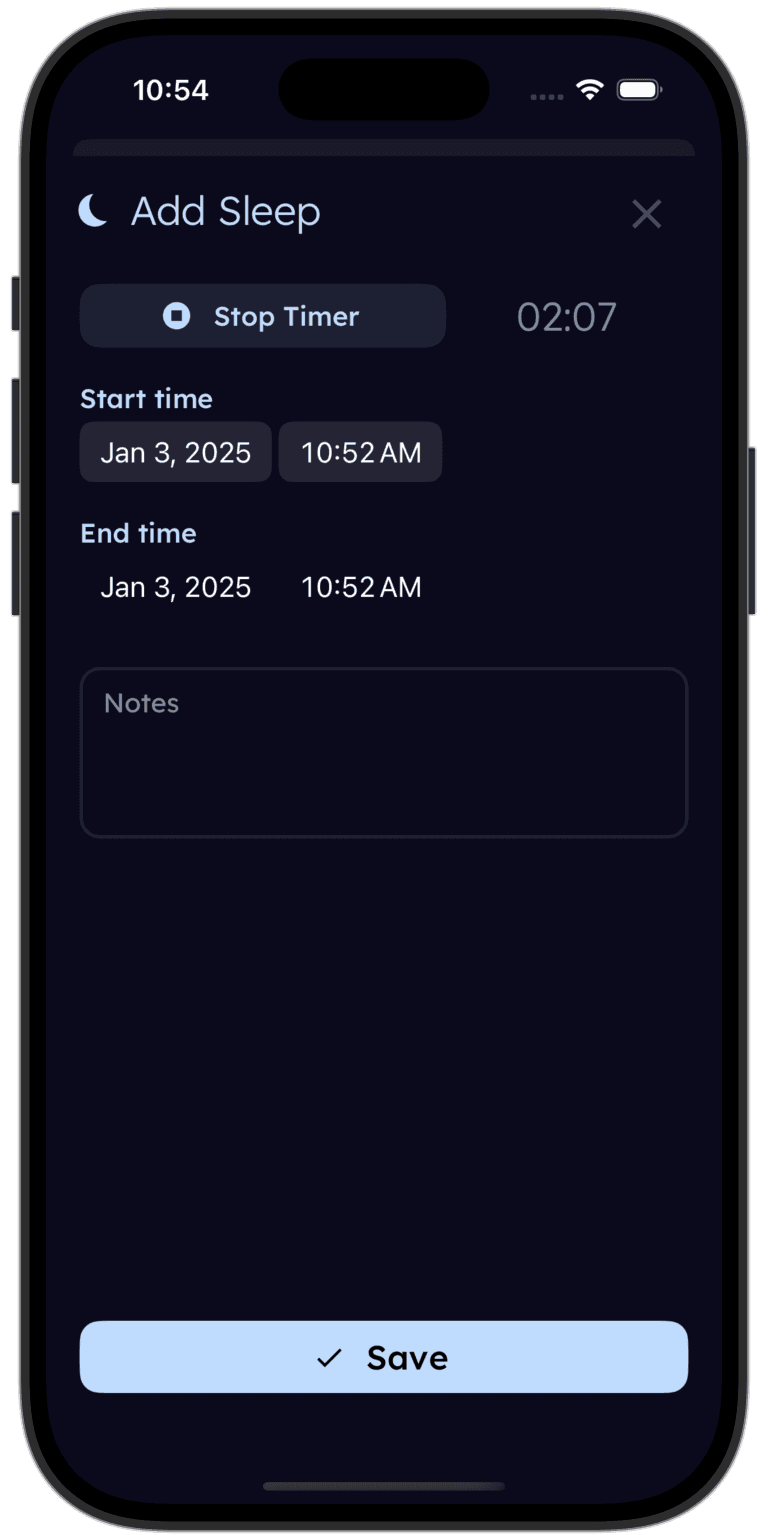
Swaddled babies often sleep in longer stretches. Tinylog helps you see exactly how much longer.
Log sleep times and wake windows in a few taps. Watch the patterns emerge. Bring the data to your pediatrician if you have questions about your baby's sleep.


The Transition Question
Every baby eventually stops being swaddled. The AAP recommends stopping when baby shows signs of rolling, which typically happens between 2 and 4 months. This is where the HALO has a significant advantage.
With the HALO SleepSack Swaddle, you can wrap one arm out first and let your baby adjust for a few nights. Then both arms out. Then transition to a regular HALO SleepSack (no swaddle wings). It is a gradual, gentle process.
With the Miracle Blanket, there is no halfway option. The swaddle works because both arms are secured. You cannot really do one arm out — the whole system relies on both flaps being tucked. So when it is time to stop swaddling, you go cold turkey. Some babies handle this fine. Others have a rough few nights.
If the swaddle transition makes you anxious, the HALO's flexibility is a genuine advantage.
| Product | Typical Price | Cost Per Diaper | Monthly Estimate |
|---|---|---|---|
| HALO SleepSack Swaddle (Cotton) | $25–$32 | — | One-time purchase per size |
| HALO SleepSack Swaddle (Organic Cotton) | $30–$38 | — | One-time purchase per size |
| Miracle Blanket Swaddle | $30–$35 | — | One-time purchase |
| Two swaddles (recommended minimum) | $50–$70 | — | One-time purchase — you want a backup for laundry days |
Price: Close Enough to Ignore
Both swaddles cost roughly $25–$35 each. The price difference between them is not a factor.
What will cost you more:
- Buying multiples. You need at least two. Babies spit up, diapers leak, and you do not want to be doing emergency laundry at midnight.
- Sizing up with HALO. The HALO comes in sizes, so you may buy a newborn and a small as your baby grows. The Miracle Blanket is one-size and covers birth to about 14 weeks.
- Trying both. Honestly, many parents end up buying both because what works for one baby does not work for another — and you will not know until you try.
Do not let price drive this decision. Pick the design that matches your baby's temperament and your tolerance for wrapping complexity.
Choose the HALO SleepSack Swaddle If
- You want the easiest swaddle to use at 3 AM with one hand and zero brain cells
- Your baby does not break free from moderate-hold swaddles
- You want to transition to arms-out before dropping the swaddle entirely
- Nighttime diaper changes without a full re-swaddle sounds like a dream
- You want sized options that grow with your baby past the newborn stage
- You prefer a product with formal hip-healthy certification
Choose the Miracle Blanket If
- Your baby is a swaddle escape artist who breaks free of everything else
- You want the tightest, most womb-like wrap possible
- Your baby has a strong Moro reflex that wakes them up constantly
- You are okay with a short learning curve for a better swaddle hold
- You only need a swaddle for the newborn stage (birth to about 14 weeks)
- You have tried other swaddles and your baby busted out of all of them
Where to Buy
The HALO SleepSack Swaddle (~$28) is the easier, more convenient option that works well for most babies. The zip-up sack, velcro wings, and bottom-opening zipper make nighttime changes painless. It also gives you a built-in path to arms-out swaddling when your baby is ready to transition. A solid default choice.
If your baby breaks free of everything and you need serious containment, the Miracle Blanket Swaddle (~$32) has a devoted following for good reason. The multi-flap design creates one of the tightest, most secure swaddles available. It takes a little practice to master, but parents of strong-armed babies swear by it.
If you are not sure which one your baby will prefer, buying one of each is a reasonable move. Babies are unpredictable, and having both options on hand beats placing a desperate 2 AM Amazon order.
Tinylog earns a small commission on purchases made through these links, at no cost to you.
Tip: check promo.new before purchasing. It's hit or miss depending on the product, but when it hits, you'll be glad you checked.
The Bottom Line
These two swaddles solve the same sleep problem in different ways:
The HALO SleepSack Swaddle is the better all-around swaddle. Easier to use, easier to transition out of, and the diaper-access zipper is a genuine quality-of-life win. For most babies, it works great.
The Miracle Blanket is the better swaddle for difficult cases. If your baby has a strong startle reflex and breaks free of velcro swaddles, the Miracle Blanket's arm-flap-and-wrap system is remarkably effective. It is less convenient, but it keeps determined babies contained.
For most first-time parents, start with the HALO. It is simpler and covers more ground. If your baby keeps busting out and nobody is sleeping, the Miracle Blanket is your next move.
If you are tracking your baby's sleep — which is genuinely helpful for spotting patterns and figuring out wake windows — Tinylog makes it easy to log naps, nighttime sleep, and feedings in a few taps.
Related Guides
- Swaddling a Newborn — How to swaddle safely and when to stop
- Baby Sleep Schedule — Age-by-age sleep expectations
- 4-Month Sleep Regression — What is happening and how to survive it
- Baby Fighting Sleep — Why your baby resists sleep and what to do
Sources
- HALO Innovations. "SleepSack Swaddle — Product Information." halosleep.com, 2026.
- Miracle Blanket. "Miracle Blanket Swaddle — Product Information." miracleblanket.com, 2026.
- International Hip Dysplasia Institute. "Hip-Healthy Swaddling." hipdysplasia.org.
- American Academy of Pediatrics. "Safe Sleep: Back Is Best." healthychildren.org.
- Wirecutter (NYT). "The Best Swaddles and Sleep Sacks." nytimes.com/wirecutter, 2025.
- WhatToExpect.com. "Best Swaddles for Babies." whattoexpect.com, 2026.
- Moon RY, et al. "Sleep-Related Infant Deaths: Updated 2022 Recommendations." Pediatrics, 2022.
This guide is for informational purposes only. Every baby is different — what works for one may not work for another. Always follow safe sleep guidelines from the AAP: alone, on their back, on a firm flat surface. If you have questions about your baby's sleep, talk to your pediatrician.
Frequently asked questions
- Which swaddle is better for newborns?
- Both work well from birth. The HALO SleepSack Swaddle is easier for brand-new parents to figure out — the zipper and velcro make it quick, especially during nighttime changes. The Miracle Blanket takes more practice to wrap correctly but provides a tighter, more secure hold that some newborns prefer.
- Can my baby break out of the Miracle Blanket?
- It is much harder to escape from than most swaddles. The arm flaps tuck under the baby's body and the outer wrap holds everything in place. Some very determined babies still find a way, but the Miracle Blanket has a strong reputation for containing even the most active arms.
- Is the HALO SleepSack Swaddle safe for hip development?
- Yes. The HALO SleepSack Swaddle is recognized as hip-healthy by the International Hip Dysplasia Institute. The sack design leaves plenty of room for the legs to bend and move naturally. The Miracle Blanket also allows leg movement within the wrap.
- When should I stop swaddling my baby?
- Stop swaddling when your baby shows signs of rolling over, which typically happens between 2 and 4 months. The HALO makes this transition easier because you can swaddle with arms out before ditching the swaddle entirely. The Miracle Blanket is all-or-nothing — there is no arms-out option built in.
- Can I use these swaddles for diaper changes at night?
- The HALO SleepSack Swaddle has an inverted zipper that opens from the bottom, so you can change the diaper without unwrapping the swaddle. The Miracle Blanket must be fully unwrapped for diaper changes, which means re-swaddling every time. At 3 AM, that difference matters.
- Which swaddle is better for a baby who hates being swaddled?
- If your baby fights the swaddle, the Miracle Blanket is usually the better bet. Its snug wrap mimics the tight feeling of the womb more closely. Many parents report that babies who broke free of other swaddles stayed put in the Miracle Blanket. That said, some babies genuinely do not want to be swaddled — and that is okay too.