
GUIDE
MAM Easy Start Anti-Colic vs. Lansinoh Anti-Colic Bottles
Published on
Both are excellent anti-colic bottles. MAM stands out for its self-sterilizing base and 94% nipple acceptance rate. Lansinoh wins on simplicity, fewer parts, and a clinically proven NaturalWave nipple that reduces nipple confusion for breastfed babies.
MAM and Lansinoh take different approaches to the same problem — reducing the air your baby swallows during feeding. MAM uses a vented base with patented ventilation holes, while Lansinoh builds its Air Ventilation System directly into the nipple. Both work. The right pick depends on whether you prioritize sterilizing convenience or a simpler, fewer-part design.
Log bottles, nursing, and spit-up
Two Anti-Colic Bottles, Two Different Approaches
MAM Easy Start Anti-Colic and Lansinoh Anti-Colic bottles are both designed to solve the same problem: reducing the air your baby swallows during feeding. Too much air means gas, fussiness, spit-up, and the restless discomfort that gets labeled "colic."
But they solve it differently. MAM vents air through a removable base with patented ventilation holes. Lansinoh vents air through the nipple itself using an integrated Air Ventilation System. Both methods are clinically backed, and both work well for most babies.
The real differences come down to cleaning convenience, nipple shape, breast-to-bottle transition support, and price. If you are switching between breast and bottle, or if you just want the simplest bottle to wash at midnight, those differences matter.
For more on how much your baby should be eating at each age, see our baby feeding chart.
| Feature | MAM Easy Start | Lansinoh Anti-Colic | What It Means |
|---|---|---|---|
| Manufacturer | MAM (Austria) | Lansinoh (USA) | MAM is European-based with decades in baby products. Lansinoh is best known for breastfeeding supplies. |
| Anti-colic system | Patented vented base with ventilation holes | Air Ventilation System (AVS) built into the nipple | Different approaches, both clinically shown to reduce colic. MAM vents through the base; Lansinoh vents through the nipple. |
| Nipple design | SkinSoft silicone, flat shape | NaturalWave silicone, wide base with gradual slope | MAM mimics a compressed breast shape. Lansinoh promotes natural peristaltic tongue movement. |
| Nipple acceptance | 94% acceptance rate (manufacturer-reported) | Clinically proven to reduce nipple confusion | Both are well-accepted. Lansinoh has stronger clinical data for breastfed babies specifically. |
| Number of parts | 6 parts (including removable base) | 3 parts (plus cap) | Lansinoh wins on simplicity. Fewer parts means faster cleaning and assembly. |
| Self-sterilizing | Yes — microwave, 3 minutes | No | MAM's built-in sterilization is a major convenience. Stays sterile up to 48 hours if left assembled. |
| Sizes available | 4.5 oz, 5 oz, 9 oz, 11 oz | 5 oz, 8 oz | MAM offers more size options including a larger 11 oz bottle for older babies. |
| Glass option | No | Yes — borosilicate glass (5 oz and 8 oz) | Lansinoh wins for parents who prefer glass. Their borosilicate glass resists thermal shock. |
| Nipple flow sizes | 5 sizes (0 through X) | 4 sizes (XS, S, M, Fast) | MAM has one extra size. Both cover the full range from newborn to 6+ months. |
| BPA/BPS free | Yes | Yes | Tie. Both meet US and EU safety standards. |
| Leak resistance | Some reports of leaking if base is misaligned | Excellent — no leaks in independent testing | Lansinoh has a better track record for leak resistance thanks to its simpler design. |
| Breast pump compatibility | Compatible with MAM breast pumps | Compatible with Lansinoh breast pumps | Both work within their own ecosystem. Neither is cross-compatible without adapters. |
The Anti-Colic System: Base Venting vs. Nipple Venting
This is the core engineering difference between these two bottles.
MAM's vented base has tiny holes in the bottom of the bottle that allow air to flow in as your baby drinks, preventing a vacuum from forming. The air enters through the base and never passes through the milk, which means fewer bubbles in the liquid and less air for your baby to swallow. In a study conducted with pediatricians, MAM reports that colic symptoms decreased in 80% of babies using their bottles.
Lansinoh's Air Ventilation System (AVS) is built into the NaturalWave nipple. As your baby sucks, air is channeled through vents in the nipple collar and directed away from the milk flow. This means no extra parts at the bottom of the bottle — the anti-colic function is handled entirely by the nipple assembly.
In practice, both systems reduce gas and fussiness effectively. The trade-off is complexity: MAM's base adds extra parts to clean but also enables the self-sterilizing feature. Lansinoh's approach keeps the bottle simpler but does not offer self-sterilization.
Nipple Design: Flat vs. Wave
Nipple shape matters more than most parents expect, especially if you are breastfeeding and introducing a bottle.
MAM's SkinSoft nipple is flat and elongated, designed to mimic the shape of a compressed breast during feeding. The silicone is textured to feel more like skin. MAM reports a 94% acceptance rate, meaning most babies will take this nipple without a fight. It works well for babies who are already bottle-fed or are comfortable switching.
Lansinoh's NaturalWave nipple has a wider base with a gradual slope and a flexible tip that stretches, compresses, and moves with your baby's tongue. It is specifically engineered to promote the same peristaltic tongue motion that babies use during breastfeeding. This is clinically proven to reduce nipple confusion — a real concern for parents who are still establishing breastfeeding.
If breastfeeding is your primary feeding method and you need a bottle for occasional use, Lansinoh is the safer bet. If your baby is fully or mostly bottle-fed, MAM's high acceptance rate and flat shape work very well.
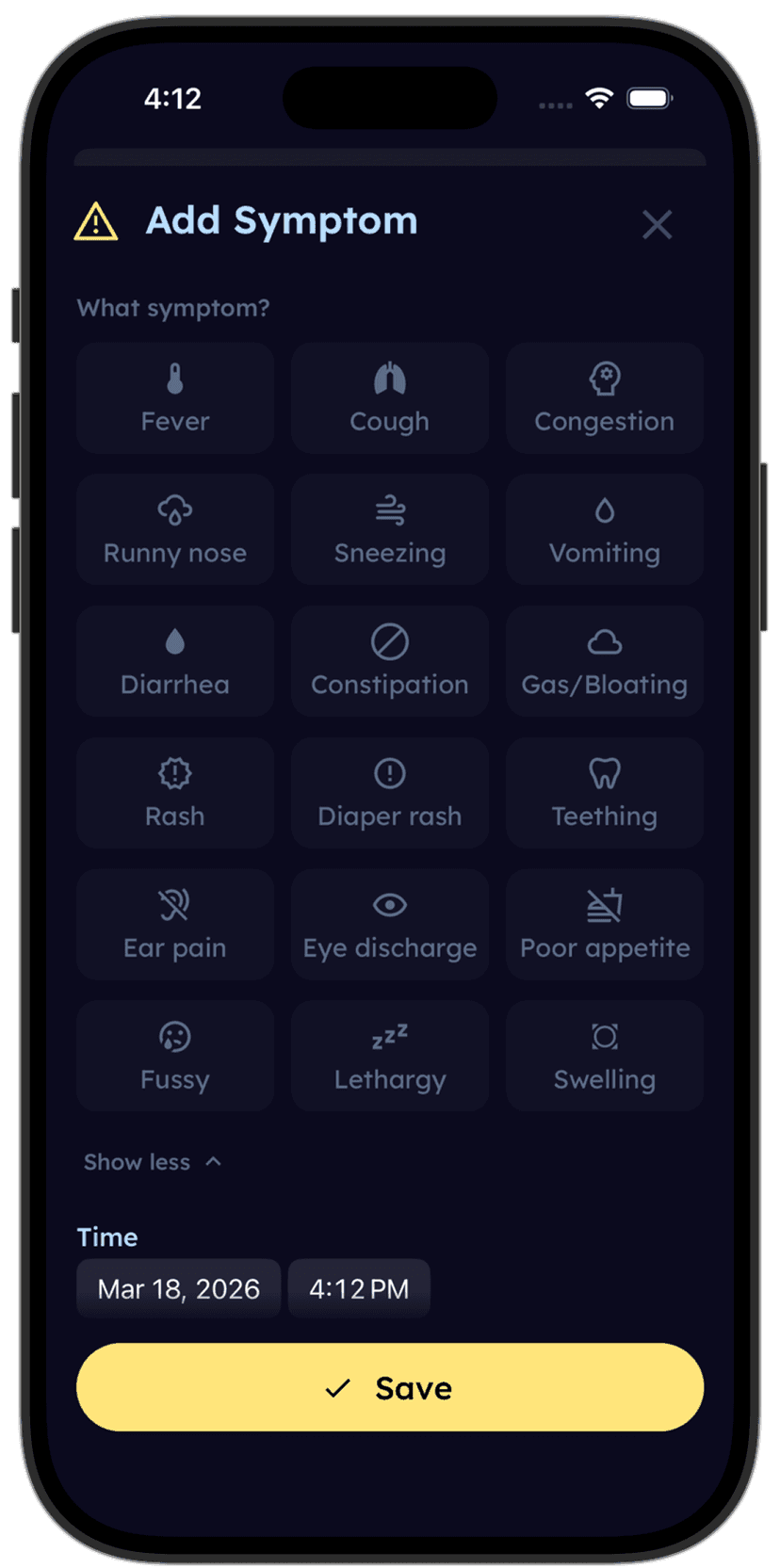
Tinylog tracks bottles so you can spot feeding patterns.
Log bottle feeds, note spit-up and gas, track intake over days and weeks. Bring the data to your next pediatrician visit.


Cleaning and Assembly: Simplicity vs. Features
You will wash baby bottles multiple times a day. How easy they are to take apart, clean, and reassemble matters more than almost any other feature.
Lansinoh bottles have three parts (plus the cap): the bottle body, the nipple, and the collar ring. That is it. Wide-neck design means you can reach inside easily. Assembly takes seconds. There is very little that can go wrong.
MAM bottles have six parts: the bottle body, the nipple, the collar ring, the base plate, the base ring, and the cap. The removable base is what makes the self-sterilizing feature possible, but it also means more pieces to wash, dry, and keep track of. Some parents report that if the base is not seated perfectly, the bottle can leak.
The self-sterilizing feature is genuinely useful — add water, microwave for three minutes, and the bottle stays sterile for up to 48 hours. If you do not own a separate sterilizer and do not want to buy one, this is a real selling point. But if you already have a sterilizer or are comfortable with dishwasher cleaning, the extra parts are just extra work.
| Product | Typical Price | Cost Per Bottle | Notes |
|---|---|---|---|
| MAM Easy Start Anti-Colic (5 oz, 3-pack) | $17–$20 | ~$5.67–$6.67 | Includes slow flow nipples for newborns |
| Lansinoh Anti-Colic (5 oz, 3-pack) | $10–$14 | ~$3.33–$4.67 | Includes slow flow NaturalWave nipples |
| MAM Easy Start Anti-Colic (9 oz, 3-pack) | $19–$23 | ~$6.33–$7.67 | Includes medium flow nipples for 2+ months |
| Lansinoh Anti-Colic (8 oz, 3-pack) | $12–$17 | ~$4.00–$5.67 | Includes medium flow NaturalWave nipples |
| Lansinoh Glass Anti-Colic (8 oz, 4-pack) | $24–$30 | ~$6.00–$7.50 | Borosilicate glass, extra-slow flow nipples |
Price: Lansinoh Is the Better Value
Lansinoh bottles are consistently $2–$3 less per bottle than MAM across comparable sizes. For a set of six bottles (a typical starting supply), that adds up to roughly $12–$18 in savings.
Both brands are affordable relative to premium bottle options like Dr. Brown's or Comotomo, which can run $8–$10 per bottle. But if budget is a factor, Lansinoh gives you clinically proven anti-colic performance at a lower price point.
Replacement nipples cost about the same for both brands ($5–$8 for a 2-pack), and both recommend replacing nipples every one to two months or when they show signs of wear.
A few ways to save on either brand:
- Buy multi-packs. The 4-pack options drop the per-bottle cost for both MAM and Lansinoh.
- Use registry completion discounts. Amazon, Target, and Babylist all offer 10–15% off remaining registry items.
- Check for coupons. Both brands frequently offer manufacturer coupons and run sales at major retailers.
Choose MAM Easy Start Anti-Colic If
- You want built-in self-sterilization without buying a separate sterilizer
- Your baby is past the newborn stage and you need larger bottle sizes (9 oz or 11 oz)
- You already use a MAM breast pump or pacifiers and want to stay in one ecosystem
- You prefer a flat nipple shape that closely mimics a compressed breast
- You want more nipple flow size options as your baby grows
Choose Lansinoh Anti-Colic If
- You are breastfeeding and worried about nipple confusion
- You want a bottle with fewer parts that is fast to clean and assemble
- You prefer a glass bottle option
- Leak resistance is a top priority for daycare or on-the-go feeding
- You want the most affordable anti-colic bottle on the market
- You already use Lansinoh breast pumps or breastfeeding accessories
Where to Buy
If you want the self-sterilizing convenience and a wide range of sizes, the MAM Easy Start Anti-Colic Bottles (~$6–$7/bottle in a 3-pack) are an excellent choice — the vented base genuinely reduces air bubbles, the SkinSoft nipple has one of the highest acceptance rates on the market, and the microwave sterilization feature is hard to beat for travel or small kitchens.
If you are breastfeeding and want the smoothest breast-to-bottle transition, the Lansinoh Anti-Colic Bottles (~$3–$5/bottle in a 3-pack) are the stronger pick — the NaturalWave nipple is clinically proven to reduce nipple confusion, the three-part design is the easiest to clean, and they are the most affordable anti-colic bottle you can buy. They also come in a glass option if you prefer to avoid plastic.
Our honest advice: if you are not sure, start with a single 3-pack of each. Babies are opinionated about bottles, and the "right" one is whichever your baby accepts and feeds from calmly.
Tinylog earns a small commission on purchases made through these links, at no cost to you.
Want to save a few bucks? promo.new is worth a quick look. It won't always have your product, but when it does, the savings are real.
The Bottom Line
MAM Easy Start Anti-Colic and Lansinoh Anti-Colic bottles are both well-designed, clinically backed options for reducing gas and fussiness during feeding. The differences are meaningful but not dramatic:
MAM Easy Start wins on self-sterilizing convenience, more size options (up to 11 oz), and a flat nipple shape with a 94% acceptance rate. It is the better choice for parents who want built-in sterilization and plan to bottle-feed frequently.
Lansinoh Anti-Colic wins on simplicity (three parts), leak resistance, lower price, glass bottle availability, and a NaturalWave nipple that is clinically proven to reduce nipple confusion. It is the better choice for breastfeeding families who need a reliable bottle for occasional or supplemental use.
For most families, either bottle will work well. Start with a small pack of each if you are unsure — your baby's preference will be the deciding factor.
If you are tracking feeding amounts and patterns — which is especially helpful in the early weeks to make sure your baby is getting enough — Tinylog makes it simple to log every bottle and spot trends over time.
Related Guides
- Baby Feeding Chart — How much your baby should eat by age
- Baby Constipation — What's normal and when to worry
- Baby Diarrhea — Normal stool vs. when to call the pediatrician
- Baby Diaper Rash — Causes, treatment, and when to call your doctor
Sources
- MAMbaby.com. "MAM Easy Start Anti-Colic Bottle — Product Information." 2026.
- Lansinoh.com. "Anti-Colic Baby Bottles with NaturalWave Nipple — Product Information." 2026.
- Reviewed.com. "Best Baby Bottles of 2026." reviewed.com, 2026.
- BabiesCarrier.com. "9 Best Anti-Colic Baby Bottles for 2026 — Expert Picks & Reviews." 2026.
- Mumsnet.com. "Best Baby Bottles 2026: Tried, Tested & Parent-Approved." mumsnet.com, 2026.
- Consumer Reports. "How to Choose the Best Baby Bottle." consumerreports.org, 2026.
- BabyGaga.com. "The Best Anti-Colic Baby Bottles." babygaga.com, 2026.
This guide is for informational purposes only. Bottle choice is a personal preference based on your baby's individual needs. If your baby shows signs of persistent colic, excessive spit-up, or refuses to feed, consult your pediatrician.
Frequently asked questions
- Do MAM or Lansinoh bottles reduce colic better?
- Both are clinically shown to reduce colic symptoms. MAM uses a vented base that reduces air bubbles in milk, while Lansinoh's Air Ventilation System is built into the nipple. Neither has been proven superior to the other in head-to-head testing. Many parents try both and stick with whichever their baby prefers.
- Which bottle is better for breastfed babies?
- Lansinoh is specifically designed for breastfeeding families. Its NaturalWave nipple is clinically proven to reduce nipple confusion and promotes the same peristaltic tongue movement babies use at the breast. MAM's SkinSoft nipple also has a high acceptance rate (94%), but Lansinoh is the stronger choice if nipple confusion is your top concern.
- Can you sterilize MAM bottles without a sterilizer?
- Yes. MAM bottles have a built-in self-sterilizing feature. You disassemble the bottle, add water to the base, reassemble, and microwave for three minutes. The bottle stays sterilized for up to 48 hours if left assembled. This is a unique feature that Lansinoh does not offer.
- How many parts do MAM and Lansinoh bottles have?
- MAM bottles have six parts including the removable vented base. Lansinoh bottles have just three parts plus the cap. Fewer parts means faster assembly and fewer pieces to lose or dry. This is one of the most common reasons parents prefer Lansinoh.
- Are MAM and Lansinoh bottles dishwasher safe?
- Yes. Both MAM and Lansinoh plastic bottles are dishwasher safe (top rack recommended). Lansinoh also offers a glass bottle option made from borosilicate glass that is dishwasher safe and resistant to thermal shock.
- Which anti-colic bottle is cheaper?
- Lansinoh bottles are generally less expensive. A 3-pack of 5 oz Lansinoh bottles runs about $10–$14, while a 3-pack of 5 oz MAM bottles costs about $17–$20. The per-bottle price difference is roughly $2–$3. Both are affordable compared to premium options like Dr. Brown's or Comotomo.