
GUIDE
MAM Easy Start Anti-Colic vs. NUK Simply Natural Glass
Published on
Both are well-designed bottles with different strengths. MAM excels at reducing colic symptoms with its vented base and self-sterilizing design. NUK stands out for chemical-free glass construction and a multi-hole nipple that mimics breastfeeding. Your best pick depends on whether colic prevention or material purity is your top priority.
MAM and NUK are two of the most trusted names in baby bottles worldwide. The MAM Easy Start Anti-Colic is a lightweight plastic bottle engineered specifically to reduce air intake during feeding. The NUK Simply Natural Glass Bottle is a borosilicate glass bottle with a uniquely shaped nipple designed to feel like the breast. They solve different problems — and many parents end up owning both.
Log bottles, nursing, and pumping
Two Popular Bottles, Two Very Different Approaches
MAM Easy Start Anti-Colic and NUK Simply Natural Glass are both highly rated baby bottles — but they are solving different problems. MAM engineered its bottle around air reduction: the vented base is designed to prevent colic symptoms by keeping air out of the milk. NUK designed its bottle around material purity and breastfeeding compatibility: borosilicate glass and a nipple that mimics how milk flows from the breast.
The honest truth: both are well-made bottles from trusted brands. The right choice depends on what matters most to you — colic prevention, material concerns, weight, or breastfeeding transition.
We broke down the materials, design, cleaning, and cost so you can pick the bottle that fits your feeding situation. For more on how much and how often your baby should eat, see our baby feeding chart.
| Feature | MAM Easy Start Anti-Colic | NUK Simply Natural Glass | What It Means |
|---|---|---|---|
| Manufacturer | MAM (Austria) | NUK (Germany) | Both are established European brands with decades of pediatric product experience. |
| Bottle material | Polypropylene plastic (BPA-free) | Borosilicate glass | NUK wins on material purity — no plastic, no chemical leaching risk. MAM wins on weight and durability. |
| Anti-colic system | Vented base with holes that equalize pressure | Standard one-piece anti-colic vent in nipple | MAM's full-base venting is more effective at reducing air bubbles in milk during feeding. |
| Nipple shape | Flat, symmetrical SkinSoft silicone | Asymmetric, orthodontic with multiple holes | Different philosophies. MAM focuses on texture feel. NUK mimics breast shape and multi-stream milk flow. |
| Nipple material | SkinSoft silicone (textured surface) | Soft silicone | MAM's textured nipple is designed to feel more like skin. Both are medical-grade silicone. |
| Self-sterilizing | Yes — microwave in 3 minutes using the bottle base | No — requires external sterilizer or boiling | MAM's self-sterilizing design is a genuine convenience advantage, especially for travel. |
| Sizes available | 5 oz and 9 oz | 4 oz and 8 oz | Similar range. MAM's sizes are slightly larger. |
| Weight (empty) | ~2.5 oz (5 oz bottle) | ~5 oz (4 oz bottle) | MAM is roughly half the weight. Significant difference for on-the-go feeding and when baby starts self-holding. |
| Dishwasher safe | Yes (top rack) | Yes (top rack) | Tie. Both are dishwasher safe. |
| Breakability | Very durable — plastic does not shatter | Borosilicate glass is resistant but can break if dropped on hard surfaces | MAM wins on drop resistance. NUK's borosilicate is tougher than regular glass but still breakable. |
| Number of parts | 4 parts (base, body, nipple, cap) | 3 parts (body, nipple/collar, cap) | NUK has fewer parts to clean and assemble. MAM's extra base piece is the anti-colic vent. |
| Breastfeeding transition | SkinSoft texture helps acceptance | Multi-hole nipple mimics breast milk flow pattern | Both support combo-feeding. NUK's approach is more anatomically focused; MAM's is more tactile. |
The Anti-Colic Question: Does the Vented Base Actually Work?
MAM's signature feature is the vented base — a bottom plate with small holes that allow air to flow into the bottle without passing through the milk. This keeps the milk flow steady and reduces the amount of air your baby swallows.
In MAM-funded clinical studies, 80% of parents reported reduced colic symptoms after switching to MAM Anti-Colic bottles. Independent testing confirms that the base vent design does produce fewer visible bubbles in the milk compared to standard bottles and basic anti-colic vents.
NUK's approach is simpler: the nipple itself has a small anti-colic air vent built into the collar. It works, but it is not as aggressive at air separation as MAM's full-base system.
If colic and gas are your primary concern, MAM has the stronger anti-colic engineering. If colic is not an issue, this advantage matters less.
Glass vs. Plastic: What the Science Says
This is the question most parents are really asking when they compare these two bottles.
NUK Simply Natural uses borosilicate glass — the same material used in laboratory equipment. It is completely inert, meaning it will not leach any chemicals into your baby's milk, even when heated. There are zero concerns about microplastics, BPA alternatives, or degradation over time.
MAM uses BPA-free polypropylene plastic, which meets all current FDA and EU safety standards. Modern baby bottle plastics are rigorously tested and considered safe. However, a 2020 study in Nature Food found that polypropylene bottles can release microplastics when exposed to hot liquids, particularly during sterilization. The health significance of microplastic ingestion in infants is still being studied.
If eliminating any theoretical chemical exposure is important to you, glass is the more conservative choice. If you are comfortable with current safety standards for BPA-free plastics, MAM's polypropylene is considered safe by regulatory agencies worldwide.
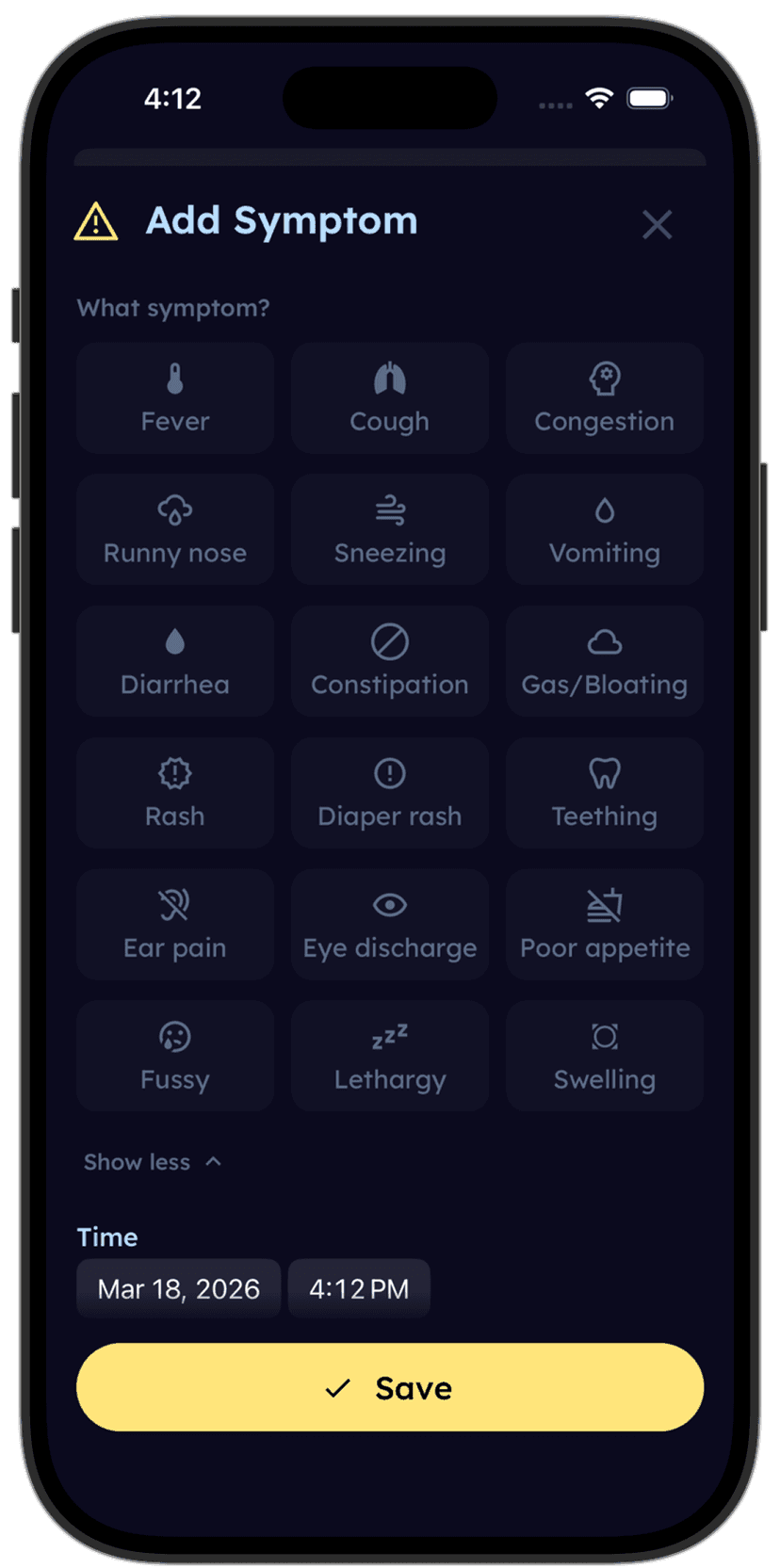
Tinylog tracks feedings so you can spot patterns.
Log bottle feeds, nursing sessions, and pumping. Note spit-up, gas, and fussiness. Bring the data to your next pediatrician visit.


Nipple Design: Different Philosophies on Latch
How a baby latches onto a bottle nipple matters — especially if you are switching between breast and bottle.
MAM's SkinSoft silicone nipple has a flat, symmetrical shape with a textured surface designed to feel like skin. MAM reports that 94% of babies accept the nipple. The symmetrical shape means the nipple does not need to be oriented in a specific direction, which simplifies feeding for caregivers.
NUK's Simply Natural nipple is asymmetric and orthodontic, shaped to fit the roof of the baby's mouth. It has multiple holes instead of a single opening, creating several thin streams of milk that mimic how breast milk flows from the nipple. This multi-hole design is NUK's answer to nipple confusion — babies who are breastfeeding may find the flow pattern more familiar.
Neither design is objectively better. Some babies strongly prefer one over the other. If your baby is exclusively bottle-fed, the MAM nipple's high acceptance rate is appealing. If you are combo-feeding breast and bottle, NUK's anatomical approach is worth trying.
Cleaning and Convenience
Day-to-day cleaning and sterilization matter more than most parents expect. You will wash bottles multiple times a day for months.
MAM's self-sterilizing feature is genuinely useful. You disassemble the bottle, place the parts in the base with a small amount of water, and microwave for three minutes. No separate sterilizer needed. This is a real advantage for travel, daycare, and families without counter space for a dedicated steam sterilizer.
The tradeoff: MAM has four parts (base, body, nipple, cap). More parts means more pieces to wash, dry, and reassemble. Some parents find the vented base fiddly to clean thoroughly.
NUK has three parts (body, nipple/collar, cap). Fewer pieces, simpler assembly. Glass is also naturally easier to clean — it does not retain odors or stains the way plastic can over time. However, NUK requires an external sterilizer or boiling water for sterilization.
If convenience and portability are priorities, MAM's self-sterilizing wins. If you prefer fewer parts and already own a sterilizer, NUK is simpler in daily use.
| Product | Typical Price | Cost Per Bottle | Notes |
|---|---|---|---|
| MAM Easy Start Anti-Colic (5 oz, 3-pack) | $22–$28 | ~$7.50–$9.30 | Includes slow-flow nipples. Self-sterilizing. |
| MAM Easy Start Anti-Colic (9 oz, 3-pack) | $24–$30 | ~$8.00–$10.00 | Includes medium-flow nipples. |
| NUK Simply Natural Glass (4 oz, single) | $10–$14 | ~$10–$14 | Includes slow-flow nipple. Glass body. |
| NUK Simply Natural Glass (8 oz, single) | $12–$16 | ~$12–$16 | Includes medium-flow nipple. Glass body. |
Price: MAM Is More Affordable Up Front
MAM bottles are meaningfully cheaper than NUK glass bottles. A three-pack of MAM 5 oz bottles typically costs $22–$28, putting the per-bottle price around $7.50–$9.30. A single NUK Simply Natural Glass 4 oz bottle runs $10–$14.
If you need six bottles (a common starter set), you are looking at roughly $45–$56 for MAM versus $60–$84 for NUK. That is a real difference in the newborn budget.
However, glass bottles last significantly longer than plastic. NUK glass bottles can be reused for subsequent children without degradation. Plastic bottles should be replaced every 4–6 months or when they show signs of wear (cloudiness, scratches, warping). Over multiple children, the cost difference narrows.
Replacement nipples for both brands cost $5–$8 for a two-pack and should be replaced every 1–2 months regardless of bottle material.
Choose MAM Easy Start Anti-Colic If
- Your baby is gassy, fussy, or showing colic symptoms during or after feeding
- You want a self-sterilizing bottle that works in a microwave with no extra equipment
- Lightweight bottles matter to you — for travel, daycare bags, or when baby starts self-feeding
- Your baby has been rejecting other bottle nipples (MAM's textured SkinSoft nipple has high acceptance rates)
- You want an affordable multi-pack option
Choose NUK Simply Natural Glass If
- You want to avoid plastic entirely and prefer glass for feeding
- Your baby is combo-feeding and you want a nipple that mimics breast milk flow
- Chemical-free material is your top priority, especially for warming milk in the bottle
- You prefer fewer parts to wash and assemble
- You are okay with a heavier bottle in exchange for material purity
- You plan to reuse bottles for future children (glass lasts longer than plastic)
Where to Buy
If colic, gas, or fussiness during feeding is your main concern, the MAM Easy Start Anti-Colic Bottles (~$8/bottle in a 3-pack) are purpose-built for the problem. The vented base genuinely reduces air intake, the self-sterilizing feature saves time, and the SkinSoft nipple has one of the highest acceptance rates on the market. Start with the 5 oz size for newborns.
If chemical-free feeding and breastfeeding compatibility are your priorities, the NUK Simply Natural Glass Bottles (~$12/bottle) are a strong choice. Borosilicate glass means zero leaching concerns, the multi-hole nipple mimics breast flow, and the bottles will last through multiple children. Start with the 4 oz size for newborns.
Many parents end up using both — MAM for daycare and on-the-go (lightweight, self-sterilizing) and NUK glass at home (durable, chemical-free). There is nothing wrong with mixing brands.
Tinylog earns a small commission on purchases made through these links, at no cost to you.
Want to save a few bucks? promo.new is worth a quick look. It won't always have your product, but when it does, the savings are real.
The Bottom Line
MAM Easy Start Anti-Colic and NUK Simply Natural Glass are both excellent bottles built on different design priorities:
MAM Easy Start Anti-Colic wins on colic reduction (vented base), convenience (self-sterilizing), weight (half the weight of glass), affordability, and nipple acceptance rate.
NUK Simply Natural Glass wins on material purity (zero chemical leaching), breastfeeding transition (multi-hole anatomical nipple), simplicity (fewer parts), longevity (glass outlasts plastic), and environmental impact.
For gassy, fussy babies — start with MAM. For parents who prioritize chemical-free feeding and are combo-feeding — start with NUK. For everyone else, buy one of each and see which your baby prefers. Babies are the final decision-makers on bottles.
If you are tracking feeds — and you should be, especially in the early weeks — Tinylog makes it easy to log bottle amounts, note fussiness patterns, and share data with your pediatrician.
Related Guides
- Baby Feeding Chart — How much your baby should eat by age
- Baby Gas — Causes, relief techniques, and when to worry
- Breastfeeding Positions — Holds that help with latch and comfort
- Baby Spit-Up — Normal amounts vs. reflux warning signs
Sources
- MAM Baby. "MAM Easy Start Anti-Colic Bottle — Product Information." mambaby.com, 2026.
- NUK USA. "NUK Simply Natural Glass Baby Bottles — Product Information." nukusa.com, 2026.
- Li, D. et al. "Microplastic release from the degradation of polypropylene feeding bottles during infant formula preparation." Nature Food, vol. 1, 2020, pp. 746–754.
- American Academy of Pediatrics. "Choosing a Baby Bottle." healthychildren.org, 2025.
- Mommyhood101. "Best Baby Bottles of 2026, Tested & Reviewed." mommyhood101.com, 2026.
- BabyGearLab. "Best Baby Bottles." babygearlab.com, 2026.
- Consumer Reports. "Best Baby Bottles From Our Tests." consumerreports.org, 2026.
This guide is for informational purposes only. Bottle choice is a personal preference based on your baby's individual needs. If your baby shows signs of feeding difficulties, excessive gas, or poor weight gain, consult your pediatrician.
Frequently asked questions
- Do MAM Anti-Colic bottles actually reduce colic?
- MAM's vented base design is clinically shown to reduce air ingestion during feeding, which can decrease gas-related fussiness. In MAM-funded studies, 80% of parents reported less colic. Independent results vary, but the vented base does measurably reduce air bubbles in the milk compared to non-vented bottles.
- Is glass safer than plastic for baby bottles?
- Both are considered safe. Modern baby bottle plastics (like MAM's polypropylene) are BPA-free and meet FDA safety standards. Glass bottles like the NUK Simply Natural eliminate any concern about chemical leaching entirely, even when heated. Glass is heavier and can break, but borosilicate glass (used by NUK) is more shatter-resistant than regular glass.
- Can I switch between MAM and NUK bottles while breastfeeding?
- Yes. Both bottles are designed to support breastfeeding. However, the nipple shapes are very different — MAM uses a flat, symmetrical silicone nipple while NUK uses an asymmetric, multi-hole nipple. Some babies develop a preference. If you are combo-feeding, try both early and see which your baby latches onto more naturally.
- How do you sterilize MAM Anti-Colic bottles?
- MAM bottles are self-sterilizing. You disassemble the bottle, add water to the base, and microwave for three minutes. No separate sterilizer is needed. You can also use a standard steam sterilizer or boiling water. NUK glass bottles can be sterilized by boiling, steam sterilizer, or dishwasher (top rack).
- Which bottle is better for newborns?
- For newborns prone to gas and fussiness, the MAM Anti-Colic's vented base can help. For newborns who are combo-feeding breast and bottle, the NUK Simply Natural's breast-like nipple shape may ease the transition. Both come in small sizes (5 oz / 4 oz) suitable for newborns with slow-flow nipples.
- Are NUK Simply Natural Glass Bottles heavy?
- Yes, noticeably heavier than plastic. A 4 oz NUK glass bottle weighs about 6–7 oz when full. This is manageable for parents but means your baby will not be able to hold the bottle independently as early as they would with a lightweight plastic bottle like the MAM.