
GUIDE
Owlet Dream Sock vs. Owlet Dream Duo 2
Published on
The Dream Sock gives you FDA-cleared pulse rate and oxygen tracking on its own. The Dream Duo 2 bundles that same sock with the Owlet Cam 2 for HD video, cry detection, and sound alerts. If you already have a baby camera you like, save the money and grab the sock alone. If you want everything in one ecosystem, the Duo is a better value than buying separately.
Both products share the same core wearable sensor — the Dream Sock. The only question is whether you want Owlet's camera bundled in. The Duo 2 typically saves you $50–$100 compared to buying the sock and Cam 2 separately. But if you already own a Nanit, Eufy, or any other video monitor, that savings disappears. This guide walks through every difference so you can decide which setup actually makes sense for your nursery.
Log naps, nighttime sleep, and wake windows
Same Sock, Different Packages — Here's What Actually Matters
The Owlet Dream Sock and the Owlet Dream Duo 2 are not really competing products. They share the same core sensor. The Dream Duo 2 is just the Dream Sock bundled with the Owlet Cam 2 at a discounted price.
So the real question is not "which is better" — it is do you need Owlet's camera, or do you already have one you like?
If you already own a Nanit, Eufy, Infant Optics, or any other video monitor, buying the sock alone saves you money and avoids redundant hardware. If you are starting fresh and want everything in one ecosystem, the Duo gives you a better deal than purchasing separately.
We broke down every difference so you can make the call without second-guessing it. For help establishing a sleep routine alongside your new monitor, see our 1-month-old sleep schedule.
| Feature | Dream Sock | Dream Duo 2 | What It Means |
|---|---|---|---|
| Manufacturer | Owlet, Inc. | Owlet, Inc. | Same company, same ecosystem, same app. The Duo bundles the sock with a camera. |
| What's in the box | Dream Sock sensor + Base Station + charging dock | Dream Sock sensor + Base Station + Owlet Cam 2 + charging dock | The only hardware difference is the Cam 2 included in the Duo. |
| Pulse rate monitoring | Yes — real-time via wearable sensor | Yes — same wearable sensor | Tie. Identical sensor in both products. |
| Blood oxygen (SpO2) monitoring | Yes — FDA-cleared pulse oximetry | Yes — same FDA-cleared sensor | Tie. Same sensor, same readings, same accuracy. |
| HD video camera | Not included | Yes — Owlet Cam 2 (1080p) | The Duo adds a 1080p camera with night vision and two-way audio. |
| Cry / sound / motion detection | Not available | Yes — via Cam 2 with in-app notifications | Only the Duo alerts you to crying, sounds, and movement through the camera. |
| Sleep tracking | Yes — sleep duration and quality trends | Yes — same sock-based tracking plus video check-ins | Core sleep data is the same. The Duo lets you visually confirm what the data shows. |
| Battery life (sock) | ~16 hours per charge | ~16 hours per charge (same sock) | Tie. Same sock, same battery. Camera plugs into the wall separately. |
| Base Station alerts | Yes — glows green (normal) or red (alert) | Yes — same Base Station behavior | Tie. Both use the same bedside Base Station for at-a-glance status. |
| HSA / FSA eligible | Yes | Yes | Tie. Both qualify for health spending account reimbursement. |
| Subscription required | No — optional Owlet+ for extras | No — optional Owlet+ for extras | Tie. Core features work without a subscription on both. |
| Weight | ~0.3 lbs (sock + base) | ~1.6 lbs (sock + base + camera) | The sock alone is more portable for travel and grandparent sleepovers. |
The Sock Is the Star of Both Products
Everything that makes Owlet special lives inside the Dream Sock. That soft fabric sensor wraps around your baby's foot and tracks real-time pulse rate and blood oxygen saturation (SpO2). It connects via Bluetooth to the Base Station on your nightstand, which glows green when readings are in the normal range and flashes red with an audible alarm if something falls outside preset zones.
The sock also feeds data to the Owlet app on your phone, where you can watch live readings, review sleep summaries, and check trends over time. If you add the optional Owlet+ subscription, you unlock deeper historical analytics.
Here is the important part: this sock is identical in both products. The sensor hardware, the battery life, the accuracy, the app experience — all the same. Buying the Duo does not get you a better sock. It gets you the same sock plus a camera.
What the Camera Adds (and Whether You Need It)
The Owlet Cam 2 included in the Dream Duo 2 is a solid 1080p HD camera with night vision, two-way audio, and smart notifications for crying, sound, and motion events. It streams directly to the Owlet app, so you get health data and video in one place.
Is it a top-tier camera? It is good, not great. The field of view is 110 degrees (narrower than the Nanit Pro's 130 degrees), and the night vision is slightly grainier than dedicated camera monitors. But it gets the job done, and having everything in one app is genuinely convenient.
The real value of the Duo is the bundle pricing. The Cam 2 sells separately for $149–$179. The Duo typically costs $349–$399. That means you are getting the camera for roughly $50–$100 when bundled, compared to buying both pieces individually. If you need a camera anyway, that math works out.
If you already have a camera you are happy with, paying extra for a second one you will not use does not make sense.
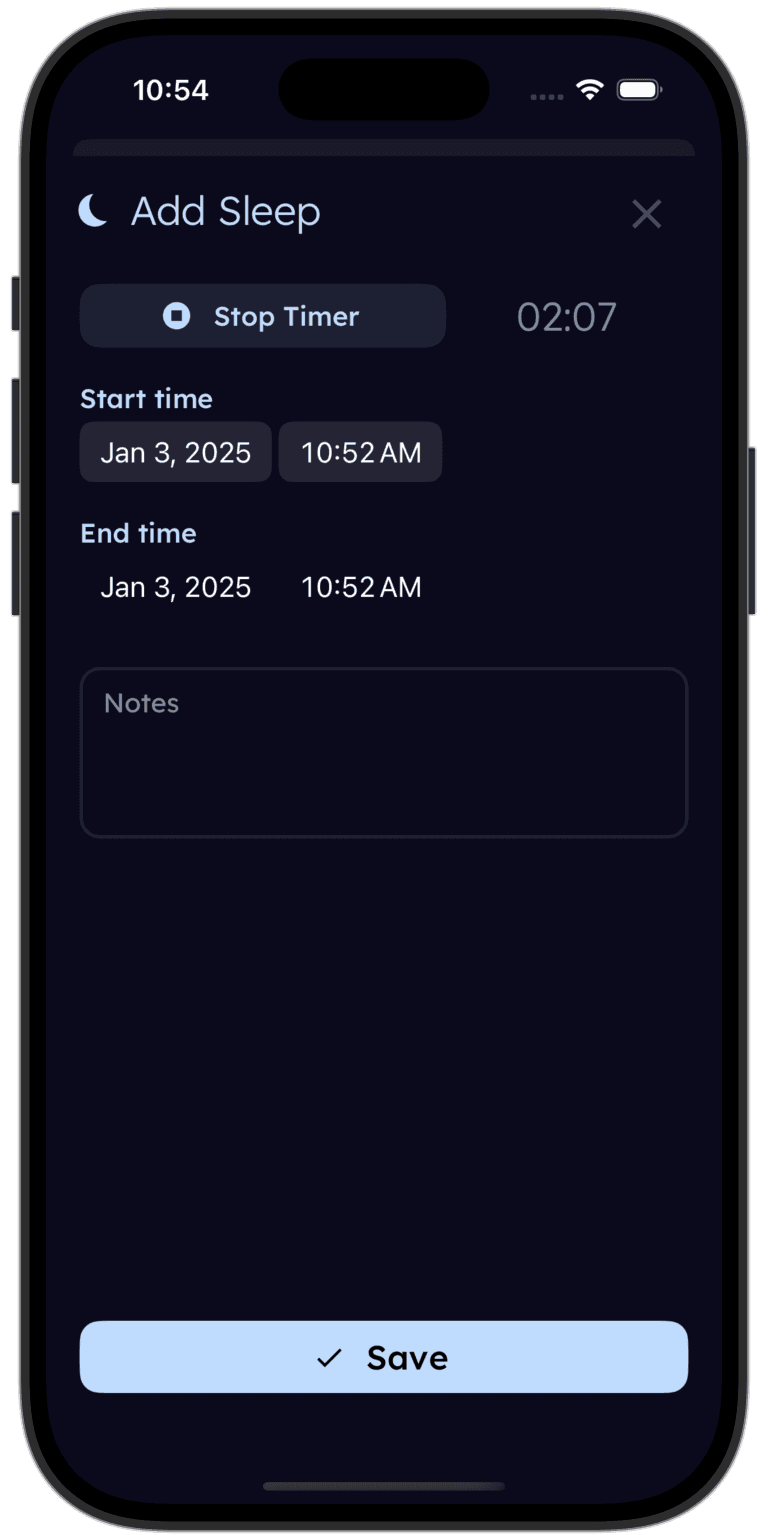
Tinylog pairs perfectly with your Owlet data.
Log naps, bedtime, night wakings, and wake windows alongside your Owlet readings. Bring the full picture to your next pediatrician visit.


A Quick Note on FDA Clearance
The Dream Sock received FDA 510(k) clearance as an over-the-counter pulse oximeter. That means it has been tested for accuracy in tracking pulse rate and blood oxygen levels. Independent clinical testing showed accuracy within plus or minus 3 percent of gold-standard arterial blood gas measurements.
What it does not mean: the sock is not cleared to diagnose, treat, or prevent any medical condition. It cannot detect SIDS. It is not a substitute for medical-grade monitoring if your pediatrician prescribes it. The FDA specifically warns against marketing infant pulse oximeters as SIDS prevention tools.
That said, many parents find genuine comfort in seeing real numbers on their phone at 3 AM. Whether that peace of mind is worth $300 or more is a personal decision. Just go in with clear expectations about what the device can and cannot do.
| Product | Typical Price | Bundle Savings | Year-One Estimate |
|---|---|---|---|
| Owlet Dream Sock (standalone) | $269–$299 | — | ~$269–$399 (with optional Owlet+) |
| Owlet Dream Duo 2 (Sock + Cam 2) | $349–$399 | ~$50–$100 vs. buying separately | ~$349–$519 (with optional Owlet+) |
| Owlet Cam 2 (sold separately) | $149–$179 | — | Camera only — no subscription needed |
The Math on Price
The pricing decision comes down to one question: do you need a camera?
If yes, the Dream Duo 2 saves you $50–$100 compared to buying the Dream Sock and Cam 2 separately. That is a meaningful discount on a product you were going to buy anyway.
If no, the standalone Dream Sock at $269–$299 gives you everything the Duo offers on the health monitoring side. You skip the camera, save $80–$100, and keep your existing video setup.
A few ways to save on either option:
- Check Amazon and Best Buy for sales. Both products go on sale frequently, especially around Prime Day and Black Friday. The Duo has been spotted as low as $176 during promotions.
- Use HSA or FSA funds. Both products qualify, which effectively gives you a tax discount.
- Skip Owlet+ initially. The free tier gives you real-time monitoring. You can always add the subscription later if you find yourself wanting historical trends.
Choose the Dream Sock If
- You already own a baby video monitor you are happy with
- You only want health vitals — pulse rate and oxygen tracking
- Portability matters and you want the lightest possible setup for travel
- You want to spend the least amount upfront for Owlet's core technology
- Your nursery setup is already dialed in and you just want to add biometric data
Choose the Dream Duo 2 If
- You do not already own a baby camera and need one anyway
- You want health monitoring and video in a single app and ecosystem
- You value cry, sound, and motion detection alerts on your phone
- You prefer buying a bundle at a lower combined price than purchasing separately
- You like seeing live video alongside live heart rate and oxygen numbers
- You are setting up a nursery from scratch and want fewer brands to manage
Where to Buy
If you already have a camera and just want health monitoring, the Owlet Dream Sock (~$269–$299) gives you everything that makes Owlet special — real-time pulse rate, blood oxygen tracking, base station alerts, and the full app experience. It is the same sensor that comes in the Duo, just without the camera. Grab it from Amazon, Best Buy, or the Owlet website, and remember it is HSA/FSA eligible.
If you need a camera too and want one ecosystem handling everything, the Owlet Dream Duo 2 (~$349–$399) bundles the same Dream Sock with the Owlet Cam 2 at a solid discount versus buying them separately. You get health vitals and HD video in a single app, plus cry and motion notifications. It is the better value if you are building a nursery from scratch.
Either way, you are getting the same core health sensor. The only difference is whether Owlet's camera comes along for the ride.
Tinylog earns a small commission on purchases made through these links, at no cost to you.
Tip: check promo.new before purchasing. It's hit or miss depending on the product, but when it hits, you'll be glad you checked.
The Bottom Line
The Owlet Dream Sock and Owlet Dream Duo 2 share the same wearable sensor, the same app, and the same health monitoring capabilities. The differences are straightforward:
Owlet Dream Sock is for parents who want pulse rate and oxygen tracking without paying for a camera they do not need. It is lighter, cheaper, and just as accurate as the Duo's sock — because it is the same sock.
Owlet Dream Duo 2 is for parents who want the sock plus a bundled 1080p camera with cry detection, two-way audio, and motion alerts — all managed in one app at a lower combined price than buying separately.
There is no wrong choice between these two. Pick based on whether you need a camera, not based on monitoring quality. The health data is identical.
If you are tracking your baby's sleep alongside your Owlet readings — which we recommend for getting the fullest picture — Tinylog makes it easy to log naps, bedtime, and wake windows all in one place.
Related Guides
- Nanit Pro vs. Owlet Dream Duo 2 — Camera-first vs. wearable-first monitoring compared
- 1-Month-Old Sleep Schedule — What to expect and how to start building a rhythm
- Safe Sleep for Babies — AAP guidelines every parent should know
- Baby Feeding Chart — How much your baby should eat by age
Sources
- Owletcare.com. "Owlet Dream Sock — Product Information." 2026.
- Owletcare.com. "Owlet Dream Duo 2 — Product Information." 2026.
- FDA.gov. "510(k) Premarket Notification — Owlet Dream Sock Pulse Oximeter." 2023.
- FDA.gov. "FDA Warns Companies Selling Unregulated Pulse Oximetry Products for Infants." 2021.
- BabyGearLab. "Owlet Dream Duo 2 Review." babygearlab.com, 2026.
- The Good Trade. "We Review the Owlet Dream Sock and Baby Monitor." thegoodtrade.com, 2026.
- AAP. "Safe Sleep Guidelines for Infants." HealthyChildren.org, 2025.
This guide is for informational purposes only and does not constitute medical advice. The Owlet Dream Sock is an FDA-cleared over-the-counter pulse oximeter but is not intended to diagnose, treat, or prevent any medical condition. It should not replace medical-grade monitoring when prescribed by a physician. Always follow AAP safe sleep guidelines and consult your pediatrician with health concerns.
Frequently asked questions
- Is the Owlet Dream Sock the same sensor in both products?
- Yes. The Dream Sock included in the Dream Duo 2 is the exact same wearable sensor sold standalone. It tracks pulse rate, blood oxygen saturation, and sleep quality identically in both packages. The Duo simply adds the Owlet Cam 2.
- Do I need a subscription for either product?
- Neither the Dream Sock nor the Dream Duo 2 requires a subscription for core features like real-time pulse rate, oxygen monitoring, and base station alerts. The optional Owlet+ membership adds historical trends, extended data, and sleep analytics for around $10 per month or $100 per year.
- Can I add the Owlet Cam 2 later if I start with just the sock?
- Yes. You can buy the Owlet Cam 2 separately at any time and pair it with your existing Dream Sock through the Owlet app. The downside is that buying separately typically costs $50 to $100 more than the bundled Dream Duo 2 price.
- Is the Owlet Dream Sock FDA-cleared?
- The Dream Sock received FDA 510(k) clearance as an over-the-counter pulse oximeter. It is cleared to track pulse rate and oxygen saturation. It is not cleared to diagnose, treat, or prevent any medical condition, including SIDS. Always follow AAP safe sleep guidelines.
- How long does the Dream Sock battery last?
- The Dream Sock has a battery life of approximately 16 hours on a full charge, which is enough for overnight monitoring plus naps. Charging takes about 90 minutes. Battery performance is the same whether you use the sock standalone or as part of the Duo.
- Will my baby tolerate wearing the sock all night?
- Most babies adjust to the sock within a few nights. The fabric is soft and stretchy, and it comes in multiple sizes to fit snugly without being tight. Some babies do kick it off, especially once they become more mobile around 4 to 6 months. If the sock shifts too much, it can trigger false alerts.