
GUIDE
Pampers Pure Protection vs. Huggies Special Delivery
Published on
Both are premium hypoallergenic diapers made with plant-based materials. Huggies Special Delivery is softer and has a better fit system. Pampers Pure Protection is slightly cheaper and more widely available. Neither contains fragrance, latex, parabens, or elemental chlorine.
These are the 'clean' diapers from the two biggest brands in America. Both cost more than their standard lines and both promise fewer questionable ingredients. The real differences come down to material sourcing, absorbent core design, and how they fit your specific baby.
Log changes, blowouts, and rashes
The 'Clean' Diapers — What's Actually Different
Here's the deal: you're looking at Pampers Pure Protection and Huggies Special Delivery because you want fewer chemicals touching your baby's skin. Totally valid. Both of these diapers were designed for exactly that.
But "plant-based" and "clean" mean different things depending on who's marketing to you. Both diapers still use synthetic superabsorbent polymer in their cores — that's the stuff that actually absorbs pee. The plant-based parts are mostly the outer cover and liner materials.
That said, both brands did strip out the stuff that dermatologists flag most often: fragrance, parabens, latex, and chlorine bleaching. If your baby has sensitive or reactive skin, either of these is a real upgrade over the standard lines.
For more on tracking your baby's output patterns, see our baby feeding chart.
| Feature | Pampers Pure Protection | Huggies Special Delivery | What It Means |
|---|---|---|---|
| Manufacturer | Procter & Gamble | Kimberly-Clark | Same parent companies as Swaddlers and Little Snugglers — these are their premium 'clean' lines. |
| Plant-based materials | Plant-based outer cover and enriched liner | Plant-based materials from sugarcane in outer layers | Both use plant-based components. Neither is 100% plant-based — the absorbent cores are still synthetic. |
| Fragrance | Fragrance-free | Fragrance-free | Tie. Both eliminated fragrance, unlike Pampers Swaddlers which still contains a light scent. |
| Hypoallergenic | Yes — dermatologist-tested | Yes — dermatologist-tested, National Eczema Association accepted | Huggies has the additional NEA certification, which requires stricter ingredient review. |
| Free of | Chlorine bleaching, fragrance, parabens, latex (natural rubber) | Chlorine bleaching, fragrance, parabens, latex, lotions | Very similar exclusion lists. Huggies also excludes added lotions from the liner. |
| Absorbent core | Standard superabsorbent polymer with moisture-lock channels | Contoured superabsorbent core with leak-lock system | Both use sodium polyacrylate. Huggies' contoured core hugs the body more closely. |
| Inner liner | Premium cotton-enhanced liner | Soft, breathable liner with plant-based materials | Both aim for skin-friendly contact layers. Huggies feels slightly softer in side-by-side tests. |
| Leak protection | Dual leak guards at legs | Leak Lock system + pocketed waistband | Huggies' pocketed waistband catches up-the-back blowouts. Pampers relies on leg-cuff barriers. |
| Wetness indicator | Yes — color-changing line | Yes — color-changing stripe | Tie. Both signal wetness clearly. |
| Size range | Newborn through Size 6 | Newborn through Size 6 | Tie. Both cover the full diaper size range. |
| Softness | Soft — cotton-enhanced feel | Very soft — consistently rated softer by parents | Huggies edges out here. Multiple parent surveys rank Special Delivery as the softer diaper. |
| Availability | Widely available — Amazon, Target, Walmart, grocery stores | Available but slightly harder to find in some stores | Pampers Pure has broader retail distribution. Huggies Special Delivery sells out more often. |
Ingredients: What's In and What's Out
Both diapers share a similar "free of" list — no fragrance, no parabens, no latex, no elemental chlorine bleaching. That's the baseline for premium hypoallergenic diapers in 2026.
Where they differ:
Pampers Pure Protection markets itself as having a "premium cotton-enhanced" liner and plant-based outer cover. Procter & Gamble doesn't specify the exact percentage of plant-derived materials, which frustrates some parents who want full transparency.
Huggies Special Delivery sources its plant-based materials from sugarcane and carries the National Eczema Association (NEA) Seal of Acceptance. Getting that seal requires submitting ingredient lists for independent dermatological review. Huggies also excludes added lotions from the liner — something Pampers doesn't explicitly promise.
If your baby has diagnosed eczema or you've been through the rash-cream-try-another-diaper cycle, the NEA certification on Huggies is worth paying attention to. It's not marketing — it's third-party validation.
Absorbency and Leak Protection
Real talk: both of these diapers absorb well for daytime use. Where you'll notice differences is overnight and during blowout situations.
Pampers Pure Protection uses moisture-lock channels that spread wetness across the pad. This keeps any single spot from getting oversaturated and works well for moderate, frequent wetters. The downside: under heavy overnight output, some parents report the diaper feels damp before the wetness indicator fully changes.
Huggies Special Delivery has a contoured absorbent core that follows the shape of the baby's body more closely. The Leak Lock system plus pocketed waistband gives it a structural advantage for blowouts — that back pocket catches messes that would otherwise go straight up the back of a onesie.
For standard daytime use with regular changes every 2–3 hours, you won't notice a meaningful difference. For overnight or if your baby is a heavy wetter, Huggies has a slight edge.
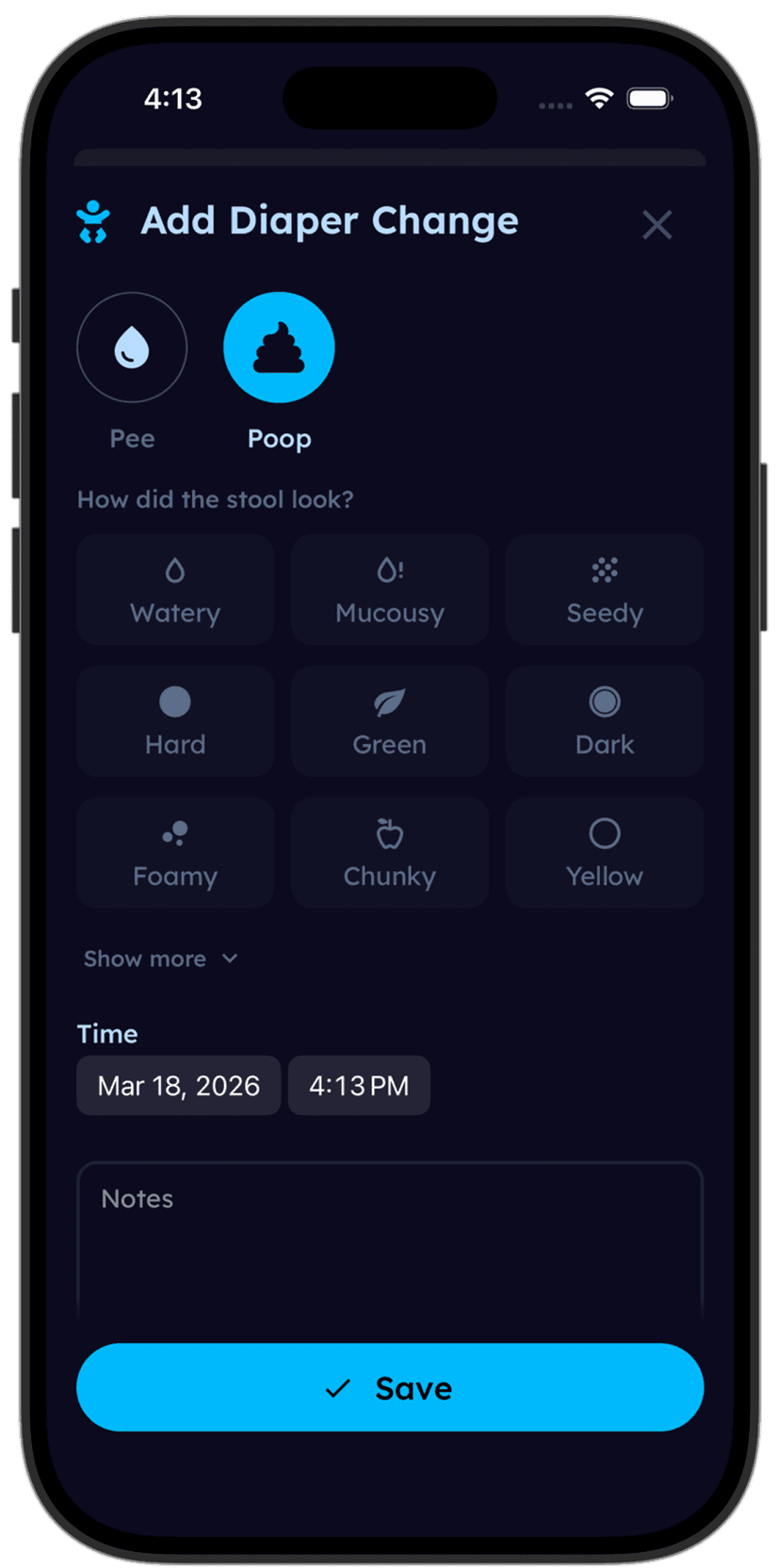
Tinylog tracks diapers so you can spot patterns.
Log wet and dirty diapers, note blowouts and rashes, track output over days and weeks. Bring the data to your next pediatrician visit.


Fit and Comfort: Your Baby's Shape Matters
This is where your baby's actual body decides the winner.
Pampers Pure Protection follows the same fit profile as Pampers Swaddlers — slightly longer and narrower. If your baby is on the lean side, these tend to sit well without gapping at the legs. The waistband has some stretch but isn't fully elastic.
Huggies Special Delivery fits wider and more contoured, similar to Huggies Little Snugglers. The elastic waistband gives a snugger fit around the back, and the pocketed waistband catches messes that slip past the absorbent core. Parents with chunky-thighed babies consistently report better fit from Huggies.
The softness difference is real and noticeable. In parent surveys and side-by-side tests, Huggies Special Delivery consistently gets rated as the softer diaper. If your baby has skin irritation from friction, this matters.
Bottom line: buy a small pack of each. The right diaper is the one that doesn't leak on your baby's specific body shape.
| Product | Typical Price | Cost Per Diaper | Monthly Estimate |
|---|---|---|---|
| Pampers Pure Protection (Size 1, 132-ct box) | $39–$47 | ~$0.30–$0.36 | ~$72–$108 |
| Huggies Special Delivery (Size 1, 116-ct box) | $37–$45 | ~$0.32–$0.39 | ~$77–$117 |
| Pampers Pure Protection (Size 3, 92-ct box) | $37–$44 | ~$0.40–$0.48 | ~$80–$115 |
| Huggies Special Delivery (Size 3, 84-ct box) | $36–$43 | ~$0.43–$0.51 | ~$86–$122 |
Price: The Premium Tax Is Real
Both of these diapers cost 5–10 cents more per diaper than Pampers Swaddlers or Huggies Little Snugglers. Over a month, that adds up to roughly $15–$30 extra depending on your baby's age and change frequency.
Is it worth it? That depends on your baby's skin. If your baby is doing fine in standard Swaddlers or Little Snugglers with no rashes or irritation, you're paying extra for peace of mind — which is fine, but not medically necessary. If your baby has reactive skin, eczema, or persistent rash, the ingredient upgrades in these premium lines can make a real difference.
Ways to keep costs down:
- Subscribe and save. Amazon, Target, and Walmart all offer 5–15% off recurring diaper orders.
- Buy the biggest box you can. Per-diaper cost drops significantly in larger counts.
- Watch for sales cycles. Both brands run promotions around Prime Day, back-to-school, and holiday seasons.
- Don't oversize. A properly fitting diaper leaks less, which means fewer changes and fewer diapers used per day.
Pampers Pure Protection is typically 2–4 cents cheaper per diaper than Huggies Special Delivery. Over a year, that's roughly $50–$100. Not huge, but not trivial either.
Choose Pampers Pure Protection If
- You want a fragrance-free, plant-based option that's easy to find in any store
- Your baby does well with Pampers' fit (longer and slightly narrower)
- You prefer the moisture-lock channel design for distributing wetness
- Cost matters — Pampers Pure is typically 2–4 cents cheaper per diaper
- You want the widest availability without worrying about stock issues
Choose Huggies Special Delivery If
- Your baby has eczema or very reactive skin (NEA acceptance matters)
- You want the softest possible diaper material against your baby's skin
- Blowouts are a recurring problem (the pocketed waistband really helps)
- Your baby is chunkier — Huggies fits wider builds more comfortably
- You want no added lotions in the liner
- Ingredient sourcing transparency is a priority for you
Where to Buy
If you want a clean-ingredient diaper that's easy to find anywhere, Pampers Pure Protection (~$0.33/diaper in bulk) is your best bet — fragrance-free, plant-based outer layers, and available at virtually every retailer. The large box on Amazon or at Target with a subscription discount is the best value.
If softness and skin certifications are your top priority, Huggies Special Delivery (~$0.35/diaper in bulk) has the edge — NEA acceptance, sugarcane-sourced plant materials, no added lotions, and that pocketed waistband for blowout protection. Stock can be spotty in stores, so online ordering is more reliable.
Same advice as always: grab a small pack of each before committing to a case. Your baby's skin and body shape are the real deciding factors, not marketing claims.
Tinylog earns a small commission on purchases made through these links, at no cost to you.
Want to save a few bucks? promo.new is worth a quick look. It won't always have your product, but when it does, the savings are real.
The Bottom Line
Pampers Pure Protection and Huggies Special Delivery are both solid upgrades if you want fewer synthetic ingredients touching your baby's skin. Neither is a bad choice.
Huggies Special Delivery wins on softness, the NEA eczema certification, pocketed waistband for blowouts, ingredient transparency, and contoured fit for wider-built babies.
Pampers Pure Protection wins on price (slightly cheaper), retail availability (easier to find on shelves), and fit for leaner babies.
If your baby has sensitive or eczema-prone skin, Huggies Special Delivery is the safer pick. If your baby tolerates both and you want to save a few bucks, Pampers Pure Protection does the job well.
And if you're tracking diaper output to make sure your newborn is eating enough — which your pediatrician will ask about — Tinylog makes logging changes fast and gives you data you can actually share at your next visit.
Related Guides
- Pampers Swaddlers vs. Huggies Little Snugglers — The standard versions compared
- Baby Diaper Rash — Causes, treatment, and when to call your doctor
- Baby Feeding Chart — How much your baby should eat by age
- Baby Constipation — What's normal and when to worry
Sources
- Pampers.com. "Pampers Pure Protection Diapers — Ingredients & Product Information." 2026.
- Huggies.com. "Huggies Special Delivery Hypoallergenic Diapers — Product Information." 2026.
- National Eczema Association. "NEA Seal of Acceptance Product Directory." nationaleczema.org, 2026.
- Consumer Reports. "19 Best Diapers From Our Tests." consumerreports.org, 2026.
- Mommyhood101. "The Best Diapers of 2026, Tested & Reviewed." mommyhood101.com.
- BabyGearLab. "Best Disposable Diapers." babygearlab.com, 2026.
- ShoeStringBaby.com. "Ultimate Pampers vs. Huggies Guide (Visuals & Real Testing)." 2025.
This guide is for informational purposes only. Diaper choice is a personal preference based on your baby's individual needs. If your baby develops persistent rash or skin irritation with any diaper brand, consult your pediatrician.
Frequently asked questions
- Are Pampers Pure Protection diapers really plant-based?
- Pampers Pure Protection uses plant-based materials in the outer layers and liner, but the absorbent core still contains sodium polyacrylate (superabsorbent polymer), which is synthetic. The term 'plant-based' refers to specific components, not the entire diaper.
- Is Huggies Special Delivery better for sensitive skin than Pampers Pure Protection?
- Both are hypoallergenic, fragrance-free, and free of parabens, latex, and elemental chlorine. Huggies Special Delivery uses plant-based materials sourced from sugarcane and has Dermatologist Tested and National Eczema Association certifications. For babies with diagnosed eczema, the NEA seal may give Huggies a slight edge.
- Which hypoallergenic diaper is more absorbent?
- Both perform similarly in standard absorbency tests. Huggies Special Delivery uses a slightly thicker absorbent core that some parents report holds more overnight. Pampers Pure Protection absorbs initial wetness quickly but may feel damp sooner under heavy output.
- Why do Pampers Pure Protection and Huggies Special Delivery cost more than regular diapers?
- Both use plant-based and sustainably sourced materials that cost more to manufacture. The premium is typically 5–10 cents per diaper over their standard counterparts (Swaddlers and Little Snugglers). Whether the ingredient difference justifies the cost depends on your baby's skin sensitivity.
- Do Pampers Pure Protection diapers have a wetness indicator?
- Yes. Both Pampers Pure Protection and Huggies Special Delivery have color-changing wetness indicators. Pampers uses a line that turns blue. Huggies uses a similar color-change stripe.
- Can I switch between Pampers Pure Protection and Huggies Special Delivery?
- Yes. Both are hypoallergenic and fragrance-free, so switching between them poses no risk. Many parents buy whichever is on sale or available. The only reason to stick with one is if your baby's skin reacts differently to one brand.