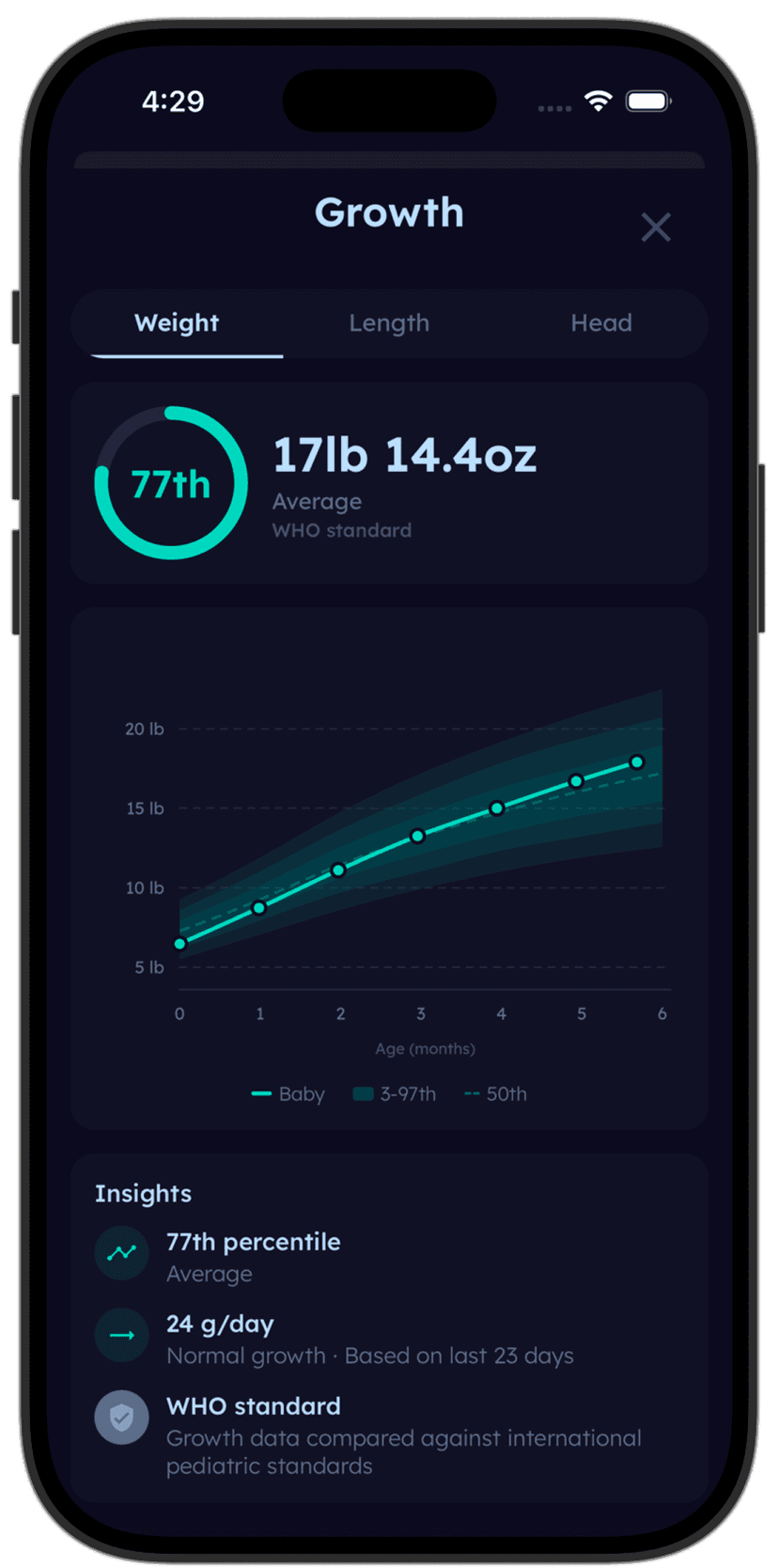
Having a preemie is stressful in ways that are hard to explain to people who haven't been through it. The NICU stay, the feeding challenges, the constant worry about growth and milestones — it's a lot. And most baby content online is written for full-term parents, which can make you feel even more isolated.
But here's what NICU nurses and pediatricians will tell you: preemies are incredibly resilient. Most premature babies catch up developmentally and physically within the first couple of years. The path looks different — and that's okay. Your baby has their own curve, their own timeline, and their own story.
Track what matters, go to your follow-up appointments, and trust your instincts. If your baby is on a specialty preemie formula, it's worth taking a moment to sign up for free recall alerts — these formulas can be harder to source on short notice, and the tool monitors FDA, UK FSA, and Canadian CFIA databases so you'll know right away if your brand is affected. You already got your baby through the hardest part. The rest is just time.
If you're getting ready to bring your baby home from the NICU, our
preemie care readiness checklist covers everything from discharge criteria to home setup to the follow-up appointments you don't want to miss.