
GUIDE
Skip Hop Activity Center vs. Bright Starts Bounce Bounce
Published on
The Skip Hop Grow-with-Me converts from activity center to toddler table and lasts years. The Bright Starts Bounce Bounce costs half as much, folds flat, and delivers the bouncing action babies go wild for. Your pick depends on budget, space, and how long you want this thing in your living room.
Activity centers and jumpers are one of those baby gear categories where spending more does not automatically mean your kid will like it more. The Skip Hop is a long-game investment piece. The Bright Starts is a short-game crowd-pleaser. Both keep babies entertained while you eat a meal with two hands.
Log sitting, standing, and play sessions
Two Activity Centers, Two Totally Different Strategies
Here is the thing nobody tells you at the baby shower: activity centers are as much for you as they are for your baby. You need 15 minutes to eat lunch. Your baby needs something that is not the floor and not your arms. Activity centers solve that problem.
The Skip Hop Grow-with-Me and the Bright Starts Bounce Bounce both do the job, but they approach it from completely different angles. One is a long-term investment that transforms as your kid grows. The other is a bouncing machine that your baby will lose their mind over for about 6–8 glorious months.
Neither is the wrong choice. But one of them is probably the better choice for your specific situation, and that is what we are going to figure out here.
| Feature | Skip Hop Grow-with-Me | Bright Starts Bounce Bounce | What It Means |
|---|---|---|---|
| Manufacturer | Skip Hop (Carter's / Kohl's family) | Bright Starts (Kids II) | Both are well-established baby gear brands with wide retail availability. |
| Price | ~$100 | ~$55 | Bright Starts costs roughly half. The Skip Hop's price reflects its multi-stage design. |
| Age range | 4 months – ~4 years (3 stages) | ~4–12 months (or 25 lbs) | Skip Hop wins on longevity by a mile. You get years of use vs. months. |
| Bounce action | No spring-loaded bounce | Spring-loaded bounce with rubber feet | Bright Starts is the clear winner if your baby lives for bouncing. Skip Hop does not bounce. |
| Seat rotation | 360-degree rotating seat | 360-degree rotating seat | Tie. Both let babies spin around to reach different toy stations. |
| Included toys / activities | Fewer built-in toys, tray for adding your own | 12+ toys and activities included | Bright Starts wins on sheer toy count out of the box. |
| Height adjustment | 3 height positions | 4 height positions | Bright Starts has a slight edge with one extra height setting. |
| Converts to toddler table | Yes — Stage 3 becomes a toddler activity table | No | Skip Hop's biggest selling point. It grows from activity center to a table your 3-year-old uses. |
| Foldability / storage | Does not fold | Folds flat for storage | Bright Starts wins for small apartments. The Skip Hop permanently occupies floor space. |
| Footprint | Larger — roughly 32" diameter | More compact — roughly 30" diameter, folds down | Bright Starts takes up less space, especially when folded away. |
| Seat pad washability | Machine-washable seat pad | Machine-washable seat pad | Tie. Both seat pads come off and go in the washing machine. Thank goodness. |
| Weight capacity | Up to 25 lbs (activity center mode) | Up to 25 lbs | Tie for the activity center stage. Skip Hop's table stage supports older/heavier kids. |
The Bounce Question (It Matters More Than You Think)
Let's get this out of the way because it is the single biggest functional difference between these two products.
The Bright Starts Bounce Bounce has springs. The Skip Hop does not.
That sounds like a small detail until you watch a 7-month-old discover bouncing for the first time. Babies who love to bounce will push off the floor, get airborne (in a safe, supported way), and do it over and over and over. The springs on the Bright Starts have rubber grips on the feet so the whole thing does not migrate across your kitchen floor while your baby goes full pogo stick.
The Skip Hop has a rotating seat that lets babies spin and reach different toy stations, but there is zero vertical bounce. If your baby craves that up-and-down motion, the Skip Hop will leave them unimpressed. If your baby is more of a sit-and-explore type, the Skip Hop is perfectly engaging.
You probably already know which baby you have. Trust that instinct.
The Longevity Argument (Skip Hop's Secret Weapon)
The Skip Hop's real pitch is not about the activity center stage at all. It is about what happens after.
Stage 1 (4+ months): Supported activity center with rotating seat. Baby sits in the middle, plays with toys, spins around.
Stage 2 (~12 months): Remove the seat insert. The center becomes a walk-around play table. Your newly mobile toddler cruises around it, which is actually great for building walking confidence.
Stage 3 (~2–4 years): It becomes a regular toddler table. Add the included stools, throw some crayons on it, and your preschooler uses it for art projects and snack time.
That is genuinely clever engineering. You pay $100 once and get a product that stays relevant for 3+ years. The Bright Starts, by contrast, has a hard stop around 12 months or 25 pounds. After that, it goes in the garage sale pile.
If you are the type of parent who hates buying things that get used for six months and then collect dust, the Skip Hop is speaking your language.
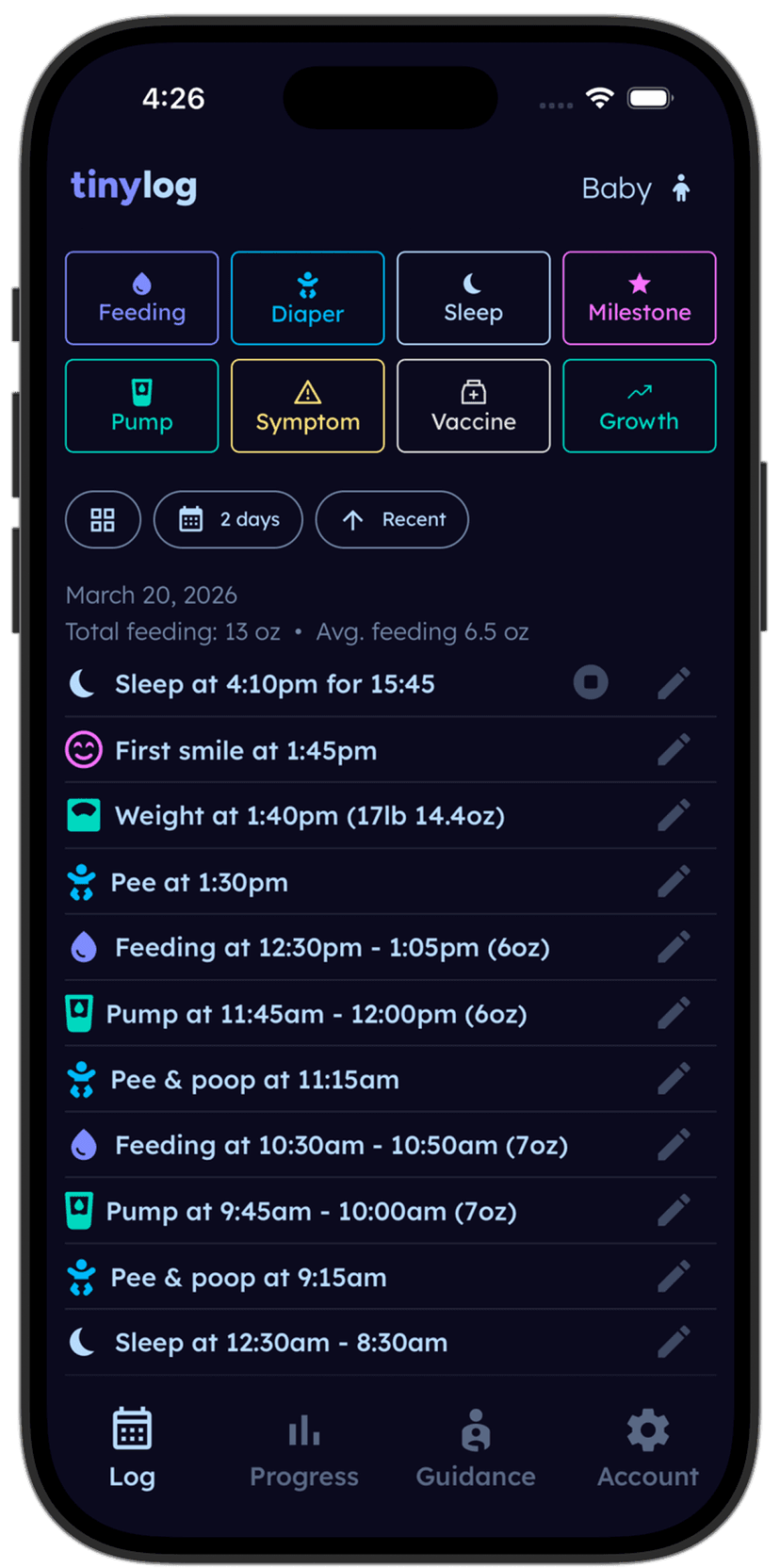
Tinylog tracks milestones so you remember all of this.
Log when your baby first bounced, first pulled to stand, first used a toddler table. Track play sessions and developmental milestones all in one place.


Space and Storage: The Apartment Test
Real talk for anyone living in less than 1,200 square feet: baby gear takes over your home. Every purchase is a negotiation with your floor plan.
The Bright Starts folds flat. When you are done with a play session, you can collapse it and slide it behind the couch or into a closet. This is huge if you live in an apartment or have a combined living-dining room situation.
The Skip Hop does not fold. It converts between stages, but it always occupies roughly the same circular footprint (about 32 inches across). In Stage 3 table mode, it at least serves as functional furniture. But in Stage 1, it is just sitting there being an activity center 24/7.
If space is tight, the Bright Starts' fold-flat design might be the deciding factor regardless of everything else.
| Product | Typical Price | Cost Per Day | Monthly (Amortized) |
|---|---|---|---|
| Skip Hop Grow-with-Me Activity Center | $90–$110 | ~$0.07/day over 4 years | ~$2/month amortized |
| Bright Starts Bounce Bounce Activity Center | $45–$60 | ~$0.20/day over 8 months | ~$6/month amortized |
The Money Math
The sticker price says Skip Hop is $100 and Bright Starts is $55. That looks like a clear budget win for Bright Starts.
But run the math over time and it flips. The Skip Hop costs roughly $2 per month spread across its 4-year lifespan. The Bright Starts costs about $6 per month across its 8-month window.
Now, that only matters if you actually use all three Skip Hop stages. If you buy the Skip Hop and your toddler never touches the table mode, you overpaid. If your kid uses it as a daily art table until age 4, it is a bargain.
The honest take:
- Tight budget right now? Get the Bright Starts. $55 for 6–8 months of daily entertainment is a solid deal.
- Willing to invest for the long haul? The Skip Hop pays for itself if you use all three stages.
- Buying secondhand? Both show up on Facebook Marketplace constantly. The Skip Hop holds its resale value better.
Choose the Skip Hop Grow-with-Me If
- You want one product that lasts from 4 months through preschool age
- You value a clean, modern aesthetic in your living room (the Skip Hop looks like actual furniture)
- Your baby is more of a spinner and explorer than a dedicated bouncer
- You have the floor space to keep it set up permanently
- You like the idea of converting it to a toddler art or snack table later
Choose the Bright Starts Bounce Bounce If
- Your baby goes absolutely feral for bouncing and you need that energy channeled somewhere safe
- Budget matters and you would rather spend $55 than $100
- You live in a smaller space and need something that folds flat when grandma visits
- You want a ton of toys included without buying extras
- Your baby is in the peak activity center window (5–10 months) and you want maximum entertainment now
- You are fine buying a separate toddler table later when the time comes
Where to Buy
The Skip Hop Grow-with-Me Activity Center (~$100) is the one to get if you want a single product that transitions from baby gear to toddler furniture. The 3-stage design is genuinely thoughtful, the aesthetic is cleaner than most activity centers, and you will not be hauling it to Goodwill in 8 months. Best prices are usually at Target or Amazon.
The Bright Starts Bounce Bounce Activity Center (~$55) is the move if your baby wants to bounce and you want your wallet to survive the experience. Twelve-plus toys, four height positions, spring-loaded bounce action, and it folds flat. For half the price of the Skip Hop, that is a lot of value packed into one product.
Honestly? If you can swing it, the dream setup is the Bright Starts now (for the bouncing phase) and the Skip Hop later (for the toddler table phase). But if you are picking one, you really cannot go wrong with either.
Tinylog earns a small commission on purchases made through these links, at no cost to you.
Want to save a few bucks? promo.new is worth a quick look. It won't always have your product, but when it does, the savings are real.
The Bottom Line
These two activity centers are not really competing with each other. They solve different problems for different families.
The Skip Hop Grow-with-Me Activity Center is a long-term investment piece. It costs more upfront but converts into a toddler table that lasts until preschool. It looks nice in your living room. It does not bounce, though, so manage those expectations.
The Bright Starts Bounce Bounce Activity Center is a short-term entertainment powerhouse. Spring-loaded bouncing, a mountain of toys, compact fold, and a price that does not make you wince. It has a shorter lifespan, but the joy-per-dollar ratio during those 6–8 months is hard to beat.
Whichever you choose, just remember the pediatric physical therapist rule: 15–20 minutes at a time, max. Then back to floor play. Activity centers are a tool, not a lifestyle.
If you are tracking your baby's milestones and play patterns, Tinylog makes it easy to log sessions and see development over time.
Related Guides
- Baby Feeding Chart — How much your baby should eat by age
- 4-Month-Old Sleep Schedule — Right around the age babies start using activity centers
- Baby Crawling — When to expect it and how to encourage it alongside activity center play
- Baby Walking — Milestones from cruising to first steps
Sources
- SkipHop.com. "Explore & More Grow-with-Me Activity Center — Product Information." 2026.
- BrightStarts.com. "Bounce Bounce Baby Activity Center — Product Information." 2026.
- American Academy of Pediatrics. "Stationary Activity Centers: Safety and Usage Guidelines." healthychildren.org.
- Consumer Reports. "Best Baby Activity Centers of 2026." consumerreports.org, 2026.
- BabyGearLab. "Best Baby Jumpers and Activity Centers — Tested & Reviewed." babygearlab.com, 2026.
- Mommyhood101. "Skip Hop Activity Center Review." mommyhood101.com, 2026.
- WhatToExpect.com. "Best Baby Jumpers and Activity Centers." whattoexpect.com, 2026.
This guide is for informational purposes only. Always supervise your baby in any activity center or jumper. Follow manufacturer weight and age limits. If you have concerns about your baby's development or physical readiness for an activity center, consult your pediatrician or a pediatric physical therapist.
Frequently asked questions
- What age is the Skip Hop Activity Center for?
- The Skip Hop Grow-with-Me Activity Center is designed for 4 months through approximately 4 years. Stage 1 is a supported activity center, Stage 2 converts to a play table with a walk-around design, and Stage 3 becomes a toddler activity table with chairs.
- What age is the Bright Starts Bounce Bounce for?
- The Bright Starts Bounce Bounce Activity Center is designed for babies who can hold their heads up unassisted (typically around 4–6 months) through about 12 months or 25 pounds, whichever comes first.
- Can babies actually bounce in the Skip Hop Activity Center?
- Not really. The Skip Hop has a 360-degree rotating seat but no spring-loaded bounce mechanism. Babies can spin, reach toys, and push off with their toes, but it is not a bouncer in the traditional sense. If your baby craves bouncing, the Bright Starts is the better pick.
- Does the Bright Starts Bounce Bounce fold flat?
- Yes. The Bright Starts Bounce Bounce folds down for storage, which is a significant advantage if you live in a smaller space. The Skip Hop does not fold — it converts into different configurations but always takes up floor space.
- Are activity centers bad for baby development?
- Pediatric physical therapists generally recommend limiting time in any stationary activity center to 15–20 minutes per session. Extended use can discourage crawling and independent floor play. Both products are fine in moderation — just do not use them as a babysitter for hours on end.
- Which activity center has more toys?
- The Bright Starts Bounce Bounce comes with 12+ toys and activities built in. The Skip Hop has fewer attached toys but is designed to be used with additional toys placed on the tray. Both keep babies engaged, but out of the box, Bright Starts gives you more to work with.