
GUIDE
Sophie la Girafe vs. Baby Einstein Opus the Octopus
Published on
Both are beloved teethers with different strengths. Sophie la Girafe wins on timeless design, natural rubber material, and easy grip for younger babies. Baby Einstein Opus wins on multi-texture variety, crinkle stimulation, and teething relief for multiple gum areas at once. Price is the biggest gap — Sophie costs roughly twice as much.
Sophie la Girafe and Baby Einstein Opus the Octopus are two of the most popular teethers on the market. They look nothing alike and take completely different approaches to soothing sore gums. The right pick depends on your baby's age, what textures they prefer, and whether you care more about natural materials or sensory variety.
Log bottles, nursing, and teething symptoms
Two Popular Teethers — Totally Different Philosophies
Sophie la Girafe and Baby Einstein Opus the Octopus are both sitting in nurseries across the country, covered in drool and doing their jobs. But they come at teething from completely different angles, and the right one depends on your baby.
Sophie la Girafe has been around since 1961. She's made from natural Hevea rubber, painted with food-grade paint, and manufactured in France with a level of craft that justifies — at least partially — her premium price tag. The long neck and legs give young babies something to grab and gnaw. She squeaks. She has high-contrast spots. She smells faintly of natural rubber. Babies are weirdly obsessed with her, and nobody can fully explain why.
Baby Einstein Opus the Octopus takes a different approach. Instead of one smooth surface, Opus gives your baby eight textured silicone tentacles — each with different ridges, bumps, and nubs designed to massage different parts of the gums. The body has crinkle fabric for extra sensory stimulation. It's compact, affordable, and built to survive being hurled out of a stroller repeatedly.
The honest version: both work. Teething relief is partly about texture preference, and your baby will let you know which one they like by either chewing it or throwing it on the floor. The real differences come down to material philosophy, price, and what age your baby is when teething gets serious.
| Feature | Sophie la Girafe | Baby Einstein Opus | What It Means |
|---|---|---|---|
| Manufacturer | Vulli (France) | Baby Einstein (Kids2) | Both are well-known brands. Sophie has decades of heritage; Baby Einstein is backed by a large US toy company. |
| Material | 100% natural Hevea rubber, food-grade paint | BPA-free silicone tentacles with soft fabric body | Sophie wins on natural materials. Opus combines silicone and fabric for mixed sensory input. |
| Recommended age | 0+ months | 3+ months | Sophie can be introduced earlier. Opus is better suited once baby has enough hand control to grab tentacles. |
| Texture variety | Smooth natural rubber throughout — gentle bumps on head and legs | Multiple textured silicone tentacles — ridges, bumps, and nubs on each arm | Opus offers more texture variety. Different tentacles target different gum areas. |
| Grip / hold | Long neck and legs act as handles — easy for small hands to grab | Multiple tentacles give several grab points; compact body fits small palms | Sophie's elongated shape is easier for younger babies. Opus works well once grip strength develops. |
| Sensory features | Squeaks when squeezed, high-contrast spots, light natural rubber scent | Crinkle sounds in tentacles, bright colors, multiple textures | Both offer multi-sensory experiences. Sophie adds sound through squeezing; Opus through crinkling. |
| Teething surface area | Head, ears, legs, and feet — baby tends to focus on one area at a time | Eight textured tentacles provide broad chewing coverage | Opus covers more gum territory. Sophie's narrow surfaces are better for targeted front-gum relief. |
| Ease of cleaning | Surface wipe only — do NOT submerge (mold risk through squeaker hole) | Silicone parts wipe clean; fabric body is spot-clean or surface-wash | Both require some care. Sophie's mold risk is the bigger concern — follow cleaning instructions carefully. |
| Durability | Natural rubber degrades over time — replace when surface gets sticky or worn | Silicone is durable; fabric may show wear with heavy mouthing | Opus holds up longer overall. Sophie may need replacing after several months of heavy use. |
| Portability | Lightweight (~75g) but tall — awkward in small diaper bags without a clip | Compact and lightweight (~55g) — fits easily in bags and pockets | Opus is more travel-friendly. Sophie's shape makes her easy to drop and hard to contain. |
| Safety certifications | Meets EU EN-71 and US CPSC standards; no BPA, phthalates, or PVC | Meets US CPSC and ASTM F963 standards; BPA-free, food-grade silicone | Both meet rigorous safety standards. Sophie's natural rubber is free from synthetic chemicals. |
| Price range | ~$22–$28 | ~$8–$12 | Opus costs roughly half to a third of Sophie's price. The price gap is significant. |
Material: Natural Rubber vs. Silicone
This is the fundamental difference, and for some parents it is the deciding factor.
Sophie la Girafe is made from 100% natural rubber harvested from the sap of the Hevea tree. There are no synthetic additives, no BPA, no phthalates, no PVC. The paint is food-grade. If the idea of your baby chewing on plant-derived material appeals to you, Sophie delivers on that promise. Natural rubber also has a slight give and warmth that some babies seem to prefer over silicone.
Baby Einstein Opus uses BPA-free, food-grade silicone for the tentacle teething surfaces, combined with a soft fabric body. Silicone is non-porous, easy to keep clean, and extremely durable. It does not degrade the way natural rubber can over time. The fabric body adds a different tactile element — something soft and crinkly to hold while chewing on the firmer tentacles.
The tradeoff: Natural rubber is the more "pure" material, but it has a shorter lifespan. Sophie can get sticky or tacky after months of heavy use and needs to be replaced. Silicone holds up longer and cleans more easily. Neither material is unsafe — both meet food-grade standards. This is a values call, not a safety call.
Texture and Teething Relief: Where Opus Pulls Ahead
When your baby is screaming because their gums are on fire, what matters is whether the teether actually provides relief. Texture plays a huge role here.
Sophie la Girafe offers a relatively uniform texture. The rubber is smooth with subtle bumps on the head and feet. Babies chew on the ears, the legs, the nose — whatever they can get into their mouths. The natural rubber has a pleasant chewing resistance, and the narrow shapes let babies target specific gum spots, which is helpful for front teeth.
Baby Einstein Opus is designed specifically for texture variety. Each tentacle has a different surface — some with raised ridges, some with small nubs, some with wavy patterns. This variety means your baby can find the texture that feels best on whichever part of their gums is bothering them at the moment. When different teeth are coming in at different times, having multiple texture options in one teether is genuinely useful.
For front teeth and early teething, Sophie's narrow ears and legs work well for targeted chewing. For broader gum coverage and molar teething, Opus's varied tentacles reach more places. Many parents find that Sophie is the better pick in the early months, and something with more texture variety — like Opus — becomes more useful as teething progresses.
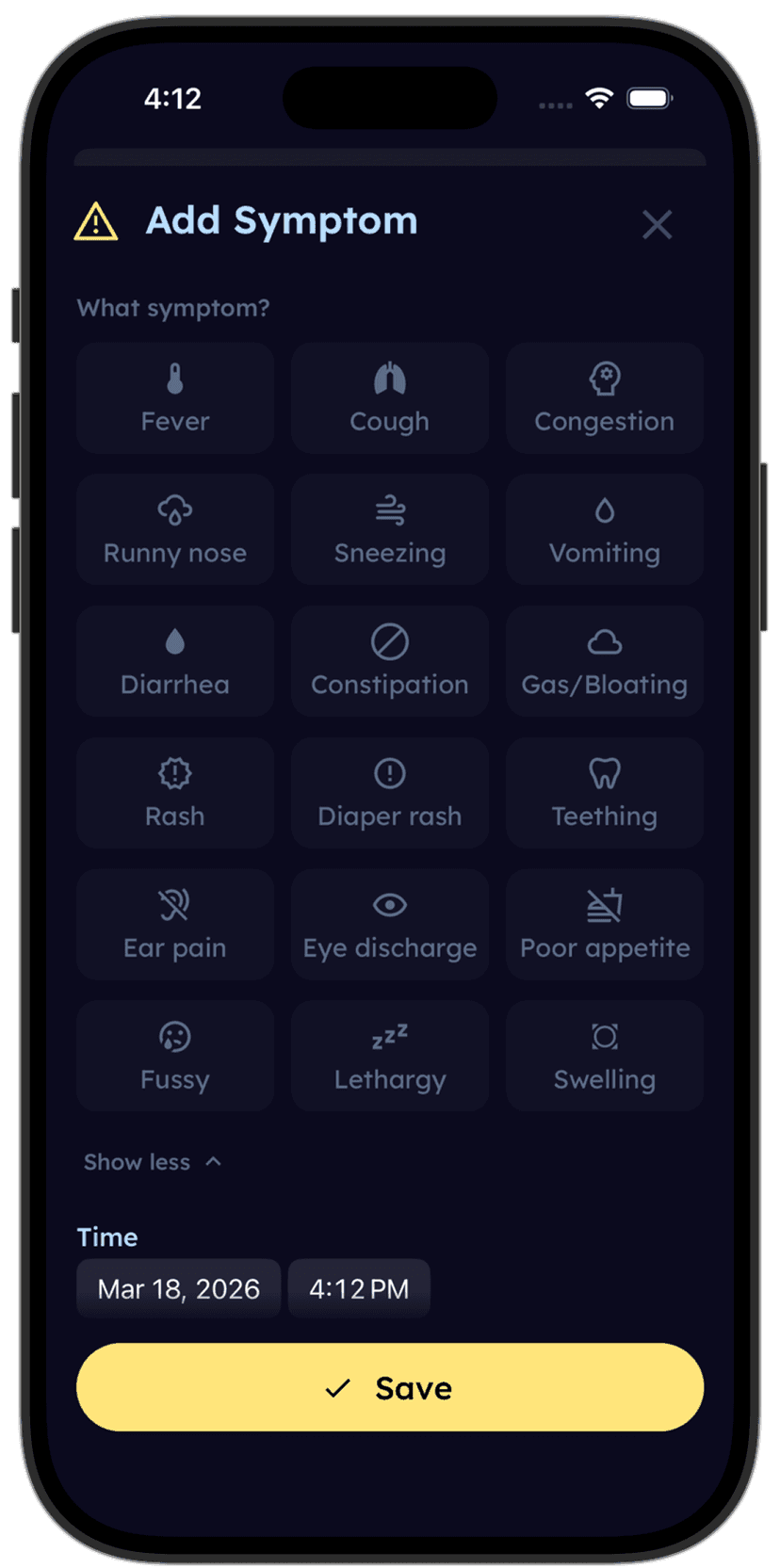
Tinylog tracks feedings so you can spot patterns.
Log feedings, note fussiness and drool levels, and see if teething is affecting your baby's eating habits. Bring the data to your next pediatrician visit.


Grip and Usability by Age
A teether that your baby cannot hold is a teether that lives on the floor. Grip matters.
Sophie la Girafe has a long, slim shape — about 7 inches tall with a narrow neck and thin legs. This elongated form is surprisingly well-suited for young babies (even newborns) who can wrap a fist around Sophie's neck or leg without needing much dexterity. The lightweight natural rubber (about 75 grams) is easy for small hands to lift and maneuver.
The downside of Sophie's shape: she is tall and awkward to contain. She does not fit neatly into pockets or small compartments. Without a teether clip or strap, she is going to end up on the ground — repeatedly. The "Sophie drop" is a universal parenting experience.
Baby Einstein Opus is more compact and squat — the body fits in a small palm, and the tentacles give multiple grip points. At roughly 55 grams, it is even lighter than Sophie. The tentacles are easy for babies with developing grip (3+ months) to grab onto, and the compact shape means Opus tucks into a diaper bag without drama.
For younger babies (0–3 months), Sophie's long handles are easier to grab. For babies 3 months and older, Opus's multiple tentacles give plenty to hold onto. Both will end up on the floor. That is not a design flaw — that is babies.
Cleaning and the Mold Question
Let's talk about the elephant in the room — or more accurately, the mold in the giraffe.
Sophie la Girafe made headlines several years ago when parents discovered mold growing inside the toy. Here is what actually happened: Sophie has a small hole that lets her squeak when squeezed. If you submerge Sophie in water — during bath time or aggressive washing — water gets trapped inside. That moisture creates a perfect environment for mold growth.
The fix is simple: never submerge Sophie in water. Wipe the surface with a damp cloth and mild soap. Let her air dry completely. If you follow these instructions, mold is not a concern. Vulli updated their cleaning guidelines and the issue is well-understood at this point.
Baby Einstein Opus is easier to keep clean. The silicone tentacles can be wiped down with soap and water or a sanitizing wipe. The fabric body is spot-clean only — you should not machine wash it, but surface cleaning is straightforward. Silicone does not trap moisture the way a hollow rubber toy can.
The honest take: Sophie requires more careful cleaning, and the mold risk is real if you ignore the instructions. Opus is lower-maintenance. If you are someone who tosses teethers in the sink without thinking about it, Opus is the safer bet from a hygiene standpoint.
| Product | Typical Price | Cost Per Unit | Notes |
|---|---|---|---|
| Sophie la Girafe Teether (single) | $22–$28 | ~$25 | Natural rubber, made in France; price reflects premium materials and manufacturing |
| Sophie la Girafe Teething Gift Set | $30–$40 | ~$35 | Includes teether plus ring or keychain; modest savings over buying separately |
| Baby Einstein Opus the Octopus Teether (single) | $8–$12 | ~$10 | Silicone and fabric; strong value for a multi-texture teether |
Price: The Gap Is Real
There is no getting around this: Sophie la Girafe costs roughly $22–$28 for a single teether. Baby Einstein Opus costs $8–$12. That is a meaningful difference, especially when you consider that teethers are temporary items that get chewed, dropped, lost, and eventually replaced.
Sophie's price reflects her natural rubber material, hand-painted finish, and French manufacturing. Whether that premium is worth it to you depends on how much you value natural materials and the brand heritage. Functionally — in terms of soothing sore gums — a $10 silicone teether can do the job just as well.
Opus is a strong value. For the price of one Sophie, you could buy two or three Opus teethers — one for home, one for the diaper bag, one for grandma's house. When your baby inevitably drops or loses a teether, the replacement cost stings a lot less at $10 than at $25.
The practical tip: If budget matters at all, start with Opus. If your baby needs a specific texture or you want the natural rubber experience, add Sophie later. There is no rule that says you can only have one teether — most families end up with a small collection.
Choose Sophie la Girafe If
- You prefer natural, plant-based materials over synthetic silicone
- Your baby is under 3 months and needs something easy to grip with tiny hands
- You want a teether that also works as a sensory toy (squeaker, spots, scent)
- You value European manufacturing standards and the heritage behind the product
- Your baby responds well to a single, consistent chewing texture rather than variety
Choose Baby Einstein Opus If
- Your baby is teething on multiple areas of their gums and needs varied textures
- You want a teether with crinkle and tactile stimulation for sensory development
- Budget matters and you want strong teething relief without the premium price
- You need something compact and easy to toss in a diaper bag
- Your baby is past the newborn stage (3+ months) and has decent grip strength
- You want a teether that holds up to heavy mouthing without degrading quickly
Where to Buy
If you want the natural rubber classic, the Sophie la Girafe Teether (~$22–$28) is the original teether that babies have been obsessed with for over 60 years. The Hevea rubber is soft, safe, and easy for small hands to grip. Just remember — wipe clean only, never submerge.
If you want multi-texture teething relief at a friendlier price, the Baby Einstein Opus the Octopus Teether (~$8–$12) packs eight different textured tentacles into a compact, durable package. It is a strong pick for babies 3 months and older who need varied gum stimulation.
Our honest advice: your baby gets the final vote. Teething preferences are personal and unpredictable. If budget allows, having both on hand gives your baby options — and on the bad teething days, options matter.
Tinylog earns a small commission on purchases made through these links, at no cost to you.
Tip: check promo.new before purchasing. It's hit or miss depending on the product, but when it hits, you'll be glad you checked.
The Bottom Line
Sophie la Girafe and Baby Einstein Opus the Octopus are both solid teethers that approach gum relief from different directions.
Sophie la Girafe wins on natural materials, early-age grip, sensory charm (the squeak, the spots, the scent), and the kind of timeless design that ends up in baby photos for decades. She is the premium pick for parents who prioritize natural rubber and do not mind paying more for it.
Baby Einstein Opus wins on texture variety, teething coverage across multiple gum areas, durability, portability, and price. It is the practical pick for parents who want effective teething relief without the premium price tag or the mold-risk cleaning rules.
For most families, the decision comes down to two questions: How much do you care about natural vs. synthetic materials? And how much do you want to spend on something your baby will chew on for a few months?
If teething is disrupting your baby's feeding patterns — which it often does — Tinylog can help you track feedings, note fussy periods, and spot whether teething is affecting how much your baby eats. That data is surprisingly helpful when you are wondering whether the crankiness is teeth or something else.
Sources
- Vulli. "Sophie la Girafe — Product Information and Care Instructions." sophielagirafe.com. 2026.
- Baby Einstein (Kids2). "Opus the Octopus Teether — Product Details." babyeinstein.com. 2026.
- American Academy of Pediatrics. "Teething: 4 to 7 Months." healthychildren.org. 2025.
- FDA. "Safely Soothing Teething Pain and Sensory Needs in Babies and Older Children." fda.gov. 2025.
- Consumer Product Safety Commission. "Toy Safety Information." cpsc.gov. 2025.
- Wirecutter (New York Times). "The Best Teething Toys and Remedies." nytimes.com. 2025.
- BabyCenter. "Teething Symptoms and Remedies." babycenter.com. 2025.
Related Guides
This guide is for informational purposes only and does not constitute medical advice. If your baby has persistent teething pain, feeding difficulties, or symptoms that concern you, consult your pediatrician.
Frequently asked questions
- Is Sophie la Girafe safe for babies?
- Yes. Sophie la Girafe is made from 100% natural rubber derived from the sap of the Hevea tree and colored with food-grade paint. It is BPA-free, phthalate-free, and has been independently tested for safety. The key is to follow the cleaning instructions — do not submerge Sophie in water, as moisture can get trapped inside the squeaker hole and cause mold.
- What age is Baby Einstein Opus the Octopus Teether for?
- Baby Einstein Opus is designed for babies 3 months and older. The multiple textured arms give babies several surfaces to chew on, and the compact size works well for small hands. Most babies get the most use from it between 3 and 12 months, when teething is most active.
- Can Sophie la Girafe grow mold inside?
- It can if water gets inside the squeaker hole. Sophie has a small air hole that allows her to squeak, and if submerged during washing, water can enter and create a moist environment for mold. To prevent this, clean Sophie by wiping with a damp cloth and mild soapy water — never soak or submerge her. If you notice discoloration or an off smell, replace the teether.
- Which teether is better for front teeth vs. back molars?
- Sophie la Girafe's head, ears, and legs provide good surfaces for front-gum chewing, but she is less effective for reaching back molars. Baby Einstein Opus's multiple textured tentacles are shaped to reach different areas of the gums, including spots further back. For molar teething specifically, Opus has a slight advantage.
- Are both teethers BPA-free?
- Yes. Sophie la Girafe is made from natural rubber and food-grade paint — no BPA, phthalates, or PVC. Baby Einstein Opus the Octopus Teether is made from BPA-free, food-grade silicone and fabric. Both meet US and EU safety standards for baby products.
- Why is Sophie la Girafe so expensive for a teether?
- Sophie la Girafe is manufactured in France from natural Hevea rubber using a multi-step process involving over 14 manual operations. The natural rubber, hand-applied food-grade paint, and European manufacturing all contribute to the higher price. Whether the premium is worth it depends on how much you value natural materials and the iconic design — functionally, less expensive teethers can soothe gums just as well.