GUIDE

White Noise for Daycare Naps

Most daycares don't use white noise — and most babies adapt within 1–2 weeks. You don't need to stop using white noise at home. You just need to help your baby learn to be flexible.

Here's how to prepare for the transition, what to expect, and why it usually goes better than you fear.

The Daycare White Noise Problem

You've spent months building the perfect sleep environment: dark room, cool temperature, consistent routine, sound machine humming away. Your baby sleeps beautifully.

Then daycare starts, and none of those conditions exist. The nap room has ambient light. There are other babies. Caregivers walk in and out. The sound environment is completely different.

Here's the good news: babies are far more adaptable than we give them credit for. Within 1 to 2 weeks, most babies figure out how to sleep at daycare — even without white noise. They learn that this environment has different rules, and they adjust. Some babies sleep differently (shorter naps, different timing), but they sleep.

The key is preparation and realistic expectations — not eliminating white noise at home.

How to Prepare (2-3 Weeks Before Daycare)

Practice one nap per day without white noise (2-3 weeks before daycare)

Start with one nap per day at home without the sound machine — ideally the morning nap, which is usually the easiest. Keep the room dark and everything else in the routine the same. This teaches your baby that sleep can happen without sound, without removing the tool entirely.

Gradually add light

Most daycares don't have pitch-black nap rooms. Open the curtains slightly during practice naps so your baby gets used to sleeping in dim (not dark) conditions. This is often harder than the white noise adjustment — darkness is a powerful sleep cue, and losing it takes practice.

Practice sleeping near sounds

Daycare nap rooms have ambient noise: other children, caregivers talking, doors opening. During practice naps, don't tiptoe around the house. Let your baby hear normal household sounds — dishes, conversation, footsteps. You're building tolerance for the kind of background noise they'll encounter at daycare.

Don't practice at bedtime

Keep nighttime sleep unchanged. Bedtime is high-stakes — if it goes badly, you're dealing with the fallout all night. Practice flexibility during naps only. Once your baby can nap without white noise during the day, nighttime continues with the machine as usual.

Talk to your daycare about their nap environment

Ask specific questions: Is the nap room separate or shared? Is it dark? Is it quiet or is there ambient noise? Do they use any sound or music? Understanding the actual conditions helps you replicate them during practice. If they play soft music, you might practice with similar background sounds.

What to Expect During the Transition

Week 1: Short or skipped naps

This is normal. Your baby is overstimulated by the new environment, new people, new routine, and new sounds. Naps may be 20-30 minutes or skipped entirely. Don't panic. Compensate with an earlier bedtime at home — 30 to 60 minutes earlier than usual.

Week 2: Improving but inconsistent

Most babies start settling into a daycare nap pattern by the second week. Naps may still be shorter than home naps, but they're happening more consistently. Your baby is learning that this environment is safe for sleep.

Week 3-4: New normal

By the third or fourth week, most babies have established a daycare nap pattern. It may look different from home — shorter naps, different timing, different conditions — and that's fine. Babies are capable of having different sleep patterns in different environments.

Ongoing: Daycare naps ≠ home naps

Daycare naps are often shorter than home naps. This is normal and expected. The environment is more stimulating, the conditions are less controlled, and there are other children. Many daycare babies compensate by sleeping longer at night or having longer weekend naps. Track both to see the full picture.

You Don't Have to Stop White Noise at Home

This is the most important thing to understand: your baby can sleep with white noise at home and without it at daycare. These are not contradictory.

Babies learn context. They learn that the crib at home means one set of conditions and the mat at daycare means another. Just like they learn to eat different foods at daycare than at home, or play with different toys, they learn to sleep in different environments.

Removing white noise at home to "prepare" for daycare sacrifices quality home sleep without meaningfully improving daycare sleep. Your baby will adjust to daycare on their own timeline regardless of what you do at home. Keep using the tool that works in your space.

The only exception: if your baby truly cannot nap without white noise after 3-4 weeks at daycare, and the daycare won't accommodate a machine, then gradually reducing dependence at home may help accelerate the adjustment. But most babies don't need this — they figure it out.

Common Mistakes

  • Stopping white noise at home entirely to 'prepare' — you don't need to sacrifice home sleep to build daycare flexibility
  • Starting the transition the week daycare begins — give yourself 2-3 weeks of gradual practice
  • Panicking after one bad daycare nap and requesting a meeting with the director
  • Refusing to adjust bedtime to compensate for shorter daycare naps — an overtired baby sleeps worse, not better
  • Comparing your baby's daycare naps to their home naps and feeling like something is wrong
  • Insisting the daycare match your exact home sleep setup — they have 8-15 other children to manage

The daycare transition is stressful for parents and babies alike. But babies are resilient, and almost all of them figure out daycare sleep. Give it time.

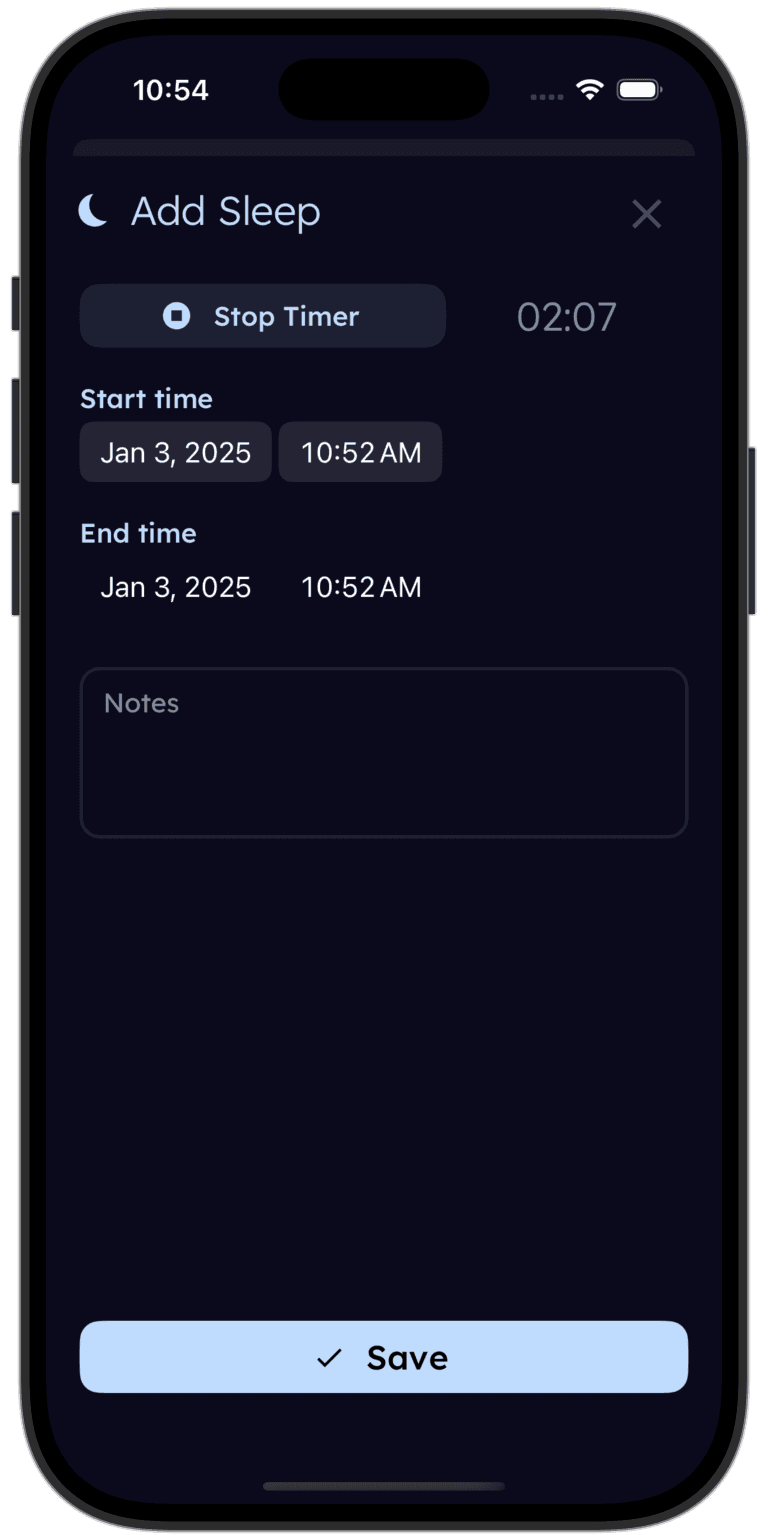
tinylog sleep tracker comparing nap patterns across environments

Compare home naps and daycare naps.

Log sleep everywhere — tinylog helps you see the full picture across home and daycare so you know if the transition is working.

Download on the App StoreGet It On Google Play

Related Guides

Sources

  • Mindell, J. A., et al. (2017). Sleep and Social-Emotional Development in Infants and Toddlers. Journal of Clinical Child & Adolescent Psychology.
  • Galland, B. C., et al. (2012). Normal sleep patterns in infants and children. Sleep Medicine Reviews, 16(3), 213–222.
  • American Academy of Pediatrics. (2023). Choosing Quality Child Care. https://www.aap.org
  • Zero to Three. Helping Your Baby Sleep. https://www.zerotothree.org

Medical Disclaimer

This guide is for informational purposes only and is not a substitute for professional medical advice. If you have concerns about your baby's sleep or daycare adjustment, please consult your pediatrician.

Want this guide in your inbox?
We'll send you this guide so you can reference it during the daycare transition.
Track naps at home and at daycare.
Download tinylog free — log sleep from anywhere so you can see how daycare actually affects your baby's nap patterns.
Download on the App StoreGet It On Google Play