GUIDE

White Noise for Babies with Reflux

White noise won't treat reflux, but it addresses one of reflux's biggest sleep problems: frequent waking during light sleep phases, when discomfort is most likely to pull your baby fully awake.

Here's how to combine white noise with reflux-specific sleep strategies for the best results.

How Reflux Disrupts Sleep

Reflux and sleep have a cruel relationship. Lying flat allows stomach contents to flow back up the esophagus. The discomfort is worst during the lighter phases of sleep — exactly when your baby is most likely to wake up anyway. The result is a baby who wakes more often, has trouble settling, and sleeps in shorter stretches.

Reflux and Sleep Phases
Falling asleep
How Reflux Disrupts ItDiscomfort from recent feeds makes settling difficult
How White Noise HelpsCalming effect reduces baseline arousal, making it easier to drift off despite discomfort
Deep sleep
How Reflux Disrupts ItUsually okay — reflux symptoms are less bothersome in deep sleep
How White Noise HelpsMinimal impact needed — baby is sleeping well in this phase
Light sleep / between cycles
How Reflux Disrupts ItMost vulnerable — mild discomfort that wouldn't wake a deep sleeper triggers a full wake-up
How White Noise HelpsConsistent sound floor prevents environmental sounds from adding to reflux discomfort
After a spit-up or silent reflux episode
How Reflux Disrupts ItAcid irritation causes sudden discomfort and crying
How White Noise HelpsWhite noise helps baby resettle faster after an episode by maintaining the sleep environment

White noise addresses the environmental layer of the problem. It can't reduce acid, soothe an irritated esophagus, or keep stomach contents down. But it can prevent the environmental disturbances (sounds, changes in the room) that compound the reflux discomfort and turn a partial wake-up into a full one.

The Reflux Sleep Toolkit

White noise is one tool in a larger reflux sleep strategy. Here's the complete toolkit, in order of impact.

Keep baby upright 15–30 minutes after feeding

This is the most impactful reflux sleep strategy — more important than white noise, room darkness, or any other environmental factor. Gravity helps keep stomach contents down. Hold your baby upright against your chest, or use a baby carrier. White noise during this hold can keep them drowsy and calm for an easier crib transfer.

Smaller, more frequent feeds

A very full stomach is more likely to reflux. If your baby takes 6 oz every 4 hours, try 4 oz every 2.5–3 hours. Less volume per feed means less pressure on the lower esophageal sphincter. Discuss specific feeding adjustments with your pediatrician.

Pace bottle feeds

Fast feeding means more swallowed air, which increases pressure in the stomach and makes reflux worse. Hold the bottle more horizontally, let your baby take breaks, and burp frequently. Slower intake = less air = less reflux.

White noise for the environment, not the reflux

Think of white noise as handling the environmental component of sleep while you and your pediatrician handle the medical component. White noise prevents the dog barking at 2 AM from waking a baby who's already on the edge of waking from reflux discomfort. It doesn't treat the reflux — it reduces the number of other things that can disturb sleep.

Don't elevate the crib mattress

This was once common advice, but the AAP now recommends against it. Inclined sleep surfaces increase the risk of the baby sliding into a position that can compromise their airway. A flat, firm mattress is the safest sleep surface regardless of reflux. If you feel your baby needs to sleep inclined, discuss it with your pediatrician.

Talk to your pediatrician about medication

If your baby's reflux is severe enough to significantly disrupt sleep, feeding, and weight gain, medication may help. This isn't a failure — it's appropriate treatment for a medical condition. White noise is a complementary tool, not a replacement for medical management when it's needed.

For the general white noise safety guidelines that apply to all babies — including those with reflux — see our white noise safety guide.


Which Sound Type for Reflux Babies?

Reflux babies are often more sensitive to stimulation because they're already dealing with physical discomfort. A sound that might be neutral to a comfortable baby can feel agitating to one who's experiencing acid irritation.

Pink noise is often the best starting point for reflux babies. It's softer than white noise — less of the higher-frequency hiss that can feel sharp or stimulating. The lower-frequency emphasis creates a more enveloping, gentler sound floor.

Brown noise is even deeper and may work well for babies who seem especially sensitive. The low rumble is less likely to add to sensory overload.

White noise still works for many reflux babies, especially for masking louder environmental sounds. But if your reflux baby seems agitated by it, try switching to pink or brown before giving up on sound machines entirely.

For a full comparison of noise types, see our white noise vs. pink noise vs. brown noise guide.

Common Mistakes

  • Expecting white noise to fix reflux sleep on its own — it's one tool, not the solution
  • Putting baby down immediately after feeding because white noise will 'soothe them to sleep' — the upright hold matters more
  • Elevating the crib mattress or using a wedge — this is no longer recommended by the AAP
  • Overfeeding before bed in hopes of a longer stretch — a very full stomach refluxes more
  • Cranking white noise volume to mask crying from reflux discomfort — address the discomfort first, then use white noise for the environment
  • Diagnosing reflux without a pediatrician — many conditions mimic reflux symptoms

Reflux sleep is genuinely hard. Give yourself credit for researching solutions — and remember that reflux almost always improves significantly by 12 months.

When to Talk to Your Pediatrician

  • Your baby is not gaining weight or is losing weight
  • Spitting up is forceful (projectile) or contains blood or green bile
  • Your baby refuses feeds or arches away from the bottle or breast
  • Symptoms are worsening rather than improving over time
  • Your baby seems to be in genuine pain — not just fussy
  • Sleep disruption is severe despite implementing positioning and feeding strategies
  • You're exhausted and struggling to cope — you deserve support too

Reflux is a medical condition. White noise is a sleep tool. If the medical issue isn't managed, no amount of sleep environment optimization will fix the problem.

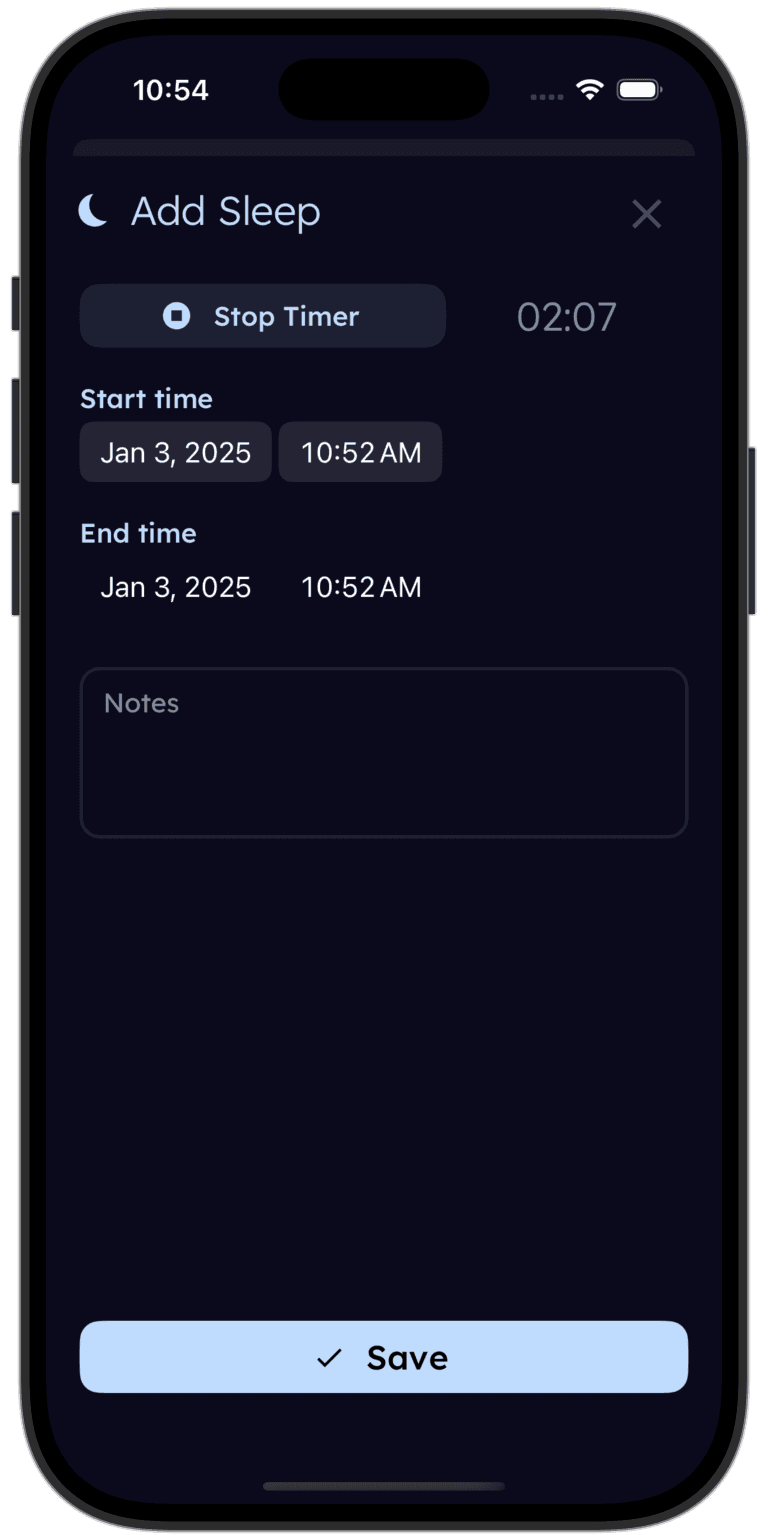
tinylog baby tracker showing feeding and sleep correlation

Track feeds and sleep to spot reflux patterns.

Log every feed and every sleep — tinylog shows you the connection between feeding times, volumes, and sleep disruptions so you can bring real data to your pediatrician.

Download on the App StoreGet It On Google Play

Related Guides

Sources

  • Rosen, R., et al. (2018). Pediatric Gastroesophageal Reflux Clinical Practice Guidelines. Journal of Pediatric Gastroenterology and Nutrition, 66(3), 516–554.
  • American Academy of Pediatrics. (2023). Safe Sleep Guidelines — Flat Sleep Surface Recommendation. https://www.aap.org
  • Zhang, L., et al. (2024). Effects of white noise on preterm infants: A meta-analysis. Nursing Open.
  • Karakoc, A., & Turk, G. (2017). Effectiveness of white noise in providing comfort to newborns. International Journal of Nursing Practice.
  • Zero to Three. Helping Your Baby Sleep. https://www.zerotothree.org

Medical Disclaimer

This guide is for informational purposes only and is not a substitute for professional medical advice. Reflux and GERD are medical conditions that should be managed by your pediatrician. If your baby has reflux symptoms, please consult your doctor before making changes to feeding or sleep routines.

Want this guide in your inbox?
We'll send you this guide so you can reference it during those long reflux nights.
Track feeds and sleep together.
Download tinylog free — log feeding patterns alongside sleep to spot reflux-related trends.
Download on the App StoreGet It On Google Play