GUIDE

White Noise vs. Pink Noise vs. Brown Noise for Babies

White noise is the most studied, pink noise may promote deeper sleep, and brown noise is the gentlest on sensitive ears. But the best noise color for your baby is whichever one helps them sleep.

Here's the science behind each type, how they're different, and a straightforward way to figure out which one your baby prefers.

The Basics: What Are Noise Colors?

Sound has color. Not literally — but scientists categorize different types of broadband noise by color based on how the energy is distributed across frequencies. Think of it like light: white light contains all colors equally, while other colors emphasize certain wavelengths.

White noise includes all audible frequencies (20 to 20,000 Hz) at equal intensity. It's a full-spectrum hiss — every frequency gets the same energy.

Pink noise also includes all frequencies, but the lower ones are louder. For every doubling of frequency (octave), the energy drops. The result is a sound that's softer and deeper than white noise — less hiss, more warmth.

Brown noise (also called Brownian or red noise) goes even further, with energy heavily concentrated in the lowest frequencies. It's a deep rumble with very little high-frequency content.

The practical difference: white noise sounds like static, pink noise sounds like rain, and brown noise sounds like a waterfall. Each one masks environmental sounds, but they do it differently — and babies have preferences.

The Full Comparison

White vs. Pink vs. Brown Noise
Frequency profile
White NoiseAll frequencies at equal intensity
Pink NoiseAll frequencies — lower ones louder
Brown NoiseStrong emphasis on low frequencies
What it sounds like
White NoiseTV static, steady hiss, running shower
Pink NoiseSteady rainfall, rustling leaves, gentle fan
Brown NoiseDistant waterfall, rolling thunder, strong wind
How it feels
White NoiseBright, crisp, full-spectrum
Pink NoiseSofter, warmer, more natural
Brown NoiseDeep, rumbly, enveloping
Best for masking
White NoiseLoud, sudden sounds (barking, slamming doors)
Pink NoiseModerate continuous sounds (TV, talking)
Brown NoiseLow-frequency sounds (traffic, HVAC)
Research for baby sleep
White NoiseMost studied — 80% of newborns slept faster
Pink NoiseEmerging — may promote deeper sleep
Brown NoiseMinimal direct research — growing expert support
Closest to womb sounds
White NoiseModerate — broadband like womb but includes highs
Pink NoiseGood — emphasizes the lower frequencies of the womb
Brown NoiseClosest — deep, low-frequency like blood flow
Babies who may prefer it
White NoiseMost babies, especially newborns
Pink NoiseBabies who seem bothered by white noise hiss
Brown NoiseBabies sensitive to higher-pitched sounds

All three types are safe at the same volume and distance guidelines: below 50 dB, at least 7 feet from your baby. The safety rules don't change based on the color of noise. For the full safety breakdown, see our guide on whether white noise is safe for babies.

What the Research Says

White noise has the strongest evidence base for infant sleep. The most cited study found that 80 percent of newborns fell asleep within five minutes with white noise versus 25 percent in quiet. Multiple studies have confirmed its effectiveness for masking environmental sounds and improving infant sleep onset.

Pink noise has emerging research that's genuinely interesting. Studies suggest that pink noise can reduce brain wave complexity during sleep, which correlates with deeper, more stable sleep. A 2012 study in the Journal of Theoretical Biology found that pink noise improved deep sleep and memory in adults — and while direct infant studies are limited, the mechanism should apply similarly. Many pediatric sleep consultants have shifted to recommending pink noise as a default.

Brown noise has the least direct research for infant sleep. However, its acoustic profile is the closest match to the low-frequency sounds of the womb (blood flow, heartbeat), which is why some neonatologists and sleep specialists recommend it — particularly for preemies and newborns who may be sensitive to the higher frequencies in white noise.

The honest answer: No randomized controlled trial has directly compared white, pink, and brown noise for infant sleep outcomes in the same study. The recommendations are based on the individual research for each type, acoustic properties, and clinical experience. The evidence doesn't clearly favor one over the others — it favors all of them over silence.

Which Type Should You Start With?

Recommended Starting Point by Age
Preemies
Recommended First ChoiceHeartbeat / womb sounds
Good AlternativePink noise
NoteLow frequencies only — avoid high-frequency hiss. See preemie guide.
Newborns (0–3 months)
Recommended First ChoiceWhite noise
Good AlternativeHeartbeat sounds
NoteWhite noise is closest to the womb's broadband sound. Most studied at this age.
Infants (3–12 months)
Recommended First ChoiceWhite or pink noise
Good AlternativeBrown noise
NoteSome babies develop preferences around 5–6 months. Experiment.
Toddlers (1–3 years)
Recommended First ChoicePink or brown noise
Good AlternativeNature sounds (rain)
NoteToddlers may find white noise too harsh. They may also have opinions.

These are starting points, not rules. Your baby may love brown noise as a newborn or prefer white noise as a toddler. Trust what you observe over any chart.

For age-specific guidance, see our dedicated guides: preemies, newborns, infants, and toddlers.

How to Test Which Noise Color Works for Your Baby

Try one type for 3 to 5 days

Don't switch sounds every nap — give each type at least 3 to 5 days so your baby can adjust. One rough nap doesn't mean the sound type is wrong. You're looking for a pattern: does your baby fall asleep more easily, sleep longer, or seem calmer at bedtime with this sound compared to the last one?

Watch the first 10 minutes

The best indicator is how your baby responds in the first 10 minutes after you turn the sound on. Does their body relax? Does breathing slow? Do they stop fussing? Or do they seem more agitated, more alert, more fussy? If a sound type consistently seems to wind your baby up rather than down, try the next one.

Test at the same volume

When comparing noise colors, keep the volume identical. Different frequencies sound louder or quieter to human ears at the same decibel level — brown noise can sound quieter than white noise even when measuring the same dB. Use a decibel meter app and match levels when testing.

Note the environment

If your house is loud (dogs, siblings, street noise), white noise's full-spectrum masking may work better. If your house is relatively quiet and you just want a consistent backdrop, pink or brown noise may be more soothing without the high-frequency edge.

Different sounds for different situations

There's no rule that you have to use one type everywhere. Some families use white noise for daytime naps (better at masking household activity) and pink or brown noise for nighttime (softer, deeper, less likely to feel harsh over 11 hours). Your baby can absolutely handle variety.

What About Other Sound Types?

Beyond the three main noise colors, you'll see other options on sound machines and apps.

Nature sounds (rain, ocean, forest): These can work, but quality varies enormously. The best nature recordings are continuous with consistent volume. The worst have jarring loops, sudden crashes (waves), or variable bird calls that can startle light sleepers. If you use nature sounds, preview the entire loop and listen for any sudden changes.

Heartbeat sounds: Particularly effective for newborns and preemies because they closely mimic what babies heard in the womb. These typically deliver a rhythmic, low-frequency pulse — essentially a specialized version of brown noise with a beat.

Lullabies and music: These are great for bedtime routines, but they're not effective as overnight sleep sounds. Music has melody, rhythm changes, volume dynamics, and endings — all of which can stimulate rather than soothe during sleep. Use music during the wind-down routine, then switch to continuous noise for the actual sleep period.

Fan noise: A real fan provides natural white-to-pink noise at a generally safe volume and has the added benefit of air circulation (which some research associates with reduced SIDS risk). Many families find a fan is the simplest, cheapest, and most reliable "sound machine."


Common Mistakes When Choosing Noise Type

  • Judging a sound type after one nap — give it 3 to 5 days minimum
  • Not controlling volume when comparing — different noise types can sound louder or softer at the same dB setting
  • Assuming pink or brown noise is 'safer' than white noise — at the same volume, the safety profile is identical
  • Using nature sounds with sudden changes (crashing waves, bird calls, variable rain) instead of continuous sound
  • Overthinking it — if your baby sleeps well with white noise, you don't need to switch to pink just because a blog post said so
  • Mixing up 'brown noise' with 'Brownian noise' when searching — they're the same thing, named after Robert Brown, not the color

The noise color debate is one of the least important decisions you'll make about baby sleep. Volume, distance, and sleep-only use matter far more than whether you choose white, pink, or brown.

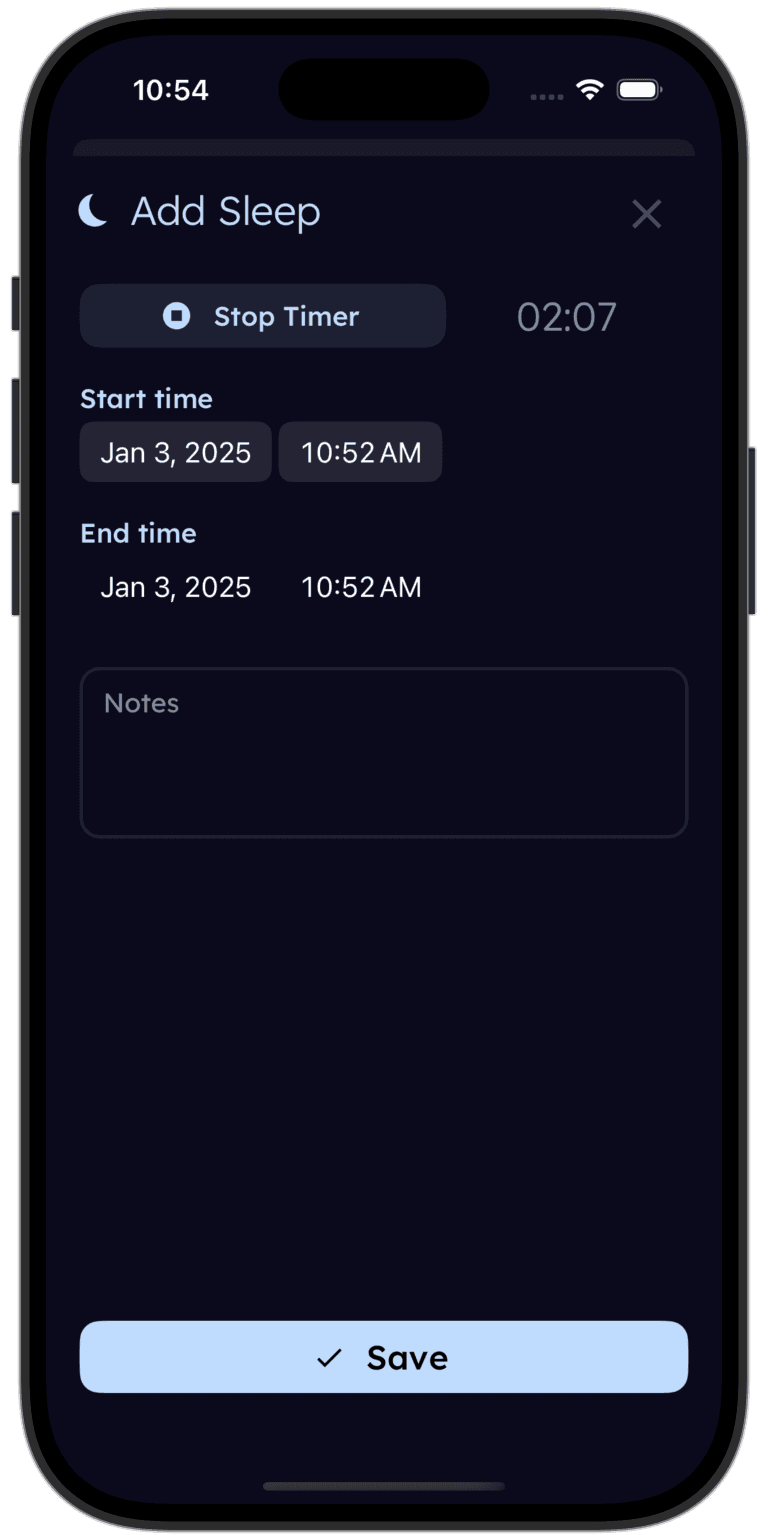
tinylog sleep tracker for comparing baby nap patterns

Test different sounds and track the results.

Log each nap with a note about which sound type you used — tinylog helps you compare sleep duration and see which one actually works best for your baby.

Download on the App StoreGet It On Google Play

Related Guides

Sources

  • Spencer, J. A., et al. (1990). White noise and sleep induction. Archives of Disease in Childhood, 65(1), 135–137.
  • Zhou, J., et al. (2012). Pink noise: effect on complexity synchronization of brain activity and sleep consolidation. Journal of Theoretical Biology, 306, 68–73.
  • Hugh, S. C., et al. (2014). Infant sleep machines and hazardous sound pressure levels. JAMA Pediatrics, 168(5), 404–406.
  • Nationwide Children's Hospital. (2025). Understanding White, Brown and Pink Noise for Children's Sleep. https://www.nationwidechildrens.org
  • Omega Pediatrics. (2024). The Science Behind White Noise for Your Baby's Peaceful Sleep. https://www.omegapediatrics.com
  • Zero to Three. Helping Your Baby Sleep. https://www.zerotothree.org

Medical Disclaimer

This guide is for informational purposes only and is not a substitute for professional medical advice. If you have concerns about your baby's sleep or hearing, please consult your pediatrician.

Want this guide in your inbox?
We'll send you this comparison so you can reference it while testing different sounds.
Find out which noise type works best for your baby.
Download tinylog free — log naps with notes on which sound type you used and compare results.
Download on the App StoreGet It On Google Play