GUIDE

The 15-Month Sleep Regression

Your toddler is walking, talking (sort of), and has Very Strong Opinions about bedtime. Welcome to the next level.

This regression often collides with the 2-to-1 nap transition, making everything feel extra chaotic. Here's how to sort it out.

Yes, the 15-Month Sleep Regression Is Real

If your toddler was sleeping reasonably well and has suddenly decided that sleep is optional, you're not imagining things. The 15-month sleep regression is real, it's common, and it typically lasts 1 to 3 weeks.

It gets less attention than the 4-month or 12-month regressions, but it can feel just as disruptive — partly because it often collides with the 2-to-1 nap transition. You're dealing with a toddler who is walking confidently, developing strong opinions about everything (including bedtime), possibly cutting painful molars, and may or may not be ready to drop a nap. It's a lot at once.

The good news: this is temporary. Your toddler's brain and body are going through a massive upgrade, and sleep is temporarily getting caught in the crossfire. With a little patience and a steady routine, things will settle. For a look at how this fits into the broader picture of baby and toddler sleep, our Baby Sleep Playbook covers every stage from newborn through 12 months and beyond.

What's Happening Developmentally at 15 Months

Sleep regressions aren't random — they're driven by real developmental changes. At 15 months, your toddler is going through several big shifts at once, and every single one of them can interfere with sleep.

Walking confidently (or close to it)

Your toddler can move through the world on two feet now, and that changes everything. Walking is the biggest motor milestone of the first two years, and their brain is buzzing with the thrill of it. Lying still in a dark room is the last thing they want to do.

The 2-to-1 nap transition window

Between 14 and 18 months, most toddlers begin the shift from two naps to one. This transition is messy even under the best circumstances. When it overlaps with a regression, it can be genuinely hard to figure out what's causing what.

Growing independence and opinions

At 15 months, your toddler is beginning to understand that they're a separate person with their own preferences. They know what bedtime means — and they'd rather not. This isn't defiance. It's early autonomy, which is developmentally right on track.

Teething — canines and first molars

The canines and first molars often come in between 13 and 19 months. These are bigger, sharper teeth pushing through sensitive gums, and the pain tends to be worse at night when there are fewer distractions. If your toddler is drooling more, chewing on everything, or has swollen gums, teething may be compounding the regression.

Language explosion brewing

Even if your toddler isn't saying many words yet, their receptive language is expanding fast. They understand far more than they can express, and their brain is processing all of it — including during sleep. This cognitive load can make it harder to settle.

If your toddler just came through the 12-month sleep regression, you might feel like you barely had a break. That's because the 12-month and 15-month regressions are driven by related but different developmental shifts — the 12-month regression is more about early walking attempts and brain growth, while this one is about confident mobility, autonomy, and the nap transition. They're separate events, even if they feel like one long nightmare.

Signs You're in the 15-Month Regression

  • Fighting bedtime with new intensity — arching, crying, climbing out of your arms
  • Waking at night after weeks or months of sleeping through
  • Refusing one or both naps (usually the afternoon nap first)
  • Taking much longer to fall asleep at nap time and bedtime
  • Waking earlier in the morning than usual
  • More clingy and upset at separations — especially at the crib
  • Cranky and overtired during the day despite resisting sleep

You don't need all of these to be in a regression. Two or three showing up at the same time — especially if sleep was fine before — is the pattern.

The Nap Transition: When It's Real vs. Regression-Driven Refusal

This is the question that makes the 15-month regression uniquely tricky: is your toddler actually ready to drop to one nap, or are they just refusing naps because of the regression?

The answer matters, because dropping a nap too early usually makes everything worse. An undertired toddler who is genuinely ready for one nap looks very different from an overtired toddler in a regression who can't settle.

Here's how to tell the difference.

Signs They're Actually Ready for One Nap

  • Refusing one nap consistently for 2 or more weeks — not just a few random days
  • Handling 5+ hour wake windows without a total meltdown
  • The second nap is pushing bedtime past 8:00 PM regularly
  • Taking 30+ minutes to fall asleep for one of the naps
  • Sleeping well overnight even on days when a nap was skipped

The key word is consistently. A toddler who skips a nap three days in a row because they just learned to climb the couch is not the same as one who has been refusing the second nap for three weeks straight.

Signs It's the Regression Talking — Not Nap Readiness

  • Only refused a nap a few times in the past week or two
  • Melting down hard by late afternoon on one-nap days
  • Night sleep is falling apart at the same time — this points to regression, not readiness
  • They still fall asleep easily for both naps when given the chance
  • The nap refusal started suddenly alongside other regression signs

When in doubt, keep offering two naps. You can always transition later. Rushing a premature nap drop on top of a regression is a recipe for an overtired, miserable toddler — and exhausted parents.

If They Are Ready: How to Transition to One Nap

If the signs genuinely point to nap readiness — consistent refusal for 2+ weeks, handling long wake windows, and stable overnight sleep — here's how to make the switch without chaos:

Start by pushing the morning nap later by about 15 minutes every few days. The goal is to land the single nap around 12:00 to 12:30 PM. Don't rush it — jumping straight from a 9:30 AM nap to a noon nap is too big a shift.

Use an early bedtime during the transition. A 6:00 or 6:30 PM bedtime is completely appropriate while your toddler adjusts. Their total sleep needs haven't changed — they're just redistributing when it happens.

Expect the transition to take 2 to 4 weeks. Some days will be one-nap days, some will still need two. That's normal. Flexibility during the transition is more important than consistency. For a deeper dive into all the nap transitions, our nap transitions guide covers the full timeline.

What to Do Tonight

You don't need a new sleep philosophy. You need a short list of things that actually help, starting tonight.

Keep offering two naps (for now)

If your toddler was happily napping twice a day before this regression started, keep offering both naps. A regression is not the right time to make a big schedule change. Wait until the dust settles — usually 1-3 weeks — before deciding if the nap transition is actually happening.

Use an early bedtime as your safety net

If a nap gets skipped or cut short, move bedtime earlier by 30 minutes. An overtired toddler will fight sleep harder and wake more at night. A 6:00 or 6:30 PM bedtime during a rough patch is perfectly fine and often leads to better overnight sleep.

Stick to your bedtime routine like it's law

Same steps, same order, every single night. Your toddler's world is changing fast, and the predictability of the routine is genuinely comforting. Bath, pajamas, book, song, crib — whatever your version is, don't change it right now.

Set boundaries calmly and clearly

Your toddler is testing limits — that's their job. Yours is to be a calm, boring wall. If they stand up in the crib, lay them down once, say your phrase ('time for sleep'), and leave. Repeating it 47 times with increasing frustration teaches them that persistence works. One calm response teaches them that bedtime means bedtime.

Give extra comfort without creating new habits

A regression is a tough time to start something new — whether that's co-sleeping, rocking all the way to sleep, or staying in their room until they're out. Offer comfort (a pat, a quiet 'I love you, goodnight'), but try to keep the falling-asleep part independent if it was before.

Address teething pain proactively

If you suspect teething, talk to your pediatrician about appropriate pain relief before bed. A toddler in pain can't sleep well no matter how perfect the routine is. Cold teethers before the bedtime routine can also help take the edge off.

tinylog sleep tracking screen showing nap and night sleep logs over a week

Is it a regression or a nap transition? The data will tell you.

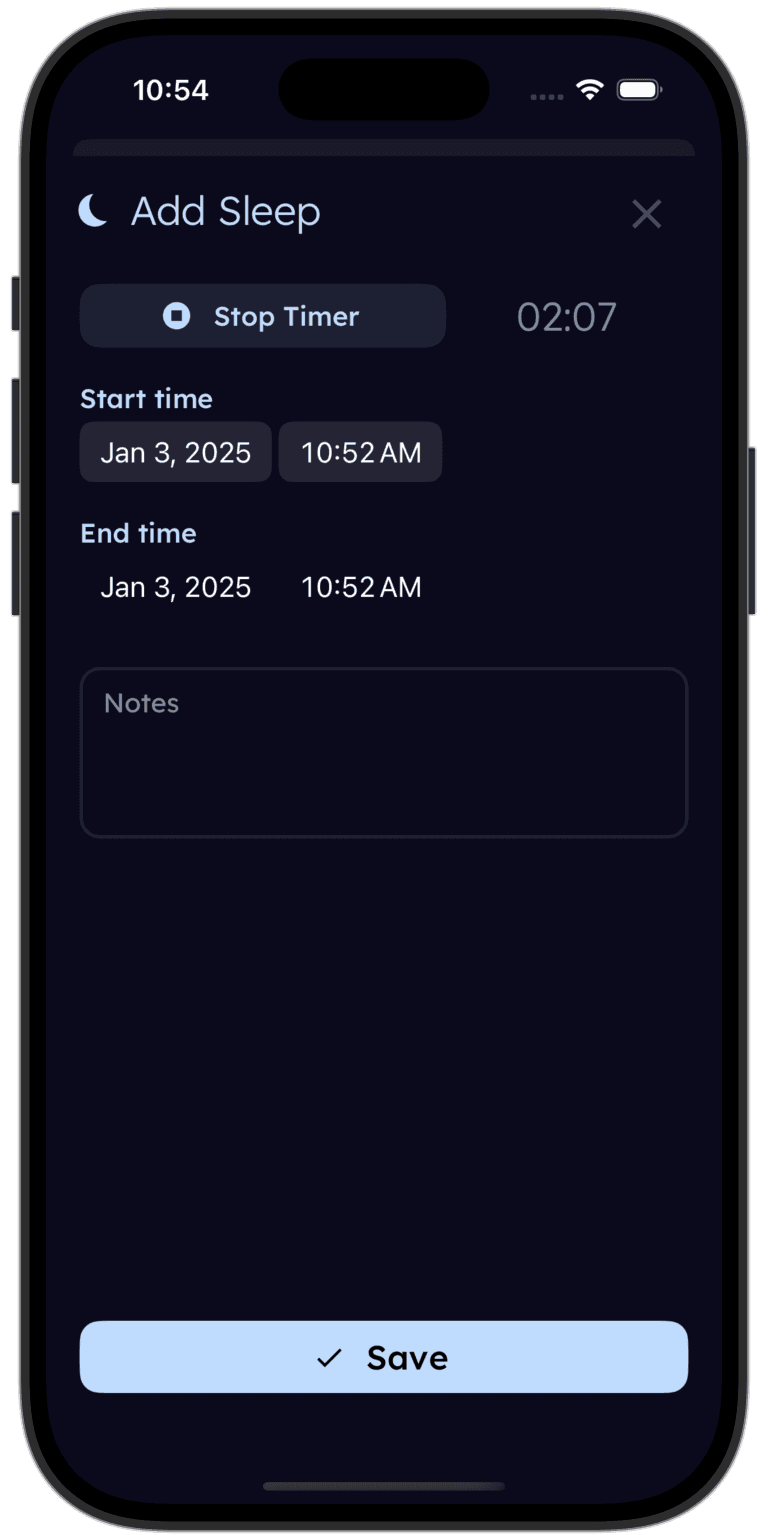
Log naps and night sleep in tinylog for a week and the pattern becomes clear. If nap refusal is happening alongside night waking, it's probably a regression. If naps are shrinking but nights are solid, the transition might be real. Either way, you'll have data instead of guesswork.

Download on the App StoreGet It On Google Play

What No One Tells You About This Regression

A few things that are true but rarely said out loud:

It can feel personal. When your toddler looks you in the eye and screams at bedtime, it's hard not to take it personally. But this isn't rejection — it's a tiny human who loves being awake with you so much that sleep feels like a loss. That's actually kind of sweet, even when it doesn't feel that way at 2 AM.

The nap transition makes it feel twice as long. A regression on its own lasts 1-3 weeks. But if it triggers a real nap transition, you might be dealing with schedule upheaval for a month or more. That's not the regression lasting longer — it's two separate things happening in sequence.

Your toddler might seem to "regress" in other areas too. Some toddlers get clingier, fussier about food, or have more tantrums during this period. Sleep disruption affects mood and behavior — for toddlers and parents alike. It all tends to improve once sleep stabilizes.

You might be more exhausted now than in the newborn phase. At least newborns stay where you put them. A 15-month-old who won't sleep is also walking, climbing, getting into things, and requiring constant supervision. You're allowed to be tired. You're allowed to be frustrated. And you're allowed to ask for help.

If you're looking ahead and wondering what comes next, the 18-month sleep regression is driven by different developmental factors — but the survival strategies are similar. Getting through this one gives you a playbook for the next.


When to Talk to Your Pediatrician

  • Sleep disruption lasting more than 4 weeks with no improvement
  • Your toddler seems to be in significant pain at night (beyond normal fussiness)
  • Snoring, gasping, or pauses in breathing during sleep
  • Sudden, dramatic changes in behavior during the day — extreme irritability, loss of skills, or withdrawal
  • You're concerned about your toddler's development overall, not just sleep
  • Your own mental health is suffering — you matter too, and your pediatrician can help with resources

Sleep regressions are normal, but they shouldn't last indefinitely. If things aren't improving after a month, or if something else feels off, a quick call to your pediatrician is always the right move.

The Bottom Line

The 15-month regression is a collision of big developmental changes — confident walking, emerging independence, potential teething, and the looming nap transition. It's a lot, and it's temporary.

Keep your routine steady, use early bedtimes when naps go sideways, don't rush the nap transition, and give your toddler (and yourself) some grace. They're not giving you a hard time — they're having a hard time. And in a few weeks, this will be behind you.

Related Guides

Sources

  • Mindell JA, Owens JA. A Clinical Guide to Pediatric Sleep: Diagnosis and Management of Sleep Problems. 3rd ed. Lippincott Williams & Wilkins, 2015.
  • Galland BC, Taylor BJ, Elder DE, Herbison P. "Normal sleep patterns in infants and children: a systematic review of observational studies." Sleep Medicine Reviews, 2012.
  • Weissbluth M. Healthy Sleep Habits, Happy Child. 5th ed. Ballantine Books, 2015.
  • American Academy of Pediatrics. "Healthy Sleep Habits: How Many Hours Does Your Child Need?" HealthyChildren.org.
  • Jenni OG, Benz C, Largo RH. "Sleep and nap schedules of young children: a population-based study." European Journal of Pediatrics, 2007.

This guide is for informational purposes only and is not a substitute for professional medical advice. If you have concerns about your toddler's sleep or development, please consult your pediatrician.

Want this guide in your inbox?
We'll email you this guide for easy reference during the toddler sleep transition.
Nap transition or regression? Track it and find out.
Download tinylog free — log naps and night sleep to see what's really going on.
Download on the App StoreGet It On Google Play