GUIDE

The 18-Month Sleep Regression

Your toddler just discovered willpower, and bedtime is where they're testing it. This is one of the hardest regressions — but it's also one of the most important.

Tantrums at bedtime, screaming when you leave, climbing out of the crib — here's what's happening and what actually works.

What's Happening (and Why This One Hurts)

Let's start with the honest part: the 18-month sleep regression is often the hardest one. Not because the sleep disruption is worse than, say, the 4-month regression, but because your toddler is doing this on purpose. Not maliciously — they don't have the capacity for that yet — but intentionally. They know what bedtime means. They have opinions about it. And they now have the physical ability and emotional intensity to fight it.

That changes the experience completely. You're not just dealing with night wakings. You're dealing with a tiny human who looks you dead in the eye and says "no."

This is normal. It's exhausting, but it's normal. And it typically lasts 2 to 6 weeks, though the behavioral component can linger if boundaries shift during the regression. The good news is that how you handle this one matters more than almost any other regression — and you're fully capable of handling it well, even on rough nights.

What's Happening Developmentally

So much is going on in your toddler's brain right now. Understanding the "why" behind the bedtime battles can help you stay patient when you're running low on it.

Independence is exploding. Your 18-month-old is discovering that they are a separate person from you, with their own preferences and their own will. This is a massive developmental leap. They want to do things themselves — choose what to eat, where to go, what to wear. And they want to decide when to sleep (spoiler: never, apparently).

Language comprehension is way ahead of speech. They understand far more than they can say. They know what "time for bed" means, they understand routines, and they've figured out that "no" is an incredibly powerful word. They may only have 10 to 50 spoken words, but their receptive vocabulary is huge — and they're using that understanding to push back.

Separation anxiety can resurge. Around 18 months, many toddlers go through another wave of separation anxiety. They may have been fine with you leaving the room for months, and suddenly they're clinging to your leg at bedtime like you're leaving forever. This is a normal part of developing object permanence and emotional attachment — but it makes bedtime exits brutally hard.

Molars may still be arriving. Those big back teeth can still be working their way through at this age, causing pain and discomfort that peaks at night when there's nothing else to distract them.

First real tantrums are emerging. Your toddler's emotional experience is much bigger than their ability to regulate it. They feel enormous frustration, and they have no tools to manage it yet. That's what a tantrum is — an emotional overflow. At bedtime, when they're already tired, the overflow comes faster.

If you've been through earlier regressions, you might find our 15-month sleep regression guide helpful for context on how this one builds on the last.


Signs You're in the 18-Month Regression

  • Screaming, crying, or throwing full tantrums at bedtime — even with a consistent routine
  • Actively saying 'no' to sleep, pajamas, crib, books, or anything bedtime-related
  • Climbing or attempting to climb out of the crib
  • Stalling tactics — asking for water, another book, another hug, one more song
  • New or returning night wakings after weeks or months of sleeping through
  • Nap refusal — especially fighting the afternoon nap
  • Separation anxiety flaring up — hysterical when you leave the room
  • Taking much longer to fall asleep than usual

You don't need all of these to be in a regression. If bedtime went from manageable to miserable over the span of a week or two, and your toddler is around 18 months, you're probably here. It's temporary.

What to Do Tonight

You don't need a complicated plan. You need a few solid strategies and the willpower to stick with them — even when your toddler is testing yours.

Offer two choices — not twenty

Your toddler needs to feel some control right now. That's what this whole developmental phase is about. So give them choices within your boundaries: 'Do you want the blue pajamas or the striped ones?' 'Should we read Goodnight Moon or the bear book?' Two options. Both acceptable to you. They feel powerful, you keep the structure.

Validate the feeling, hold the boundary

When the tantrum hits, name what they're feeling: 'You're really mad. You don't want to stop playing. I get it.' Then hold the line: 'It's bedtime. Your body needs rest.' You don't have to fix the emotion or make them happy about it. You just have to be calm and consistent. They're allowed to be upset. You're allowed to still put them to bed.

Shorten the runway

If bedtime has become a 45-minute negotiation, tighten it up. A predictable 15-to-20-minute routine is plenty: pajamas, teeth, one or two books, one song, lights out. The longer the routine drags on, the more opportunities they have to stall and the more worked up everyone gets.

Give a heads-up before transitions

Your 18-month-old understands a lot more language than they can speak. Use that. 'Two more minutes of playing, then it's bath time.' 'One more book, then lights out.' Toddlers handle transitions much better when they're not ambushed by them.

Don't start new sleep crutches out of desperation

It's tempting to bring them into your bed, lie on the floor until they fall asleep, or do whatever it takes to end the screaming. But anything you introduce now to survive the regression becomes the new expectation. If you wouldn't want to do it every night for the next three months, don't start it tonight.

Handle crib climbing safely

If your toddler is climbing out, lower the mattress to the floor of the crib, put them in a sleep sack to limit leg mobility, and remove any bumpers or toys they could use as a step. If they're genuinely getting over the rail, talk to your pediatrician about next steps — but resist switching to a toddler bed if you can. Removing the crib walls during a boundary-testing phase usually makes everything harder.

tinylog sleep tracking screen showing bedtime patterns over a week

When every night feels like a battle, it helps to see which nights were actually okay.

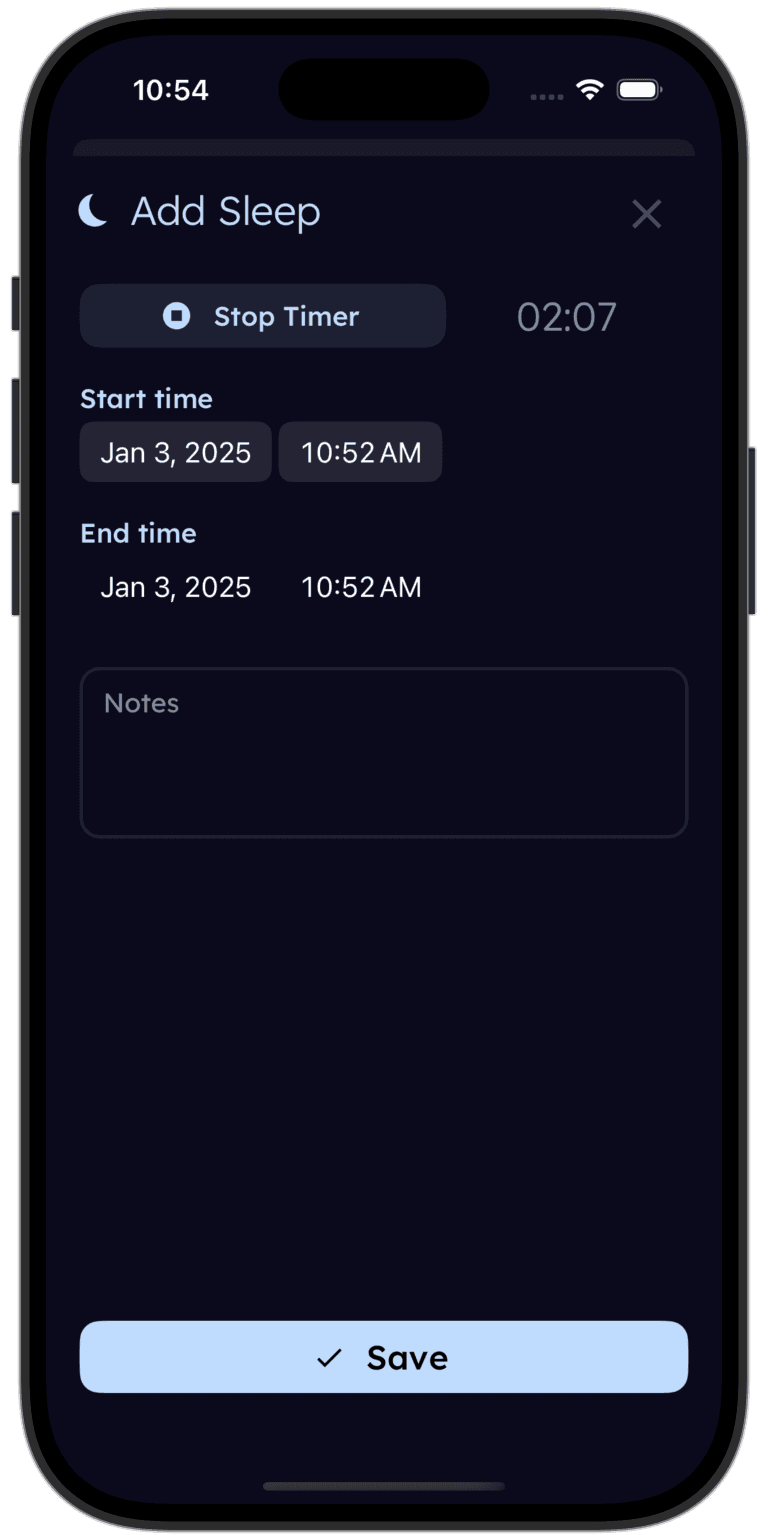
Track bedtime, wake-ups, and naps with tinylog — then zoom out and see the pattern. Most parents find the regression is improving before it feels like it is. Data cuts through the fog.

Download on the App StoreGet It On Google Play

What No One Tells You About This Regression

This regression feels personal — but it's not

Earlier regressions felt like bad luck. This one feels like your toddler is choosing to make your life difficult. They're not. They're doing exactly what their brain is wired to do at this age: testing limits, asserting independence, and figuring out how the world responds when they push back. It just happens that bedtime is the highest-stakes arena in the house.

Tantrums are actually a sign of trust

Your toddler feels safe enough with you to completely fall apart. That's not a failure on your part. They save the biggest meltdowns for the person they trust most. Cold comfort at 8pm when they're arching their back and screaming about pajamas, but it's worth knowing.

Consistency is harder when the kid is fighting you

With a 4-month-old, consistency meant doing the same routine every night. With an 18-month-old, consistency means doing the same routine while someone screams 'NO' and tries to run away. It's a completely different level of difficulty, and it's okay to acknowledge that this is genuinely hard. You're not bad at this. This part is just really, really tough.

The behavioral stuff can outlast the regression itself

The developmental leap that drives this regression will settle in 2 to 6 weeks. But if your toddler learns that screaming long enough gets them out of the crib, that behavior sticks around. The habits you set now — kind but firm boundaries — pay off for months and even years.

When to Talk to Your Pediatrician

The 18-month regression is normal, and most families get through it with patience and consistent boundaries. But reach out to your pediatrician if:

  • Your toddler's sleep hasn't improved at all after 6 or more weeks of consistent bedtime boundaries
  • They seem to be in significant pain at night — not just protesting, but genuinely distressed in a way that doesn't match normal tantrum behavior
  • Snoring, mouth breathing, or gasping during sleep — these can indicate obstructive sleep apnea, which is more common in toddlers than many parents realize
  • They're losing skills they previously had (words, motor abilities) rather than just being defiant
  • You're concerned about your own mental health — parenting through weeks of bedtime battles is genuinely draining, and asking for help is not a weakness

You don't need to wait until things are "bad enough." If you're worried, that's enough of a reason to call. For a broader look at what's normal at this age, our 18-month development guide covers the full picture.

Looking Ahead

This regression ends. Your toddler will settle back into more predictable sleep — especially if you hold your boundaries gently and consistently through this phase. The independence and willpower causing the bedtime battles are the same traits that will make them a confident, capable kid. Right now those traits are just aimed at refusing pajamas.

If you're already using a consistent sleep approach, our sleep regression while sleep training guide has specific advice for navigating regressions without undoing your progress. And if this regression feels like it's never going to end, know that the 2-year regression is different — and for many families, easier — because by then your toddler has more words and more coping skills.

You're in one of the hard parts. It won't last. And you're doing better than you think.

Related Guides

Sources

  • Mindell JA, et al. "Behavioral treatment of bedtime problems and night wakings in infants and young children." Sleep, 2006.
  • Galland BC, et al. "Normal sleep patterns in infants and children: A systematic review." Sleep Medicine Reviews, 2012.
  • Touchette E, et al. "Factors associated with sleep problems in early childhood." Sleep, 2005.
  • American Academy of Pediatrics — Healthy Sleep Habits
  • Mindell JA, Williamson AA. "Benefits of a bedtime routine in young children." Sleep, 2018.
  • Honaker SM, Meltzer LJ. "Sleep in pediatric primary care." Sleep Medicine Reviews, 2016.

This guide is for informational purposes only and is not a substitute for professional medical advice. If you have concerns about your toddler's sleep or development, please consult your pediatrician.

Want this guide in your inbox?
We'll email you this guide so it's ready when the bedtime battles start.
When bedtime is a battle, data is your strategy.
Download tinylog free — track what's working so you can do more of it.
Download on the App StoreGet It On Google Play