GUIDE

The 12-Month Sleep Regression

First steps, first words, first molars — your baby's brain and body are doing a lot right now, and sleep is getting caught in the crossfire.

This regression typically lasts 2–4 weeks. And no, your baby isn't ready to drop to one nap yet.

If Your Almost-One-Year-Old Just Stopped Sleeping

Take a breath. You're not doing anything wrong.

Around 12 months, babies hit a perfect storm of developmental milestones — walking (or the intense physical work of getting close to it), first words, first molars, and a brain that is processing an enormous amount of new information. Sleep is often the first casualty.

This is the 12-month sleep regression, and it typically lasts 2 to 4 weeks. It feels long. It is not permanent. Your baby hasn't forgotten how to sleep — their brain is just very, very busy right now.

If you've been through the 8–10 month regression, this one might feel familiar. The mechanics are similar — a massive developmental leap disrupts settled sleep patterns — but the specific drivers are different.

What's Happening Developmentally at 12 Months

There's a lot going on under the hood right now. Understanding why your baby's sleep fell apart can make it a little easier to ride out.

Walking (or almost walking). This is the big one. Whether your baby is pulling to stand, cruising along furniture, or taking those wobbly first steps, their brain is dedicating enormous processing power to gross motor development. That processing doesn't stop at bedtime — which is why you might find your baby standing in their crib at midnight, practicing.

First molars. Many babies start cutting their first molars somewhere between 12 and 14 months. Molar teething is a different beast from front teeth — the surface area is bigger, the pain is more intense, and it can drag on for days. If your baby is drooling more than usual, chewing on everything, and extra fussy, molars are probably part of the picture.

Language explosion. Around 12 months, your baby's receptive language is skyrocketing. They may be saying a few words, understanding dozens more, and their brain is wiring up language pathways at an incredible pace. That's cognitively exhausting — and cognitively exhausting babies don't always sleep well.

Separation anxiety. This one may have started around 8–9 months, and for many babies it's still going strong at 12 months. Your baby understands that you exist when you leave the room — and they really, really want you to come back. Bedtime means separation, and separation means protest.


Signs You're in the 12-Month Regression

  • Night waking after weeks (or months) of sleeping through
  • Refusing one or both naps — especially the morning nap
  • Bedtime battles that didn't exist a week ago
  • Practicing standing, cruising, or walking in the crib instead of sleeping
  • More clingy and upset when you leave the room
  • Increased fussiness, drooling, or chewing (hello, molars)
  • Wired energy at bedtime — like someone slipped them a tiny espresso

If you're checking several of these boxes and your baby is around 11–13 months old, you're almost certainly in it. This is temporary.

What to Do Tonight

You don't need a complete strategy overhaul. You need a few solid moves you can make right now, even if your brain is running on four hours of fragmented sleep.

Keep two naps — seriously

Your baby might be fighting a nap like their life depends on it. Offer it anyway. Cap it if you need to, shorten it, adjust the timing — but do not drop it. Two naps are still on the menu until at least 14 months for the vast majority of babies.

Bump bedtime earlier on bad nap days

If a nap gets skipped or cut short, move bedtime up by 30 minutes. An overtired baby sleeps worse, not better. Early bedtime is your pressure valve during a regression.

Wear them out during the day

If your baby is working on walking, give them tons of time to practice during the day. Let them cruise along furniture, toddle around, pull up on everything. The more they process these skills while the sun is up, the less they need to rehearse them at 2 AM.

Keep the room boring at night

Dark room, white noise, nothing interesting to look at. If your baby stands up in the crib, lay them down once or twice calmly. Then leave. They will figure out how to get back down — it just takes a few nights.

Hold your bedtime routine steady

Same steps, same order, every night. Your routine is an anchor right now. Everything else might feel chaotic, but the predictability of bath, pajamas, book, song, crib tells their brain that sleep is coming.

Address teething pain before bed

If molars are part of the picture, talk to your pediatrician about appropriate pain relief before bedtime. A baby in pain can't sleep no matter how perfect the routine is.

The Nap Trap: Why You Should NOT Drop to One Nap Yet

This is the single most important thing in this guide, so we're giving it its own section.

When a 12-month-old starts refusing naps, it is incredibly tempting to think they're telling you they're ready for one nap. They are not. They are telling you they are going through a regression.

Most babies are not developmentally ready to handle a single nap until somewhere between 14 and 18 months. The readiness signals for a true nap transition are different from regression behavior — a baby ready for one nap can comfortably handle 5+ hour wake windows and refuses one nap consistently for 2 or more weeks, not just a few rough days.

Dropping to one nap at 12 months almost always backfires. You end up with a baby who is overtired by the afternoon, melts down before dinner, and sleeps worse at night — which is the opposite of what you were going for.

What to do instead: Keep offering two naps. If your baby refuses one, shorten it, cap it, adjust the timing — but keep the opportunity there. And on days when a nap just doesn't happen, move bedtime earlier. Our nap transitions guide covers the real signs of readiness when the time actually comes.

For the full picture of what sleep should look like right now — wake windows, sample schedules, and how all the regressions connect — our baby sleep playbook has you covered.

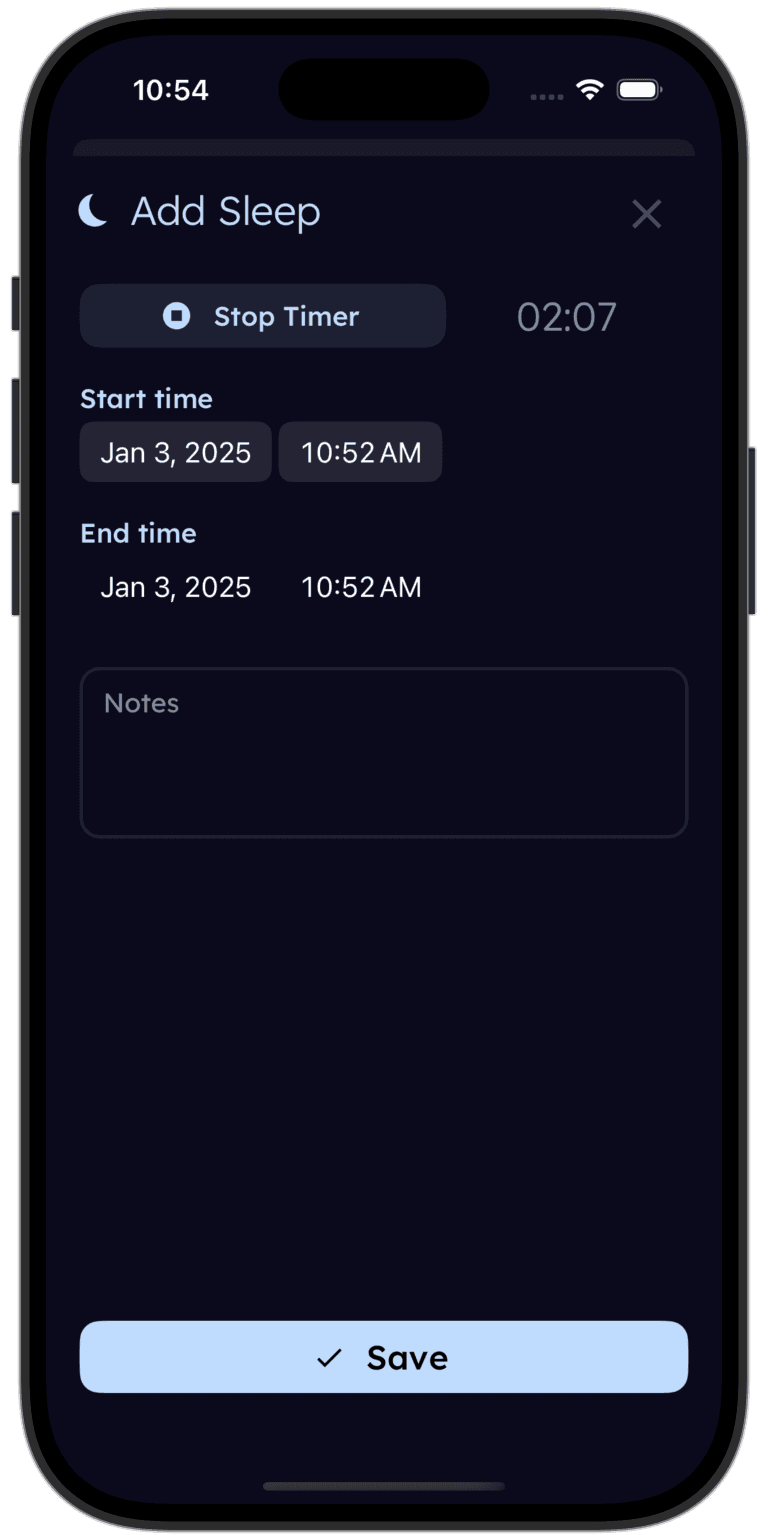
tinylog sleep tracking screen showing nap and night sleep logs

A regression looks different from a nap transition — but only if you can see the pattern.

tinylog tracks naps and night sleep so you can tell the difference between a rough week and a real schedule change. Log sleep in a couple taps and let the data show you what's actually happening.

Download on the App StoreGet It On Google Play

What No One Tells You About the 12-Month Regression

It can overlap with a growth spurt. Twelve months is also a common time for a growth spurt, which means your baby might be extra hungry on top of sleeping terribly. If they're waking at night and actually eating a full feed, hunger might be part of the equation — not just the regression.

Your baby might seem to regress in other areas too. A baby who was happily feeding themselves might suddenly want to be spoon-fed. A baby who was fine with daycare drop-off might start crying. When the brain is this busy, it sometimes borrows resources from skills that were already established. It all comes back.

The first birthday party doesn't help. If you're planning a birthday celebration around this time, know that the disruption to routine, the stimulation, and the sugar from that smash cake can all make sleep temporarily worse. Don't blame the regression for what the party did.

It can feel personal. When your baby screams the moment you put them down after months of easy bedtimes, it's hard not to feel like you broke something. You didn't. This is a phase, not a verdict on your parenting.

When to Talk to Your Pediatrician

  • Night waking persists well beyond 4–5 weeks with no improvement
  • Pulling at ears repeatedly, combined with fever or unusual fussiness
  • Refusing to eat or drink alongside the sleep disruption
  • Significant changes in behavior during the day — not just at sleep times
  • Snoring, mouth breathing, or pauses in breathing during sleep
  • You feel like something is off — trust that instinct

Most 12-month sleep disruptions are just the regression doing its thing. But if something feels off, or the disruption stretches well beyond a month, your pediatrician can help rule out ear infections, reflux, or other medical causes.

You're Going to Get Through This

Two to four weeks. That's the typical timeline. Some babies are faster, some stretch it out a little — but it does end.

Your baby isn't broken. Their sleep habits haven't been ruined. Their brain is just doing an extraordinary amount of work right now — learning to walk, learning to talk, growing molars, processing a world that gets bigger and more complex every single day. Sleep takes a hit because everything else is leveling up.

Keep two naps. Keep your routine. Move bedtime earlier when you need to. And on the worst nights, remind yourself that this is temporary — even when 3 AM makes it feel like forever.

If you're coming from the 9-month regression and wondering when this ends, or bracing yourself for what comes next — the 15-month regression is a real thing, but it's usually milder. And eventually, these regressions space out. There is a light at the end of the tunnel.

Related Guides

Sources

  • American Academy of Pediatrics (AAP) — Healthy Sleep Habits and sleep duration recommendations
  • Mindell JA, et al. "A nightly bedtime routine: impact on sleep in young children and maternal mood." Sleep, 2009.
  • Galland BC, et al. "Normal sleep patterns in infants and children: a systematic review of observational studies." Sleep Medicine Reviews, 2012.
  • BASIS (Baby Sleep Info Source) — Durham University Infant Sleep Research
  • Zero to Three — "Sleep: what every parent needs to know" and developmental milestones at 12 months

This guide is for informational purposes only and is not a substitute for professional medical advice. If you have concerns about your baby's sleep, please consult your pediatrician.

Want this guide in your inbox?
We'll send you this guide so you can reference it when you need it most.
Is it the regression or the nap transition? Your data will tell you.
Download tinylog free — track naps and night sleep to see the real pattern.
Download on the App StoreGet It On Google Play