
GUIDE
Arm's Reach Clear-Vue Co-Sleeper vs. Dream On Me Karley Bassinet
Published on
The Arm's Reach Clear-Vue (~$170–$220) is a co-sleeper that straps to your bed and drops a side panel for close nighttime access. The Dream On Me Karley (~$65–$85) is a lightweight, portable bassinet at a fraction of the cost. Both meet ASTM and CPSC safety standards. Your pick depends on whether you want co-sleeping proximity or bare-bones affordability.
These two bassinets serve the same purpose — a safe, separate sleep space next to your bed — but take different approaches and sit at different price points. The Arm's Reach attaches to your bed for flush access, while the Karley keeps things simple and portable. The right choice depends on your nighttime feeding style, bedroom setup, and budget.
Log naps, nighttime sleep, and wake windows
Two Bassinets, Two Price Points, One Goal
The Arm's Reach Clear-Vue Co-Sleeper and the Dream On Me Karley Bassinet both give your newborn a safe place to sleep right next to you. Both have mesh sides for airflow. Both come with a firm mattress. Both meet federal safety standards.
The difference is in how they get the job done. The Arm's Reach Clear-Vue is a co-sleeper — it straps to the side of your adult bed, drops a side panel, and sits flush against your mattress. Your baby sleeps inches away on their own surface. You can reach over, soothe, or lift them without sitting up.
The Dream On Me Karley is a straightforward standalone bassinet. It sits beside your bed on its own legs. There is no attachment mechanism, no drop-down panel. It does one thing — provides a safe sleep space — and does it for about a third of the price.
Neither approach is wrong. The right call depends on how you feed at night, how much you move the bassinet around, and what your budget looks like after the car seat, the crib, and everything else.
| Feature | Arm's Reach Clear-Vue | Dream On Me Karley | What It Means |
|---|---|---|---|
| Type | Co-sleeper (attaches to bed) | Standalone bassinet | Different designs. Arm's Reach straps to your bed and drops a side panel for flush access. The Karley is a freestanding sleep space you place beside the bed. |
| Side panel / wall | Drop-down side panel (mesh netting) | Fixed mesh walls on all sides | Arm's Reach wins on nighttime access. The drop-down panel lets you reach your baby without leaning over a wall. |
| Weight limit | ~25 lbs | ~25 lbs | Tie. Same weight limit. Most babies transition to a crib before reaching it. |
| Mesh airflow | Clear mesh on all sides | Full mesh sides | Tie. Both have excellent breathability with mesh construction throughout. |
| Mattress included | Yes — firm mattress pad with fitted sheet | Yes — 1-inch mattress pad included | Both include a mattress. Arm's Reach feels slightly more substantial. Both are intentionally firm for safe sleep. |
| Bed attachment | Straps secure bassinet to adult bed frame | No attachment — freestanding only | Arm's Reach is designed to lock against your mattress. The Karley stands on its own legs beside the bed. |
| Height adjustment | Adjustable — fits beds ~24–32 in. | Fixed height | Arm's Reach adjusts to match your bed height. The Karley sits at a single fixed height — measure before buying. |
| Portability | Moderate (~22 lbs). Folds for travel. | Lightweight (~10 lbs). Folds for storage/travel. | Dream On Me wins. At 10 lbs, it goes wherever you go. The Arm's Reach is portable but heavier. |
| Storage | Under-bassinet storage basket | No built-in storage | Arm's Reach wins. The storage basket holds diapers, wipes, and burp cloths — genuinely handy at 3 AM. |
| Assembly | Moderate — requires bed attachment setup | Easy — minimal assembly, sets up in minutes | Dream On Me wins on simplicity. The Arm's Reach takes more time because of the bed strapping system. |
| Build quality | Sturdy frame, well-built mesh panels | Lightweight frame, functional but basic | Arm's Reach feels more solid. The Karley is lighter and less substantial, but it does the job. |
| Safety certifications | CPSC, ASTM, JPMA certified | CPSC, ASTM certified | Both meet all required federal safety standards. The Arm's Reach also carries JPMA certification. |
The Co-Sleeper Advantage: Why the Drop-Down Panel Matters
The Arm's Reach Clear-Vue is not just a bassinet that sits beside your bed — it is engineered to become an extension of it. Straps secure the base to your bed frame. The side panel drops down. The sleeping surface sits at the same height as your mattress.
The result: your baby is right there, on their own firm surface, but close enough that you can reach over and touch them without moving. For nighttime breastfeeding, this design is hard to beat. You can nurse side-lying, slide baby back to their surface, and barely wake up in the process.
The Dream On Me Karley does not offer anything like this. It is a freestanding bassinet with four fixed mesh walls. You reach in from above, which means sitting up, leaning over, and lifting baby out. That is perfectly fine — parents have done it for decades. But if minimizing movement at 2 AM matters to you, the co-sleeper design is a meaningful upgrade.
One important note: the Arm's Reach must be set up correctly to work as intended. If the straps are loose or the height is wrong, the bassinet can gap away from your mattress. Follow the manufacturer's instructions carefully during setup.
Portability: The Karley's Biggest Strength
The Dream On Me Karley weighs about 10 lbs. You can pick it up with one hand, carry it to the living room for daytime naps, fold it down for storage, or bring it to a grandparent's house for the weekend.
The Arm's Reach Clear-Vue weighs about 22 lbs. It folds for travel, which is more than some bedside bassinets can say, but it is not something you casually move between rooms throughout the day. It is designed to strap to your bed and stay there.
If you want a bassinet that follows you around the house — bedroom at night, living room during the day — the Karley does that without any fuss. Some parents buy the Karley specifically as a second bassinet for daytime use, keeping a sturdier option in the bedroom.
At the Karley's price point, owning two bassinets for different rooms is still cheaper than one Arm's Reach.
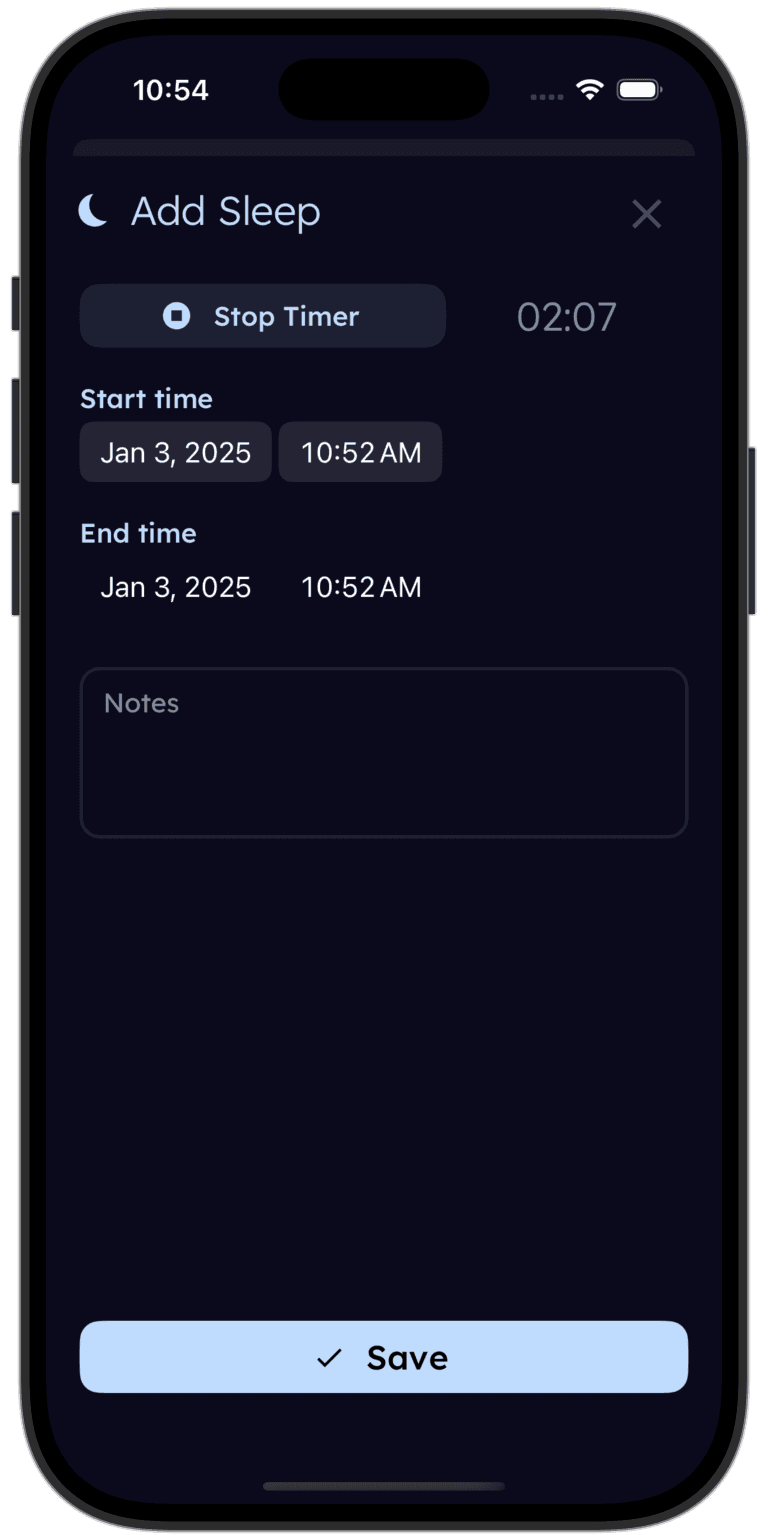
Tinylog tracks sleep so you can see what's actually happening.
Log naps, nighttime sleep, and wake windows in a few taps. Watch patterns emerge over days and weeks, and bring the data to your pediatrician.


Safety: Both Do the Job
Both the Arm's Reach Clear-Vue and Dream On Me Karley meet ASTM F2194 bassinet safety standards and CPSC requirements. Both have firm, flat mattresses and mesh sides for airflow and visibility.
The Arm's Reach also carries JPMA certification, which is a voluntary program that adds an extra layer of third-party testing. It is a nice-to-have, not a deal-breaker — plenty of safe bassinets skip JPMA certification because it is not required.
For both bassinets, the rules are the same: baby sleeps alone, on their back, on the included firm mattress, with no loose bedding, pillows, or toys. No aftermarket mattresses. No blankets. The AAP safe sleep guidelines do not change based on what you paid for the bassinet.
One thing worth noting: the Arm's Reach is specifically designed as an alternative to bed-sharing. The co-sleeper setup gives you the closeness of having baby in your bed without actually sharing a sleep surface. If you are tempted to bed-share and want a safer alternative that still keeps baby within arm's reach, the Clear-Vue was built for that exact situation.
| Product | Typical Price | Cost Per Month of Use | Notes |
|---|---|---|---|
| Arm's Reach Clear-Vue Co-Sleeper | $170–$220 | ~$28–$44 over 5–6 months of use | Includes storage basket. Replacement sheets ~$15–$20 per set. Bundle deals occasionally available. |
| Arm's Reach Clear-Vue (with extra sheet set) | $190–$240 | ~$32–$48 over 5–6 months of use | Extra sheets are worth having — babies spit up at night more than you expect. |
| Dream On Me Karley Bassinet | $65–$85 | ~$11–$17 over 5–6 months of use | One of the most affordable name-brand bassinets available. Frequently under $75 on Amazon. |
Price: A $100+ Gap That Matters
The Arm's Reach Clear-Vue runs $170–$220. The Dream On Me Karley runs $65–$85. That is a gap of roughly $100–$135 — real money when you are outfitting a nursery and buying everything a newborn needs at once.
What does the extra money get you? The co-sleeper attachment system, the drop-down side panel, adjustable height, a storage basket, and sturdier build quality. Those are genuine features, not marketing fluff.
But here is the honest truth: your baby does not care about any of that. They need a firm, flat, safe surface to sleep on. The Karley provides that for $65. The Arm's Reach provides it for $170+ with features that make your life easier.
So the question is really about you. How do you feed at night? How often are you getting up? Is the convenience of a co-sleeper design worth $100 to your sleep-deprived self? For many breastfeeding parents, the answer is yes without hesitation. For families who are bottle-feeding or comfortable getting up to reach baby, the Karley is a smart financial call.
Both bassinets hold resale value reasonably well on local marketplace apps — the Arm's Reach especially, since it retails higher and parents know the brand.
Choose the Arm's Reach Clear-Vue If
- You breastfeed at night and want your baby as close as possible — the drop-down panel creates a flush surface with your bed
- You want a co-sleeper that attaches to your mattress rather than a standalone bassinet across the room
- You value under-bassinet storage for nighttime diaper changes without getting up
- You want adjustable height to match your specific bed frame
- You plan to keep the bassinet in the bedroom and want a sturdy, semi-permanent setup
- You want JPMA certification in addition to CPSC and ASTM standards
Choose the Dream On Me Karley If
- Budget is the deciding factor — you need a safe bassinet without spending $170+
- You want something lightweight you can move between rooms throughout the day
- You need a travel-friendly bassinet for grandparents' house or weekend trips
- You prefer the simplest possible setup — out of the box and ready in minutes
- You want a second bassinet for another room and do not want to spend much
- You plan to transition to a crib early and do not want to over-invest in a bassinet
Where to Buy
If you want co-sleeping proximity and a bassinet that attaches directly to your bed, the Arm's Reach Clear-Vue (~$170–$220) is the most trusted co-sleeper on the market. The drop-down side panel and adjustable height put your baby right next to you on their own safe surface. The under-bassinet storage basket is a bonus you will appreciate at 3 AM. Available on Amazon, Target, and Walmart.
If you want a safe, affordable bassinet without the extras, the Dream On Me Karley (~$65–$85) is one of the best values in baby gear. It weighs 10 lbs, folds for travel, meets all safety standards, and costs less than a month of diapers. It is a great pick as a primary bassinet on a budget or as a portable second bassinet for another room.
Whichever you choose: follow the AAP safe sleep guidelines. Back to sleep, firm flat surface, nothing else in the bassinet. No aftermarket mattresses, no blankets, no stuffed animals.
Tinylog earns a small commission on purchases made through these links, at no cost to you.
Before you buy, it's worth checking promo.new for a deal. It doesn't cover everything, but we've had good luck with it.
The Bottom Line
The Arm's Reach Clear-Vue Co-Sleeper and Dream On Me Karley are both safe bassinets that keep your baby close — but they are built for different priorities.
Arm's Reach Clear-Vue wins on nighttime access (the co-sleeper attachment and drop-down panel are genuinely useful), adjustable height, built-in storage, and build quality. It is heavier, costs more, and takes more effort to set up.
Dream On Me Karley wins on price (roughly a third of the cost), portability (10 lbs vs. 22 lbs), and simplicity. It does the core job — safe sleep space next to your bed — without anything extra.
For breastfeeding parents who want baby as close as possible without bed-sharing, the Arm's Reach is the natural fit. For families watching the budget or needing a portable bassinet they can move around the house, the Karley delivers where it counts. Both will keep your baby safe. Both will be outgrown before you know it.
If you are tracking your newborn's sleep to understand when naps are consolidating and nighttime stretches are getting longer, Tinylog makes it easy to log sleep sessions and spot trends over time.
Related Guides
- HALO BassiNest vs. Arm's Reach Co-Sleeper — Swivel vs. co-sleeper design compared
- HALO BassiNest vs. Dream On Me Karley — Premium vs. budget bassinet showdown
- 1-Month-Old Sleep Schedule — What sleep actually looks like in the early weeks
- Baby Fighting Sleep — When your baby won't settle in the bassinet
Sources
- Arm's Reach Concepts. "Clear-Vue Co-Sleeper Bassinet — Product Information." armsreach.com, 2026.
- Dream On Me. "Karley Bassinet — Product Details." dreamonme.com, 2026.
- ASTM International. "F2194 — Standard Consumer Safety Specification for Bassinets and Cradles." astm.org, 2024.
- U.S. Consumer Product Safety Commission. "Safe Sleep — Bassinets." cpsc.gov, 2025.
- American Academy of Pediatrics. "Safe Sleep Recommendations." aap.org, 2024.
- Consumer Reports. "Best Bassinets of 2026." consumerreports.org, 2026.
- Babylist. "Best Bassinets." babylist.com, 2026.
- What to Expect. "Best Bassinets of 2026." whattoexpect.com, 2026.
This guide is for informational purposes only and is not a substitute for professional medical or safety advice. Bassinet safety standards and product specifications can change — always verify current specs on the manufacturer's website before purchasing. Follow the American Academy of Pediatrics safe sleep guidelines regardless of which bassinet you choose. If you have questions about your baby's sleep environment, talk to your pediatrician.
Frequently asked questions
- Is the Arm's Reach Clear-Vue safe for overnight sleep?
- Yes. The Arm's Reach Clear-Vue Co-Sleeper meets ASTM F2194 bassinet safety standards and CPSC requirements. It has a firm, flat mattress and mesh sides for airflow. When attached to your bed correctly, baby sleeps on their own separate surface — it is not bed-sharing. Always follow the manufacturer's attachment instructions and the AAP safe sleep guidelines.
- Can the Dream On Me Karley be used as a co-sleeper attached to the bed?
- No. The Dream On Me Karley is a standalone bassinet. It does not have a drop-down side panel or straps to attach to your adult bed. If you want a bassinet that sits flush against your mattress for co-sleeping proximity, the Arm's Reach is designed specifically for that.
- What are the weight limits for each bassinet?
- The Arm's Reach Clear-Vue supports babies up to approximately 25 lbs. The Dream On Me Karley also supports babies up to 25 lbs. Both should be discontinued once your baby can push up on hands and knees, regardless of weight.
- Is the Dream On Me Karley Bassinet easy to travel with?
- Yes. It weighs about 10 lbs and folds for storage or travel. It does not have wheels, but it is light enough to carry from room to room with one hand. Many parents use it as a secondary bassinet at grandparents' houses because of the low price.
- Do I need to buy a separate mattress for either bassinet?
- No. Both bassinets come with a mattress included. The Arm's Reach includes a firm mattress pad and fitted sheet. The Dream On Me Karley includes a 1-inch mattress pad. For both, only use the mattress provided by the manufacturer — aftermarket mattresses may not fit properly and can create a suffocation risk.
- How long will my baby use a bassinet before transitioning to a crib?
- Most babies transition to a crib between 3 and 6 months. The switch should happen when baby reaches the weight limit, starts rolling or pushing up on hands and knees, or outgrows the sleeping space — whichever comes first. Many babies outgrow the bassinet by movement milestones before hitting the weight limit.