GUIDE

First Foods for Baby

There's no required order. Start with iron-rich foods — meat, fortified cereal, lentils, eggs — because iron is the nutrient your baby actually needs from solids.

The 'vegetables before fruit so they don't develop a sweet tooth' thing? That's a myth. Start with what matters nutritionally.

Why Iron Comes First

Most "first foods for baby" content leads with avocado and sweet potato. They're fine foods. But they bury the most important nutritional point about starting solids: iron.

Babies are born with iron stores they built up during the third trimester. These stores start depleting around six months — which is not a coincidence. The primary nutritional reason for starting solids at six months is iron. Everything else — calories, variety, taste exposure — matters, but iron is the urgent one.

Breast milk is extraordinary in many ways, but it's low in iron. Only about 0.3-0.4 mg of iron per liter, compared to the 11 mg per day that babies need between 7-12 months (AAP recommendation). Formula is iron-fortified, which helps, but even formula-fed babies benefit from iron-rich solid foods.

This means your first foods should include iron-rich options: meat (the best source of highly absorbable heme iron), iron-fortified cereal, lentils, beans, eggs, or tofu. Sweet potato and banana are fine additions — but they shouldn't be the only things on the menu for the first two weeks while your baby's iron needs go unmet.


Priority First Foods
Iron-fortified infant oat cereal
CategoryIron-rich
PreparationMix with breast milk or formula to desired consistency
Why to PrioritizeReliable iron source. Easy to control texture. Oat preferred over rice (lower arsenic).
Allergen?No (unless wheat-based)
Beef
CategoryIron-rich
PreparationCook until very tender. Puree with liquid, or shred into thin strips for BLW.
Why to PrioritizeBest source of heme iron (most absorbable form). Also rich in zinc.
Allergen?No
Chicken or turkey
CategoryIron-rich
PreparationCook until tender. Shred finely, puree, or offer as drumstick for BLW (strip meat off bone).
Why to PrioritizeGood heme iron source. Mild flavor most babies accept.
Allergen?No
Eggs
CategoryIron-rich + allergen
PreparationScramble, hard-boil and mash, or make thin omelet strips. Must be fully cooked.
Why to PrioritizeProtein, iron, healthy fats, choline. Also an important allergen to introduce early.
Allergen?Yes — top 9 allergen
Lentils
CategoryIron-rich
PreparationCook until very soft, mash with fork. Red lentils break down into a natural puree.
Why to PrioritizeExcellent plant-based iron and protein. Budget-friendly. High fiber.
Allergen?No
Peanut butter (thinned)
CategoryAllergen
PreparationMix smooth PB with breast milk, formula, or water until runny. Or spread very thin on toast strip.
Why to PrioritizeLEAP study showed early peanut introduction reduces allergy risk by ~80% in high-risk infants.
Allergen?Yes — top 9 allergen
Plain whole-milk yogurt
CategoryAllergen + nutrition
PreparationOffer on a pre-loaded spoon. Mix with fruit puree if desired.
Why to PrioritizeGood calcium and protein source. Introduces dairy allergen. Probiotics support gut health.
Allergen?Yes — dairy is a top 9 allergen
Tofu
CategoryIron-rich + allergen
PreparationCut firm tofu into finger-length strips. Can pan-fry for slightly firmer texture.
Why to PrioritizePlant-based protein and iron. Introduces soy allergen. Soft texture is baby-friendly.
Allergen?Yes — soy is a top 9 allergen
You don't need to introduce all of these in the first week. But make sure iron-rich foods are in the rotation from the start, not something you 'get to eventually.'
Great Foods (Just Not Iron Priorities)
Avocado
NutritionHealthy fats, potassium, fiber
NotesGreat food, but not iron-rich. Popular first food — use it, just don't rely on it exclusively.
Sweet potato
NutritionVitamin A, fiber, potassium
NotesMild, sweet, easy to prepare. Pair with an iron source.
Banana
NutritionPotassium, vitamin B6, fiber
NotesEasy, no cooking required. Can be constipating — balance with high-fiber foods.
Peas
NutritionProtein, fiber, vitamins A and C
NotesGood nutrition. Skins may pass through undigested — normal.
Broccoli
NutritionVitamin C, vitamin K, fiber
NotesThe vitamin C helps iron absorption. Florets are a natural BLW shape. Steam until very soft.
Butternut squash
NutritionVitamin A, vitamin C, fiber
NotesSimilar to sweet potato — mild, sweet, purees beautifully.
Oatmeal
NutritionFiber, some iron, complex carbs
NotesDifferent from iron-fortified cereal. Good texture food. Cook thick for BLW, thin for spoon.
Pear
NutritionFiber, vitamin C
NotesSoft when ripe, easy first fruit. Natural laxative — good if baby is constipated on solids.
These are all excellent foods to include. The point isn't to avoid them — it's to make sure they're not the ONLY things you're offering while iron-rich foods wait.

The Iron Absorption Trick

Here's something most first foods guides skip: not all iron is absorbed equally. Heme iron (from meat) is absorbed at a rate of about 15-35%. Non-heme iron (from plants, cereals, and eggs) is absorbed at only about 2-20%.

But there's a simple hack: pair non-heme iron sources with vitamin C. Vitamin C dramatically increases non-heme iron absorption — in some studies, by two to six times. So if you're serving iron-fortified cereal, mix in some mashed strawberries. Lentils with tomatoes. Beans with bell peppers. It's not complicated, but it makes a real difference for plant-based iron.

Iron + Vitamin C Pairings
Iron-fortified cereal
Vitamin C PairingMix with mashed strawberries or offer orange segments alongside
Mashed lentils
Vitamin C PairingCook lentils with diced tomatoes, or serve with steamed broccoli
Shredded beef
Vitamin C PairingServe with bell pepper strips or mango chunks
Mashed beans
Vitamin C PairingTop with diced tomatoes or serve with kiwi on the side
Tofu strips
Vitamin C PairingServe with steamed broccoli florets or orange segments
These pairings are especially helpful for breastfed babies on plant-based iron sources. Meat iron (heme) is well-absorbed on its own.

The Order Myth (and Others)

Vegetables before fruit or they'll hate veggies

Breast milk is sweet. Formula is sweet. Babies are born preferring sweet flavors. Introducing banana before broccoli isn't going to create a vegetable-hating child. What creates vegetable acceptance is repeated exposure — offering vegetables consistently over weeks and months, regardless of what order you started in.

Rice cereal must be the first food

Rice cereal became the default first food decades ago because it's iron-fortified, bland, and easy to make smooth. But there's no medical reason it has to be first. Any iron-rich, age-appropriate food works. Given arsenic concerns in rice products (see FDA's Closer to Zero initiative), many pediatricians now recommend oat cereal, meat, or legumes instead.

You must wait 3-5 days between every new food

This guideline was designed for allergen identification — if baby reacts, you want to know which food caused it. For the top allergens (peanut, egg, milk, wheat, soy, tree nuts, fish, shellfish, sesame), spacing them out by 2-3 days is smart. For a new vegetable or fruit? You can introduce them more quickly. Your baby won't develop a broccoli allergy.

Stage 1, then Stage 2, then Stage 3

Commercial baby food stages are a marketing invention. They don't correspond to any standardized developmental milestones. Your baby doesn't need to 'complete' Stage 1 before trying thicker food. Progress based on your baby's actual skills — not a label on a jar.

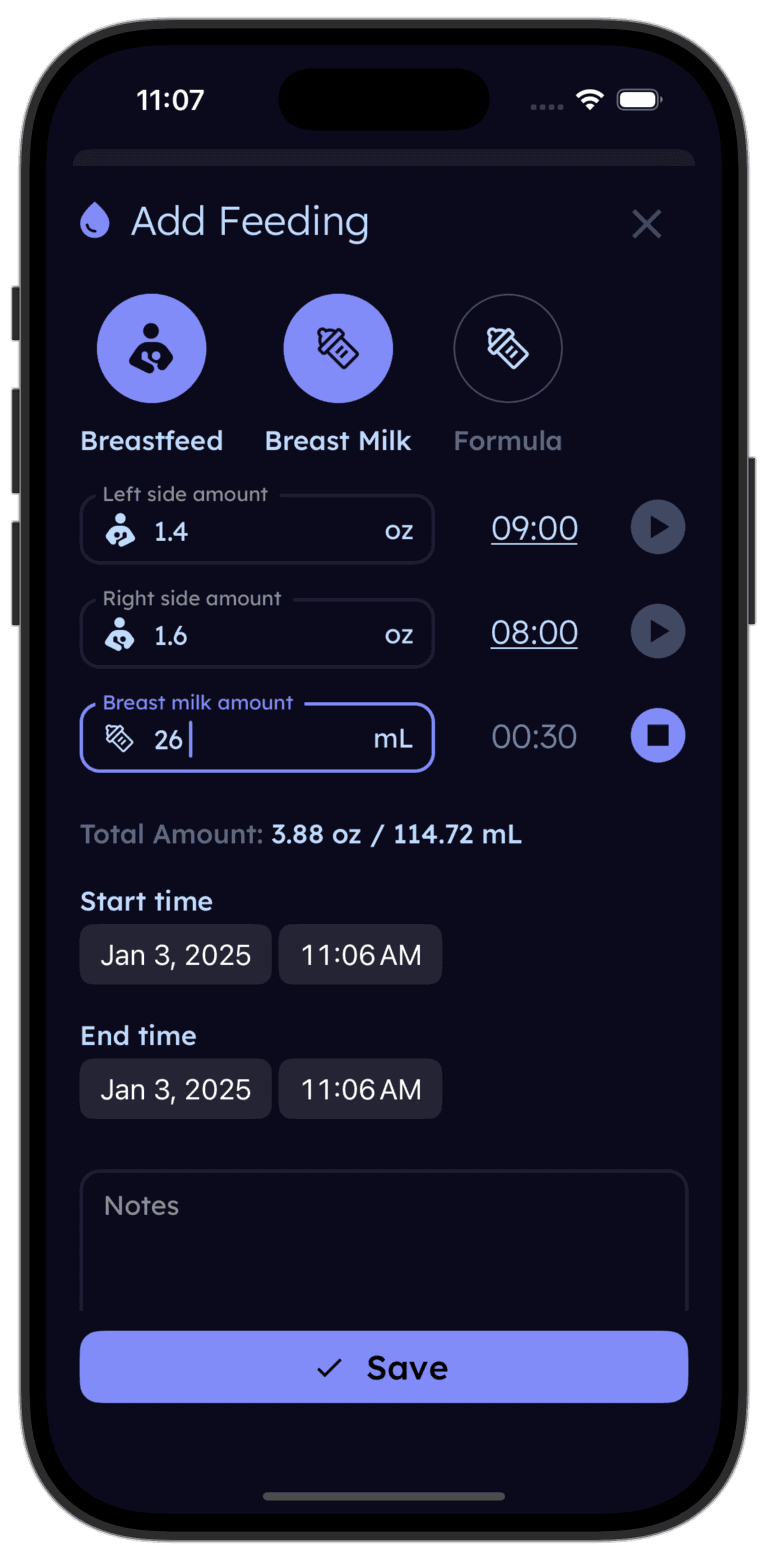
tinylog food introduction log

When you're introducing allergens, knowing exactly which food was new on which day matters.

tinylog lets you log new food introductions alongside regular meals. If a reaction happens, you'll know exactly what was new — and so will your pediatrician.

Download on the App StoreGet It On Google Play

What the Feeding Industry Doesn't Tell You

Most commercial baby food is fruit-forward. Pick up a jar of "green bean" baby food and check the ingredients. Many list apple, pear, or juice concentrate before the vegetable. This makes the product sweeter and more palatable — but it means baby isn't really tasting green beans, they're tasting fruit with a green bean accent. If you're buying commercial food, read the ingredient list, not just the front label.

"No added sugar" doesn't mean no sugar. Fruit juice concentrates are technically not "added sugar" under FDA labeling rules, but they function identically. If the second ingredient is apple juice concentrate, the product contains significant added sweetness.

Heavy metals in baby food are real, but context matters. The 2021 Congressional Subcommittee Report found concerning levels of arsenic, lead, cadmium, and mercury in commercial baby foods. But the risk is about cumulative exposure, not a single serving. Practical steps: vary the grains you offer (don't rely on rice), offer a diverse diet, and make some food at home. The FDA's Closer to Zero initiative is working on regulatory limits. Avoiding commercial baby food entirely isn't necessary — diversifying is.

Related Guides

Sources

  • AAP Committee on Nutrition. (2014). Diagnosis and Prevention of Iron Deficiency and Iron-Deficiency Anemia in Infants and Young Children. Pediatrics, 126(5).
  • USDA & HHS. (2020). Dietary Guidelines for Americans, 2020-2025. Chapter 2: Infants and Toddlers.
  • Du Toit, G., et al. (2015). Randomized trial of peanut consumption in infants at risk for peanut allergy. NEJM, 372(9), 803-813.
  • World Health Organization. (2023). Complementary Feeding. WHO.int.
  • U.S. House of Representatives Subcommittee on Economic and Consumer Policy. (2021). Baby Foods Are Tainted with Dangerous Levels of Arsenic, Lead, Cadmium, and Mercury.
  • FDA. (2022). Closer to Zero: Action Plan for Reducing Exposure to Toxic Elements in Foods for Babies and Young Children.
  • Hallberg, L., & Hulthén, L. (2000). Prediction of dietary iron absorption: an algorithm for calculating absorption and bioavailability of dietary iron. American Journal of Clinical Nutrition, 71(5), 1147-1160.

Medical Disclaimer

This guide is for informational purposes only and is not a substitute for professional medical advice. Consult your pediatrician before starting solids, especially regarding allergen introduction for high-risk infants. All caregivers should be trained in infant CPR before offering solid foods.

Get the first foods list in your inbox.
We'll email you the food chart so you can check things off as you introduce them.
Keeping a running list of what baby has tried is easier with an app than a napkin.
Download tinylog free — log new foods as you go and never lose track.
Download on the App StoreGet It On Google Play