GUIDE

Introducing Allergens to Your Baby

Introduce the top 9 allergens early and often — starting around 6 months. Delaying them doesn't prevent allergies. Early exposure may actually reduce the risk.

The old 'wait until 12 months' advice is out. Here's the new playbook, allergen by allergen.

The New Rules of Allergen Introduction

If you were born before 2000, your parents were probably told to keep you away from peanuts, eggs, fish, and other allergenic foods until you were at least 12 months old — sometimes until age 2 or 3. This was standard medical advice for decades.

It was wrong.

Starting with the LEAP study in 2015 and confirmed by the EAT study in 2016 and others, the evidence now overwhelmingly shows that early introduction of allergenic foods — not avoidance — is the better strategy for allergy prevention. The 2020-2025 USDA Dietary Guidelines now explicitly recommend introducing allergenic foods alongside other complementary foods starting around 6 months.

The shift was dramatic enough that many parents (and some pediatricians) are still operating on the old advice. If you've been told to wait, the science says otherwise. Early and often is the current approach.

The Top 9 Allergens: How and When
Peanut
When to Introduce6 months (4-6 months for high-risk)
How to Serve SafelyThinned smooth PB mixed with liquid, PB mixed into purees, very thin spread on toast, peanut puffs (Bamba)
Important NotesLEAP study showed ~80% allergy risk reduction with early introduction. Must be smooth and thinned — never whole peanuts or thick PB.
Egg
When to Introduce6 months (can be among first foods)
How to Serve SafelyWell-cooked scrambled egg, mashed hard-boiled egg, thin omelet strips. Must be fully cooked.
Important NotesBoth white and yolk should be introduced. Some studies show baked egg (in muffins, pancakes) may be tolerated by babies who react to plain egg.
Cow's milk (dairy)
When to Introduce6 months as an ingredient; not as a drink until 12 months
How to Serve SafelyPlain whole-milk yogurt, soft cheese (ricotta, cottage cheese), butter in cooking, cheese melted on toast
Important NotesDairy as an ingredient or food is fine from 6 months. Cow's milk as a primary DRINK replaces breast milk/formula only after 12 months.
Wheat
When to Introduce6 months
How to Serve SafelySoft bread strips, well-cooked pasta (small shapes or cut), infant oat/wheat cereal, pancakes
Important NotesWheat allergy is different from celiac disease and different from gluten sensitivity. Most babies tolerate wheat well.
Soy
When to Introduce6 months
How to Serve SafelySilken or firm tofu (cut into strips), edamame (shelled and lightly mashed), soy yogurt
Important NotesSoy is in many processed foods, so baby may already be exposed through other products. Whole soy foods (tofu, edamame) are the best introduction.
Tree nuts
When to Introduce6 months
How to Serve SafelyThinned tree nut butters (almond, cashew) mixed into purees or spread very thin on toast. Finely ground nuts mixed into oatmeal.
Important NotesNever whole nuts — choking hazard until age 4-5. Introduce different tree nuts individually since allergy to one doesn't mean allergy to all.
Fish
When to Introduce6 months
How to Serve SafelyWell-cooked, flaked salmon or cod (check meticulously for bones), fish mixed into purees
Important NotesStart with low-mercury fish: salmon, cod, tilapia, trout. Avoid high-mercury options: swordfish, king mackerel, shark, tilefish.
Shellfish
When to Introduce6 months
How to Serve SafelyWell-cooked shrimp (finely minced or pureed for younger babies, small pieces for older), crab
Important NotesShellfish allergy is separate from fish allergy. You can be allergic to one and not the other. Cook thoroughly.
Sesame
When to Introduce6 months
How to Serve SafelyTahini thinned with water and mixed into purees, thin spread of tahini on toast, sesame seeds ground and sprinkled on food
Important NotesAdded as the 9th major allergen in the US in 2023. Sesame allergy is increasing. Tahini is the easiest way to introduce it.
All allergens can be introduced from around 6 months (or 4-6 months for high-risk peanut introduction). There is no evidence-based reason to delay any of them past 6 months.

A Practical Allergen Introduction Schedule

You don't need to introduce all 9 allergens in the first week. Spreading them out over 6-8 weeks gives you time to observe for reactions while still getting through the list at a reasonable pace.

Sample 8-Week Allergen Introduction Schedule
Week 1
Focus AllergenPeanut
PlanDay 1: First peanut exposure (thinned PB). Day 3-4: Second peanut exposure. Day 5-6: Third exposure. Goal: confirm tolerance.
Week 2
Focus AllergenEgg
PlanDay 1: First egg exposure (scrambled). Day 3-4: Second egg exposure. Continue peanut 2-3x this week.
Week 3
Focus AllergenDairy
PlanDay 1: First dairy exposure (yogurt). Day 3-4: Second dairy exposure. Continue peanut and egg in rotation.
Week 4
Focus AllergenWheat + Soy
PlanDay 1: Wheat (toast strip). Day 3-4: Soy (tofu). Continue rotating previously introduced allergens.
Week 5-6
Focus AllergenTree nuts + Sesame
PlanIntroduce almond butter (thinned) and tahini on separate days. Add to rotation.
Week 7-8
Focus AllergenFish + Shellfish
PlanIntroduce well-cooked salmon and shrimp on separate days. All 9 allergens now in rotation.
This is a sample — not a rigid protocol. Adjust based on your baby's pace, your comfort level, and your pediatrician's guidance. The key principle: introduce each allergen, confirm tolerance, then keep it in regular rotation.

Tips for Allergen Introduction

Keep a log — seriously

During allergen introduction, knowing exactly which food was new and when you offered it is critical. If a reaction happens at 3 PM, you need to know what was new at lunch. Write it down or log it in an app. Your memory at 6 months postpartum is not as reliable as you think it is.

Introduce allergens alongside foods baby already accepts

Mixing a new allergen into a familiar food (peanut butter into banana puree, egg into oatmeal) increases the chance baby will actually eat it. And if they spit out the new food, they've still had oral contact, which counts as immune exposure.

Don't introduce new allergens when baby is sick

If baby has a cold, stomach bug, or is teething badly, hold off on new allergens. You want to be able to distinguish between allergy symptoms and illness symptoms. Wait until baby is their baseline healthy self.

Ongoing exposure matters as much as first exposure

Introducing an allergen once and then not offering it again for months defeats the purpose. The protection comes from regular, repeated exposure. Keep all introduced allergens in your weekly food rotation — aim for each allergen 2-3 times per week.

tinylog allergen introduction tracking

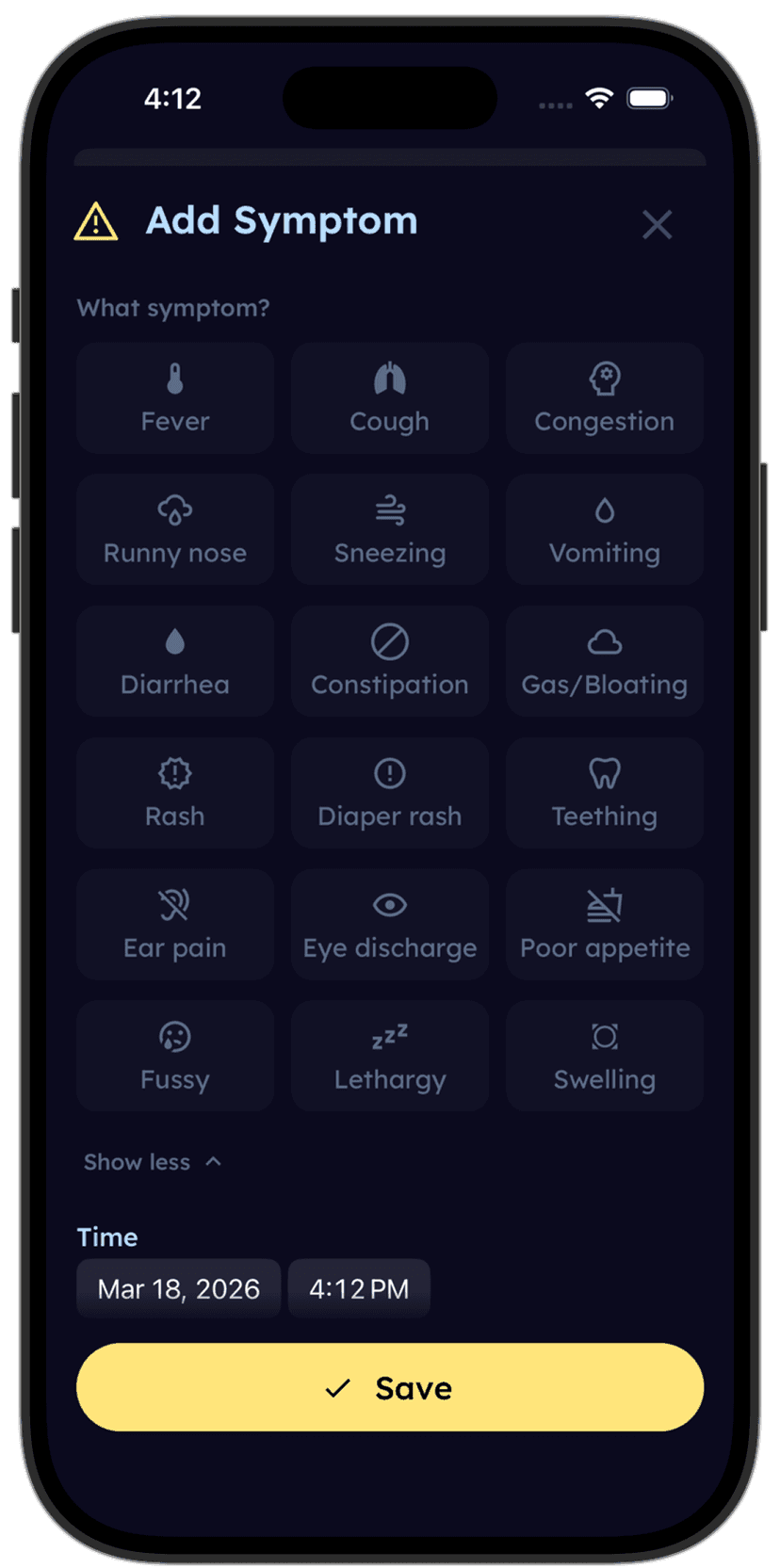
When introducing allergens, pediatricians recommend offering each new food for 3-5 days while watching for reactions. A clear log makes this manageable.

Logging which food you introduced and when — along with any symptoms — creates a record that's genuinely useful. tinylog's feed tracking makes this easy, so if a reaction does happen, you know exactly what was new.

Download on the App StoreGet It On Google Play

What the Feeding Industry Doesn't Tell You

"Allergen introduction" products are mostly unnecessary. There's now a growing market of products specifically designed for allergen introduction — pre-portioned peanut powders, multi-allergen sachets, subscription boxes. These are fine if they make the process easier for you, but they're not necessary. Thinned peanut butter, scrambled egg, plain yogurt, and soft toast provide the same allergen exposure at a fraction of the cost.

Not all reactions are allergies. Babies frequently get redness around their mouth from acidic or irritating foods (tomatoes, citrus, strawberries). This is contact irritation, not an allergic reaction. True allergic reactions typically involve hives, swelling, vomiting, or breathing difficulty — not just redness where food touched the skin. If you're unsure, take a photo and call your pediatrician.


Related Guides

Sources

  • Du Toit, G., et al. (2015). Randomized trial of peanut consumption in infants at risk for peanut allergy. NEJM, 372(9), 803-813.
  • Perkin, M. R., et al. (2016). Randomized trial of introduction of allergenic foods in breast-fed infants. NEJM, 374(18), 1733-1743.
  • Togias, A., et al. (2017). Addendum Guidelines for the Prevention of Peanut Allergy in the United States. JACI, 139(1), 29-44.
  • USDA & HHS. (2020). Dietary Guidelines for Americans, 2020-2025.
  • FDA. (2023). Sesame Added to List of Major Food Allergens.
  • American Academy of Pediatrics. (2019). Allergen Introduction and Allergy Prevention.

Medical Disclaimer

This guide is for informational purposes only and is not a substitute for professional medical advice. Consult your pediatrician before starting solids, especially regarding allergen introduction for high-risk infants. All caregivers should be trained in infant CPR before offering solid foods.

Get the allergen checklist in your inbox.
We'll send you the allergen-by-allergen guide with safe serving ideas so you can check them off as you go.
Nine allergens to introduce. Zero to lose track of.
Download tinylog free — log each allergen introduction and keep a clear record.
Download on the App StoreGet It On Google Play