
Do the first introduction at home, not daycare
You want to be present and able to observe your baby for at least 2 hours after the first peanut exposure. Don't send peanut to daycare for the first time — do it at home on a low-stress day.
GUIDE
Published on
Introduce peanut products early — around 4-6 months for high-risk babies, around 6 months for everyone else. The LEAP study showed this reduces peanut allergy risk by approximately 80%.
If you were told to wait until age 1 or later, that advice is outdated. Here's what the science actually says now.
Log foods and reactions
For decades, parents were told to avoid giving peanuts to babies. Wait until 12 months. Wait until 3 years. Keep peanuts away from anyone with eczema or a family history of allergies. This advice felt cautious and protective. It was also, as it turned out, exactly wrong.
In 2015, the Learning Early About Peanut Allergy (LEAP) study — led by Professor Gideon Lack at King's College London — published results that upended decades of feeding guidance. The study enrolled 640 infants between 4 and 11 months of age who were at high risk for peanut allergy (they had severe eczema, egg allergy, or both). Half were randomly assigned to eat peanut products regularly. Half avoided peanuts.
The results were striking: among children who ate peanut products early and regularly, peanut allergy developed in only 3.2% — compared to 17.2% in the avoidance group. That's an approximately 80% reduction in peanut allergy. The follow-up LEAP-On study showed that this protection persisted even after a year of stopping peanut consumption.
This study didn't just change guidelines — it reversed them. The National Institute of Allergy and Infectious Diseases (NIAID) issued new guidelines in 2017 recommending early peanut introduction for high-risk infants, and the 2020-2025 USDA Dietary Guidelines extended this to all infants.
The takeaway is clear: avoiding peanuts doesn't prevent peanut allergy. Early, regular exposure does.
| Risk Level | Who This Applies To | Recommendation | First Exposure |
|---|---|---|---|
| High risk | Severe eczema AND/OR existing egg allergy | Introduce peanut around 4-6 months. Consider allergy testing (peanut-specific IgE or skin prick test) before introduction. Discuss with pediatrician or allergist. | May be done in allergist's office or at home per provider guidance |
| Moderate risk | Mild to moderate eczema | Introduce peanut around 6 months, with other solids. No testing needed beforehand for most babies. | At home, during a time when you can observe for 2 hours afterward |
| Low risk | No eczema, no known food allergies, no family history of peanut allergy | Introduce peanut around 6 months with other solids. No special precautions beyond standard allergen introduction. | At home, with normal observation |
The most important safety point: never give whole peanuts or chunky peanut butter to a baby. Whole peanuts are a choking hazard until age 4-5. A thick spoonful of peanut butter can form a sticky mass in the mouth that's difficult to clear. All peanut for babies must be in a safe form.
| Method | How To | Age Range | Notes |
|---|---|---|---|
| Thinned peanut butter | Mix 2 teaspoons of smooth peanut butter with 2-3 teaspoons of warm water, breast milk, or formula until thin and runny. No lumps. | 6+ months | The most common method. Must be thin — thick peanut butter is a choking hazard. |
| PB mixed into puree | Stir a thin layer of smooth peanut butter into a puree baby already accepts (banana, oatmeal, sweet potato). | 6+ months | Good for babies who reject the taste of peanut alone. Masks the flavor slightly. |
| PB on toast strips | Spread a very thin, transparent layer of smooth peanut butter on lightly toasted bread. Cut into finger-length strips. | 6+ months (with BLW skills) | Thin means thin — you should barely see it. Not a thick schmear. |
| Peanut puff snacks | Commercial peanut puff snacks (like Bamba) that dissolve easily in the mouth. | 7+ months (when baby can manage puffs) | Bamba is the peanut snack used in Israeli culture that inspired the LEAP study. Widely available. |
| Powdered peanut butter | Mix powdered PB (like PB2) into purees, oatmeal, or yogurt. | 6+ months | Lower fat than regular PB but same protein exposure. Mixes smoothly into other foods. |
You want to be present and able to observe your baby for at least 2 hours after the first peanut exposure. Don't send peanut to daycare for the first time — do it at home on a low-stress day.
Introduce peanut earlier in the day so you can observe for any delayed reactions before bedtime. Most allergic reactions happen within minutes to 2 hours, but having the rest of the day for observation is reassuring.
For the first exposure, offer a small amount — about 1/4 teaspoon of thinned peanut butter. Wait 10 minutes. If no reaction, offer a bit more. You don't need to feed them a peanut butter sandwich on day one.
One exposure isn't enough. The LEAP study showed benefit from regular exposure — about 3 times per week. After successful introduction, keep peanut in the regular rotation. A single introduction followed by months of avoidance may not provide lasting protection.
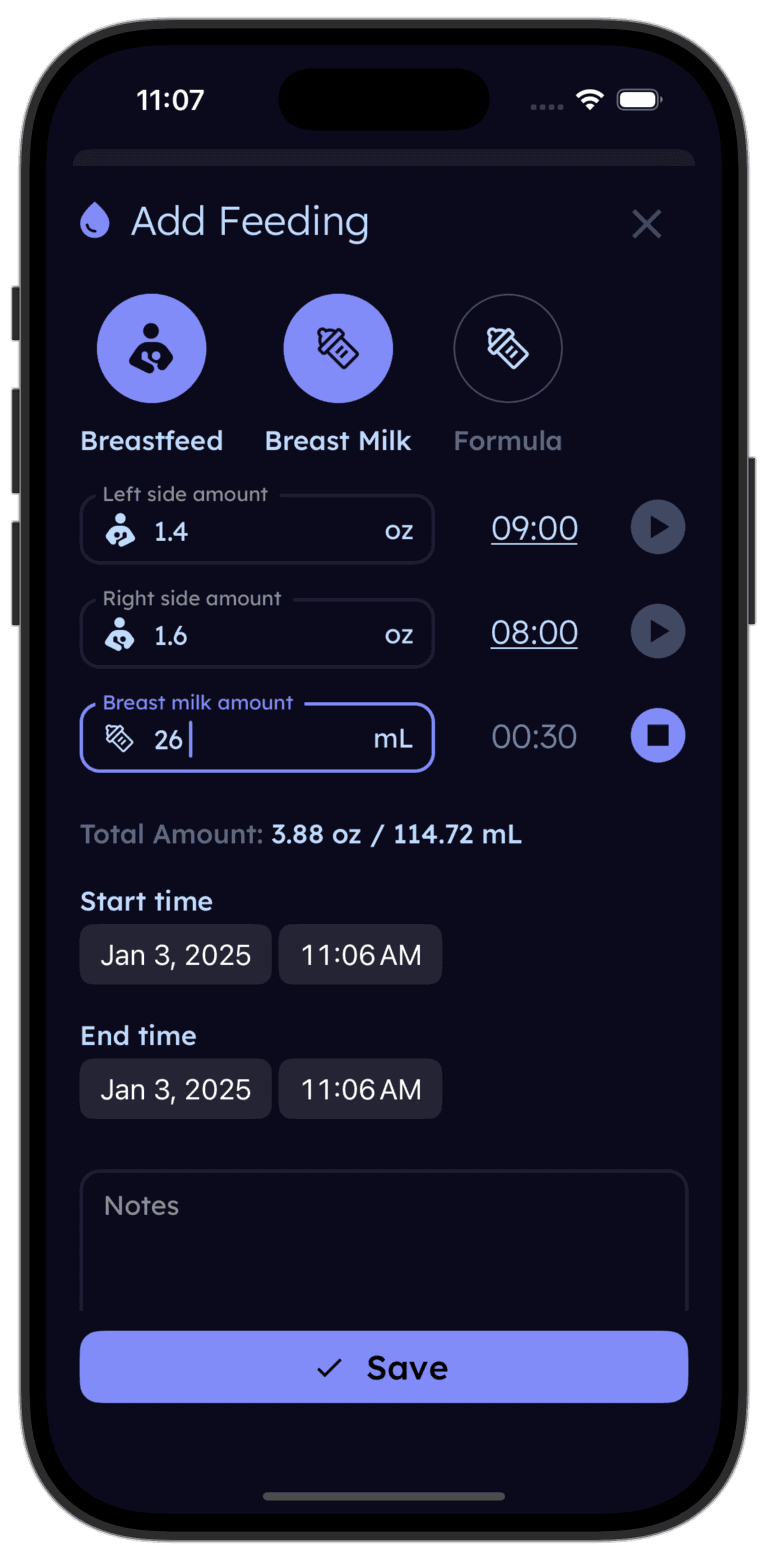
Tinylog lets you log each peanut exposure with a timestamp and note any reactions. If you ever need to share this history with your pediatrician or allergist, it's all there.


Most reactions happen within minutes to 2 hours. Mild reactions (a few hives near the mouth) are common and don't always mean a true allergy — discuss with your pediatrician. Severe reactions (difficulty breathing, widespread hives, swelling, vomiting) require immediate emergency care.
Mild reaction (a few hives around the mouth, slight redness where food touched skin): Stop offering the food. Monitor closely. These symptoms often resolve on their own. Contact your pediatrician — they may recommend allergy testing before the next exposure.
Moderate reaction (hives spreading beyond the contact area, vomiting, significant facial swelling): Give Benadryl (diphenhydramine) if your pediatrician has previously recommended a dose for your baby's weight. Contact your pediatrician or go to urgent care.
Severe reaction / anaphylaxis (difficulty breathing, wheezing, widespread hives, swelling of tongue/throat, sudden limpness): Call 911 immediately. If you have an epinephrine auto-injector (EpiPen), use it. This is a medical emergency.
The reality: severe reactions to a first exposure are rare. Most first allergic reactions are mild. But knowing what severe looks like — and having a plan — means you can introduce peanut with confidence rather than dread.
If your pediatrician is still recommending delaying peanut introduction, you have the right (and the evidence) to have a respectful conversation about it. The 2017 NIAID guidelines, endorsed by the AAP, represent the current scientific consensus. Print out the guidelines or share the key points:
Most pediatricians are fully up to date on this. But the guidelines changed significantly, and not every provider has updated their standard advice. Being informed allows you to have a productive conversation.
Introducing Allergens — Eggs, dairy, wheat, soy, and more
Food Allergy Signs — What to watch for after introducing new foods
This guide is for informational purposes only and is not a substitute for professional medical advice. Consult your pediatrician before starting solids, especially regarding allergen introduction for high-risk infants. All caregivers should be trained in infant CPR before offering solid foods.