GUIDE

Tree Nuts, Shellfish, and Sesame for Babies

All three can be introduced around 6 months — just like other allergens. They don't need to wait until later. They do need to be prepared safely.

These allergens get overshadowed by peanut and egg, but they belong in the same early introduction window.

The Allergens Nobody Talks About

Peanut and egg get most of the attention in allergen introduction conversations — and rightfully so, given the strong study evidence. But there are 9 major allergens on the FDA's list, and tree nuts, shellfish, and sesame deserve equal attention in your introduction plan.

These allergens tend to get kicked down the road because parents focus on peanut and egg first, and then... forget. Or assume these foods are too "advanced" for a baby. They're not. A 6-month-old can eat thinned almond butter, finely minced shrimp, and tahini just as easily as they can eat thinned peanut butter. The preparation just needs to be age-appropriate.

Sesame, in particular, deserves attention. It was added to the FDA's major allergen list in 2023, and sesame allergy is increasing. Many parents have never considered introducing sesame because it wasn't on their radar — but it should be part of your early allergen introduction plan alongside peanut, egg, dairy, wheat, and soy.

Tree Nut Introduction Guide
Almond
How to ServeAlmond butter thinned with water/milk and mixed into puree, or spread very thin on toast. Finely ground almond flour in pancakes or muffins.
NotesMost common tree nut allergy after cashew/walnut. Always thinned — never whole almonds or thick butter.
Cashew
How to ServeCashew butter thinned and mixed into puree or oatmeal. Cashew cream (blended soaked cashews) stirred into food.
NotesCashew and pistachio are closely related — allergy to one often means allergy to the other.
Walnut
How to ServeWalnut butter (thinned) mixed into puree. Finely ground walnuts in oatmeal or baked goods.
NotesWalnut and pecan are closely related — similar cross-reactivity pattern as cashew/pistachio.
Pecan
How to ServePecan butter (thinned) or finely ground pecans mixed into puree, oatmeal, or yogurt.
NotesCross-reactive with walnut. If walnut is tolerated, pecan is likely tolerated too — but still introduce separately.
Pistachio
How to ServePistachio butter (thinned) or finely ground pistachios in food. Some pistachio butters contain other nut oils — check labels.
NotesCross-reactive with cashew. Same approach as other tree nut butters.
Hazelnut
How to ServeHazelnut butter (thinned) mixed into puree. Note: Nutella is not a good introduction method (too much sugar, low nut protein).
NotesLess common allergen than cashew, walnut, or almond.
NEVER give whole tree nuts to babies or young children — they are a choking hazard until age 4-5. All tree nuts for babies must be in butter form (thinned), finely ground, or incorporated into soft foods.
Shellfish Introduction Guide
Shrimp
How to ServeCook thoroughly. Mince finely for 6-8 months. Cut into small pieces for 9+ months. Can be mixed into purees.
NotesMost common shellfish allergen. Good source of protein and iodine.
Crab
How to ServePick through meticulously for shell fragments. Shred finely. Can be mixed into purees, scrambled egg, or offered as small flaked pieces.
NotesWatch carefully for shell pieces — they're easy to miss and can be sharp.
Lobster
How to ServeCook thoroughly, shred finely. Same preparation as crab.
NotesExpensive but nutritious. Cross-reactive with shrimp and crab — allergies often overlap.
Scallops
How to ServeCook thoroughly. Mash or cut into tiny pieces. Soft texture is baby-friendly.
NotesMild flavor, soft texture when cooked. Good introductory shellfish option.
All shellfish must be thoroughly cooked for babies. Raw or undercooked shellfish is never appropriate for infants. Check carefully for shell fragments.
Ways to Introduce Sesame
Tahini in puree
How ToMix 1/4 teaspoon tahini into a puree baby already enjoys (banana, sweet potato, oatmeal). Increase amount gradually.
Why This WorksEasiest method. Concentrated sesame protein. Baby-friendly texture.
Tahini on toast
How ToSpread a thin layer of tahini on toast and cut into finger-length strips.
Why This WorksGood for BLW babies. Thin layer prevents choking risk.
Ground sesame seeds
How ToGrind sesame seeds in a spice grinder or mortar and pestle. Sprinkle on food — yogurt, oatmeal, avocado.
Why This WorksWhole sesame seeds can be a choking hazard (round, small, hard to chew). Grinding solves this.
Hummus
How ToTraditional hummus contains tahini. Offer as a dip for soft foods or spread on toast.
Why This WorksIntroduces sesame AND chickpeas. Watch sodium content — some store-bought hummus is salty.
Tahini is the most efficient way to introduce sesame protein. It's widely available in the international aisle of most grocery stores.

Cross-Reactivity: What You Need to Know

Cashew and pistachio are closely related

These two tree nuts belong to the same botanical family (Anacardiaceae). About 30-50% of people allergic to cashew are also allergic to pistachio. If your baby reacts to one, discuss the other with your allergist before introducing it.

Walnut and pecan are closely related

Same botanical family (Juglandaceae). Cross-reactivity is common. Tolerance of one suggests likely tolerance of the other, but introduce separately to be safe.

Peanut is NOT a tree nut

Peanuts are legumes (related to beans and lentils), not tree nuts. Peanut allergy doesn't automatically mean tree nut allergy. However, co-allergy is more common than in the general population — about 25-40% of peanut-allergic children also have a tree nut allergy.

Fish and shellfish are separate

Fish allergy (salmon, cod, tuna) and shellfish allergy (shrimp, crab, lobster) are mediated by different proteins. Being allergic to one category doesn't mean you're allergic to the other. Introduce fish and shellfish as separate allergens.

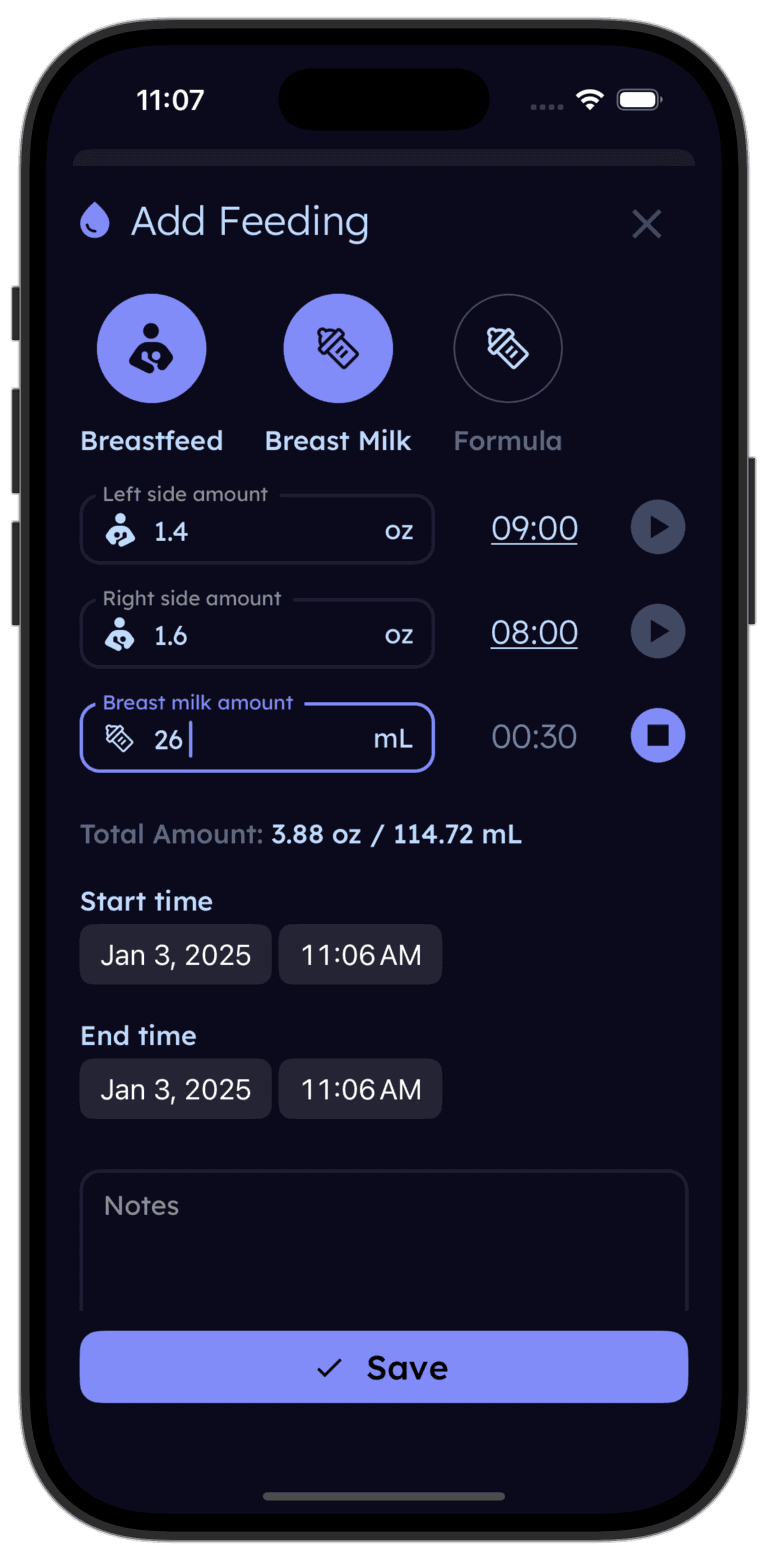
tinylog allergen introduction log showing tree nut entries

By the time you're introducing tree nut number four, you'll be glad you logged the first three.

tinylog lets you track each allergen introduction with the date and any notes. When your pediatrician asks 'has baby tried cashew?' you won't have to guess.

Download on the App StoreGet It On Google Play

Mercury and Fish: What to Know

Fish is an excellent food for babies — high in protein, omega-3 fatty acids (important for brain development), and it introduces an important allergen. But mercury content matters.

Low-mercury fish (serve freely): Salmon, cod, tilapia, trout, sardines, pollock, catfish, anchovies.

Moderate-mercury fish (serve occasionally): Canned light tuna, halibut, mahi-mahi, snapper.

High-mercury fish (avoid for babies): Swordfish, shark, king mackerel, tilefish, bigeye tuna.

The FDA and EPA recommend 2-3 servings of low-mercury fish per week for children. For babies just starting solids, once or twice a week is a good goal. Salmon is the gold standard — low mercury, high omega-3, mild flavor, and a soft texture that works for both purees and BLW.


Related Guides

Sources

  • FDA. (2023). Sesame Added to the List of Major Food Allergens in the United States.
  • Sicherer, S. H., et al. (2010). Clinical features of acute allergic reactions to peanut and tree nuts in children. Pediatrics, 126(3), e545-e551.
  • Clark, A. T., et al. (2007). The incidence of tree nut allergy in clinical practice. Clinical & Experimental Allergy, 37(9), 1344-1349.
  • FDA & EPA. (2021). Advice About Eating Fish. FDA.gov.
  • USDA & HHS. (2020). Dietary Guidelines for Americans, 2020-2025.
  • American Academy of Pediatrics. (2024). Food Allergies in Children. HealthyChildren.org.

Medical Disclaimer

This guide is for informational purposes only and is not a substitute for professional medical advice. Consult your pediatrician before starting solids, especially regarding allergen introduction for high-risk infants. All caregivers should be trained in infant CPR before offering solid foods.

Get this guide in your inbox.
We'll email you the serving ideas and safety checklist for these less-discussed allergens.
Nine allergens down, zero forgotten.
Download tinylog free — log every allergen introduction in one place.
Download on the App StoreGet It On Google Play