GUIDE

Baby Nurse vs. Postpartum Doula

A baby nurse (newborn care specialist) focuses primarily on infant care — feeding, bathing, soothing, and establishing sleep routines. A postpartum doula focuses on the whole family — breastfeeding support, parent education, emotional well-being, and light household help. Both are valuable, but they solve different problems.

These titles get used interchangeably, but the roles are genuinely different.

Track baby care from day one

Log every feed, nap, and diaper

Pregnant women who enlist the help of a doula get to know that person well throughout the course of their journey. Certified doulas can provide more holistic support to make sure your pregnancy, delivery and postpartum period is more focused on you and your personal wants and needs.
Tamara NoyTamara Noy, MSN, CNM, Certified Nurse Midwife, Cleveland Clinic

Clarifying Two Commonly Confused Roles

Parents-to-be often hear "get a baby nurse" and "hire a postpartum doula" used as if they're the same recommendation. They're not. The confusion exists partly because the titles are informal — "baby nurse" is not a regulated professional designation — and partly because both people show up at your house after you have a baby.

A baby nurse, properly called a newborn care specialist (NCS), is an infant care expert. She handles feeds (bottle prep, paced bottle feeding, bringing baby to breast), soothing, bathing, diaper changes, and — perhaps most importantly — sleep conditioning. Many baby nurses do 12-hour overnight shifts or even live with the family for the first 2-8 weeks. Her job is to care for the baby so you can recover.

A postpartum doula, certified through organizations like DONA International or CAPPA, takes a broader view. She's there for the mother's recovery: breastfeeding support, emotional check-ins, screening for postpartum mood disorders, newborn education, and light household tasks like meal prep and laundry. She teaches you how to care for your baby with confidence, rather than doing it all herself.

The distinction matters because what you actually need depends on your situation. A first-time parent with strong breastfeeding goals and anxiety about the learning curve may benefit more from a doula. A parent with twins recovering from a C-section may desperately need a baby nurse to handle the hands-on infant care. If you're also considering overnight-specific help, our night nurse vs. postpartum doula guide dives deeper into that comparison.


Baby Nurse vs. Postpartum Doula: Full Comparison
Primary focus
Baby NurseInfant care — feeding, soothing, bathing, sleep training
Postpartum DoulaFamily support — parent education, emotional care, household help
Who they primarily serve
Baby NurseThe baby
Postpartum DoulaThe parents (and by extension, the baby)
Cost range
Baby Nurse$200–$500/day (day or night shift)
Postpartum Doula$30–$60/hour (typically 3-5 hour shifts)
Typical schedule
Baby Nurse12-24 hour shifts, often live-in for first weeks
Postpartum Doula3-5 hours per visit, several days per week
Breastfeeding support
Baby NurseBasic — bottle prep, paced feeding, bringing baby to nurse
Postpartum DoulaActive — positioning, latch support, pumping guidance
Sleep routine establishment
Baby NursePrimary skill — trains baby to sleep patterns
Postpartum DoulaAdvisory — provides guidance, parent implements
Household tasks
Baby NurseBaby-related only (bottles, laundry, nursery)
Postpartum DoulaBroader — meal prep, general laundry, light cleaning, errands
Emotional/mental health support
Baby NurseNot a primary role
Postpartum DoulaCore competency — screens for PPD, provides emotional support
Certification
Baby NurseNewborn Care Specialist (NCS) — various programs
Postpartum DoulaDONA, CAPPA, or other doula certification bodies
Typical engagement length
Baby Nurse2-12 weeks, often full-time or live-in
Postpartum Doula4-12 weeks, part-time visits
Costs reflect national averages. Major metro areas (NYC, LA, SF) are typically 30-50% higher.

Baby Nurse Advantages

  • Expert-level infant care — soothing, feeding, bathing, and sleep conditioning
  • Can take over completely during shifts so parents rest without worry
  • Establishes sleep and feeding routines that last beyond the engagement
  • Available for overnight and 24-hour care during the most intense newborn period
  • Particularly valuable for multiples (twins, triplets) when infant care demands multiply

An experienced baby nurse with strong references can transform the newborn period.

Baby Nurse Challenges

  • Expensive — daily rates of $200-$500 make multi-week engagements costly
  • Focused almost exclusively on the baby, not the parents' broader needs
  • Parents may feel less confident when the baby nurse leaves if they weren't taught skills
  • The 'nurse' title is unregulated — experience and training vary widely

Ask your baby nurse to teach you techniques, not just execute them. You'll need the skills after they leave.

Postpartum Doula Advantages

  • Supports the whole family — parents, siblings, and baby as a unit
  • Actively teaches parenting skills so you feel confident, not dependent
  • Screens for postpartum depression and anxiety — trained to recognize early signs
  • Helps with breastfeeding challenges beyond what a baby nurse typically offers
  • More affordable per hour, with flexible scheduling that fits your actual needs

DONA and CAPPA certification requires specific postpartum support training.

Postpartum Doula Challenges

  • Does not provide hands-off infant care the way a baby nurse does
  • Shorter visits mean parents are still managing the bulk of care alone
  • Not a replacement for a lactation consultant for complex feeding issues
  • Cannot handle overnight infant care in most cases

For complex breastfeeding issues, pair a doula with an IBCLC lactation consultant.

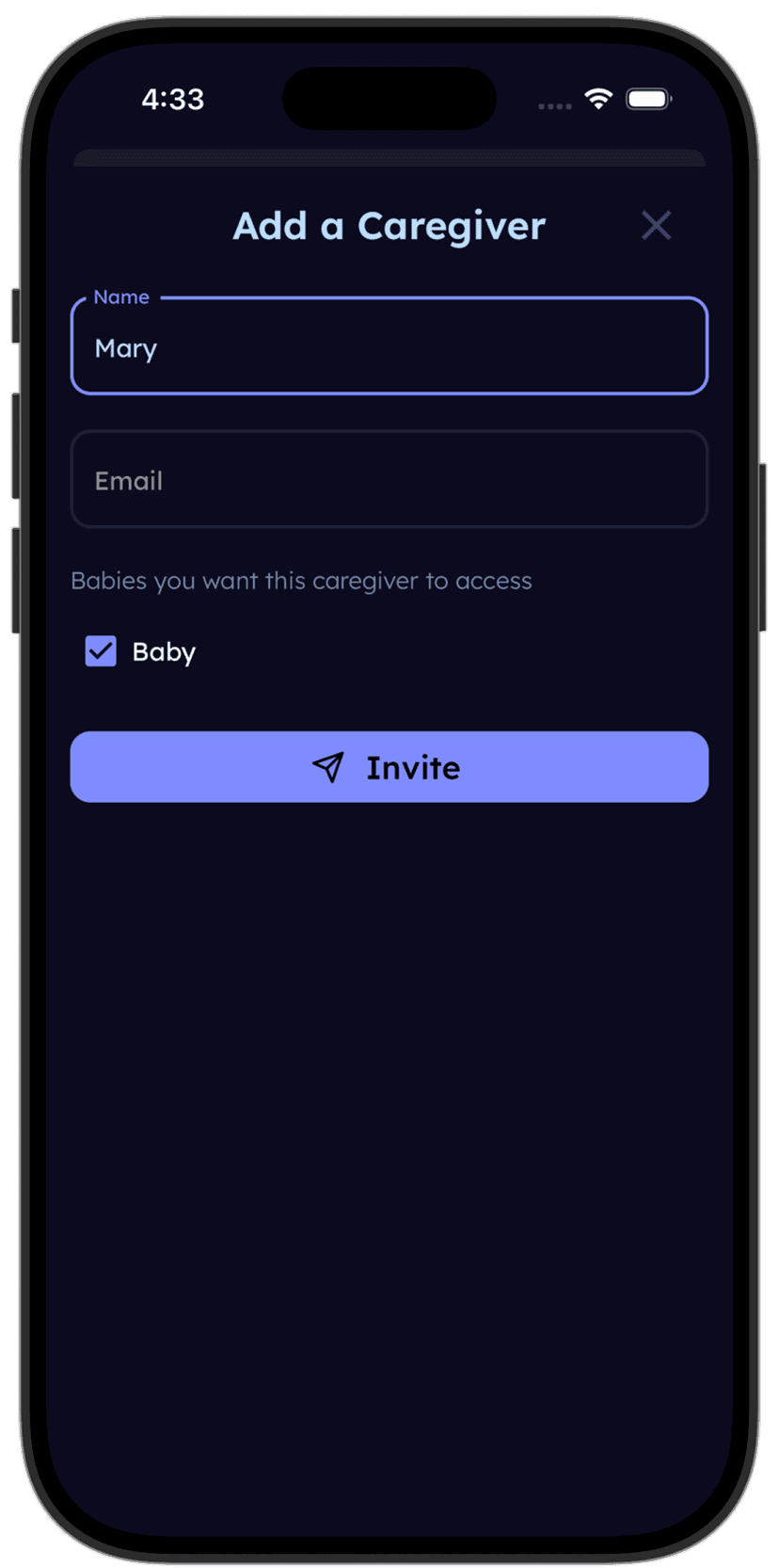
Tinylog caregiver sync showing shared newborn care log between multiple caregivers

Your baby nurse logs it. Your doula sees it. You wake up informed.

Tinylog's caregiver sync lets any caregiver — baby nurse, doula, partner, or grandparent — log to the same baby timeline. No more handwritten notes lost in the shuffle. Everyone has the same real-time data.

Download on the App StoreGet It On Google Play

The First 48 Hours: Where This Decision Matters Most

The first two days home from the hospital are when most parents feel the most overwhelmed. The nurses and midwives who helped around the clock are gone. You're recovering from birth. The baby is cluster feeding. Nobody in the house has slept in two days.

A baby nurse during this period means someone competent is handling the baby so you can rest, heal, and recover. She'll manage the feeds, settle the baby between wake-ups, and keep the overnight chaos from becoming a crisis.

A postpartum doula during this period means someone is sitting with you, showing you how to latch, telling you what's normal, keeping the household functional, and checking that you're eating and drinking. She'll help you feel like you can do this — which matters enormously when you feel like you can't. Understanding what to expect during postpartum recovery can help you decide which support you need most.

Both are genuinely helpful. The question is whether your most urgent need in those early days is hands-on infant care or guided support for yourself as a new parent.

How to Decide

Choose a baby nurse if you need physical relief and sleep, you're recovering from a surgical birth, you have multiples, or you want someone to handle the baby while you focus on your own recovery.

Choose a postpartum doula if you want to learn and build confidence, breastfeeding support is a high priority, you're concerned about postpartum mood disorders, or you need broader help with household function during the newborn period.

Choose both if budget allows and you want coverage at different times. A baby nurse for overnight shifts and a doula for daytime support is a combination that covers all the bases.

Tips That Apply Either Way

Define what you need before you hire

If your primary need is sleep (someone to handle the baby while you rest), you want a baby nurse. If your primary need is learning how to do this with confidence, you want a doula. If you need both, consider hiring both for different times of day — they complement each other well.

Ask about their approach to common newborn challenges

Interview questions that reveal compatibility: What do you do when a baby won't stop crying? What's your philosophy on sleep training for newborns? How do you handle a breastfeeding mother who wants to give a bottle? Their answers should align with your parenting values.

Have them log everything in a shared app

Whether your baby nurse or doula tracks it, having a digital record of every feed, nap, and diaper change during those early weeks gives you data you'll reference for months. Share it with your pediatrician too — they'll appreciate the detail at your first few visits.

Related Guides

Sources

  • DONA International. (2025). Standards of Practice: Postpartum Doula.
  • Newborn Care Specialist Association (NCSA). (2024). Certification Standards and Scope of Practice.
  • Kozhimannil, K. B., et al. (2013). Modeling the Cost-Effectiveness of Doula Care. Birth, 40(2), 97-105.
  • Dennis, C. L. (2003). The Effect of Peer Support on Postpartum Depression: A Pilot Randomized Controlled Trial. Canadian Journal of Psychiatry, 48(2), 115-124.

This guide is for informational purposes only and is not a substitute for professional medical advice. Consult your pediatrician for guidance specific to your baby.

Get this comparison in your inbox.
We'll send you this breakdown so you can decide which postpartum support is right for your family.
Every caregiver should log to the same place.
Download Tinylog — your baby nurse or doula logs feeds and diapers, and you see it all in real time.
Download on the App StoreGet It On Google Play