GUIDE

Night Nurse vs. Postpartum Doula

A night nurse focuses on overnight infant care so you can sleep. A postpartum doula provides daytime support for both baby and parents — breastfeeding help, newborn education, light household tasks, and emotional support. They serve different needs at different hours.

Both help during the postpartum period, but what they actually do is surprisingly different.

Track overnight feeds and sleep

Log every feeding and wake-up

There's a lot of parenting advice out there. But parents should never feel guilty about calling the doctor if something just doesn't seem right with their baby or if they have concerns.
Dr. Jason ShermanDr. Jason Sherman, DO, Pediatrician, Cleveland Clinic

Different Problems, Different Solutions

The terms "night nurse" and "postpartum doula" get used interchangeably, but they describe genuinely different roles. Understanding what each one actually does helps you figure out which problem you're trying to solve.

A night nurse — more accurately called a newborn care specialist — arrives at your home in the evening and handles everything baby-related until morning. She feeds, soothes, changes, and settles your infant through the night so you can sleep. If you're breastfeeding, she'll bring the baby to you to nurse and then handle burping, settling, and the next wake-up. Her job is your baby's nighttime care. Period.

A postpartum doula works during the day and has a broader scope. She helps with breastfeeding support, teaches you newborn care skills, does light housework, prepares meals, provides emotional support, and screens for signs of postpartum mood disorders. DONA International, the largest doula certifying organization, describes the postpartum doula's role as "mothering the mother." She's not there to take over — she's there to help you feel competent and supported during those critical first 48 hours and beyond.


Night Nurse vs. Postpartum Doula: Side-by-Side
Primary focus
Night NurseOvernight infant care — feeding, soothing, sleep
Postpartum DoulaDaytime support for both parents and baby
Typical hours
Night NurseOvernight (usually 10 PM–6 AM)
Postpartum DoulaDaytime (usually 3-5 hour shifts)
Cost per session
Night Nurse$200–$400+ per night
Postpartum Doula$30–$60 per hour
Typical duration of hire
Night Nurse4–12 weeks postpartum
Postpartum Doula4–12 weeks postpartum
Feeding support
Night NurseHandles overnight bottle feeds; brings baby to mom for breastfeeding
Postpartum DoulaBreastfeeding positioning, latch support, pumping guidance
Household help
Night NurseMinimal — focused on baby care
Postpartum DoulaLight housework, meal prep, laundry, errands
Emotional/mental health support
Night NurseNot a primary focus
Postpartum DoulaActive role — screens for postpartum mood disorders, provides emotional support
Parent education
Night NurseSleep and feeding routines, soothing techniques
Postpartum DoulaBroad newborn care education, sibling adjustment, partner support
Certification
Night NurseNewborn Care Specialist (NCS) certification common
Postpartum DoulaDONA or CAPPA certified
Who benefits most
Night NurseSleep-deprived parents who need overnight relief
Postpartum DoulaParents who need daytime guidance and holistic support
Costs vary by region and experience. Major metro areas tend to be 30-50% above these ranges.

Night Nurse Advantages

  • You get actual sleep — 6-8 consecutive hours during the hardest newborn weeks
  • Experienced with newborn sleep patterns, soothing techniques, and overnight feeding logistics
  • Can help establish healthy sleep habits and routines from the start
  • Handles overnight diaper changes, feeding, and burping without waking you
  • Particularly valuable for parents recovering from C-sections or difficult births

Sleep is not a luxury in the postpartum period — it affects recovery, mental health, and milk production.

Night Nurse Challenges

  • Expensive — $200-$400+ per night adds up quickly over weeks
  • Focused on overnight baby care, not daytime support or parent education
  • May create dependency — transition to managing nights yourself can be challenging
  • The 'night nurse' title is unregulated — vet experience and references carefully

Ask for NCS certification and at least 3 references from families with similarly aged babies.

Postpartum Doula Advantages

  • Holistic support — helps with feeding, emotional well-being, household tasks, and newborn education
  • Screens for postpartum depression and anxiety, providing early intervention support
  • Teaches you skills and builds your confidence rather than doing everything for you
  • More affordable per hour than a night nurse, with flexible scheduling
  • Supports the entire family — partner, older siblings, breastfeeding relationship

DONA-certified and CAPPA-certified doulas complete specific postpartum training programs.

Postpartum Doula Challenges

  • Does not provide overnight care — you still handle nights yourself
  • Limited medical training — cannot diagnose or treat health issues
  • Breastfeeding support is basic; complex issues need an IBCLC
  • Daytime help is valuable, but sleep deprivation is the crisis most new parents face

Some doulas offer overnight shifts, though this is less common and costs more.

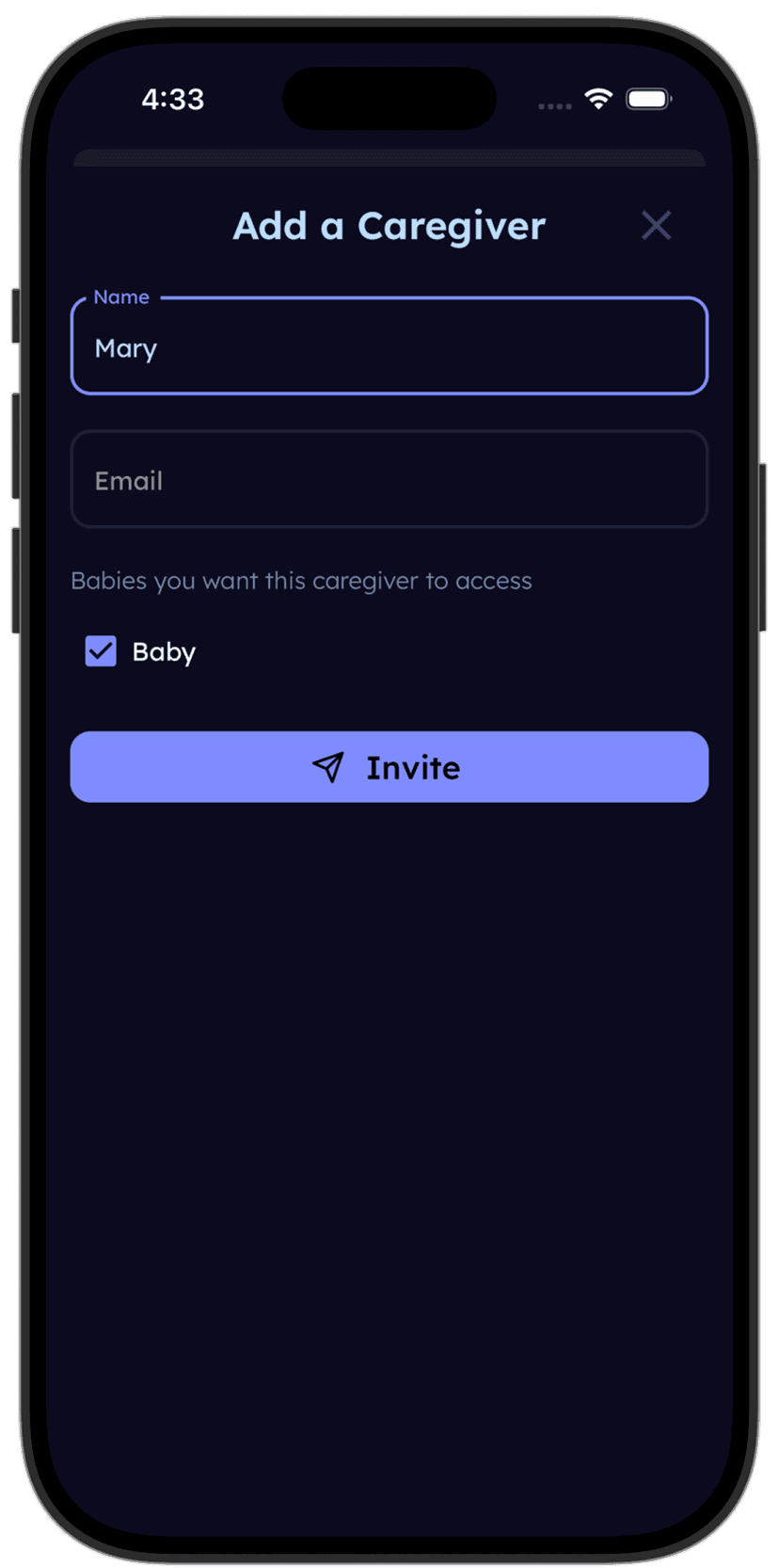
Tinylog caregiver sync showing overnight feed and sleep logs from night nurse

Your night nurse logs it. You see it in the morning.

Tinylog's caregiver sync lets your night nurse log every feed, diaper, and wake-up overnight. When you wake up, the complete record is on your phone — no handwritten notes, no foggy morning debriefs.

Download on the App StoreGet It On Google Play

The Sleep Question

If you're reading this while pregnant, you might think you can power through the nights. If you're reading this at 3 AM with a screaming newborn, you already know you can't.

Sleep deprivation in the postpartum period is not just uncomfortable — it's a risk factor. Research published in Sleep Medicine Reviews found that maternal sleep deprivation is significantly associated with postpartum depression, impaired cognitive function, and reduced milk production. The American Academy of Pediatrics has increasingly emphasized parental sleep as a component of infant safety.

A night nurse directly addresses the sleep crisis. A postpartum doula does not — but she addresses other critical needs that contribute to overall well-being. If you have a partner, splitting night feeds is another strategy to manage sleep deprivation. The right choice depends on which problem is most urgent for your family.

How to Decide

Choose a night nurse if sleep deprivation is your primary concern, you're recovering from a C-section or complicated birth and need physical rest, you're returning to work early and need to function during the day, or you have the budget for $1,000-$2,000+ per week.

Choose a postpartum doula if you want broad daytime support including breastfeeding help, newborn education, and emotional care, you're concerned about postpartum mood disorders and want someone trained to screen for them, or budget is a factor and you need a more affordable per-hour option.

Choose both if you can afford it. They cover completely different needs at completely different times of day.

Tips That Apply Either Way

Track everything overnight

Whether your night nurse does it or you do, logging every feed time, duration, and diaper change overnight creates a record you can review in the morning and share with your pediatrician. An app with caregiver sync means the night nurse's logs show up on your phone automatically.

Interview at least three candidates

Both night nurses and doulas vary enormously in experience and approach. Ask about their philosophy on sleep training, breastfeeding, soothing methods, and what they do when a baby won't stop crying. Their answers should align with your parenting values.

Plan the transition out

If you hire a night nurse for 8 weeks, plan how you'll manage nights after they leave. Have them teach you their soothing techniques and share the sleep routine they've established. The goal is for you to feel confident, not lost, when the support ends.

Related Guides

Sources

  • DONA International. (2025). Standards of Practice: Postpartum Doula.
  • Dørheim, S. K., et al. (2009). Sleep and Depression in Postpartum Women: A Population-Based Study. Sleep, 32(7), 847-855.
  • Newborn Care Specialist Association (NCSA). (2024). Certification Standards and Scope of Practice.
  • Dennis, C. L., & Ross, L. (2005). Relationships Among Infant Sleep Patterns, Maternal Fatigue, and Development of Depressive Symptomatology. Birth, 32(3), 187-193.

This guide is for informational purposes only and is not a substitute for professional medical advice. Consult your pediatrician for guidance specific to your baby.

Get this comparison in your inbox.
We'll send you this breakdown so you can decide what kind of postpartum support your family needs.
Night shift data shouldn't disappear by morning.
Download Tinylog — your night nurse logs every feed and wake-up, and you see it all when you wake up.
Download on the App StoreGet It On Google Play