Agree on the system before the baby arrives
Having this conversation at 3am with a screaming newborn is a terrible idea. Talk about it during pregnancy or at least during the first calm-ish day home. Decide on a system and commit to trying it for at least a week.
Give it a full week before switching
Night one will feel weird no matter what system you pick. Night two will feel slightly less weird. By night five, you'll have a rhythm. Don't abandon a system after one rough night — that's just a rough night, not proof the system doesn't work.
The on-duty parent makes all the calls
This is the rule that saves relationships. If it's your shift and you decide to try rocking before feeding, your partner does not get to say 'just feed her.' If you're off-duty, you're off-duty. No second-guessing, no backseat parenting.
Revisit the plan every week
A newborn waking 6 times a night needs a different system than a 4-month-old waking twice. Check in every Sunday: is this still working? Do we need to adjust the shift times? Is one person more exhausted than the other? Adapt as the baby changes.
Track so you don't have to talk
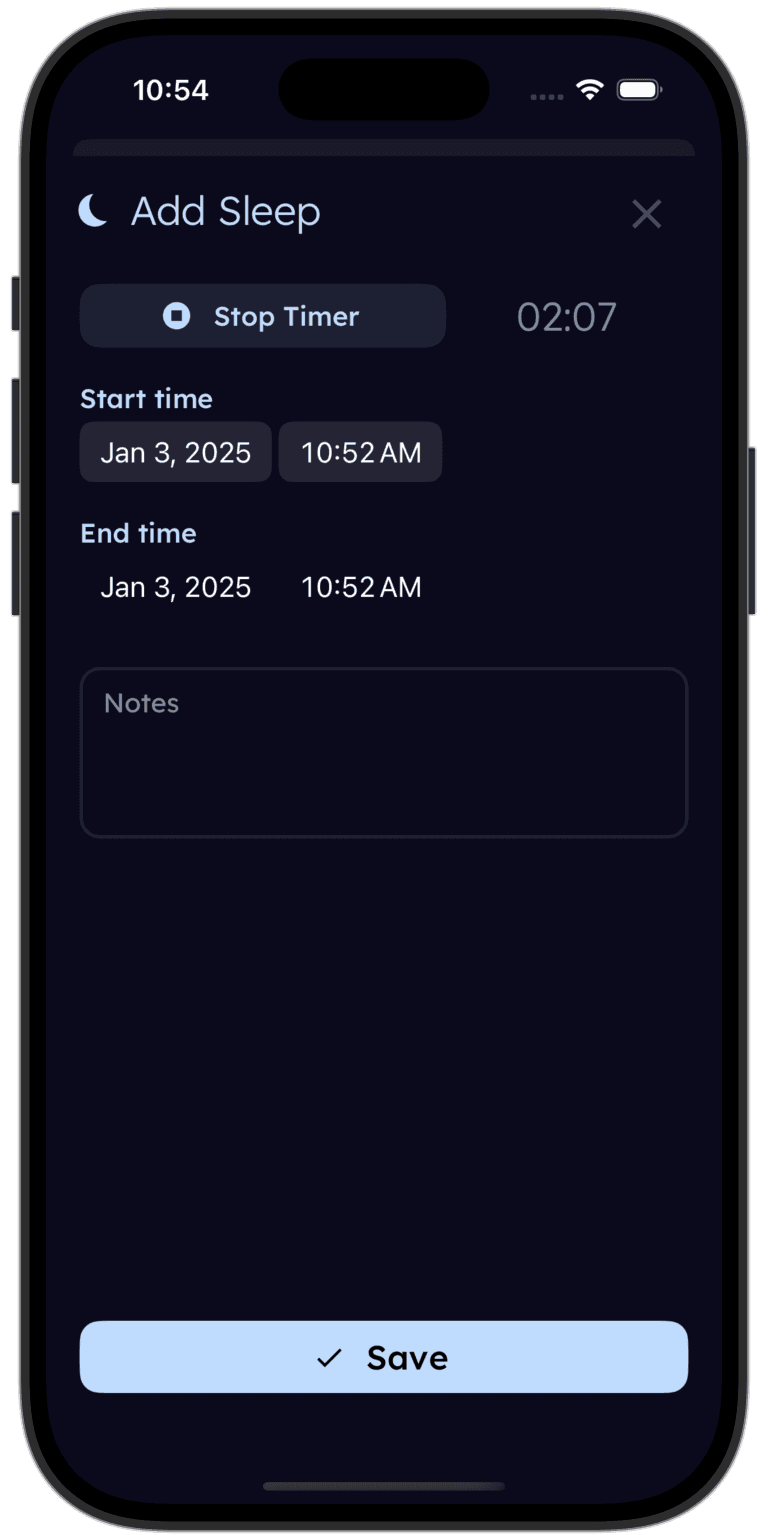
The middle of the night is not the time for a status update. If both parents log feeds and diapers in a shared app, the handoff is silent. You check the log, you see what happened, you pick up where they left off. No whisper-arguments required.
Shared tracking kills the handoff
Caregiver sync is the most underrated night feed feature. When both parents log in the same app, the handoff is silent — you check Tinylog, see the last feed was 45 minutes ago on the left side, and you know exactly where you are. No waking anyone up, no whispered "did you already feed her?" at 3 AM. It turns the whose-turn argument into a non-issue.
Remember you're on the same team
Sleep deprivation makes everything feel personal. When your partner does something differently than you would, it's not wrong — it's just different. The baby is alive and cared for. That's the bar at 3am. Everything else is a bonus.