GUIDE

Cloth Diapers vs. Disposable Diapers

Cloth diapers cost less over time and produce less landfill waste but require significant laundry effort. Disposable diapers are more convenient but cost $2,000-3,000 over the diapering years. Both are safe for babies.

The 'right' answer depends on your budget, time, water access, and tolerance for laundry.

Track diapers in the app

Log wet and dirty diapers

Research suggests that diaper rash is less common with disposable diapers, but what's more important than the type of diaper is how often you change it.
Dr. Jacqueline KaariDr. Jacqueline Kaari, DO, Pediatrician, Cleveland Clinic

An Honest Look at Both Options

The cloth vs. disposable debate generates strong opinions, often from people who have already committed to one side. Cloth diaper enthusiasts sometimes overstate the environmental benefits and understate the workload. Disposable users sometimes dismiss cloth as impractical when millions of families use them daily without issue. The truth is more nuanced than either side admits.

Here are the facts: cloth diapers cost less over time, produce less landfill waste, and contain fewer chemical additives. Disposable diapers are more convenient, more absorbent, and more universally accepted by caregivers and daycares. Neither is dangerous for your baby, though both types require attention to diaper rash prevention. Neither is the morally superior choice. The best diaper is the one that works for your family's budget, schedule, and tolerance for laundry.

Most families who use cloth diapers also use disposables in some situations. The all-or-nothing framing is not how real life works. If cloth diapers 80% of the time and disposables 20% of the time is what works, that is a perfectly valid approach.


Cloth vs. Disposable Comparison
Upfront cost
Cloth Diapers$300-800 for a full stash of quality cloth diapers, plus $50-100 for accessories (wet bags, sprayer, liners).
Disposable DiapersLow — buy a pack at a time. No significant upfront investment.
Total cost (birth to potty training)
Cloth Diapers$400-900 total if washed at home. Can be reused for additional children, further reducing cost.
Disposable Diapers$2,000-3,000 depending on brand. No reuse value.
Convenience
Cloth DiapersRequires washing every 2-3 days. Prepping, stuffing, stripping, and drying adds time.
Disposable DiapersUse and throw away. No laundry, no prep, no storage of soiled diapers.
Absorbency
Cloth DiapersLess absorbent than modern disposables. Requires more frequent changes (every 1.5-2 hours).
Disposable DiapersHighly absorbent superabsorbent polymer keeps baby feeling dry longer. Can go 2-3 hours.
Environmental impact
Cloth DiapersLess landfill waste. Higher water and energy use from laundering. Best if line-dried and reused for siblings.
Disposable DiapersEach baby produces ~6,000 disposable diapers before potty training. Takes 250-500 years to decompose in landfills.
Travel and on-the-go
Cloth DiapersBulkier to carry. Requires wet bags to store soiled diapers until you get home.
Disposable DiapersCompact, lightweight, dispose anywhere there's a trash can. Easier for travel.
Costs are estimates for the US market. Actual costs vary by brand, region, and usage patterns.

Cloth Diaper Advantages

  • Significantly cheaper over the full diapering period, especially if reused for multiple children
  • Produces less landfill waste — a meaningful reduction if washed efficiently
  • Fewer chemical additives (no superabsorbent polymers, dyes, or fragrances in most brands)
  • Many parents report earlier potty training because babies feel wetness more directly
  • Available in adjustable sizes that grow with the baby, reducing waste from outgrown sizes

Cost savings are maximized when cloth diapers are reused for subsequent children.

Cloth Diaper Challenges

  • Laundry is substantial — expect 2-3 extra loads per week of diaper-only laundry
  • Higher water and energy consumption from frequent washing
  • Not all daycares accept cloth diapers, limiting practical use for working parents
  • Steeper learning curve — different types (prefolds, pockets, AIOs) require research

The laundry commitment is the most common reason families switch from cloth to disposable.

Disposable Diaper Advantages

  • Maximum convenience — no laundry, no prep, no soiled diaper storage
  • Superior absorbency keeps baby drier for longer between changes
  • Universally accepted at daycares, by babysitters, and during travel
  • Available everywhere — grocery stores, pharmacies, online, in emergencies
  • No learning curve — straightforward to use from day one

Convenience is the primary driver of disposable diaper use, and it is a legitimate factor.

Disposable Diaper Challenges

  • Cost adds up: $2,000-3,000 per child from birth to potty training
  • Each baby generates roughly 6,000 diapers for landfills over the diapering years
  • Some babies may react to fragrances, dyes, or chemical components in certain brands
  • Ongoing expense — you never stop buying them until potty training is complete

Buying in bulk and using store brands can reduce cost significantly.

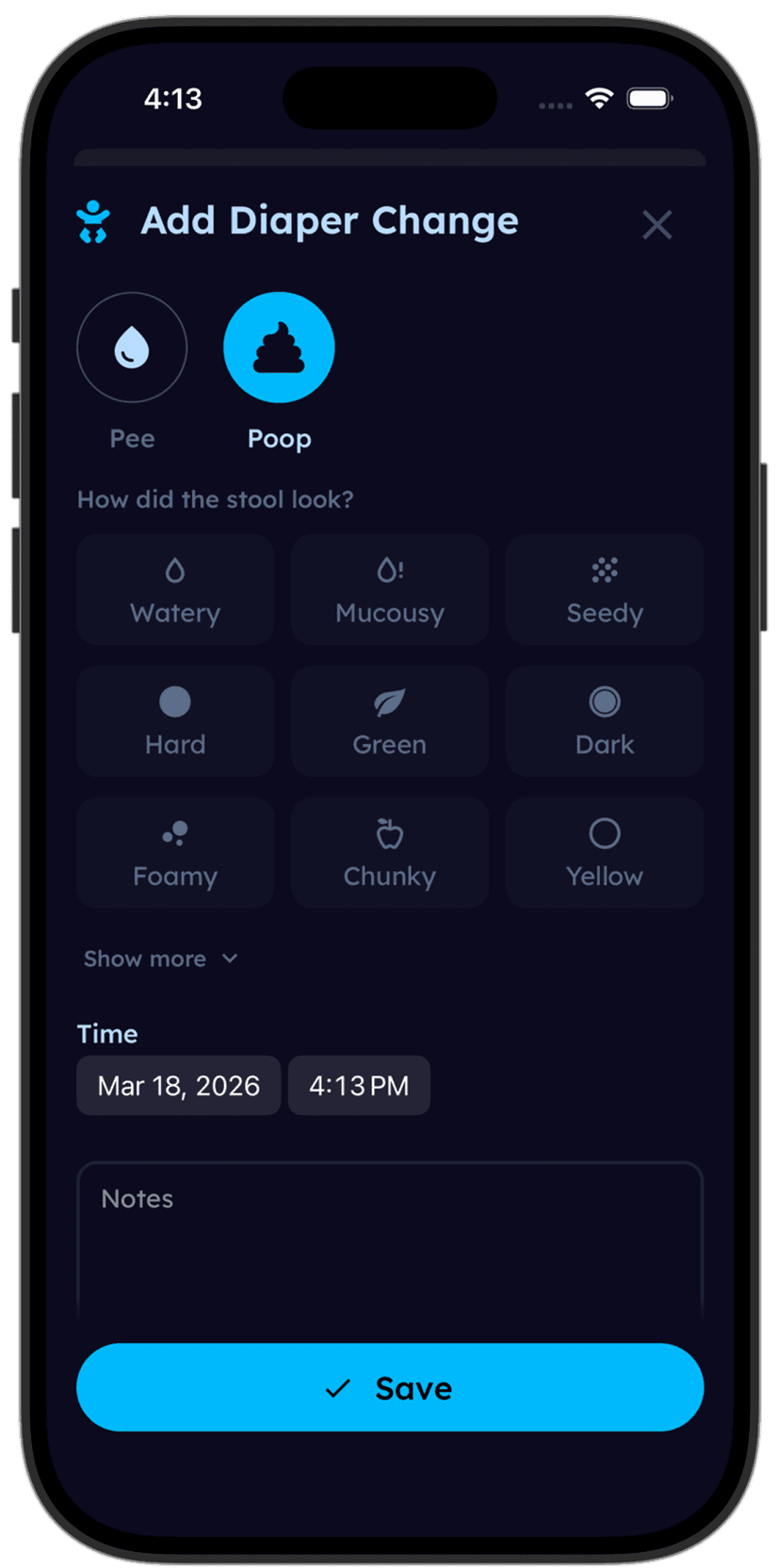
Tinylog diaper tracking showing wet and dirty diaper logs

Track diaper output to monitor hydration and health.

Tinylog lets you log every wet and dirty diaper — cloth or disposable — so you can track your baby's output patterns and share them with your pediatrician.

Download on the App StoreGet It On Google Play

The Environmental Question

Environmental impact is more complex than "cloth = green, disposable = wasteful." A comprehensive 2008 study by the UK Environment Agency found that the lifecycle environmental impact of cloth and disposable diapers was roughly comparable when accounting for manufacturing, transport, water use, energy consumption, and waste. Cloth diapers have a lower impact when washed in full loads, line dried, and reused for multiple children. Disposable diapers have a lower water footprint but a much larger landfill footprint. Neither option is environmentally free.

If environmental impact is your primary motivation, the most impactful steps are: wash cloth diapers in full loads with cold water, line dry when possible, and reuse for additional children. If using disposables, brands like DYPER and Kudos offer compostable or plant-based options that reduce (but do not eliminate) landfill impact.

How to Decide

Ask yourself: do you have reliable access to a washer and dryer? If not, cloth diapers may not be practical. Does your daycare accept cloth? If not, you will be using disposables during work hours regardless. Is your budget tight? Cloth diapers have a higher upfront cost but save $1,500-2,000 over the diapering years. Do you have the bandwidth for 2-3 extra loads of laundry per week on top of everything else? Be honest with yourself about this. And whichever type you choose, know what to reach for when redness appears — our comparison of diaper rash cream vs. ointment breaks it down. Tracking wet diaper counts early on will also help you monitor your newborn's hydration regardless of diaper type.

Tips That Apply Either Way

Track output regardless of diaper type

Wet and dirty diaper counts are a key indicator of hydration and digestive health in newborns. Your pediatrician will ask about them at every visit. Logging diapers — cloth or disposable — helps you spot patterns and answer those questions confidently.

The hybrid approach works

Many families use cloth at home and disposables for daycare, travel, and overnight. This gives you the cost savings of cloth where it is most practical while keeping the convenience of disposables when you need it. You do not have to be all-or-nothing.

Try before you invest

Before buying a full cloth diaper stash, try 6-8 diapers of a specific type for 2-3 weeks. Some families love cloth; others find the laundry unsustainable. A trial run costs $50-100 and saves you from a $500 commitment you might not use.

Related Guides

Sources

  • UK Environment Agency. (2008). An Updated Lifecycle Assessment Study for Disposable and Reusable Nappies. Science Report SC010018/SR2.
  • O'Brien, K. L., et al. (2009). Diaper Dermatitis: A Review of the Literature. Pediatric Dermatology, 26(5), 578-582.
  • EPA. (2021). Municipal Solid Waste Generation, Recycling, and Disposal in the United States. U.S. Environmental Protection Agency.
  • AAP. (2023). Diapering. HealthyChildren.org.

This guide is for informational purposes only and is not a substitute for professional medical advice. Consult your pediatrician for guidance specific to your baby.

Get this comparison in your inbox.
We'll send you the cost and convenience breakdown to help you decide.
No matter which diaper you choose, tracking output keeps you informed.
Download Tinylog to log wet and dirty diapers and spot hydration or health patterns.
Download on the App StoreGet It On Google Play