
GUIDE
Dr. Brown's Options+ vs. Philips Avent Natural
Published on
Both are top-tier baby bottles with different strengths. Dr. Brown's wins on anti-colic performance with its internal vent system. Philips Avent wins on ease of use, fewer parts to wash, and a wider nipple that helps breastfed babies transition. Cost is comparable.
Dr. Brown's Natural Flow Anti-Colic Options+ and Philips Avent Natural are two of the best-selling baby bottles in the US. They tackle the same problem — reducing gas and fussiness — but with very different engineering. The right choice depends on how severe your baby's colic is, whether you're breastfeeding, and how you feel about washing tiny bottle parts at midnight.
Log bottles, nursing, and spit-ups
Two Great Bottles — Very Different Approaches to the Same Problem
Dr. Brown's Natural Flow Anti-Colic Options+ and Philips Avent Natural are both excellent baby bottles. They're both in millions of nurseries for a reason. But they solve the gas-and-colic problem in fundamentally different ways, and the differences matter depending on your baby.
Here's the honest version: Dr. Brown's is the harder-core anti-colic bottle. It has an internal vent system that genuinely separates air from milk, and it works. The tradeoff is more parts, more cleaning, and more opportunities for leaky assembly at 2 AM when your hands are shaking from sleep deprivation.
Philips Avent Natural is the easier bottle with a great anti-colic valve and a breast-shaped nipple that makes life easier for breastfed babies going back and forth between breast and bottle. It's simpler to clean, simpler to assemble, and less likely to leak. But for truly gassy babies, it may not be enough.
The truth nobody puts on the box: some babies are picky and you may need to try both. Buy one pack of each before committing to a full set. Your baby gets the final vote.
For more on how much your baby should be eating, see our baby feeding chart.
| Feature | Dr. Brown's Options+ | Philips Avent Natural | What It Means |
|---|---|---|---|
| Manufacturer | Dr. Brown's (Handi-Craft Company) | Philips Avent | Both are established, trusted brands in the baby bottle space. |
| Anti-colic system | Internal vent system — air channels through vent insert and reservoir tube, completely separated from milk | One-way valve in the nipple base; optional AirFree vent sold separately | Dr. Brown's is more effective for severe colic. Avent's system works for mild-to-moderate gas. |
| Nipple shape | Narrow, traditional shape | Wide, breast-shaped with Natural Response system | Avent's wider nipple is better for breastfed babies transitioning to bottles. |
| Flow control | Positive-pressure flow — consistent drip rate based on nipple level | Natural Response — nipple only releases milk when baby actively sucks | Avent's demand-based flow more closely mimics breastfeeding rhythm. |
| Number of parts | 5–7 parts (bottle, nipple, collar, vent insert, reservoir tube, travel disc, cap) | 3–4 parts (bottle, nipple, screw ring, cap) | Avent wins by a mile. Fewer parts = less time washing, less time cursing. |
| Ease of cleaning | Harder — small vent parts need a tiny brush, reservoir tube collects residue | Easier — wide neck fits a standard bottle brush, fewer crevices | Avent is meaningfully easier to clean. This matters when you're washing 8+ bottles a day. |
| Leak risk | Higher — improper assembly of vent system causes leaks | Lower — simpler design, fewer failure points | Avent leaks less. Dr. Brown's requires careful assembly every time. |
| Material options | BPA-free plastic and borosilicate glass | BPA-free plastic (PP), borosilicate glass, and PPSU | Avent offers slightly more material choices including PPSU. |
| Nipple levels | Preemie, Level 1–4, Y-Cut | Flow 1–5 (newborn through fast flow) | Both offer a full range of flow rates to grow with your baby. |
| Grows with baby | Yes — Options+ lets you remove the vent system entirely as baby matures | Yes — compatible with sippy cup adapters and handles from the same line | Both adapt as baby grows. Dr. Brown's removable vent is a unique advantage. |
| Part compatibility | Narrow and wide-neck lines require separate parts; less interchangeable | Parts interchange across the Natural line; adapters, lids, and sippy spouts fit all sizes | Avent's ecosystem is more flexible. Less hunting for the right replacement part. |
| Price range | ~$5–$8 per bottle (plastic); ~$10–$14 per bottle (glass) | ~$6–$9 per bottle (plastic); ~$11–$15 per bottle (glass) | Comparable pricing. Dr. Brown's is slightly cheaper per bottle in most pack sizes. |
The Anti-Colic Battle: Internal Vent vs. Nipple Valve
This is the biggest difference between these two bottles, and probably why you're reading this.
Dr. Brown's internal vent system is a two-piece mechanism (vent insert + reservoir tube) that sits inside the bottle. As baby feeds, air enters through the collar and travels through the vent system into the back of the bottle — completely bypassing the milk. This creates positive pressure that eliminates the vacuum effect, which means baby swallows less air and gets a more consistent flow.
The result: less gas, less colic, less spit-up. Multiple studies support this. Parents of seriously colicky babies consistently rate Dr. Brown's as one of the most effective bottles for reducing gas-related crying.
Philips Avent's approach is less aggressive but still effective. The Natural bottle has a one-way anti-colic valve built into the nipple ring. During feeding, air flows into the bottle through the valve while milk flows out through the nipple — keeping them separated. It works, but the separation isn't as complete as Dr. Brown's internal system.
Avent also sells an AirFree vent as a separate accessory. When attached, it keeps the nipple full of milk even when the bottle is horizontal, reducing air intake. If your baby has moderate colic and you like the Avent design, the AirFree vent is worth trying before switching bottles entirely.
The honest call: If your baby has serious colic, Dr. Brown's internal vent is the more effective system. If your baby has mild gas or you're trying to prevent colic, Avent's built-in valve may be all you need.
Nipple Design: This Matters More Than You Think
Nipple shape is the sleeper factor that trips up a lot of parents.
Dr. Brown's uses a narrow, traditional nipple. It works well and babies latch onto it fine — but it doesn't closely resemble the shape of a breast. For exclusively bottle-fed babies, this is a non-issue. For babies going back and forth between breast and bottle, the narrow shape can sometimes cause nipple confusion.
Philips Avent Natural uses a wide, breast-shaped nipple with their Natural Response system. The nipple only releases milk when baby actively sucks — and pauses when baby pauses to swallow and breathe. This mimics the rhythm of breastfeeding more closely than a constant-flow nipple.
If your baby is breastfed and you're introducing bottles, Avent's wider nipple is generally the better starting point. The shape and demand-based flow make the breast-to-bottle transition smoother for most babies. This isn't marketing fluff — lactation consultants frequently recommend wide-neck bottles for breastfed babies.
That said, plenty of breastfed babies take Dr. Brown's narrow nipple without any drama. Babies are individuals. If one doesn't work, try the other.
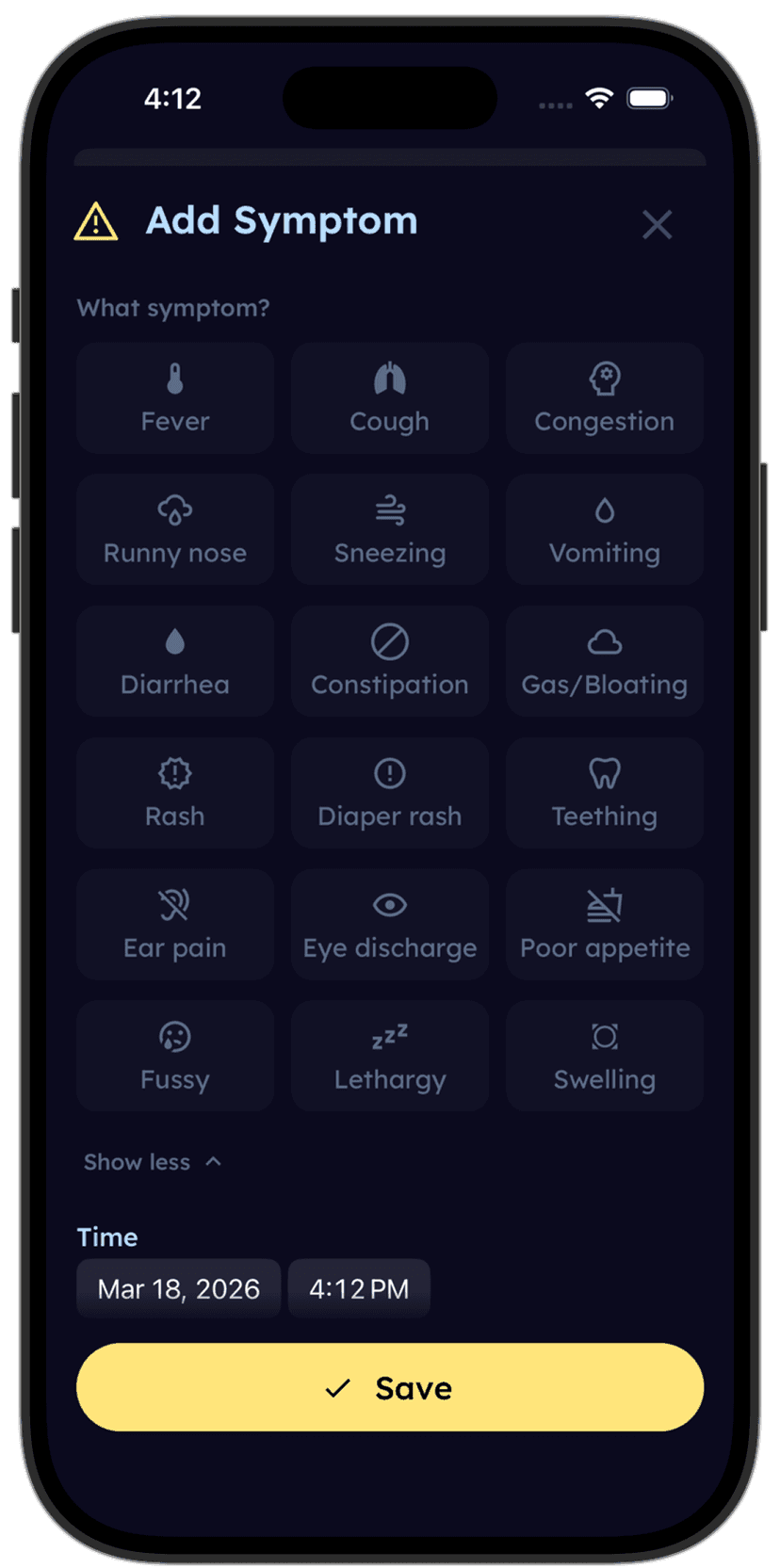
Tinylog tracks feedings so you can spot patterns.
Log bottle feeds, nursing sessions, spit-ups, and gas. See feeding patterns over days and weeks. Bring the data to your next pediatrician visit.


Cleaning: The Unsung Dealbreaker
Nobody talks enough about cleaning when recommending baby bottles. You will wash bottles 8–12 times a day in the early months. The difficulty of cleaning your bottles will directly affect your quality of life.
Dr. Brown's Options+ has 5–7 separate parts per bottle: the bottle body, nipple, collar, vent insert, reservoir tube, travel disc, and cap. The vent insert and reservoir tube are small, oddly shaped, and need a dedicated tiny brush (included in most starter kits, thankfully). Milk residue builds up inside the reservoir tube, and if you don't scrub it out, it gets funky fast.
We're not going to sugarcoat this: washing Dr. Brown's bottles is annoying. It's the number-one complaint in parent reviews, and it's valid. When you're already exhausted and your sink is full of bottle parts that look like they belong in a chemistry set, the frustration is real.
Philips Avent Natural has 3–4 parts: bottle, nipple, screw ring, and cap. The wide neck means you can get a standard bottle brush inside without contorting your wrist. There are no internal vents to disassemble and scrub. You can have an Avent bottle washed, dried, and reassembled in a fraction of the time.
The tradeoff is clear: Dr. Brown's anti-colic performance comes at the cost of cleaning convenience. If your baby genuinely needs the vent system, the extra cleaning is worth it. If your baby's gas is manageable, Avent's simplicity will save you meaningful time and sanity.
One more thing: the Options+ "plus" in Dr. Brown's name refers to the fact that you can remove the vent system once your baby outgrows the need for it. When you do, the bottle drops down to a normal number of parts. So the cleaning burden is temporary — if your baby cooperates.
| Product | Typical Price | Cost Per Bottle | Notes |
|---|---|---|---|
| Dr. Brown's Options+ Narrow 8oz, 4-pack (plastic) | $20–$26 | ~$5.00–$6.50 | Best value for Dr. Brown's; includes vent system |
| Dr. Brown's Options+ Narrow 8oz, single (glass) | $10–$14 | ~$10–$14 | Glass option; comes with silicone sleeve |
| Philips Avent Natural 9oz, 4-pack (plastic) | $24–$32 | ~$6.00–$8.00 | Includes Natural Response nipples |
| Philips Avent Natural 9oz, single (glass) | $11–$15 | ~$11–$15 | Borosilicate glass; heat and thermal shock resistant |
Price: Close Enough to Not Matter
Both bottles are in the same ballpark. Dr. Brown's is typically $1–$2 cheaper per bottle in plastic multi-packs. Philips Avent is slightly more expensive but you're not buying replacement vent parts down the road.
The real cost difference is in replacement parts and accessories. Dr. Brown's vent inserts and reservoir tubes wear out and need replacing. Avent's simpler design means fewer replacement parts to buy. Over a year of bottle feeding, this can add up to $15–$30 in extra parts for Dr. Brown's.
The smart move for either brand:
- Buy a starter pack first (2–4 bottles) to make sure your baby accepts the nipple
- Then buy in bulk once you know it works
- Watch for sales — both brands run frequent promotions on Amazon, Target, and at warehouse clubs
- Don't overbuy nipple levels — buy the next level up only when baby seems frustrated with flow speed
Choose Dr. Brown's Options+ If
- Your baby has moderate-to-severe colic, gas, or excessive spit-up
- You've tried simpler bottles and they haven't helped with fussiness
- You don't mind washing extra parts if it means less screaming
- Your baby is formula-fed (narrower nipple is less of an issue without breastfeeding transition)
- You want the option to remove the vent system later as baby matures
- You're looking for the most clinically studied anti-colic bottle on the market
Choose Philips Avent Natural If
- Your baby is breastfed and transitioning to bottles (wider nipple = easier latch)
- You want fewer parts to wash, assemble, and lose in the dishwasher
- Your baby has mild gas or you're looking to prevent colic rather than treat it
- You value simplicity — easy fill, easy clean, easy assembly at 3 AM
- You want parts that interchange across bottle sizes and sippy cup stages
- Leak-free feeding matters to you (simpler assembly = fewer leaks)
Where to Buy
If colic is your main concern, the Dr. Brown's Natural Flow Anti-Colic Options+ (~$5–$7/bottle in a 4-pack) is the gold standard for reducing gas and spit-up. The internal vent system is the most effective anti-colic design on the market. Yes, there are more parts to clean — but when your baby stops screaming after feeds, you will not care about the extra 30 seconds of scrubbing.
If you want easier cleaning and a smoother breastfeeding transition, the Philips Avent Natural Baby Bottles (~$6–$8/bottle in a 4-pack) are hard to beat. The wide breast-shaped nipple, Natural Response flow system, and 3-part simplicity make daily feeding less stressful. Add the AirFree vent if gas becomes an issue.
Our honest advice: buy a small pack of each. The "right" bottle is whichever one your baby accepts and that keeps gas manageable — and you will not know until you try.
Tinylog earns a small commission on purchases made through these links, at no cost to you.
We've found promo.new handy for finding discounts on baby gear. Doesn't always have what you need, but it's worth a shot.
The Bottom Line
Both Dr. Brown's Options+ and Philips Avent Natural are excellent bottles backed by solid engineering and millions of happy parents. The differences are real and meaningful:
Dr. Brown's Options+ wins on anti-colic performance, proven vent technology, and the ability to remove the vent as baby grows. It's the bottle to reach for when colic is severe and you need the most aggressive air-reduction system available.
Philips Avent Natural wins on ease of use, fewer parts, easier cleaning, a more breast-like nipple for breastfed babies, better part interchangeability, and fewer leaks. It's the bottle to reach for when you want effective colic prevention without the daily cleaning hassle.
For most families, here's the real decision tree: Is your baby's colic bad enough to justify washing extra parts 8+ times a day? If yes, Dr. Brown's. If your baby's gas is mild or you're prioritizing the breast-to-bottle transition, Avent.
And if your baby rejects both? That's normal. Babies are tiny, opinionated humans. Try a different nipple flow rate before switching brands entirely — sometimes the issue is flow speed, not bottle design.
If you're tracking feeding patterns — which is especially useful when troubleshooting gas and colic — Tinylog makes it easy to log bottle feeds, note spit-ups, and spot trends over time.
Related Guides
- Baby Feeding Chart — How much your baby should eat by age
- Baby Constipation — What's normal and when to worry
- Best Formula for Gassy Babies — Formula picks that help with gas and fussiness
- Cluster Feeding by Age — What cluster feeding looks like at every stage
- Breastfeeding Latch — Getting a good latch from day one
Sources
- Dr. Brown's. "How the Internal Vent System Works." drbrownsbaby.com. 2026.
- Philips Avent. "Natural Response Baby Bottles — Product Information." usa.philips.com. 2026.
- ToddlerChirps. "Philips Avent vs Dr. Brown Bottles: My Honest Take." toddlerchirps.com. 2025.
- Motherhood Community. "Dr. Brown Bottles Vs. Philips Avent: What's The Difference." motherhoodcommunity.com. 2025.
- BabyGaga. "Avent Natural Baby Bottles vs. Dr. Brown's Options Baby Bottles." babygaga.com. 2025.
- Green and Clean Mom. "Dr. Browns vs Philips Avent Bottles — Is There Any Difference." greenandcleanmom.org. 2025.
- American Academy of Pediatrics. "Bottle Feeding Basics." healthychildren.org. 2025.
This guide is for informational purposes only. Bottle choice is a personal preference based on your baby's individual needs. If your baby has persistent colic, excessive gas, or feeding difficulties, consult your pediatrician.
Frequently asked questions
- Which bottle is better for colic, Dr. Brown's or Philips Avent?
- Dr. Brown's Options+ has a more aggressive anti-colic system with an internal vent that channels air through a tube away from the milk. Clinical studies and parent reviews consistently rate it higher for reducing gas and spit-up. Philips Avent Natural has an anti-colic valve in the nipple that works well for mild colic, and offers an optional AirFree vent for more severe cases.
- Which bottle is easier to clean?
- Philips Avent Natural is significantly easier to clean. It has only 3–4 parts and a wide neck that fits a bottle brush. Dr. Brown's Options+ has 5–7 parts including a vent insert and reservoir tube that require a small brush. The cleaning difference is real and adds up over hundreds of daily washes.
- Which bottle is better for breastfed babies?
- Philips Avent Natural typically wins for breastfed babies transitioning to bottles. Its wide, breast-shaped nipple and Natural Response system — which only releases milk when baby actively sucks — more closely mimics the breastfeeding experience. Dr. Brown's narrow nipple works well too, but the wider Avent shape tends to cause less nipple confusion.
- Can you use Dr. Brown's bottles without the vent system?
- Yes. The Options+ line is designed to let you remove the internal vent system as your baby grows and develops better feeding coordination. The bottle functions like a standard bottle without the vent. This is a nice feature because it reduces parts to clean as your baby outgrows the need for anti-colic support.
- Are Dr. Brown's and Philips Avent bottles BPA-free?
- Yes. Both brands offer BPA-free plastic bottles. Both also offer glass bottle options — Dr. Brown's in borosilicate glass and Philips Avent in premium borosilicate glass that is heat-resistant and suitable for sterilization.
- Do Dr. Brown's bottles leak more than Philips Avent?
- Dr. Brown's bottles are more prone to leaking if not assembled correctly, particularly around the vent system. If the vent insert, reservoir tube, and collar aren't properly aligned and tightened, milk can seep out. Philips Avent's simpler design with fewer parts makes leaking less common.