
GUIDE
HALO SleepSack Swaddle vs. Burt's Bees Beekeeper Wearable Blanket
Published on
These serve different sleep stages. The HALO SleepSack Swaddle is built for newborns who still need that snug, arms-in feeling. The Burt's Bees Beekeeper is a sleep sack for older babies who have graduated from swaddling. If your baby hasn't started rolling yet, start with HALO. Once they're out of the swaddle phase, the Beekeeper is a solid organic option.
Swaddles and sleep sacks both replace loose blankets in the crib, but they work differently. A swaddle wraps a newborn's arms to reduce the startle reflex. A wearable blanket keeps an older baby warm without covering their face. Many families end up buying both — one for the newborn months, one for everything after. This guide breaks down how these two popular options compare so you can figure out what your baby actually needs right now.
Log naps, wake windows, and sleep stretches
Swaddle vs. Sleep Sack — They're Not the Same Thing
Before we get into the product-by-product breakdown, let's clear up the most common confusion: a swaddle and a sleep sack are not interchangeable terms, even though people use them that way constantly.
A swaddle wraps your baby's arms snugly against their body. It mimics the tight feeling of the womb and helps dampen the Moro reflex — that involuntary arm-flinging thing that wakes newborns up forty times a night. The HALO SleepSack Swaddle does this.
A wearable blanket (or sleep sack) is basically a sleeping bag with armholes. Your baby's arms are free. It keeps them warm without any loose fabric in the crib. The Burt's Bees Beekeeper does this.
Most babies use a swaddle for the first 2–4 months, then switch to a wearable blanket once they show signs of rolling. So these two products often represent sequential purchases, not either-or choices.
For more on safe sleep practices and wake windows, see our newborn sleep schedule guide.
| Feature | HALO SleepSack Swaddle | Burt's Bees Beekeeper | What It Means |
|---|---|---|---|
| Product type | Swaddle (arms-in or arms-out) | Wearable blanket / sleep sack (arms-out only) | Different categories. HALO is for the swaddle stage; Burt's Bees is for after. |
| Age range | Newborn to ~6 months (until rolling) | Birth through toddler (multiple sizes) | HALO has a shorter useful window. The Beekeeper grows with your baby for much longer. |
| Fabric | 100% cotton or micro-fleece (varies by style) | 100% GOTS-certified organic cotton | Burt's Bees wins on organic certification. HALO offers more fabric options. |
| Swaddle function | Yes — three-way adjustable swaddle wings | No — open armholes, no swaddle capability | Only the HALO provides actual swaddling. The Beekeeper is strictly a wearable blanket. |
| Zipper design | Bottom-up zipper for diaper changes | Full-length front zipper, top to bottom | Both allow easy diaper access. The HALO's inverted zip is slightly faster at 3 AM. |
| TOG / warmth options | Multiple weights (cotton, micro-fleece, organic cotton) | Lightweight cotton (single weight) | HALO gives you more warmth options for different seasons. The Beekeeper runs light. |
| Hip safety | Recognized as 'hip-healthy' by the IHDI | Roomy sack shape allows natural hip positioning | Both allow healthy hip development. HALO has formal recognition from the Hip Dysplasia Institute. |
| Pattern and style options | Moderate selection — mostly solid and simple prints | Wide range of prints and seasonal patterns | Burt's Bees has cuter prints, if that matters to you (it might at gift-giving time). |
| Machine washable | Yes | Yes | Tie. Both survive the washing machine just fine. |
| Sizing | Small (NB–3 mo), Medium (3–6 mo) | S (0–6 mo), M (6–12 mo), L (12–18 mo), XL (18–24 mo) | Burt's Bees covers a much wider age range with more size options. |
| Safe sleep endorsements | Used in hospital nurseries; promoted by safe sleep campaigns | Meets CPSC standards; no specific hospital partnerships | HALO has stronger institutional backing for safe sleep. Both meet safety standards. |
The HALO SleepSack Swaddle: Built for the Newborn Months
The HALO SleepSack Swaddle is one of the most widely used swaddles in hospital nurseries across the US. It has a three-way swaddle design that gives you real flexibility:
- Arms in: Full swaddle for newborns with a strong startle reflex
- Hands to face: For babies who like to self-soothe by sucking their hands
- Arms out: Transition mode for when your baby is getting ready to stop swaddling
That versatility is the HALO's biggest selling point. Instead of buying three different products as your baby grows through the swaddle phase, you adjust the same one. The bottom-up zipper also makes middle-of-the-night diaper changes faster — you unzip from the bottom without disturbing the swaddle on top.
The downside? Once your baby is done with swaddling (typically around 3–4 months), the HALO swaddle is done too. You can use it arms-out as a basic sleep sack, but it's bulkier than a purpose-built wearable blanket at that point.
The Burt's Bees Beekeeper: Organic Cotton for the Long Haul
The Burt's Bees Beekeeper Wearable Blanket takes a different approach. It doesn't try to be a swaddle at all — it's a straightforward wearable blanket made from 100% GOTS-certified organic cotton.
That organic certification actually means something. GOTS (Global Organic Textile Standard) is one of the strictest textile certifications in the world. It covers everything from the cotton farming practices to the dyes and finishes used in manufacturing. For parents who care about what touches their baby's skin for 10+ hours a day, this is a meaningful differentiator.
The Beekeeper runs on the lighter side, which makes it great for warm climates and summer babies but potentially too thin for cold winter nights on its own. You can layer clothing underneath, but if you need a warmer sleep sack, you might want to look at fleece options from other brands.
Where the Beekeeper really shines is longevity. It comes in sizes from newborn all the way through 24 months, so you're buying into a system that works for nearly two years. That's a much longer useful life than any swaddle.
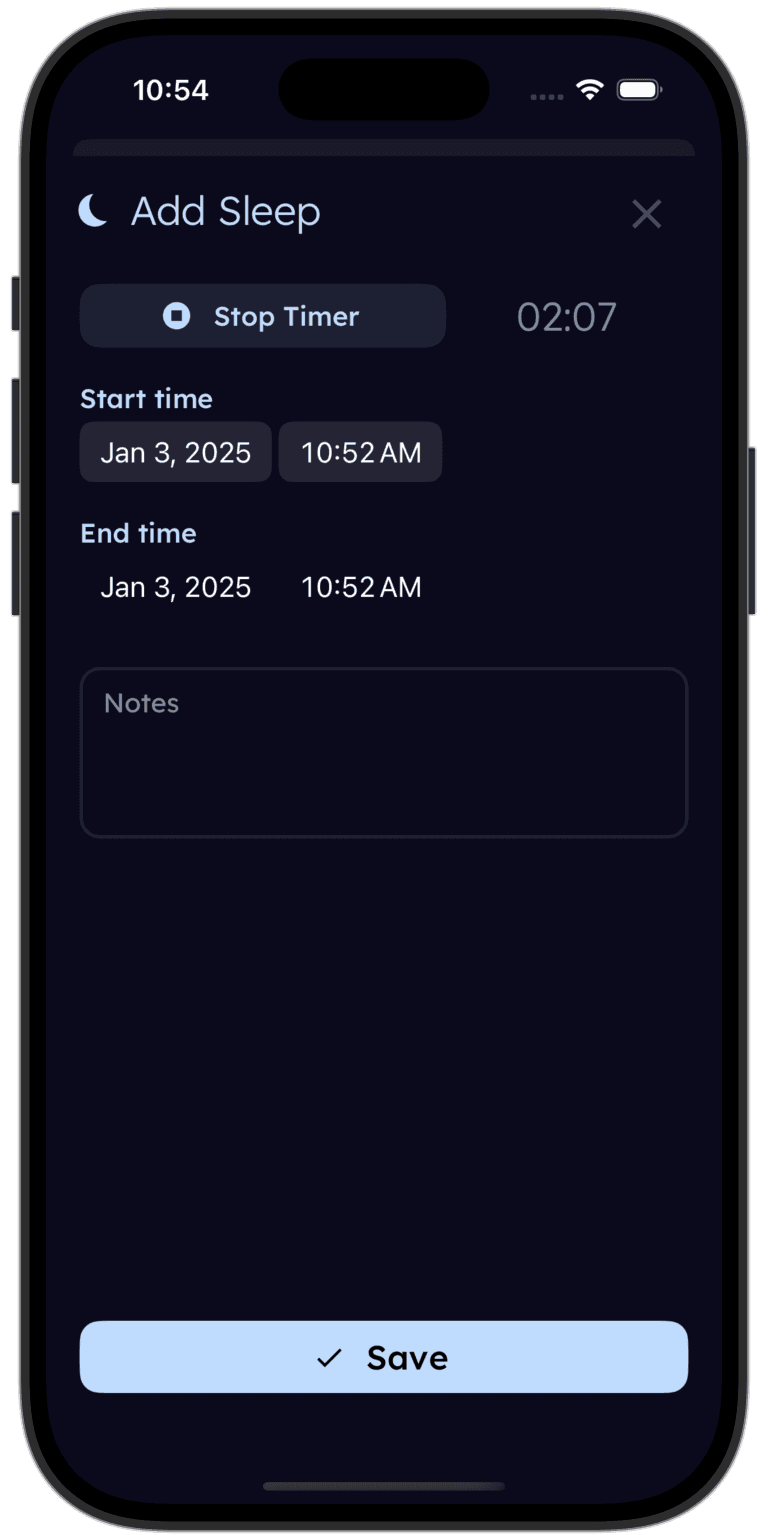
Tinylog tracks sleep so you can see what's working.
Log naps and overnight stretches, note which sleepwear your baby uses, and track patterns over time. Bring real data to your next well-check.


Fabric and Safety: What's Actually Against Your Baby's Skin
Both products are safe for sleep when used correctly. But the fabric stories are different.
HALO offers its swaddle in regular cotton, micro-fleece, and an organic cotton option. The regular cotton version is soft and breathable. The micro-fleece is warmer for colder months. If organic matters to you, HALO does sell an organic version — but it costs more and has fewer color options.
Burt's Bees goes all-in on organic cotton across their entire Beekeeper line. Every pattern, every size is 100% GOTS-certified organic. The fabric is lightweight, breathable, and gets softer with each wash. Parents regularly mention that the Beekeeper fabric holds up surprisingly well after dozens of wash cycles.
On the safety front, the HALO SleepSack has stronger institutional backing. It's used in over 1,600 hospitals and is promoted by multiple safe sleep campaigns. The Beekeeper meets all CPSC safety standards but doesn't have the same hospital presence. Both products are designed to replace loose blankets in the crib, which is the whole point.
| Product | Typical Price | Cost Per Diaper | Monthly Estimate |
|---|---|---|---|
| HALO SleepSack Swaddle (cotton, NB–3 mo) | $25–$32 | — | One-time purchase |
| HALO SleepSack Swaddle (organic cotton, NB–3 mo) | $30–$38 | — | One-time purchase |
| Burt's Bees Beekeeper Wearable Blanket (S, 0–6 mo) | $18–$26 | — | One-time purchase |
| Burt's Bees Beekeeper Wearable Blanket (M, 6–12 mo) | $20–$28 | — | One-time purchase |
Cost: The Beekeeper Is the Better Value Overall
The Burt's Bees Beekeeper Wearable Blanket costs less than the HALO SleepSack Swaddle — typically $18–$26 versus $25–$38 depending on the HALO variant. That's a meaningful difference when you're buying multiples (and you will want at least two so you have a backup during laundry).
But cost comparisons get tricky here because these products serve different life stages. You might need the HALO swaddle for months 0–3 and then the Beekeeper for months 3–18. In that case, you're buying both anyway, and the total investment is roughly $80–$120 for a few of each.
Some money-saving tips:
- Buy during sales. Both brands run frequent promotions on Amazon and Target.
- Check registry completion discounts. Most registries offer 10–15% off remaining items.
- Don't overbuy sizes. Babies grow fast. Two per size is usually enough.
- Hand-me-downs work great. Both products hold up well enough for a second baby.
Choose the HALO SleepSack Swaddle If
- Your baby is a newborn who still has a strong Moro (startle) reflex
- You want a swaddle that transitions to arms-out without buying a separate product
- Your baby sleeps in a hospital or childcare setting that uses HALO products
- You need multiple warmth options (cotton for summer, fleece for winter)
- Hip-healthy certification from the IHDI matters to you
Choose the Burt's Bees Beekeeper If
- Your baby has already started rolling or is past the swaddle stage
- You want 100% GOTS-certified organic cotton against your baby's skin
- You need a wearable blanket that comes in toddler sizes too
- You prefer a lighter-weight sleep sack for warm climates or summer months
- You want a wider selection of fun prints and patterns
- Budget is a factor — the Beekeeper costs less per unit than the HALO swaddle
Where to Buy
For newborns who still need swaddling, the HALO SleepSack Swaddle (~$28 for the cotton version) is the gold standard in hospital nurseries for a reason — three-way swaddle design, bottom-up zipper, and a track record backed by safe sleep organizations. Grab the cotton version for warm months or micro-fleece for winter.
Once your baby graduates from swaddling, the Burt's Bees Baby Beekeeper Wearable Blanket (~$22) is a fantastic organic option that grows with your baby from newborn through toddlerhood. The 100% GOTS-certified organic cotton is as clean as it gets, and the price is hard to beat for the quality.
Many families end up owning both — the HALO for the early weeks and the Beekeeper for the months that follow. That's a perfectly reasonable approach.
Tinylog earns a small commission on purchases made through these links, at no cost to you.
Want to save a few bucks? promo.new is worth a quick look. It won't always have your product, but when it does, the savings are real.
The Bottom Line
The HALO SleepSack Swaddle and the Burt's Bees Beekeeper Wearable Blanket aren't really competitors — they're complements that serve different stages of your baby's sleep journey.
The HALO SleepSack Swaddle is the pick for newborns who need that arms-in containment to sleep well. Its three-way design and hospital pedigree make it a reliable choice for the first few months.
The Burt's Bees Beekeeper is the pick once swaddling is done. Organic cotton, a wider size range, and a lower price point make it a go-to wearable blanket from about 3 months through toddlerhood.
If your baby is brand new, start with the HALO. When they start showing signs of rolling, transition to the Beekeeper. If your baby is already past the swaddle stage, skip the HALO entirely and go straight for the Beekeeper.
And if you're tracking your baby's sleep patterns — which is genuinely helpful for figuring out whether new sleepwear is making a difference — Tinylog makes it simple to log naps and overnight stretches.
Related Guides
- Newborn Sleep Schedule — What to expect and how to build healthy sleep habits
- Baby Feeding Chart — How much your baby should eat by age
- Sleep Training Methods — Comparing the most common approaches
- Baby Registry Checklist — Everything you actually need (and what you can skip)
Sources
- HALO Innovations. "HALO SleepSack Swaddle — Product Information." halosleep.com, 2026.
- Burt's Bees Baby. "Beekeeper Wearable Blanket — Product Information." burtsbeesbaby.com, 2026.
- American Academy of Pediatrics. "Safe Sleep Recommendations." aap.org, 2024.
- International Hip Dysplasia Institute. "Hip-Healthy Swaddling." hipdysplasia.org, 2025.
- Global Organic Textile Standard. "GOTS Certification Requirements." global-standard.org, 2025.
- Consumer Reports. "Best Sleep Sacks and Swaddles." consumerreports.org, 2026.
This guide is for informational purposes only and is not medical advice. Always follow the AAP's safe sleep guidelines. Stop swaddling at the first signs of rolling. If you have questions about your baby's sleep safety, consult your pediatrician.
Frequently asked questions
- Can my newborn use the Burt's Bees Beekeeper Wearable Blanket instead of a swaddle?
- Technically yes, but it won't provide the snug, arms-in containment that helps calm the Moro (startle) reflex. The Beekeeper is designed as a wearable blanket with open armholes, so your newborn's arms are free. Most newborns under 8 weeks sleep better with a true swaddle like the HALO SleepSack Swaddle.
- When should I switch from the HALO SleepSack Swaddle to a wearable blanket?
- Stop swaddling as soon as your baby shows signs of rolling, which typically happens between 8 weeks and 4 months. The AAP recommends transitioning out of the swaddle at the first signs of rolling. The HALO swaddle can be worn arms-out as a transition, and then you can move to a sleep sack like the Beekeeper.
- Is the Burt's Bees Beekeeper really 100% organic cotton?
- Yes. The Burt's Bees Baby Beekeeper Wearable Blanket is made from 100% GOTS-certified organic cotton. The fabric is grown without synthetic pesticides or fertilizers and is processed without harsh chemicals.
- Does the HALO SleepSack Swaddle work for babies who hate being swaddled?
- The HALO's three-way swaddle design helps here. You can swaddle arms-in, hands-to-face, or one or both arms out. This flexibility lets you find a position your baby tolerates. Some babies genuinely hate any arm restriction — for those babies, you might skip the swaddle phase entirely and go straight to a wearable blanket.
- Are both products safe for sleep according to AAP guidelines?
- Both products are designed to meet safe sleep guidelines by replacing loose blankets in the crib. The HALO SleepSack is endorsed by organizations promoting safe sleep practices. Neither product should be used with additional blankets in the crib. Always place your baby on their back to sleep.
- Can I use both products at the same time during the transition period?
- Not at the same time on the same baby — you would use one or the other for a given sleep session. But many parents own both during the transition period. They might use the HALO with arms out for naps and the Beekeeper for nighttime, or alternate as their baby adjusts to sleeping without a swaddle.