
Interview your provider
Whether you choose a midwife or OB, ask about their C-section rate, induction philosophy, and how they handle birth preferences. The individual provider matters more than the credential.
GUIDE
Published on
OB-GYNs are surgeons trained to manage all pregnancies, including high-risk. Midwives specialize in low-risk pregnancy with lower intervention rates and more personalized care. Both deliver healthy babies — the right choice depends on your risk level and preferences.
Your birth provider shapes your entire pregnancy and delivery experience. Here's what actually differs.
Start tracking from day one
“The person that you see can make such a difference, especially with something as intimate and as personal as your gynecological health.”
 Dr. Natalie Adsuar, MD, OB-GYN, Cleveland Clinic
Choosing between a midwife and an OB-GYN is one of the most impactful decisions you'll make during pregnancy. Your provider determines your appointment experience, your birth environment options, and to a significant degree, how your labor and delivery unfold.
The core difference is straightforward. An OB-GYN is a physician-surgeon trained to manage all pregnancies, from routine to life-threatening. A Certified Nurse-Midwife (CNM) is an advanced practice nurse trained to manage normal, low-risk pregnancies with a focus on minimizing unnecessary intervention.
A landmark 2018 Cochrane review of 17,674 women found that midwife-led continuity of care resulted in fewer preterm births, fewer episiotomies, fewer instrumental deliveries, and higher satisfaction — with no increase in adverse outcomes for mothers or babies. The caveat: these results apply to low-risk pregnancies. If you have a high-risk condition, OB-GYN management is the appropriate choice.
| Aspect | Midwife (CNM) | OB-GYN |
|---|---|---|
| Training | Graduate degree in midwifery (CNM requires nursing degree first). Focus on normal pregnancy and physiologic birth. | Medical degree plus 4-year residency in obstetrics and gynecology. Trained in both normal and high-risk pregnancy, plus surgery. |
| Philosophy | Pregnancy is a normal life event. Intervene when necessary, support the natural process otherwise. | Trained to identify and manage risk. May be more inclined toward monitoring and intervention. |
| Appointment style | Longer appointments (30-60 min). Focus on education, emotional support, and relationship-building. | Shorter appointments (10-15 min). Focus on clinical assessment and medical updates. |
| C-section capability | Cannot perform surgery. Must transfer care to OB-GYN if C-section becomes necessary. | Can perform C-sections and other surgical interventions. No transfer of care needed. |
| Intervention rates | Lower rates of episiotomy, epidural use, and C-section for low-risk pregnancies. | Higher intervention rates on average, though this varies widely by individual provider. |
| Birth settings | Hospital, birth center, or home birth depending on credentials and practice. | Almost exclusively hospital-based. |
| Cost | Generally less expensive. CNMs are covered by insurance. Out-of-pocket for CPM home births varies ($3,000-$6,000). | Covered by insurance. Hospital birth costs are higher overall due to facility fees. |
Based on outcomes for low-risk pregnancies. Midwifery care is not appropriate for all pregnancies.
CNMs in hospitals have immediate OB-GYN backup. Transfer of care doesn't mean you're left without support.
OB-GYNs manage roughly 90% of US births. Their training covers the full spectrum of obstetric care.
Many OB-GYNs are supportive of low-intervention birth when medically appropriate. Ask about their approach.
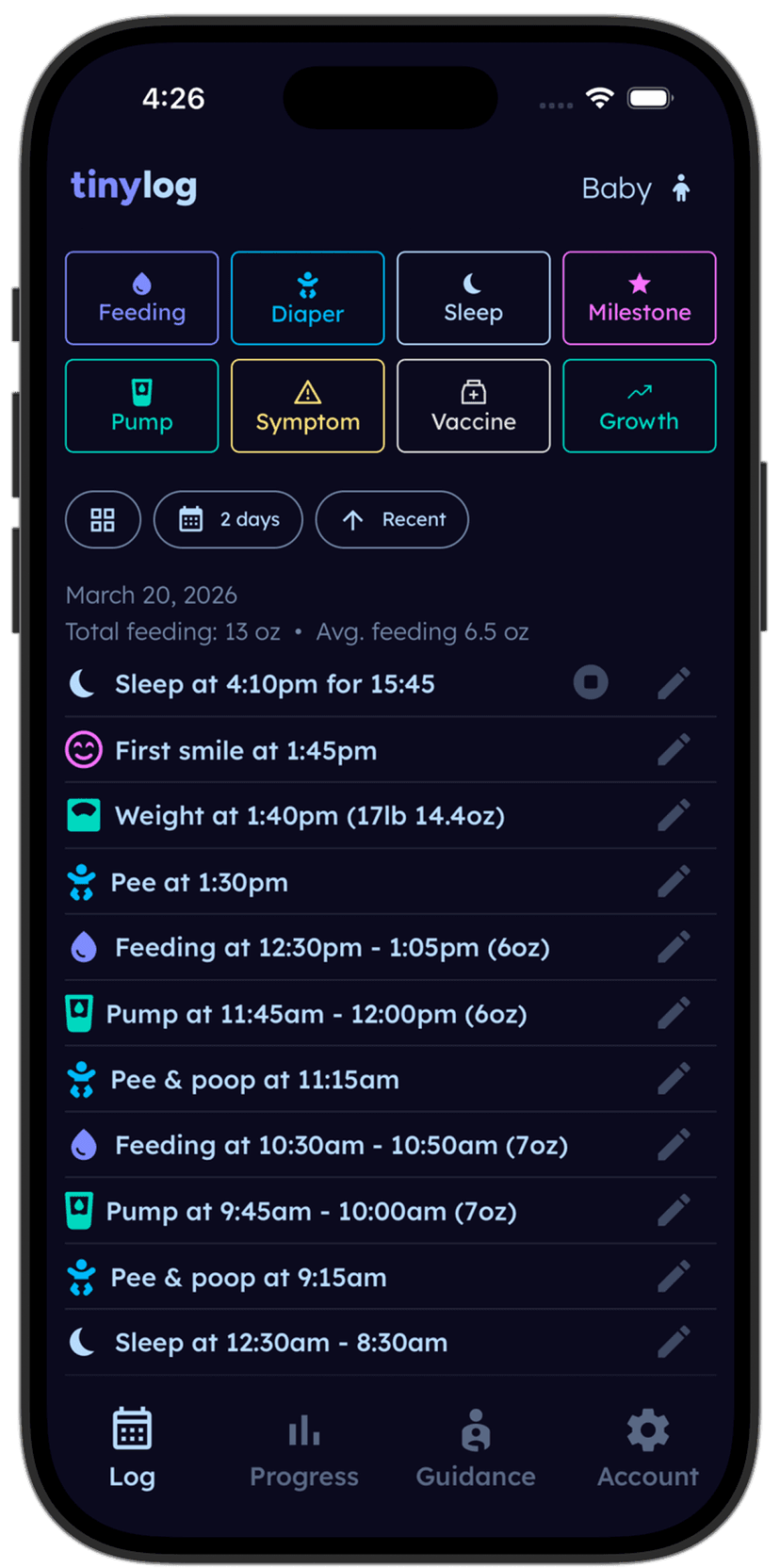
No matter who delivers your baby, Tinylog helps you log feeds, diapers, sleep, and milestones from day one — so the transition from pregnancy to parenthood is one less thing to figure out.


The evidence on midwifery vs. OB-GYN outcomes is clearer than many providers will admit. For low-risk pregnancies, midwife-led care produces equivalent or better outcomes with fewer interventions. The Sandall et al. (2016) Cochrane review, the largest of its kind, confirmed this across 15 trials and nearly 18,000 women.
Midwife-attended births have lower C-section rates (roughly 15% vs. 25-30% for OB-attended births, though this comparison is complicated by case mix). They have lower episiotomy rates, lower rates of epidural use, and higher rates of spontaneous vaginal delivery.
For high-risk pregnancies — including preeclampsia, placenta previa, poorly controlled diabetes, cardiac conditions, and multiples — OB-GYN management is the clear recommendation. The surgical and critical care training that OB-GYNs receive is essential when complications arise. Many midwifery practices work collaboratively with OB-GYNs, creating a team approach that gives patients the best of both models. If you are considering adding a birth doula to your birth team, doulas work well alongside both midwives and OB-GYNs.
Start with your risk profile. If you have a medical condition that makes your pregnancy high-risk, an OB-GYN is the appropriate choice. If your pregnancy is low-risk and you value longer appointments, lower intervention rates, and a physiologic approach to birth, a midwife may be a better fit.
Next, consider what matters most to you in a birth experience. If continuity of care — knowing your provider and having them attend your birth — is a priority, midwifery practices often deliver this more consistently. If you want the reassurance of a surgeon in the room who can respond to any emergency without transferring care, an OB-GYN provides that. Either way, having a clear birth plan helps communicate your preferences to whichever provider you choose.
Finally, be honest about your preferences. Some women feel safest with maximum medical monitoring. Others feel safest with minimal intervention. Neither preference is wrong. The best provider is the one whose approach aligns with your informed preferences and your medical needs.
Whether you choose a midwife or OB, ask about their C-section rate, induction philosophy, and how they handle birth preferences. The individual provider matters more than the credential.
Solo providers offer continuity but may not be available for your birth. Group practices ensure coverage but you may deliver with someone you've never met. Ask how call schedules work.
You might start as low-risk and develop gestational diabetes or preeclampsia. A good midwife will transfer care when needed. A good OB will support low-intervention birth when appropriate. Flexibility matters.
This guide is for informational purposes only and is not a substitute for professional medical advice. Consult your healthcare provider for guidance specific to your situation.