
GUIDE
Owlet Dream Duo 2 vs. CuboAi Gen 3
Published on
Both are premium smart monitors with very different strengths. The Owlet Dream Duo 2 tracks heart rate and oxygen via a wearable sock. The CuboAi Gen 3 uses AI-powered camera detection with no wearable required. Your pick depends on whether you want biometric data or hands-free video intelligence.
Smart baby monitors have split into two camps — wearable health trackers and AI camera systems. The Owlet Dream Duo 2 and CuboAi Gen 3 represent the best of each approach, and they are genuinely different products solving the same problem: helping you sleep while your baby sleeps.
Log naps, night wake-ups, and sleep patterns
Two Monitors, Two Totally Different Approaches
The Owlet Dream Duo 2 and CuboAi Gen 3 both call themselves "smart baby monitors," but they solve the problem from opposite directions.
Owlet straps a tiny sensor to your baby's foot and reads their heart rate and oxygen levels in real time. The camera is the sidekick. CuboAi puts all the intelligence in the camera — using computer vision and AI to detect covered faces, rollovers, and breathing motion without touching your baby at all.
Both work. Neither is a medical device. That second part matters. The Owlet sock tracks wellness data, not clinical data. The CuboAi camera is smart, but it is still a camera. If you have genuine medical concerns about your baby's breathing or oxygen levels, talk to your pediatrician about a pulse oximeter — not a consumer baby monitor.
That said, for the vast majority of healthy babies? These monitors genuinely help parents sleep better. And that is worth something.
| Feature | Owlet Dream Duo 2 | CuboAi Gen 3 | What It Means |
|---|---|---|---|
| Manufacturer | Owlet, Inc. | CuboAi (Yun Yun AI Baby Inc.) | Owlet is a US-based baby tech company. CuboAi is a Taiwanese AI startup backed by pediatric research partnerships. |
| Monitoring approach | Wearable sock sensor + HD camera | AI-powered camera only (no wearable) | Fundamentally different. Owlet puts a sensor on your baby. CuboAi watches from the wall. Both have tradeoffs. |
| Health metrics tracked | Heart rate, blood oxygen (SpO2), skin temperature | Breathing motion, face covered, rollover detection | Owlet tracks biometric vitals directly. CuboAi infers safety through visual AI. Owlet provides more granular health data. |
| Camera resolution | 720p HD (Cam 2) | 1080p HD | CuboAi wins on image clarity, especially in night vision mode. |
| Night vision | Standard IR night vision | Enhanced IR with auto-switch | CuboAi produces a clearer, sharper nighttime image. |
| Alert system | Phone notifications for heart rate, oxygen, and skin temp | Phone notifications for covered face, rollover, crying, and danger zone entry | Different alert philosophies. Owlet alerts on vitals. CuboAi alerts on physical events and hazards. |
| Sleep tracking | Yes — detailed sleep/wake analysis with trends | Yes — AI sleep analytics with sleep score | Both track sleep, but Owlet ties sleep data to biometric readings for richer context. |
| Two-way audio | Yes | Yes | Tie. Both let you talk to your baby through the app. |
| Temperature/humidity sensor | Skin temperature via sock; no room sensor | Built-in room temperature and humidity sensor | CuboAi monitors the nursery environment. Owlet monitors your baby's skin temp. Different but both useful. |
| Subscription required | Optional (extended history and trends) | Optional (video playback and cloud storage) | Tie. Both work well without a subscription. Paid tiers add convenience, not core safety features. |
| Smart home integration | Limited — works with Owlet app only | Works with Alexa and Google Home for live view | CuboAi is more flexible if you use smart displays around the house. |
| Regulatory status | Wellness device (not FDA-cleared as medical device) | Consumer electronics (not FDA-cleared) | Neither is a medical device. Both companies are transparent about this. Do not rely on either as a medical monitor. |
The Wearable Question: Sock vs. No Sock
This is the big fork in the road, and it probably determines your choice before anything else.
The Owlet Dream Sock wraps around your baby's foot and uses pulse oximetry — the same technology hospitals use — to read heart rate and SpO2. You get a live readout on your phone and alerts if levels drop outside normal ranges. For parents of preemies or babies with known health conditions, this data can be deeply reassuring.
The tradeoff: your baby is wearing something. The sock needs charging. It can get kicked off. Some babies fuss about it. And you will eventually need a replacement sock as your baby grows (around $90).
The CuboAi Gen 3 skips the wearable entirely. Its AI algorithms analyze the video feed to detect breathing motion, face covering, and rollover events. Nothing on the baby. Nothing to charge overnight. Nothing to replace as they grow.
The tradeoff: camera-based detection is inherently less precise than direct biometric measurement. A blanket blocking the camera view or unusual sleeping positions can affect accuracy.
Neither approach is perfect. Both are meaningful improvements over a standard video monitor.
Camera Quality: Not Even Close
If you care about the actual video feed — and you will check it at 3 AM more than you think — the CuboAi Gen 3 wins here.
CuboAi shoots in 1080p HD with enhanced infrared night vision. The image is sharp, detailed, and genuinely useful in a dark room. The Owlet Cam 2 shoots in 720p, which is fine but noticeably softer, especially at night.
CuboAi also offers an 18-second automatic video capture of detected events (with the premium plan), so you can review what triggered an alert. The Owlet camera does not offer comparable event playback.
For parents who want to glance at the monitor feed and immediately understand what is happening in the crib, CuboAi delivers the better visual experience.
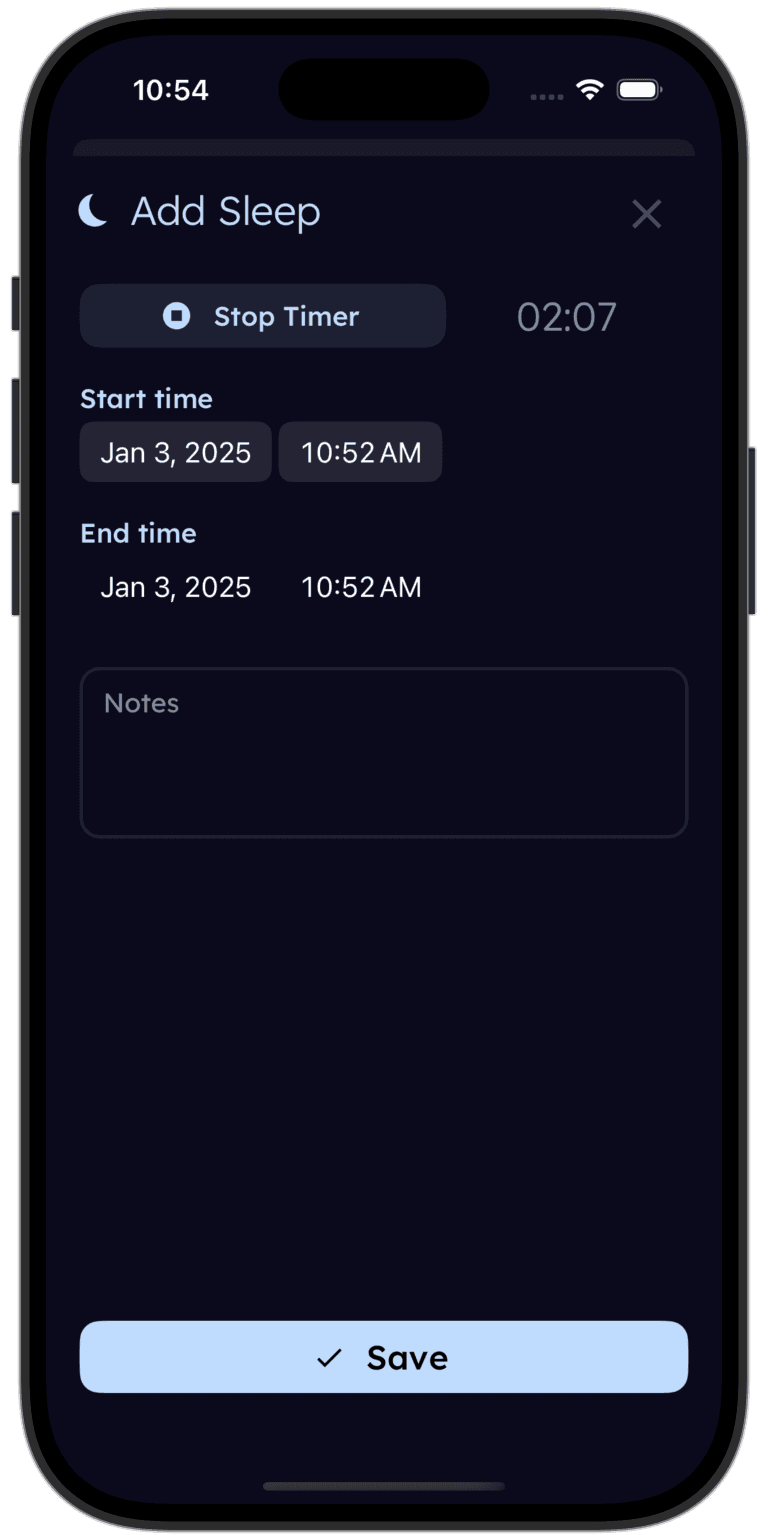
Tinylog tracks sleep so you can spot what's working.
Log naps and night sleep, note wake-ups and self-soothing, track patterns over weeks. See how schedule changes affect your baby's sleep.


Smart Features and Alerts
Both monitors go well beyond simple video streaming, but their intelligence shows up in different ways.
Owlet Dream Duo 2 sends alerts based on biometric thresholds — heart rate too high or low, oxygen saturation dropping, skin temperature changes. The app displays real-time readings and historical trends. You can see how your baby's vitals changed throughout the night.
CuboAi Gen 3 sends alerts based on visual events — baby's face is covered, baby rolled over, baby left the designated safe zone, or crying is detected. It also monitors room temperature and humidity, alerting you if the nursery environment falls outside comfortable ranges.
The Owlet approach gives you data about your baby's body. The CuboAi approach gives you data about what is happening around your baby. Ideally you would want both, but at these price points, most families pick one.
| Product | Typical Price | Purchase Type | Ongoing Cost |
|---|---|---|---|
| Owlet Dream Duo 2 (sock + camera bundle) | $349–$399 | One-time | $0 (or ~$10/mo for premium plan) |
| CuboAi Gen 3 Smart Baby Monitor (camera + stand) | $249–$299 | One-time | $0 (or ~$10/mo for premium plan) |
| Owlet replacement sock (when baby outgrows) | $89–$99 | As needed | N/A |
Price: Owlet Costs More Up Front and Over Time
The CuboAi Gen 3 retails for $249–$299. The Owlet Dream Duo 2 runs $349–$399 — about $100 more for the bundle.
But the real cost difference is ongoing. The Owlet sock sensor fits babies 5–30 lbs. If your baby outgrows the first sock accessory, you are looking at another $89–$99 for a replacement. The CuboAi camera just sits on the wall — no consumables, no replacements.
Both offer optional premium subscriptions around $10/month. Neither subscription is necessary for core monitoring. The Owlet premium unlocks extended sleep history. The CuboAi premium unlocks event video playback and cloud storage.
For budget-conscious parents who still want a smart monitor, CuboAi is the better value. For parents who specifically want biometric tracking, the Owlet premium is the cost of that capability.
Choose Owlet Dream Duo 2 If
- You want real-time heart rate and blood oxygen monitoring while your baby sleeps
- Your baby was premature or has a health condition that makes vitals tracking reassuring
- You prefer biometric data over camera-based detection
- You want sleep tracking tied to actual physiological readings
- Detailed health trend reports are something you'd actually review and share with your pediatrician
Choose CuboAi Gen 3 If
- You do not want any wearable sensor on your baby while they sleep
- Camera clarity and night vision quality matter to you
- You want AI-powered danger zone and covered-face alerts without a wearable
- You use Alexa or Google Home and want to pull up a live view on smart displays
- You have twins or plan to monitor multiple rooms with one app
- Room temperature and humidity monitoring is something you want built in
Where to Buy
If biometric health tracking is your priority, the Owlet Dream Duo 2 ($349–$399) gives you real-time heart rate, oxygen, and skin temperature data that no camera-only monitor can match. The peace of mind from seeing actual vitals on your phone is hard to put a price on — especially for parents of preemies or babies with health concerns.
If you want the smartest camera with zero wearables, the CuboAi Gen 3 ($249–$299) delivers sharper video, better night vision, AI-powered safety alerts, and smart home integration — all without putting anything on your baby. It is also the better choice for multiples or multi-room setups.
Whichever you choose, remember: these are wellness tools, not medical devices. Follow safe sleep guidelines, and talk to your pediatrician if you have concerns about your baby's breathing or oxygen levels.
Tinylog earns a small commission on purchases made through these links, at no cost to you.
Looking for a discount? Try checking promo.new. It doesn't always find what you're looking for, but when it does, it works like a charm.
The Bottom Line
The Owlet Dream Duo 2 and CuboAi Gen 3 are both genuinely good products solving the same core problem from different angles.
Owlet Dream Duo 2 is the right choice if you want biometric health data — heart rate, oxygen, skin temperature — streamed to your phone while your baby sleeps. The wearable sock is the differentiator, and nothing else on the market matches it for real-time vitals tracking.
CuboAi Gen 3 is the right choice if you want a high-quality AI camera system with no wearable, better video resolution, smart home compatibility, and room environment monitoring — all at a lower price point.
For most healthy, full-term babies, the CuboAi Gen 3 offers more value per dollar. For babies with health considerations or parents who find biometric data genuinely calming, the Owlet Dream Duo 2 is worth the premium.
If you are tracking your baby's sleep patterns — and pairing that data with what you see on the monitor can be really useful — Tinylog makes it simple to log sleep and spot trends over time.
Related Guides
- Baby Sleep Safety — AAP guidelines and safe sleep environment tips
- 1-Month-Old Sleep Schedule — What to expect for newborn sleep patterns
- Baby Feeding Chart — How much your baby should eat by age
- 2-Month-Old Sleep Schedule — Sleep needs and sample schedules
Sources
- Owlet.com. "Owlet Dream Duo 2 — Product Information and Specifications." 2026.
- CuboAi.com. "CuboAi Gen 3 Smart Baby Monitor — Features and Specifications." 2026.
- American Academy of Pediatrics. "Safe Sleep Recommendations." HealthyChildren.org, 2025.
- Consumer Reports. "Best Baby Monitors of 2026." consumerreports.org, 2026.
- Wirecutter (NYT). "The Best Baby Monitors." nytimes.com/wirecutter, 2025.
- BabyGearLab. "Owlet Dream Duo 2 Review." babygearlab.com, 2025.
- BabyGearLab. "CuboAi Smart Baby Monitor Review." babygearlab.com, 2025.
This guide is for informational purposes only. Neither the Owlet Dream Duo 2 nor the CuboAi Gen 3 is an FDA-cleared medical device. These are consumer wellness products and should not replace safe sleep practices or medical advice. If you have concerns about your baby's breathing or health, consult your pediatrician.
Frequently asked questions
- Does the Owlet Dream Duo 2 track heart rate and oxygen levels?
- Yes. The Owlet Dream Duo 2 includes a wearable sock sensor that tracks your baby's heart rate and blood oxygen saturation (SpO2) in real time. It sends alerts to your phone if readings fall outside preset ranges. Note that the Owlet sock is a wellness device, not an FDA-cleared medical device.
- Does the CuboAi Gen 3 require a wearable sensor?
- No. The CuboAi Gen 3 uses AI-powered camera analysis to detect covered face, rollover, and breathing motion — all without any wearable. The camera does all the work, which means nothing on your baby's body while they sleep.
- Which monitor has better night vision?
- The CuboAi Gen 3 has superior night vision with its 1080p HD camera and advanced IR sensors. The Owlet Dream Duo 2 camera (the Cam 2) provides decent night vision but at 720p resolution. For parents who check the camera feed frequently at night, CuboAi delivers a noticeably clearer image.
- Do both monitors require a subscription?
- The Owlet Dream Duo 2 requires no subscription for core health tracking features, but offers an optional paid plan for extended history and sleep trends. The CuboAi Gen 3 includes most AI detection features without a subscription, with an optional premium tier for 18-second video event playback and cloud storage.
- Can I use either monitor for twins or multiple children?
- The CuboAi Gen 3 supports multi-camera setups and can track multiple cribs from one app. The Owlet Dream Duo 2 would require separate sock sensors for each child, which adds significant cost. For multiples, CuboAi is the more practical and affordable option.
- Are these monitors safe to use with newborns?
- Both are designed for use from birth. The Owlet sock fits babies 5–30 lbs. The CuboAi camera is completely contactless, so there are no sizing concerns. Neither device is a substitute for safe sleep practices — always follow AAP guidelines for a bare crib with baby on their back.