
GUIDE
RaZbaby RaZberry vs. Chuya Baby Teether Toy
Published on
These teethers serve different purposes. The RaZbaby RaZberry is a simple, medical-grade silicone pacifier-style teether designed for young babies who need gentle gum relief. The Chuya Baby Teether Toy (TV Remote) is a multi-textured, novelty-shaped teether that doubles as a sensory toy for older babies who want something to grab, chew, and explore. Your baby's age and teething stage should drive the decision.
Both teethers are popular on Amazon and in parenting forums, but they target different moments in your baby's teething journey. The RaZberry is built for early teething — soft, lightweight, and easy for tiny hands to hold. The Chuya remote-shaped teether is built for mid-to-late teething — it has multiple textures, buttons to press, and enough visual interest to keep a curious baby occupied. Picking the right one depends on where your baby is developmentally and what kind of relief they actually need.
Log bottles, nursing, and teething notes
Two Teethers — Two Very Different Strategies
The RaZbaby RaZberry and the Chuya Baby Teether Toy both help with teething, but they approach the job from different angles. Understanding those angles saves you from buying the wrong one and watching your baby toss it off the high chair in protest.
The RaZbaby RaZberry is a pacifier-shaped teether made from soft, medical-grade silicone. It looks like a little raspberry, fits in baby's mouth the way a pacifier does, and is designed for young babies who need gentle gum relief. You can freeze it. It weighs almost nothing. For babies in that early 3-to-6-month teething window, it is one of the most popular teethers on the market for a reason.
The Chuya Baby Teether Toy is a silicone TV remote replica covered in chewable buttons, ridges, and textures. It is built for the baby who has already figured out how to grab things, wants to put everything in their mouth, and is especially fixated on whatever you happen to be holding. It is part teether, part sensory toy, and part decoy for the actual remote.
The right pick depends on your baby's age, grip strength, and how much stimulation they need to stay interested in chewing the thing instead of the furniture.
| Feature | RaZbaby RaZberry | Chuya Teether Toy (Remote) | What It Means |
|---|---|---|---|
| Manufacturer | RaZbaby | Chuya | RaZbaby is an established US baby brand. Chuya is a newer brand focused on sensory teething toys. |
| Teether style | Pacifier-shaped berry teether — mimics a pacifier so babies self-soothe naturally | TV remote-shaped novelty teether — designed to look like the remote your baby keeps grabbing | Different philosophies. RaZberry is functional. Chuya is functional and distracting. |
| Material | 100% medical-grade silicone | Food-grade silicone | Both are safe. Medical-grade silicone is a slightly higher standard used in healthcare products. |
| BPA / PVC / phthalate free | Yes — free of BPA, PVC, phthalates, and latex | Yes — free of BPA, PVC, and phthalates | Both meet current safety standards for teething products. |
| Recommended age | 3+ months | 3+ months (realistically best around 6+ months due to size and weight) | RaZberry works earlier. The Chuya remote is easier for older babies to hold and use. |
| Texture variety | Single soft texture — bumpy berry surface for gum massage | Multiple textures — raised buttons, ridges, edges, and nubs across the remote shape | Chuya offers more textural variety. RaZberry keeps things simple and focused. |
| Weight and size | Very lightweight and compact — easy for small hands | Larger and heavier — remote-shaped, roughly 5–6 inches long | RaZberry is better for younger babies with less grip strength. |
| Freezer safe | Yes — designed to be frozen for cold gum relief | Refrigerator-friendly; freezer use not explicitly recommended | RaZberry wins here. Frozen teethers provide real relief during tough teething episodes. |
| Sensory engagement | Low to moderate — focused on teething relief, not play | High — bright colors, button shapes, and varied textures keep baby interested | Chuya doubles as a sensory toy. RaZberry is a dedicated teether. |
| Cleaning | Dishwasher safe (top rack); boil or steam sterilize | Hand wash with warm soapy water; boil to sterilize | RaZberry is slightly easier to clean thanks to dishwasher compatibility. |
| Keeps baby's attention | Moderate — babies like the berry shape but may drop it frequently | High — the remote shape is inherently interesting to babies who see parents using remotes | Chuya wins on entertainment value. Babies are weirdly obsessed with remotes. |
Material and Safety: What Is Your Baby Actually Chewing On?
Both teethers are free of BPA, PVC, and phthalates, which is table stakes for any teether sold in 2026. The difference is in the grade of silicone.
RaZbaby uses medical-grade silicone. This is the same class of silicone used in medical devices and implants. It meets stricter purity and biocompatibility standards than food-grade silicone. For a product that spends hours in your baby's mouth, that distinction is reassuring.
Chuya uses food-grade silicone. This is safe, non-toxic, and approved for contact with food. It is the standard material for silicone teethers, bibs, and baby feeding products. There is nothing wrong with food-grade silicone. It is just a step below the medical-grade classification.
Both are perfectly safe for teething. If material purity is your top concern, the RaZberry has the slight edge. In practice, the difference is small enough that it should not be the deciding factor on its own.
Design: Pacifier Shape vs. Remote Shape
This is where the two teethers really diverge.
The RaZberry is shaped like a pacifier with a bumpy berry on the end. The design is intentional — babies who are used to pacifiers instinctively know how to use it. They bring it to their mouth, latch onto the textured berry surface, and chew. The bumpy texture massages sore gums, and the pacifier-style shield helps keep baby from shoving it too far back. It is small, lightweight, and fits in a diaper bag pocket without taking up space.
The Chuya remote teether is shaped like a standard TV remote — roughly 5 to 6 inches long, flat, with raised silicone buttons that babies can press and gnaw on. The buttons provide different textures at different spots. The top edge has ridges for front-tooth chewing. The sides have smooth curves for gripping. The overall shape gives baby multiple chewing angles, which is helpful when molars are coming in and they need to reach different parts of their gums.
The remote shape also serves a psychological purpose that any parent will appreciate: your baby wants the remote. All babies want the remote. Giving them a safe, chewable version means fewer battles over the actual one and fewer times you have to fish the real remote out of a drooly puddle.
For younger babies (3 to 5 months), the RaZberry's compact size is a better fit. For older babies (6 to 12 months) with more advanced grip and a growing interest in objects around them, the Chuya remote is more engaging.
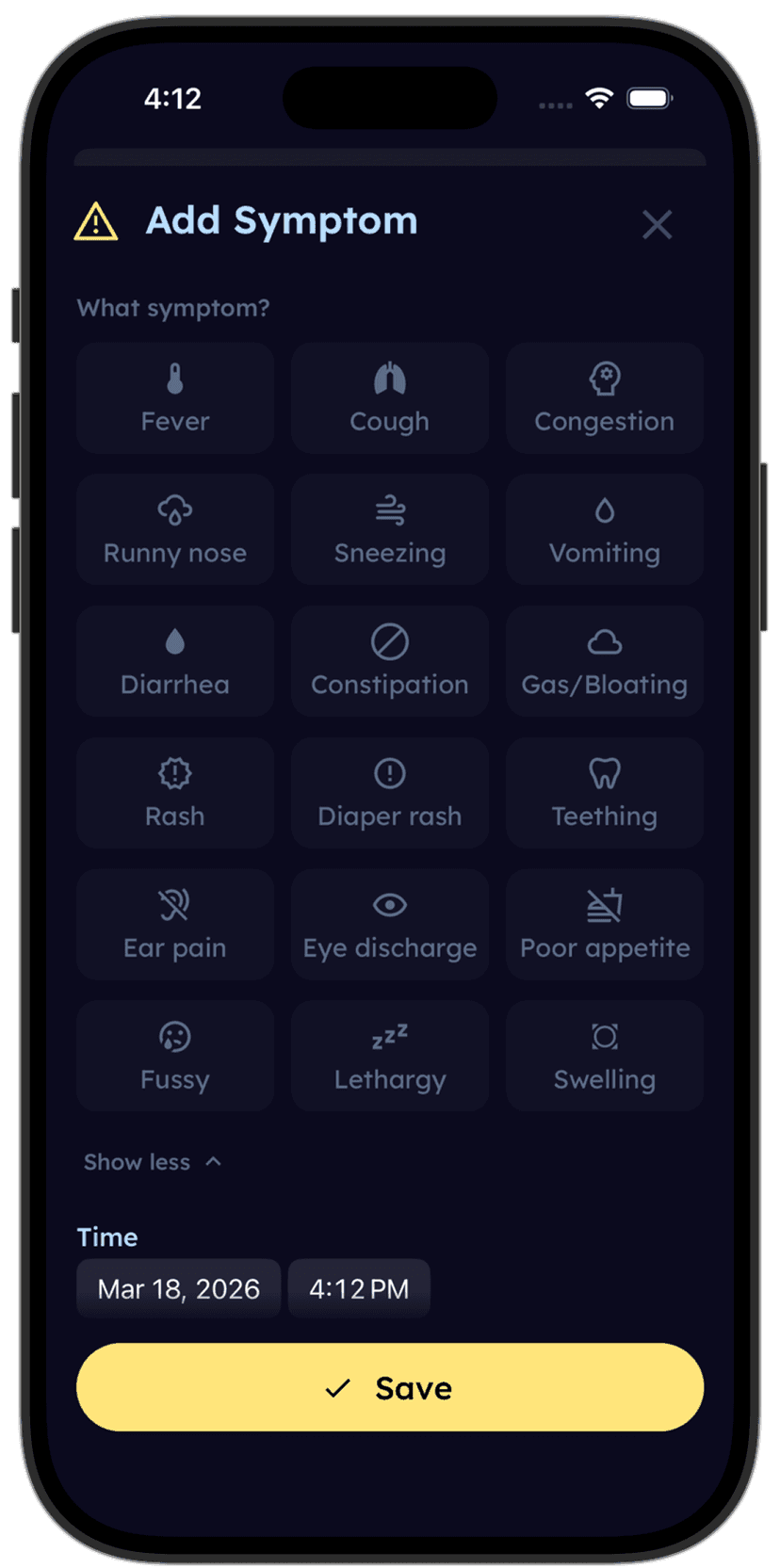
Tinylog tracks feedings so you can spot patterns.
Log breast and bottle feeds, note teething fussiness, and track sleep changes during teething phases. See patterns over days and weeks.


Cold Relief: The Freezer Factor
Cold pressure on sore gums is one of the most reliable ways to soothe a teething baby. Not every teether handles cold well.
The RaZbaby RaZberry is specifically designed to be frozen. Pop it in the freezer for an hour or two, hand it to your baby, and the cold silicone provides immediate numbing relief on inflamed gums. The berry texture holds the cold nicely, and babies tend to chew on it longer when it is cold. RaZbaby markets this feature prominently, and parents consistently mention it as one of the main reasons they chose this teether.
The Chuya remote teether can be refrigerated for mild cooling, but it is not marketed as freezer-safe. The larger size and flat shape mean it takes longer to cool down and may not retain cold as effectively as the denser, smaller RaZberry. You can certainly chill it in the fridge, and some parents do freeze it without issues — but it is not what the product is designed for.
If cold relief is a priority for you, the RaZberry is the stronger choice. If your baby is more interested in chewing and sensory play than cold pressure, the Chuya remote holds its own.
Keeping Baby's Attention: Teething Relief vs. Toy
Here is the part that matters during a long afternoon of teething fussiness: will your baby actually keep using it?
The RaZberry is focused. It does one thing well — provides a soft surface for baby to gnaw on. The berry texture is satisfying, and the pacifier shape is familiar. But it does not have a lot of visual or tactile variety. Some babies get bored and drop it after a few minutes, especially once the cold fades (if you froze it). Having a backup in the diaper bag is a good idea.
The Chuya remote teether is more engaging. The bright colors, variety of button shapes, different textures, and the familiar remote shape all keep baby interested longer. It is the kind of teether that babies carry around, explore, flip over, and gnaw on from different angles. For babies who need distraction along with relief, the remote shape delivers.
Neither teether is objectively better here — it depends on whether your baby wants focused chewing or multi-sensory stimulation. Many parents end up keeping both in rotation. The RaZberry comes out when baby needs serious gum relief. The Chuya remote comes out when baby needs to be occupied and soothed at the same time.
| Product | Typical Price | Cost Per Unit | Notes |
|---|---|---|---|
| RaZbaby RaZberry Teether (single) | $5–$8 | ~$5–$8 | Often available in multi-packs or bundled with a pacifier clip |
| RaZbaby RaZberry Teether (2-pack) | $9–$13 | ~$4.50–$6.50 | Best value; nice to have a backup in the diaper bag |
| Chuya Baby Teether Toy — TV Remote (single) | $8–$12 | ~$8–$12 | Sometimes bundled with other Chuya teether shapes |
Price: Both Are Affordable
Neither teether will strain the baby gear budget. The RaZbaby RaZberry runs about $5 to $8 for a single teether and drops below $5 each if you buy a 2-pack. The Chuya remote teether is a few dollars more at $8 to $12, which is still reasonable for a teether that doubles as a toy.
The RaZberry is cheaper, and you might want two — one for the freezer and one for the diaper bag. The Chuya remote is a bit more but provides more entertainment value per dollar if your baby is at the right age to enjoy it.
Most families find it is worth having both. At a combined cost of roughly $15 to $20, you get a freezer-friendly pacifier teether for early teething and a multi-texture sensory teether for later teething. That covers a lot of ground for not a lot of money.
Choose the RaZbaby RaZberry If
- Your baby is under 6 months and just starting to teeth
- You want a lightweight teether that tiny hands can actually hold
- Your baby already takes a pacifier and likes that shape
- You want something you can freeze for cold gum relief
- You prefer a simple, no-frills teether made from medical-grade silicone
Choose the Chuya Baby Teether Toy If
- Your baby is 6+ months and wants to chew on everything in sight
- Your baby keeps stealing the TV remote (and you are tired of sanitizing it)
- You want a teether that doubles as a sensory toy to keep baby entertained
- Your baby is teething in multiple spots and benefits from varied textures
- You want something bigger that is harder for baby to fling across the room
- You like the idea of a teether that looks fun and makes a great gift
Where to Buy
For early teething relief, the RaZbaby RaZberry Teether (~$5–$8) is a parent favorite for good reason. Medical-grade silicone, freezer-safe, lightweight, and shaped like a pacifier so young babies instinctively know what to do with it. Grab a 2-pack so you always have one in the freezer and one in the bag.
For older babies who want stimulation along with relief, the Chuya Baby Teether Toy (~$8–$12) is a clever choice. The remote shape keeps baby interested, the varied textures hit different parts of sore gums, and it doubles as a sensory toy that buys you a few minutes of peace. It also makes a great baby shower gift that always gets a laugh.
Our honest suggestion: if your baby is between 3 and 5 months, start with the RaZberry. If they are 6 months or older and bored with basic teethers, the Chuya remote is worth trying. If your budget allows, grab both — they cover different stages and different moods, and together they cost less than a single restaurant meal.
Tinylog earns a small commission on purchases made through these links, at no cost to you.
We've found promo.new handy for finding discounts on baby gear. Doesn't always have what you need, but it's worth a shot.
The Bottom Line
The RaZbaby RaZberry and the Chuya Baby Teether Toy are both solid teethers, but they are built for different babies at different stages.
The RaZbaby RaZberry is the better teether for young babies (3 to 6 months) who need straightforward gum relief. It is soft, freezable, lightweight, and made from medical-grade silicone. The pacifier shape makes it intuitive for babies who are still developing their grip. If your baby is in the thick of early teething and you want one reliable teether to reach for, this is it.
The Chuya Baby Teether Toy (TV Remote) is the better teether for older babies (6 to 12 months) who need something more engaging. The variety of textures, the fun remote shape, and the sensory stimulation keep baby interested longer. It works well for mid-to-late teething when your baby wants to explore, grab, and chew on things that look like what the adults are using.
There is no wrong answer here. Both are affordable, safe, and well-reviewed. Many parents find that the RaZberry handles the early months and the Chuya remote takes over once baby outgrows the pacifier-style teether. Together, they make a solid teething toolkit.
If you are tracking your baby's feeding patterns during teething — and it helps to notice changes in appetite and fussiness — Tinylog makes it simple to log feeds, note symptoms, and bring organized data to your next pediatrician visit.
Related Guides
- Baby's First Dentist Visit — When to go and what to expect
- Are Teething Gels Safe? — What the AAP and FDA say about numbing gels
- Amber Teething Necklaces — Do they work? Are they safe?
- Baby Feeding Chart — How much your baby should eat by age
- Teething vs. Ear Infection — How to tell the difference
Sources
- RaZbaby. "RaZberry Teether — Product Information." razbaby.com. 2026.
- American Academy of Pediatrics. "Teething: 4 to 7 Months." healthychildren.org. 2025.
- FDA. "Safely Soothing Teething Pain and Sensory Needs in Babies and Older Children." fda.gov. 2024.
- American Academy of Pediatric Dentistry. "Teething Information for Parents." aapd.org. 2025.
- Consumer Product Safety Commission. "CPSC Safety Standards for Infant Teethers." cpsc.gov. 2025.
This guide is for informational purposes only and does not constitute medical advice. Every baby's teething experience is different. If your baby has persistent pain, fever, or feeding difficulties during teething, consult your pediatrician or pediatric dentist.
Frequently asked questions
- Is the RaZbaby RaZberry safe for newborns?
- The RaZberry is designed for babies 3 months and older. It is made from 100% medical-grade silicone, is BPA-free, and has no small parts that could pose a choking hazard. Always supervise your baby during use and inspect the teether regularly for signs of wear or damage.
- Can the Chuya Baby Teether Toy go in the dishwasher?
- The Chuya remote teether is made from food-grade silicone and can be cleaned with warm soapy water or sterilized in boiling water. Check the manufacturer's instructions, but most parents find hand-washing is the easiest approach. Dishwasher use is not explicitly recommended by the brand.
- Which teether is better for a 4-month-old?
- For a 4-month-old, the RaZbaby RaZberry is usually the better fit. It is lighter, softer, and shaped like a pacifier so young babies can hold it and bring it to their mouths without much coordination. The Chuya remote teether is bulkier and better suited for babies 6 months and older who have stronger grip and more advanced motor skills.
- Can you freeze the RaZbaby RaZberry teether?
- Yes. RaZbaby designed the RaZberry to be placed in the freezer. The silicone holds cold well and provides soothing relief on sore gums. The Chuya teether can be refrigerated but is not specifically marketed as freezer-safe.
- Does the Chuya remote teether make noise?
- No. The Chuya Baby Teether Toy looks like a TV remote but does not have batteries, electronics, or sound. The buttons are soft, chewable silicone nubs that provide tactile stimulation. It is purely a teething and sensory toy.
- Are both teethers BPA-free?
- Yes. Both the RaZbaby RaZberry and the Chuya Baby Teether Toy are BPA-free. The RaZberry uses medical-grade silicone, and the Chuya teether uses food-grade silicone. Neither contains PVC, phthalates, or latex.