
GUIDE
Snoo Smart Sleeper vs. HALO BassiNest Swivel Sleeper 3.0
Published on
These bassinets serve the same purpose but take radically different approaches. The Snoo is a responsive smart bassinet that detects fussing and automatically rocks and shushes your baby back to sleep. The HALO BassiNest is a well-designed traditional bedside sleeper that swivels toward you for easy nighttime access. The Snoo costs 5x more. Whether that premium buys enough extra sleep depends on your baby, your budget, and your tolerance for 3 AM wake-ups.
The Snoo Smart Sleeper by Happiest Baby and the HALO BassiNest Swivel Sleeper 3.0 are two of the most popular bassinets on the market — but they occupy completely different categories. One is a technology-driven sleep assistant. The other is a thoughtfully engineered bedside sleeper. Comparing them means weighing automation against simplicity, and a significant price gap against potential hours of reclaimed sleep.
Log naps, nighttime sleep, and wake-ups
A Smart Bassinet vs. a Smart Design — Two Different Philosophies
The Snoo Smart Sleeper and the HALO BassiNest Swivel Sleeper 3.0 both sit next to your bed and give your newborn a safe place to sleep. That is where the similarities end.
The Snoo is a technology product. It has microphones that detect your baby's cries, motors that rock the bassinet, speakers that play white noise, and an app that tracks every minute of sleep. When your baby fusses at 3 AM, the Snoo responds automatically — increasing motion and sound through four escalating levels. If it works for your baby, you stay in bed while the bassinet handles the soothing. If your baby needs you (hunger, diaper, genuine distress), the Snoo alerts you that it could not settle them.
The HALO BassiNest is an engineering product. No motors, no microphones, no app. Instead, it has a 360-degree swivel base and a sidewall that lowers with one hand, bringing your baby right to your bedside. When your baby fusses at 3 AM, you reach over, lower the wall, and pick them up. The 3.0 model adds a modest soothing center with vibration, a nightlight, and lullabies — but this is a convenience feature, not a sleep automation system.
The real question is not which bassinet is "better." It is whether automated soothing is worth $1,300+ more to your family — and whether your particular baby responds to it.
| Feature | Snoo Smart Sleeper | HALO BassiNest 3.0 | What It Means |
|---|---|---|---|
| Manufacturer | Happiest Baby (Dr. Harvey Karp) | HALO Innovations | Both are reputable. Happiest Baby is a tech-forward startup. HALO has decades of safe-sleep expertise. |
| Type | Smart bassinet with automated rocking, white noise, and cry detection | Traditional bedside sleeper with 360° swivel and lowering sidewall | Fundamentally different products. The Snoo automates soothing. The HALO optimizes bedside access. |
| Responsive soothing | Built-in microphone detects fussing; automatically increases rocking and white noise through 4 levels | None — parent soothes manually | The Snoo's biggest advantage. It handles mild wake-ups without you getting out of bed. |
| Motion | Gentle rocking (jiggly, not swinging) that escalates with fussing; customizable intensity | No motorized motion; manual rocking only | Snoo wins. Many babies sleep longer with gentle, continuous motion. |
| White noise | Built-in white noise that adjusts volume based on baby's fussing level | Soothing center with vibration, nightlight, and lullabies (3.0 model) | Snoo's adaptive white noise is more effective. HALO's soothing features are basic but functional. |
| Bedside access | Standard — pick baby up from the top | 360° swivel + lowering sidewall brings baby right to your bedside | HALO wins. The swivel and drop-down wall make nighttime pickups and nursing noticeably easier. |
| Sleep tracking | Built-in sleep tracking via app — logs sleep duration, wake-ups, and soothing levels automatically | No built-in tracking | Snoo's automatic sleep data is genuinely useful for spotting patterns and sharing with your pediatrician. |
| Swaddling | Proprietary Snoo Sack with wing clips that secure baby to the bassinet (prevents rolling) | Works with any swaddle or sleep sack | Snoo's system adds safety but locks you into buying their swaddle sacks. HALO offers more flexibility. |
| Safety certifications | ASTM bassinet standard + FDA De Novo authorization as a medical device (2023) | ASTM bassinet standard + JPMA certified | Both meet safety standards. The Snoo's FDA authorization is unique and noteworthy. |
| Weight limit | 25 lbs | 20 lbs | The Snoo accommodates slightly larger babies, though most transition to a crib by 5–6 months regardless. |
| Portability | Heavy (~38 lbs), not designed to move between rooms | Lighter (~25 lbs with base), easier to reposition | Neither is truly portable, but the HALO is easier to move if needed. |
| Price | ~$1,695 to buy; ~$159/month to rent | ~$280–$380 depending on model | The HALO costs a fraction of the Snoo. Renting the Snoo narrows the gap significantly. |
The Automation Question: Does the Snoo Actually Help Babies Sleep?
This is the question every tired parent wants answered honestly.
Yes, for many babies, the Snoo genuinely helps. The combination of motion, white noise, and snug swaddling mimics the womb environment. Happiest Baby's own data (collected from Snoo app users) suggests babies in the Snoo sleep about 1–2 hours more per night on average and fall back to sleep faster after wake-ups.
But "on average" does important work in that sentence. Some babies take to the Snoo immediately and sleep dramatically better. Other babies fight the motion, dislike the proprietary swaddle sack, or simply do not respond to automated soothing. There is no way to predict which camp your baby will fall into before they arrive.
The HALO BassiNest makes no claims about improving sleep duration. It is a safe, comfortable place for your baby to sleep with excellent bedside access. Any soothing happens the old-fashioned way — your hands, your voice, your presence. For babies who sleep reasonably well with standard nighttime parenting, this is all you need.
The honest call: If you are considering the Snoo, rent it first. A month of rental ($159) tells you whether your baby responds to it. That is a much better plan than dropping $1,695 on a product that might collect dust in the nursery.
Bedside Access: Where the HALO Shines
The HALO BassiNest's defining feature is its swivel-and-lower design, and it genuinely changes nighttime feeding.
The bassinet rotates 360 degrees on its base, so you can position it directly over the edge of your bed. Then the sidewall lowers with one hand, bringing baby within arm's reach without getting up. For breastfeeding parents, this means you can lift baby out, nurse in bed, and return them to the bassinet — all without fully waking up or putting your feet on the floor.
The Snoo does not have this feature. You pick baby up from the top like any standard bassinet. For nighttime feeding, that means sitting up, leaning over, lifting baby over the side, feeding, then reversing the process. It works fine, but the HALO's design is meaningfully more convenient for the 6–10 nighttime feeds a newborn requires.
If you are exclusively breastfeeding and nighttime access is your top priority, the HALO BassiNest is hard to beat regardless of price.
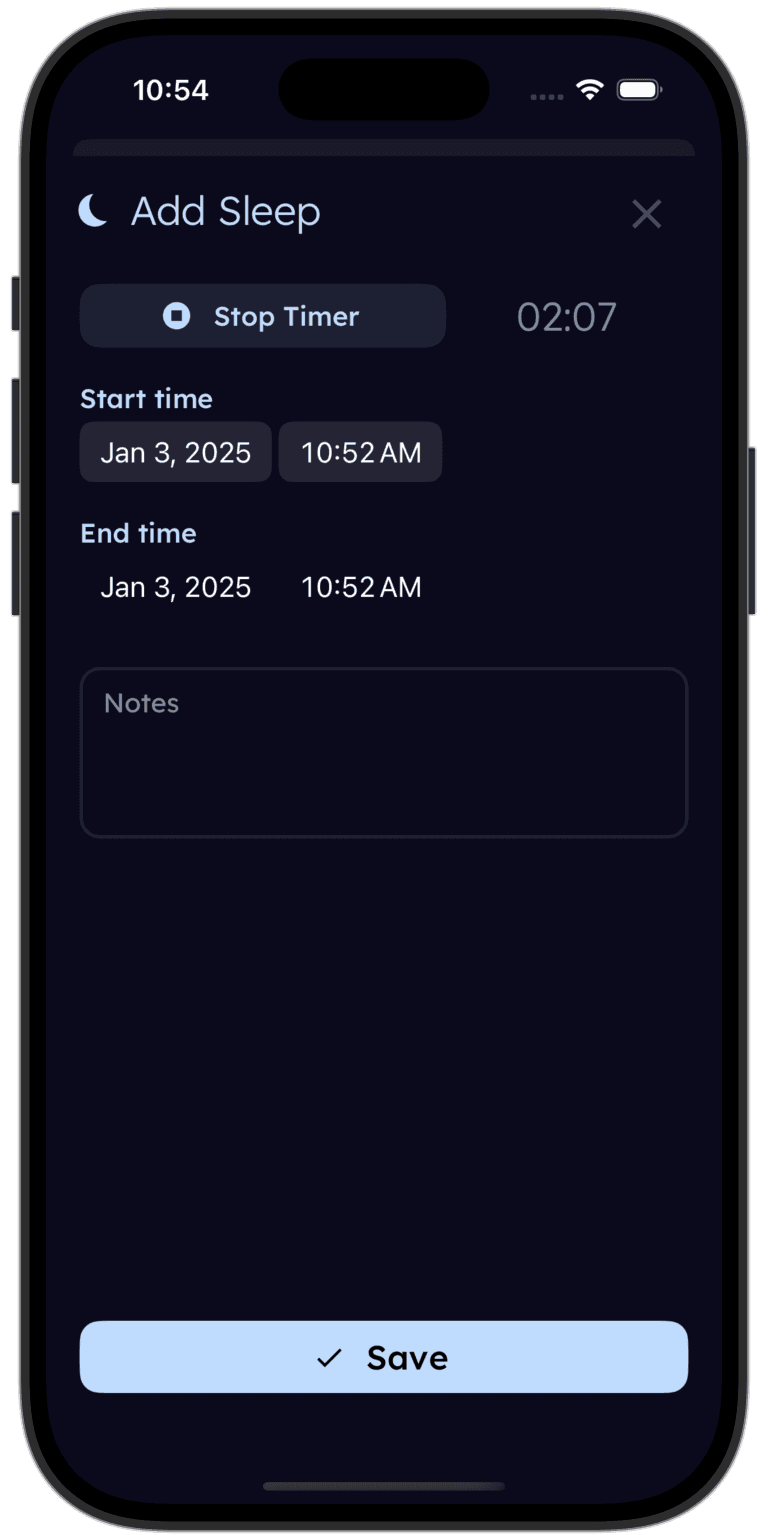
Tinylog tracks sleep so you can spot what works.
Log naps, nighttime sleep, wake-ups, and soothing methods. See sleep patterns over days and weeks. Bring the data to your next pediatrician visit.


The Swaddle Situation
The Snoo requires its proprietary Snoo Sack — a specially designed sleep sack with wing clips that attach to the bassinet. These clips keep your baby centered and on their back, which is a genuine safety feature (it prevents rolling). But it also means you cannot use any other swaddle or sleep sack in the Snoo. Extra Snoo Sacks cost around $36 each, and you will want at least 2–3 in rotation for laundry purposes.
The HALO BassiNest works with any swaddle, sleep sack, or wearable blanket you prefer. You can use the HALO SleepSack (the same company makes both products), a Love to Dream, a Kyte Baby sack, or whatever your baby likes best.
This matters more than it sounds. Some babies have strong preferences about what they wear to sleep. With the Snoo, your options are limited to one design. With the HALO BassiNest, you can experiment freely.
Safety: Both Are Safe, But Different Credentials
Both bassinets meet the ASTM International voluntary safety standard for bassinets (ASTM F2194). Both are designed for back sleeping on a firm, flat surface.
The Snoo has an additional credential: in 2023, it received FDA De Novo authorization as a medical device designed to help keep babies on their backs during sleep. This makes it the first and only infant bed to receive FDA authorization. The built-in swaddle clips physically prevent rolling, which addresses one of the risk factors for SIDS.
The HALO BassiNest is JPMA certified (Juvenile Products Manufacturers Association), which means it has been independently tested against ASTM safety standards. HALO Innovations is also a longtime partner of safe-sleep education initiatives.
Both are safe choices. The Snoo's FDA authorization is meaningful if the anti-rolling feature matters to you. But the HALO BassiNest meets every applicable safety standard and has been trusted by hospitals and parents for years.
| Product | Typical Price | Monthly Equivalent | Notes |
|---|---|---|---|
| Snoo Smart Sleeper (purchase) | $1,695 | ~$280/mo over 6 months of use | Includes one Snoo Sack; additional sacks ~$36 each |
| Snoo Smart Sleeper (rental) | $159/month | $159/mo | Official rental through Happiest Baby; cancel anytime |
| Snoo Smart Sleeper (used/resale) | $800–$1,200 | ~$130–$200/mo over 6 months | Strong resale market; check serial number for warranty transfer |
| HALO BassiNest Swivel Sleeper 3.0 | $280–$380 | ~$47–$63/mo over 6 months | Price varies by fabric and retailer; no ongoing costs |
Cost: The Elephant in the Nursery
There is no getting around this: the Snoo costs roughly $1,695 new. The HALO BassiNest costs roughly $280–$380. That is a gap of over $1,300.
Three ways to close the gap:
- Rent the Snoo. At ~$159/month for 5 months, you spend ~$795 — still more than the HALO, but significantly less than buying. And you can cancel if it does not work for your baby.
- Buy used. The Snoo has a strong resale market. Used units typically sell for $800–$1,200 depending on condition. You can also resell it when you are done, recovering much of the cost.
- Think in hourly terms. If the Snoo gives you 1.5 extra hours of sleep per night for 150 nights, that is 225 hours of sleep. At $1,695, that works out to about $7.50 per hour of reclaimed sleep. Whether that math works for you is personal.
The HALO BassiNest has no hidden costs. You buy it, set it up, and use it. No subscription, no proprietary accessories (beyond optional sheets), and no app required.
For families on a budget, the HALO BassiNest delivers a well-designed, safe bassinet at a reasonable price. The Snoo is a luxury item that some families find transformative and others find unnecessary.
Choose the Snoo Smart Sleeper If
- You are severely sleep-deprived and willing to invest in anything that buys more rest
- Your baby wakes frequently at night and responds well to motion and white noise
- You want automatic soothing for mild fussing so you do not have to get up every time
- You like the idea of built-in sleep tracking and data you can share with your pediatrician
- You can rent first to test whether it works for your baby before committing to the full price
- You value the FDA-authorized safety design, including the anti-rolling swaddle system
Choose the HALO BassiNest If
- You want a quality bedside bassinet without spending over a thousand dollars
- Easy nighttime access matters most — you breastfeed in bed and want baby within arm's reach
- You prefer simplicity with no app, no Wi-Fi setup, and no proprietary swaddle sacks
- Your baby sleeps reasonably well with standard soothing and does not need automated rocking
- You want to use your own swaddles and sleep sacks rather than a proprietary system
- You are a light sleeper and prefer a bassinet without motor noise
Where to Buy
If you want automated soothing and are willing to invest in sleep, the Snoo Smart Sleeper (~$1,695 to buy, ~$159/month to rent) is the most advanced bassinet on the market. The responsive rocking, adaptive white noise, and built-in sleep tracking genuinely help many families get more rest. Rent it first if you want to test whether your baby responds before committing to the full price.
If you want a well-designed bedside bassinet with excellent nighttime access at a reasonable price, the HALO BassiNest (~$280–$380) is a proven choice. The 360-degree swivel and lowering sidewall make nighttime feedings and pickups easier than any other bassinet design. It does everything a bassinet needs to do — safely and simply.
Our honest take: if budget is not a constraint, rent the Snoo for a month and see what happens. If it transforms your nights, keep it. If your baby sleeps fine without the automation, return it and use the HALO. There is no wrong answer here — only what works for your baby.
Tinylog earns a small commission on purchases made through these links, at no cost to you.
Tip: check promo.new before purchasing. It's hit or miss depending on the product, but when it hits, you'll be glad you checked.
The Bottom Line
The Snoo Smart Sleeper and HALO BassiNest Swivel Sleeper 3.0 are both excellent products that solve different problems.
The Snoo wins on automated soothing, sleep tracking, and the potential to give exhausted parents more rest without getting out of bed. It is the bassinet to consider when sleep deprivation is severe and you want technology working on your behalf. The cost is significant, but rental and resale options make it more accessible.
The HALO BassiNest wins on bedside access, simplicity, swaddle flexibility, and value. It is the bassinet to choose when you want a safe, well-designed sleep space with the best nighttime ergonomics available — without the price tag, the app, or the learning curve.
For most families, here is the honest framework: How bad is your sleep situation, and what is your budget? If you are desperate for sleep and can afford it (or rent it), the Snoo is worth trying. If your baby sleeps reasonably well with normal soothing, the HALO BassiNest does everything you need at a price that will not keep you up at night.
And whichever bassinet you choose, tracking your baby's sleep patterns helps you understand what is working. Tinylog makes it easy to log sleep, note wake-ups, and share the data with your pediatrician.
Related Guides
- Newborn Sleep — What to expect in the first weeks
- 1-Month-Old Sleep Schedule — How much sleep your newborn needs
- Baby Fighting Sleep — Why it happens and what to do
- White Noise vs. Pink Noise vs. Brown Noise — Which sound helps babies sleep best
- Safe Sleep Guidelines — AAP recommendations for infant sleep safety
Sources
- Happiest Baby. "Snoo Smart Sleeper — How It Works." happiestbaby.com. 2026.
- HALO Innovations. "BassiNest Swivel Sleeper 3.0 — Product Information." halosleep.com. 2026.
- U.S. Food and Drug Administration. "FDA Authorizes First Medical Device to Help Reduce the Risk of Injury or Death Associated with Unsafe Infant Sleep Positioning." fda.gov. 2023.
- American Academy of Pediatrics. "Safe Sleep Recommendations." healthychildren.org. 2025.
- Wirecutter (NYT). "The Best Bassinets." nytimes.com/wirecutter, 2025.
- Babylist. "Snoo Review: Is It Worth the Price?" babylist.com. 2025.
- What to Expect. "Best Bassinets of 2026." whattoexpect.com. 2026.
This guide is for informational purposes only. Bassinet choice depends on your family's sleep situation, budget, and preferences. Always follow the AAP's safe sleep guidelines regardless of which bassinet you choose. If your baby has persistent sleep difficulties, consult your pediatrician.
Frequently asked questions
- Is the Snoo worth the price over the HALO BassiNest?
- It depends on your situation. If your baby is a frequent nighttime waker and you are severely sleep-deprived, the Snoo's automatic soothing can genuinely reclaim hours of sleep per night. If your baby sleeps reasonably well with standard soothing, the HALO BassiNest does everything you need at a fraction of the cost. Renting the Snoo for a month before committing is a smart way to test whether the investment pays off for your family.
- Can the Snoo replace me soothing my baby at night?
- Not entirely. The Snoo handles light fussing and mild wake-ups well — it detects crying and responds with increasing levels of motion and white noise. But for hunger cries, diaper changes, and genuine distress, you still need to get up. Most parents report the Snoo reduces nighttime interventions, not eliminates them.
- Does the HALO BassiNest swivel actually help with nighttime feedings?
- Yes. The 360-degree swivel and lowering sidewall let you pull the bassinet right next to your bed and reach your baby without getting up. For breastfeeding parents especially, this design means you can lift baby out, nurse in bed, and return them to the bassinet with minimal disruption. It is one of the BassiNest's strongest features.
- Is the Snoo safe for newborn sleep?
- Yes. The Snoo meets all ASTM bassinet safety standards and received FDA authorization as a medical device for infant sleep safety in 2023. Its built-in swaddle clips prevent rolling, and the motion stays within safe parameters. The AAP still recommends a flat, firm, bare sleep surface — and the Snoo's sleep sack system is designed to meet that standard while adding responsive motion.
- Can I rent the Snoo instead of buying it?
- Yes. Happiest Baby offers an official rental program starting around $159 per month (prices vary). This is a popular option since most babies use a bassinet for only 5–6 months. Renting for 4–5 months costs significantly less than buying, and lets you test whether the Snoo works for your baby before committing.
- How long can a baby use each bassinet?
- Both bassinets are designed for use from birth until approximately 5–6 months, or until your baby can push up on hands and knees, whichever comes first. The Snoo has a 25-lb weight limit, and the HALO BassiNest has a 20-lb weight limit. Most babies transition to a crib between 4 and 6 months regardless of weight.