GUIDE

Teething Toys

The best teething toys are simple: firm, safe to chew, easy to grip, and able to be refrigerated. Skip anything with liquid filling, small parts, or dubious materials.

The teething toy aisle is overwhelming. Here is how to choose wisely — what actually helps, what safety features matter, and what your baby actually needs (spoiler: it is less than you think).

What Makes a Teething Toy Effective

A teething toy does one thing: it gives your baby something safe to bite on. The mechanism is simple — counter-pressure on sore gums activates mechanoreceptors that help modulate pain. Cold temperature adds an anti-inflammatory effect. That is it. The toy does not need to vibrate, play music, light up, or cost thirty dollars. It needs to be safe to chew on, easy to grip, and ideally able to be refrigerated.

The teething toy market, like much of the baby product industry, has taken this simple need and turned it into an overwhelming array of options. Silicone teethers shaped like every animal in the zoo. Wooden rings with organic finishes. Rubber giraffes. Vibrating teethers. Frozen teethers. Teethers that are also rattles, also mirrors, also developmental toys.

Your baby does not care about any of that. They care about whether the thing provides relief when they bite on it. Here is how to choose wisely and skip the noise.

What to Look For in a Teething Toy
Material
What's GoodFood-grade silicone, medical-grade silicone, natural rubber (latex-free options available), untreated hardwood
What to AvoidPVC, BPA-containing plastics, painted surfaces, soft plastics with phthalates
Construction
What's GoodSolid (no liquid or gel filling), one-piece design or securely joined parts
What to AvoidLiquid-filled rings (can leak), detachable small parts, anything that could break into pieces
Size and shape
What's GoodEasy for baby to grip with small hands, reaches the gums (including back gums for molar teething), cannot be fully inserted into the mouth
What to AvoidToo small (choking hazard), too large for baby to hold, does not reach where the baby needs relief
Texture
What's GoodVaried textures — bumps, ridges, and different surfaces provide stimulation and counter-pressure
What to AvoidCompletely smooth (less effective), sharp edges or points
Temperature
What's GoodCan be refrigerated for cold relief, returns to room temperature safely
What to AvoidWater-filled rings that crack when frozen, materials that become too hard when cold
Cleaning
What's GoodDishwasher-safe or easy to clean with soap and water, can be sterilized by boiling
What to AvoidDifficult to clean, trapped water or moisture areas, porous materials that harbor bacteria
Material safety is the most important factor. BPA, phthalates, and lead are the primary concerns. Look for products that explicitly state they are free of these substances.
Types of Teething Toys
Solid silicone teethers
ProsDurable, easy to clean, food-grade, good texture, refrigerator-safe, often dishwasher-safe
ConsCan be slippery when wet. Some babies prefer harder surfaces.
Best ForGeneral teething, all ages
Natural rubber teethers
ProsSoft, flexible, naturally textured. Brands like Sophie la Girafe are popular.
ConsCan develop mold if water gets inside. Pricier. Latex allergy risk for some babies.
Best ForEarly teething, babies who prefer softer textures
Wooden teethers
ProsFirm, natural, good for counter-pressure. Aesthetically pleasing.
ConsCannot be frozen or boiled. Must be food-safe finish. Can splinter if damaged.
Best ForBabies who prefer firm pressure. Not ideal when cold is needed.
Silicone teething jewelry (parent-worn)
ProsBaby chews while being held. No jewelry on baby. Convenient — always available.
ConsLimited to when baby is being held. Can break with heavy use.
Best ForOn-the-go relief, breastfeeding babies who bite
Mesh/silicone feeders
ProsHold cold food for baby to gnaw. Dual purpose — cold relief plus nutrition.
ConsRequire food prep. Need thorough cleaning after each use.
Best ForBabies 6+ months. Combines eating and teething relief.
Cold washcloth
ProsFree, always available, effective, safe. Can be twisted, knotted, or frozen briefly.
ConsGets warm quickly. Needs to be re-chilled frequently.
Best ForAll ages, all situations. The underrated champion of teething relief.
The cold washcloth — free and universally available — remains one of the most effective teething tools. Do not underestimate it.

Safety Checklist for Teething Toys

Before giving your baby any teething toy, run through this checklist:

Size: Is it too small to be a choking hazard? A good rule of thumb: if it can fit entirely inside a toilet paper roll, it is too small.

Construction: Is it one piece, or could parts detach? Avoid anything with small pieces that could break off.

Material: Is it made from food-grade or medical-grade materials? Is it BPA-free, phthalate-free, and PVC-free? Is there any paint or coating that could chip?

Condition: Is it in good condition? Check for cracks, tears, discoloration, or signs of wear.

Filling: If it is a ring, is it solid or liquid-filled? Liquid-filled rings can leak, exposing your baby to the liquid inside.

Recalled?: Check the CPSC website for current recalls on baby products, including teething toys.

No teething toy should be attached to your baby's clothing with a clip or cord that could be long enough to wrap around the neck. Pacifier clips and teether clips should be short enough to prevent entanglement.


tinylog milestone tracking screen

Log which teething toys your baby prefers — save yourself time next tooth.

Your baby's teething toy preference is useful information. Log it in tinylog along with other milestone notes so you know what to grab first when the next tooth starts.

Download on the App StoreGet It On Google Play

What Your Pediatrician Wants You to Know

Simple is better. The most effective teething toys are the simplest. A cold washcloth, a solid silicone ring, your clean finger. You do not need a specialty product.

Check materials carefully. Baby products are not always as well-regulated as parents assume. Stick with reputable brands that explicitly state their materials are food-grade and free of BPA, phthalates, PVC, and lead.

No necklaces or jewelry on baby. Teething necklaces (amber or otherwise) are a strangulation and choking hazard. If you want wearable teething relief, wear silicone teething jewelry yourself and let your baby chew on it while you hold them.

Teething toys supplement but do not replace pain management. When your baby is genuinely uncomfortable, a teething toy may not be enough. Appropriate doses of acetaminophen or ibuprofen are safe and effective for teething pain. A teething toy and pain medication together address the problem from both angles.

Practical Tips

Your baby will have opinions

Every parent has a collection of teething toys that their baby ignored in favor of chewing on a shoe, a remote control, or the corner of a book. Babies are unpredictable about what they find soothing. Buy one or two quality teething toys, but do not invest in an arsenal. Your baby may prefer a cold washcloth to a twenty-dollar silicone teether.

Refrigerate, do not freeze

A refrigerator-cold teething toy provides the ideal temperature for gum relief. Frozen-solid toys can be too hard and may even damage sensitive gum tissue. The exception is mesh feeders with frozen food inside — the mesh prevents the baby from biting directly on the frozen item, and the food thaws gradually.

Inspect toys regularly

Teething toys take a beating. Check them regularly for cracks, tears, discoloration, or loose parts. A cracked silicone teether can harbor bacteria. A damaged wooden teether can splinter. Replace any toy that shows signs of significant wear.

The best teething toy is the one your baby will use

Do not get caught up in reviews and recommendations. The 'best' teething toy is the one your specific baby finds soothing. Some babies prefer soft, flexible materials. Others want something firm they can really bite down on. Some want cold; others do not care. Experiment with a few options and let your baby decide.

Related Guides

Sources

  • American Academy of Pediatrics (AAP). Teething pain. HealthyChildren.org.
  • Consumer Product Safety Commission (CPSC). Toy safety guidelines.
  • American Academy of Pediatric Dentistry (AAPD). Guideline on infant oral health care.
  • U.S. Food and Drug Administration (FDA). Tips for keeping children safe from teething pain products.

Medical Disclaimer

This guide is for informational purposes only and is not a substitute for professional medical advice. If your baby has a fever of 100.4°F (38°C) or higher, is refusing to eat, or seems unusually unwell, contact your pediatrician — these symptoms are not typical of teething alone.

Get this guide in your inbox.
We'll email you this guide with our safety checklist for choosing teething toys.
Track which toys your baby prefers — build a teething toolkit.
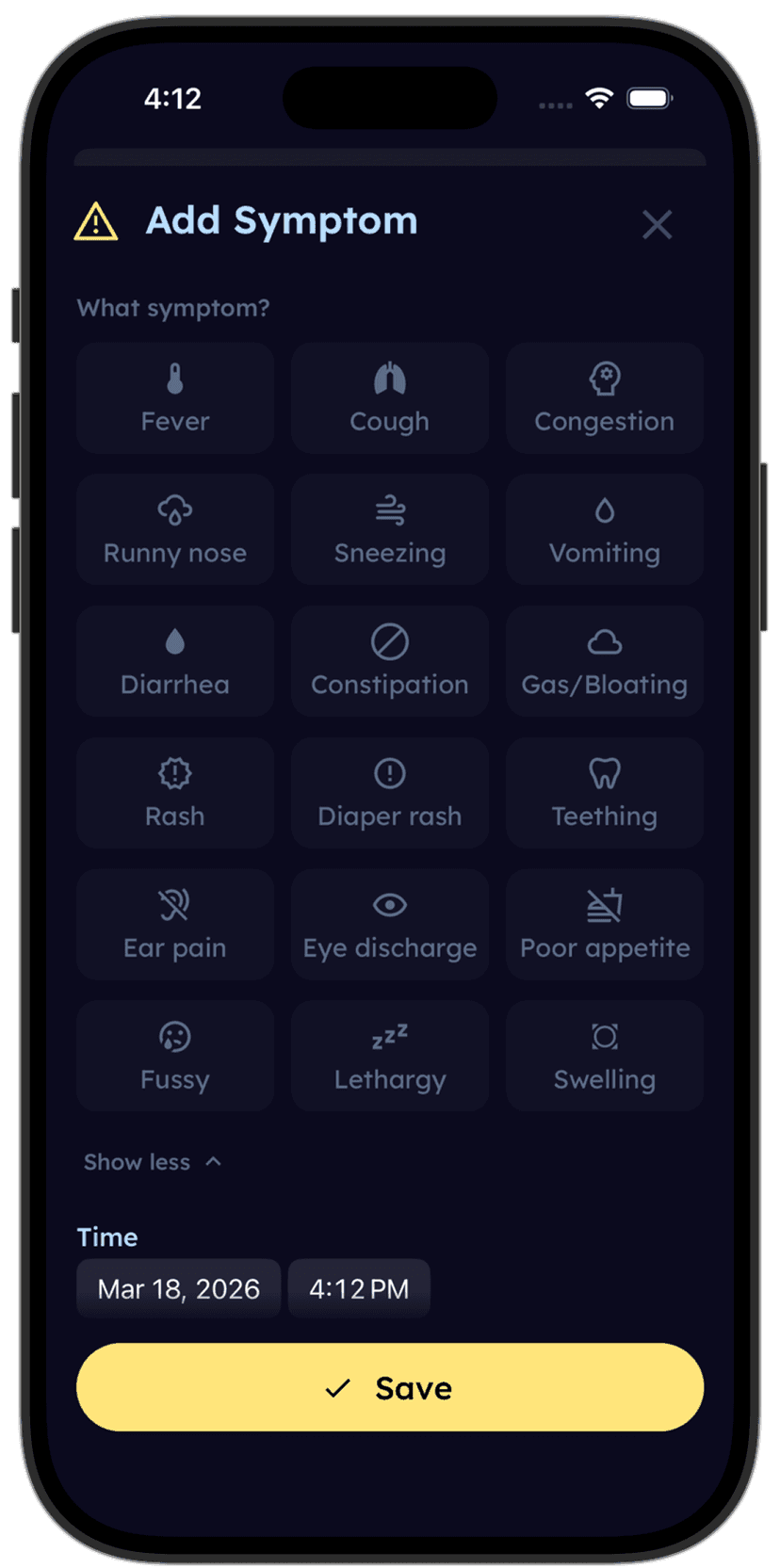
Download tinylog free — log milestones and symptoms in seconds.
Download on the App StoreGet It On Google Play