GUIDE

Tongue-Tie Release vs. Wait and See

Frenotomy helps some babies with significant feeding difficulties, but not all tongue ties cause problems. Many mild ties resolve on their own. The decision depends on severity, symptoms, and whether conservative measures have been tried first.

Tongue-tie diagnosis rates have surged — but not all ties need cutting.

Track feeding patterns

Log latch quality and intake

We always want to investigate and eliminate other causes of poor latch or nipple pain before attributing it to a baby's tongue-tie.
Dr. Heidi SzugyeDr. Heidi Szugye, DO, IBCLC, Pediatrician, Cleveland Clinic

The Tongue-Tie Landscape Has Changed

Tongue-tie (ankyloglossia) diagnosis and treatment has exploded in the past decade. Frenotomy rates have increased 10-fold in some regions, and a cottage industry of tongue-tie practitioners has emerged. Some of this reflects genuine improvement in recognizing a real condition. Some of it reflects over-diagnosis.

The core issue is that tongue tie exists on a spectrum. A tight, clearly restrictive frenulum that visibly prevents tongue elevation and causes measurable feeding difficulty is a real problem that often benefits from release. A mild, flexible frenulum that looks like a tie but doesn't clearly impair function is a different situation entirely.

The challenge for parents is navigating this spectrum when opinions differ and the pressure to "fix it quickly" is strong. Our detailed tongue tie and breastfeeding guide covers how to identify whether a tie is affecting nursing. A balanced approach starts with understanding what the evidence actually shows — and it's more nuanced than either side of the debate suggests.

Release vs. Wait and See: Side-by-Side
Best for
Tongue-Tie Release (Frenotomy)Significant feeding difficulties that haven't improved with conservative measures
Wait and SeeMild ties, babies feeding adequately despite tie, or as first-line approach
Success rate
Tongue-Tie Release (Frenotomy)50-70% of mothers report improved breastfeeding post-procedure
Wait and SeeMany mild ties stretch or become less restrictive as baby grows
Risks
Tongue-Tie Release (Frenotomy)Bleeding (usually minor), infection (rare), reattachment, no improvement
Wait and SeeContinued feeding difficulty if tie is truly causing problems
Recovery
Tongue-Tie Release (Frenotomy)Most babies nurse immediately; wound care for 2-4 weeks
Wait and SeeNo procedure recovery needed
Cost
Tongue-Tie Release (Frenotomy)$200-800 depending on provider and method; sometimes covered by insurance
Wait and SeeCost of lactation support and follow-up visits
Evidence quality
Tongue-Tie Release (Frenotomy)Moderate — RCTs show short-term breastfeeding improvement; long-term data limited
Wait and SeeLimited — few studies track natural resolution rates
Timeline
Tongue-Tie Release (Frenotomy)Can be done within days to weeks of diagnosis
Wait and SeeReassess at regular intervals; many ties less restrictive by 6-12 months
Evidence from Cochrane Review (O'Shea et al., 2017) and multiple RCTs. Individual results vary significantly.

Release: Advantages

  • Quick procedure — takes seconds for simple frenotomy in newborns
  • Can provide immediate or rapid improvement in latch and feeding
  • Eliminates the restrictive tissue causing functional limitation
  • May reduce maternal nipple pain from poor latch
  • Well-studied short-term safety profile with low complication rates

Best outcomes occur when frenotomy is performed for a clearly restrictive tie causing documented feeding difficulty.

Release: Challenges

  • Not all feeding problems are caused by tongue tie — release won't fix other issues
  • 30-50% of parents report no significant improvement after the procedure
  • Wound can reattach if post-procedure stretches aren't performed
  • Over-diagnosis means some babies get procedures they don't need

The 30-50% non-improvement rate suggests that many 'tongue-tie' feeding problems have other causes.

Wait and See: Advantages

  • Avoids an unnecessary procedure if the tie is mild or not causing problems
  • Many mild ties stretch or become less restrictive naturally over time
  • Allows time to try conservative measures (positioning, lactation support)
  • No procedural risks, recovery, or wound care
  • Gives time for a clearer picture of whether the tie is truly the issue

Conservative approach works best when combined with active lactation support — not just passive waiting.

Wait and See: Challenges

  • If the tie is causing significant feeding difficulty, waiting delays resolution
  • Prolonged poor feeding can affect weight gain and milk supply
  • Maternal nipple pain and damage may worsen without intervention
  • The window for simple frenotomy (without sedation) may pass as baby grows

Waiting is not appropriate when baby is losing weight or unable to feed effectively.

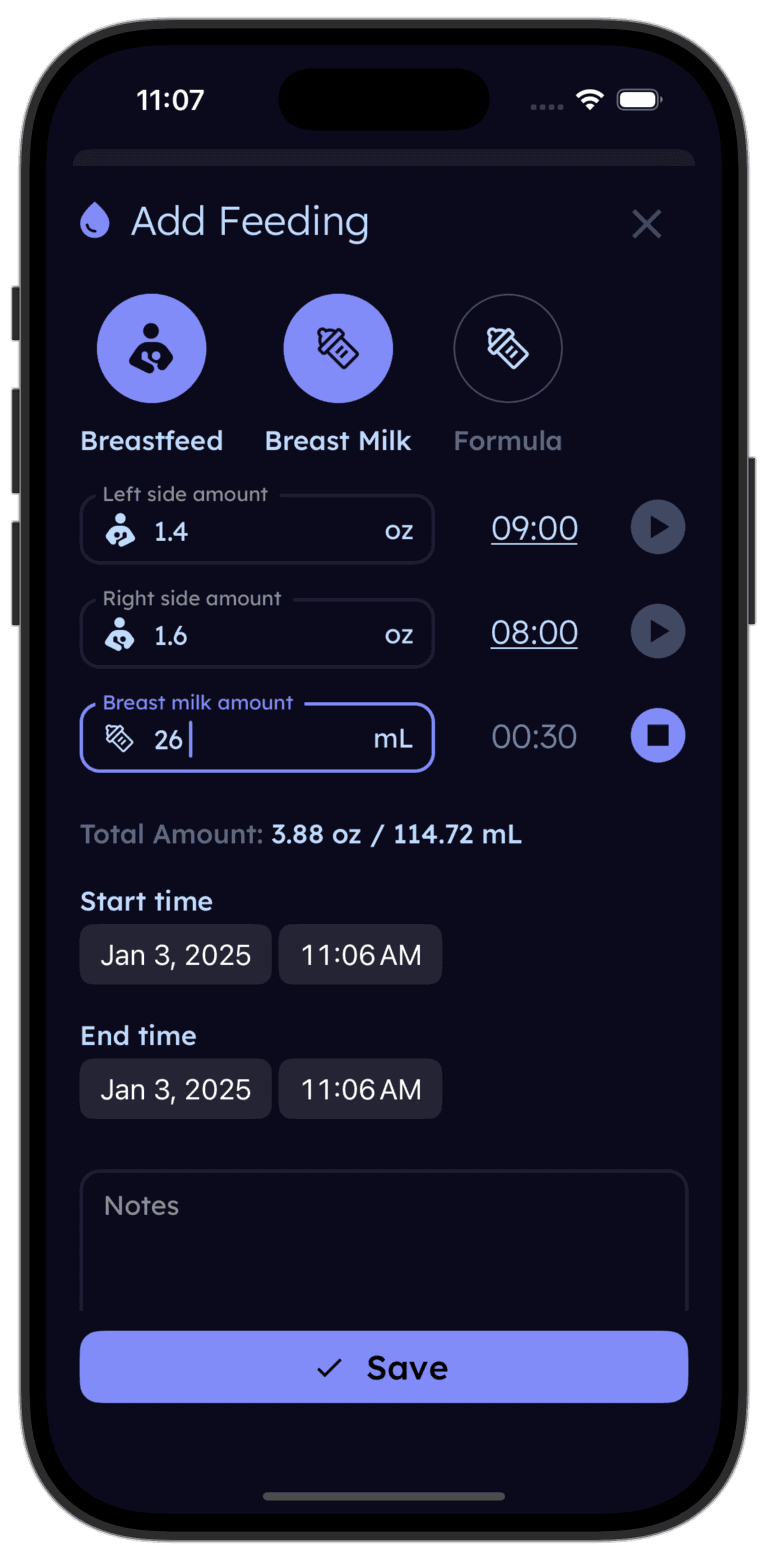
Tinylog feeding tracker showing session duration and frequency

Track feeding patterns before and after any intervention.

Tinylog logs feeding duration, frequency, and your notes on latch quality. Two weeks of data gives your lactation consultant or pediatrician a clear picture of whether things are improving.

Download on the App StoreGet It On Google Play

When Release Is the Right Call

The strongest case for frenotomy exists when all of the following are true: a clearly restrictive frenulum is present (tongue cannot elevate past the lower gum ridge), the baby has documented feeding difficulty (poor latch, inadequate weight gain, prolonged painful feeds), and conservative measures (lactation support, positioning adjustments) have been tried without adequate improvement.

When these criteria are met, frenotomy has the best chance of helping. The procedure itself is simple in newborns — a quick snip of the frenulum that takes seconds, causes brief crying, and typically allows immediate nursing. Bleeding is minimal and complications are rare. After the procedure, focus on optimizing your breastfeeding latch technique to get the most benefit from the release.

The evidence is more equivocal when the tie is mild, when feeding difficulty is borderline, or when conservative measures haven't been fully explored. In these cases, the procedure may not address the actual problem.


A Decision Framework

Pursue release when: Baby is losing weight or not gaining adequately despite lactation support. Maternal nipple damage is severe and not improving with positioning changes. A qualified provider identifies a clearly restrictive tie that correlates with observed feeding difficulty.

Consider waiting when: Baby is gaining weight appropriately despite the tie. Latch is imperfect but functional — use our guide on whether baby is getting enough breast milk to assess intake. Lactation support hasn't been fully utilized. The tie is mild and the provider is uncertain whether it's causing the problems.

Get another opinion when: You're being pressured to decide quickly. The diagnosis was made without observing a feeding. The provider recommends release for a posterior tie without clear functional evidence.

Tips That Apply Either Way

See a lactation consultant first

Before pursuing tongue-tie release, work with an IBCLC (International Board Certified Lactation Consultant). Positioning and latch technique adjustments resolve many feeding difficulties without any procedure. If problems persist despite expert help, that's stronger evidence the tie is the issue.

Get a second opinion

Tongue-tie diagnosis is subjective — it depends heavily on the provider. If one provider recommends release, consider getting an opinion from a pediatric ENT or a different lactation consultant. Providers who primarily perform frenectomies may have different thresholds than those who don't.

Track feeding data before and after

Whether you choose release or waiting, log feeding duration, latch quality, and weight gain. This data helps you and your provider objectively assess whether things are improving, staying the same, or getting worse.

Related Guides

Sources

  • O'Shea, J. E., et al. (2017). "Frenotomy for Tongue-Tie in Newborn Infants." Cochrane Database of Systematic Reviews, (3).
  • Ghaheri, B. A., et al. (2017). "Breastfeeding Improvement Following Tongue-Tie and Lip-Tie Release." Laryngoscope, 127(5), 1217-1223.
  • Power, R. F., & Murphy, J. F. (2015). "Tongue-Tie and Frenotomy in Infants with Breastfeeding Difficulties." Archives of Disease in Childhood, 100(5), 489-494.
  • Walsh, J., & Tunkel, D. (2017). "Diagnosis and Treatment of Ankyloglossia in Newborns and Infants." JAMA Otolaryngology, 143(10), 1032-1039.

This guide is for informational purposes only and is not a substitute for professional medical advice. Consult your pediatrician for guidance specific to your baby.

Get this comparison in your inbox.
We'll send you this guide so you can review it before your consultation appointment.
Data helps your provider make the right call.
Download Tinylog — log feeding difficulties, latch quality, and weight gain to bring real evidence to your tongue-tie consultation.
Download on the App StoreGet It On Google Play