GUIDE

The 2-Week Pediatrician Visit

Your baby's first real checkup. Here's how to walk in prepared instead of panicked.

What they'll ask, what to bring, and what 'normal' actually looks like at 2 weeks old.

What the Doctor Will Ask (and How to Prepare)
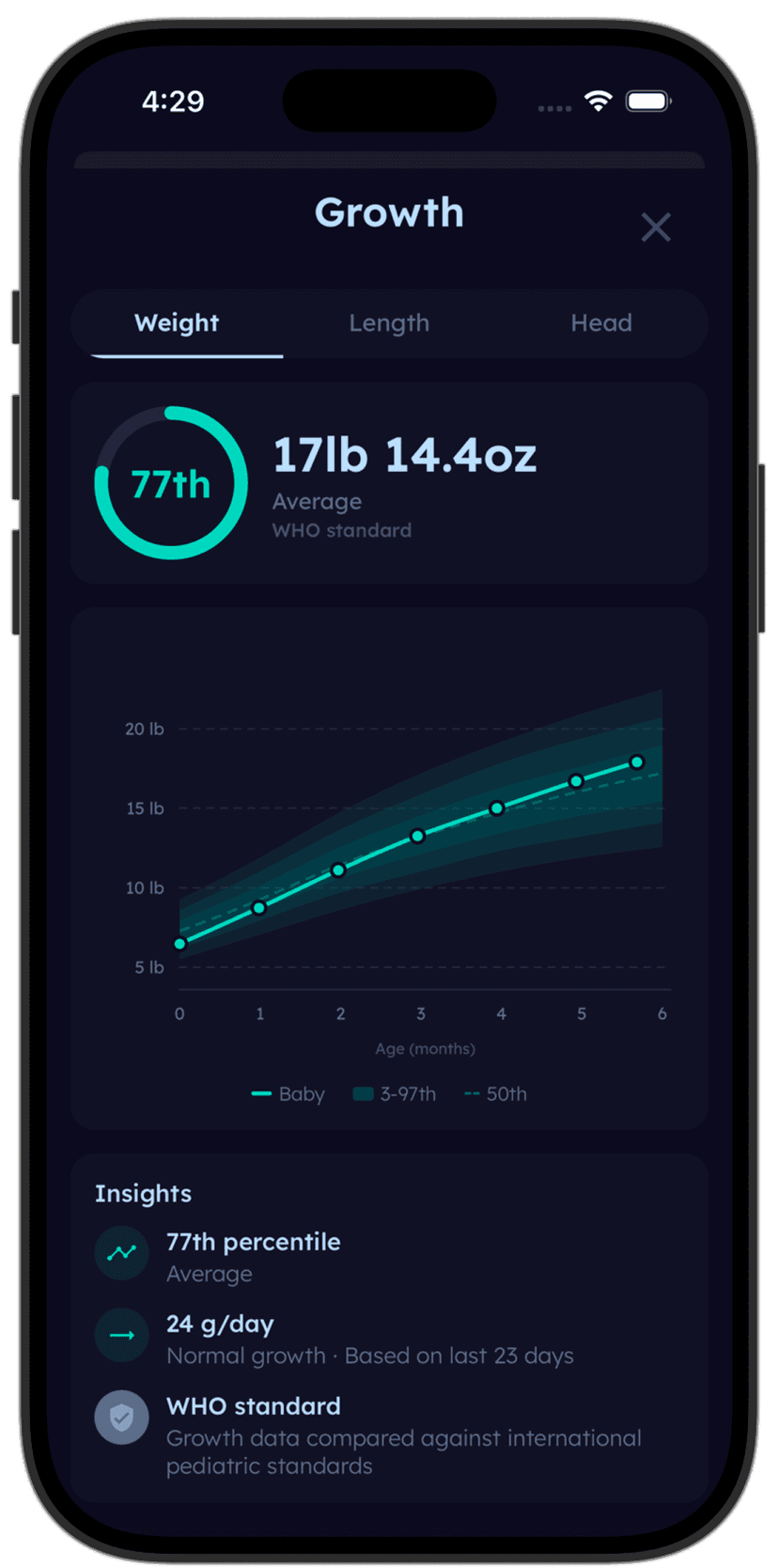
Weight gain
What They Want to KnowHas baby regained birth weight?
How to PrepareKnow birth weight and any weights taken since. Most babies lose 5–10% and regain it by 10–14 days.
Feeding frequency
What They Want to KnowHow often and how much is baby eating?
How to PrepareTrack feeds for at least 2–3 days before the visit. Note times, amounts (oz or minutes per side), and whether breast or bottle.
Wet diapers
What They Want to KnowIs baby producing enough urine?
How to PrepareCount wet diapers daily. By day 5 you should see 6+ per day. Mention any unusual color or strong odor.
Dirty diapers
What They Want to KnowWhat do stools look like? How often?
How to PrepareNote frequency and color. Should have transitioned from black meconium to yellow/seedy (breastfed) or tan/brown (formula).
Jaundice
What They Want to KnowIs yellowing improving or getting worse?
How to PrepareLook at baby's skin and whites of the eyes in natural light. If yellowing spread below the belly button or baby seems extra sleepy, mention it.
Umbilical cord
What They Want to KnowHas it fallen off? Any signs of infection?
How to PrepareNote if there's redness, swelling, oozing, or a bad smell around the stump. It usually falls off between 7–21 days.
Sleep patterns
What They Want to KnowHow much is baby sleeping? Are they waking for feeds?
How to PrepareGeneral idea of total sleep hours and longest stretch. Doctor wants to make sure baby isn't sleeping through feeds.
You don't need perfect data. Even rough numbers ('about 8 feeds a day, usually 6–7 wet diapers') are way more helpful than 'I think it's going fine?'

What to Bring

Checklist
  • Feeding log — times, amounts, and type (breast or formula) for the last few days
  • Diaper count — wet and dirty, by day, for the past week
  • A list of your questions (you will forget them in the exam room, guaranteed)
  • Insurance card and any hospital discharge paperwork
  • Notes about anything unusual — rashes, excessive crying, trouble latching, etc.
  • Baby's car seat (the nurse may weigh baby without it, but you need it to get home)

What to Expect at the Visit

  • Naked weigh-in — they'll strip baby down for an accurate weight
  • Length and head circumference measurements
  • Physical exam — heart, lungs, hips, reflexes, fontanelle, eyes, ears
  • Jaundice check — visual and possibly a skin or blood test if they're concerned
  • Feeding observation — the doctor or nurse may watch baby eat
  • Lots of questions about how you're doing (answer honestly — postpartum support matters)
  • Hepatitis B vaccine (dose 1 or 2, depending on whether baby got one at the hospital)

Signs Everything Is on Track at 2 Weeks

  • Baby is back to birth weight or close to it (within a few ounces)
  • 6 or more wet diapers per day
  • 3–4 bowel movements per day (can be more — breastfed babies sometimes go after every feed)
  • Feeding 8–12 times per day and seeming satisfied afterward
  • Alert during some wake periods (even if short — they mostly sleep at this age)
  • Jaundice is stable or improving, not getting worse

Not hitting every single one of these? Don't panic. That's literally why this appointment exists — so your pediatrician can check and give you a game plan.

tinylog trends screen showing feeding and diaper tracking data

Can't remember any of this because you haven't slept? That's what tinylog is for.

Log feedings, diapers, and sleep in a few taps. When the doctor asks 'how many wet diapers per day?' you pull up the app instead of guessing. It takes 10 seconds per entry and saves you from the blank stare.

Download on the App StoreGet It On Google Play

Tips for Getting Through the Visit

Write your questions down now

Open your notes app and start a running list. Every time you think 'I should ask about that,' add it. You will blank the second you walk into the office.

Bring your partner if you can

Two sets of ears are better than one when you're running on 4 hours of sleep. One of you can hold the baby while the other takes notes.

Don't compare to the other babies in the waiting room

Every baby in that room is on their own curve. The 3-week-old who seems twice the size of yours might have been born 3 pounds heavier. It means nothing.

Ask 'what should I watch for before the next visit?'

This one question reduces so much anxiety between appointments. You'll know what's normal and what actually warrants a call.

Mention how you're feeling too

Your pediatrician can screen for postpartum depression and connect you with resources. They care about the parent, not just the baby.


Related Guides

Get this prep guide in your inbox.
We'll email you this checklist so you can review it the night before — because you won't remember to look it up day-of.
Show up with real data.
Download tinylog free — your feeding log, diaper counts, and sleep data, ready to share.
Download on the App StoreGet It On Google Play